
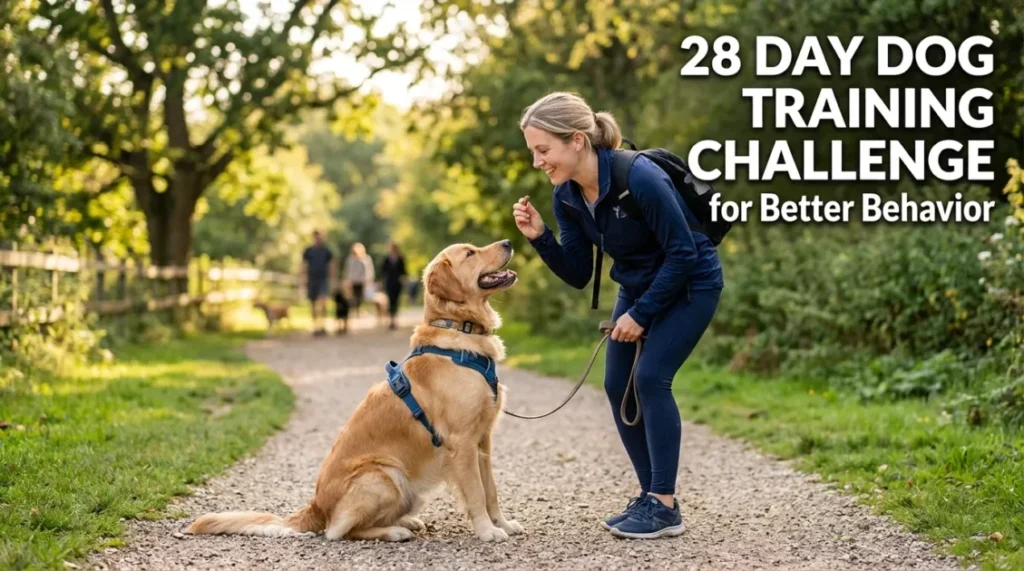

Hey there, fellow dog lovers! Ever feel like your furry friend could use a little… refinement? Maybe the leash pulling is getting a bit much, or those excited jumps when guests arrive are a tad overwhelming. We all love our dogs, but sometimes, a little structure goes a long way. That’s why I’ve put together this 28 Day Dog Training Challenge for Better Behavior. It’s designed to help you build a stronger bond with your dog while tackling common behavior quirks. Think of it as a fun, daily commitment to a happier, more well-behaved pup!
This isn’t about strict, military-style training. It’s about positive reinforcement, consistency, and understanding. We’ll focus on building good habits, one day at a time. You don’t need fancy equipment or a professional trainer. Just you, your dog, and a willingness to spend a little quality time together. Ready to transform your dog’s behavior in just 28 days? Let’s get started!
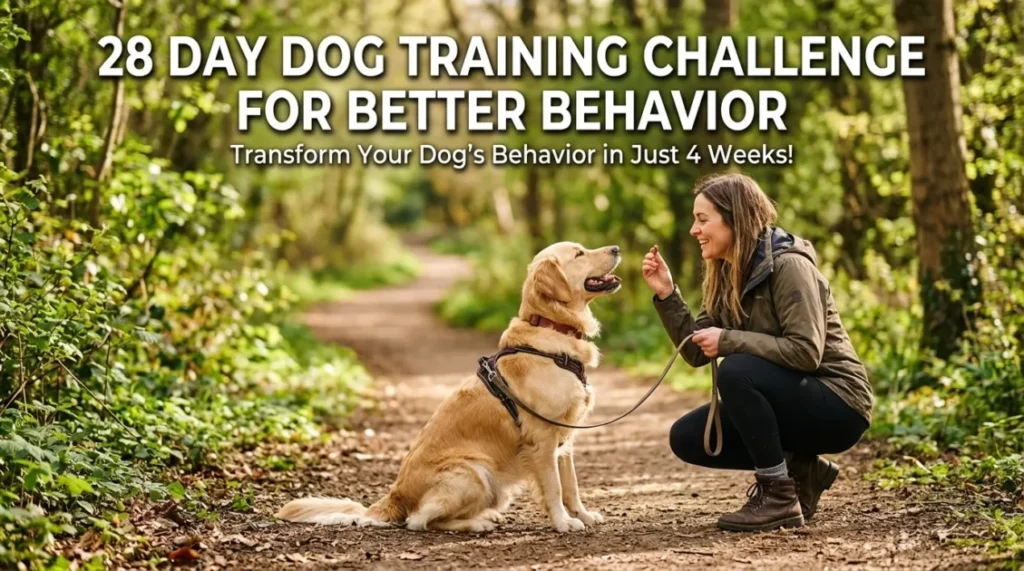
Why 28 Day Dog Training Challenge for Better Behavior?
Consistency is key when it comes to dog training. A short, focused challenge like this helps you build a routine. It breaks down complex training goals into manageable daily steps. Over 28 days, these small efforts add up. You’ll start to see real, noticeable changes in your dog’s behavior. Plus, it’s a great way to reconnect with your dog and strengthen your relationship.
Life gets busy, I know. It’s easy to let training slide. But dedicating just a few minutes each day makes a huge difference. This challenge provides a clear roadmap. It takes the guesswork out of training. You’ll learn what works best for your dog. And you’ll gain confidence in your training abilities. It’s a win-win for everyone!
Getting Ready for the Challenge
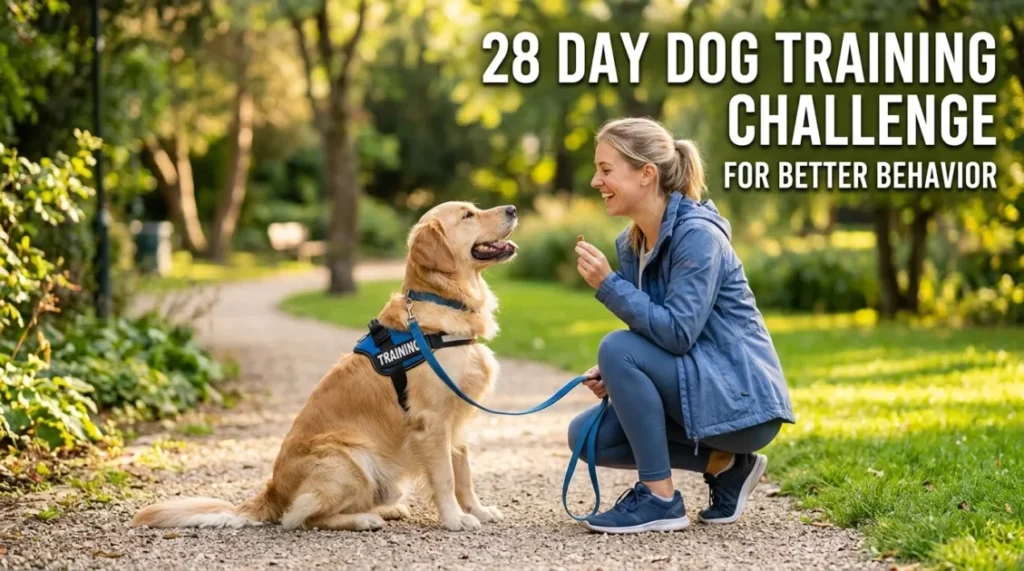
Before we dive into the daily tasks, let’s make sure you’re prepared. First, gather some high-value treats. These are small, tasty rewards your dog absolutely loves. Think tiny pieces of cheese, cooked chicken, or special training treats. You’ll also need a good leash and collar or harness. Make sure they fit comfortably and securely.
Find a quiet space at home where you can train without too many distractions. As you progress, you can move to slightly more distracting environments. Most importantly, be patient and positive. Training should be fun for both of you. If either of you gets frustrated, take a break. Celebrate small victories!
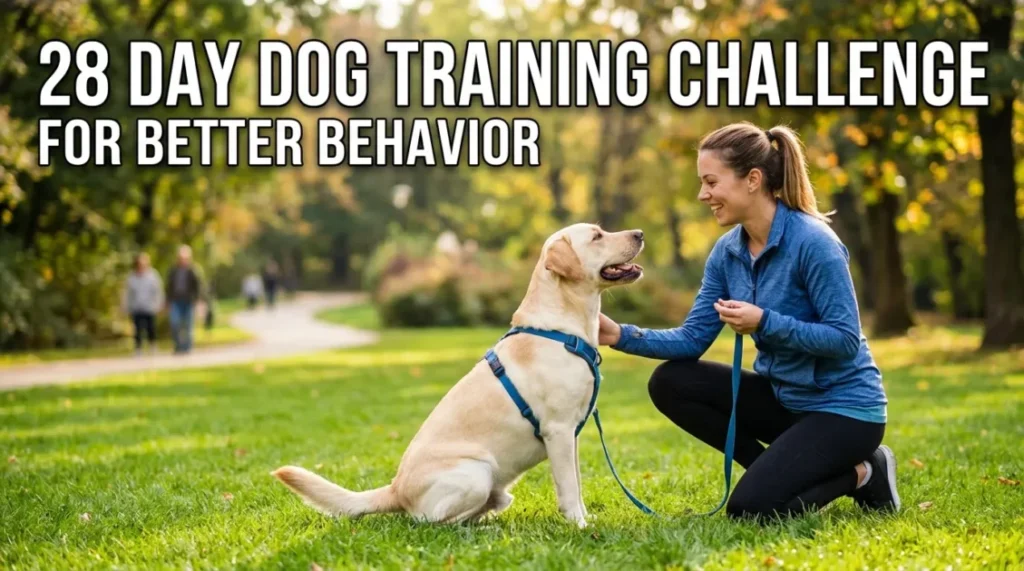
The 28-Day Dog Training Challenge
Week 1: Building the Foundation
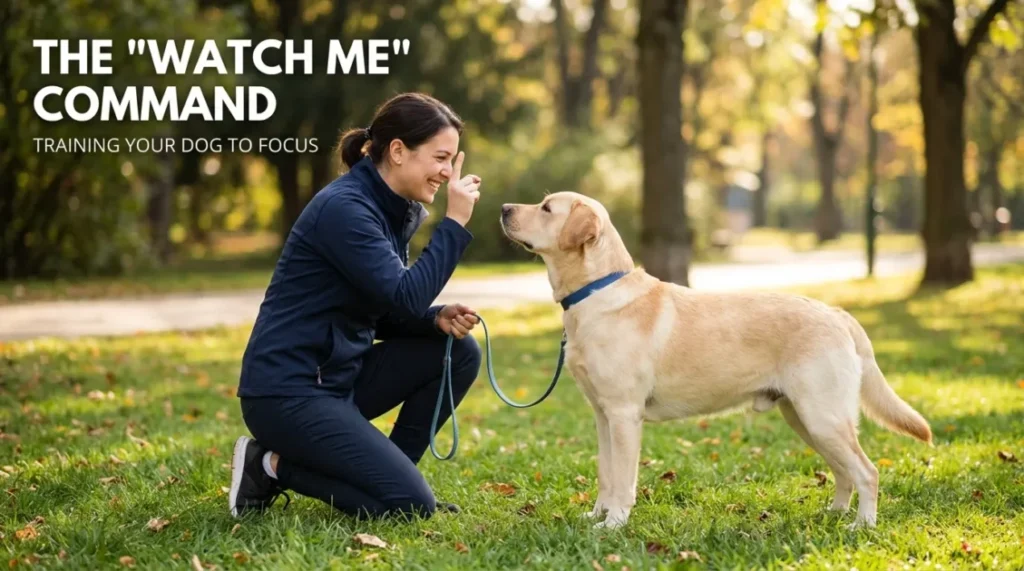
Day 1: The “Watch Me” Command. Start by getting your dog’s attention. Hold a treat near your eyes. Say “Watch me” and reward them when they make eye contact. Aim for 5-10 short sessions throughout the day.
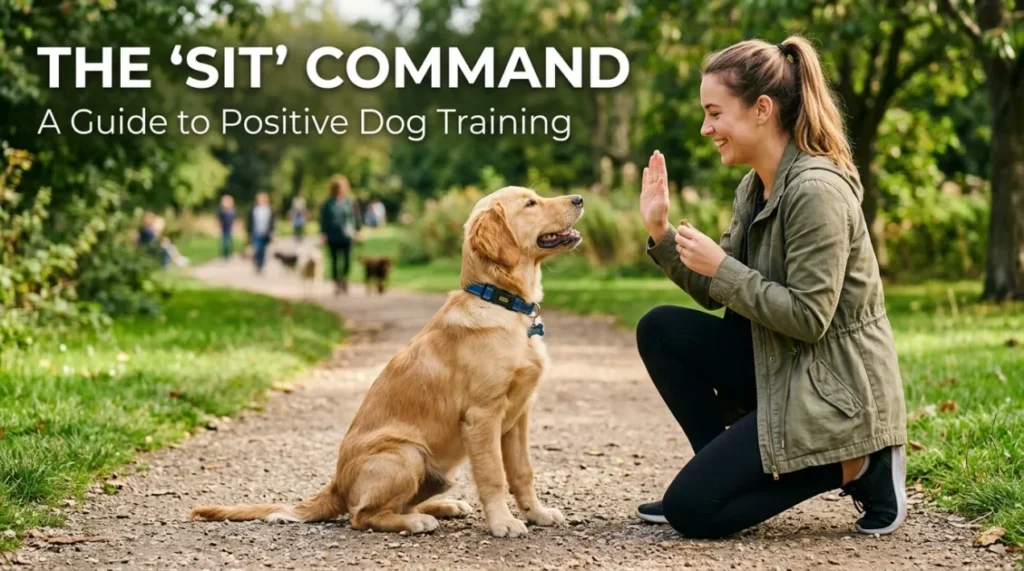
Day 2: Sit Command. With a treat, lure your dog’s nose up and back over their head. As their rear end lowers, say “Sit.” Reward immediately when they sit. Practice this often.
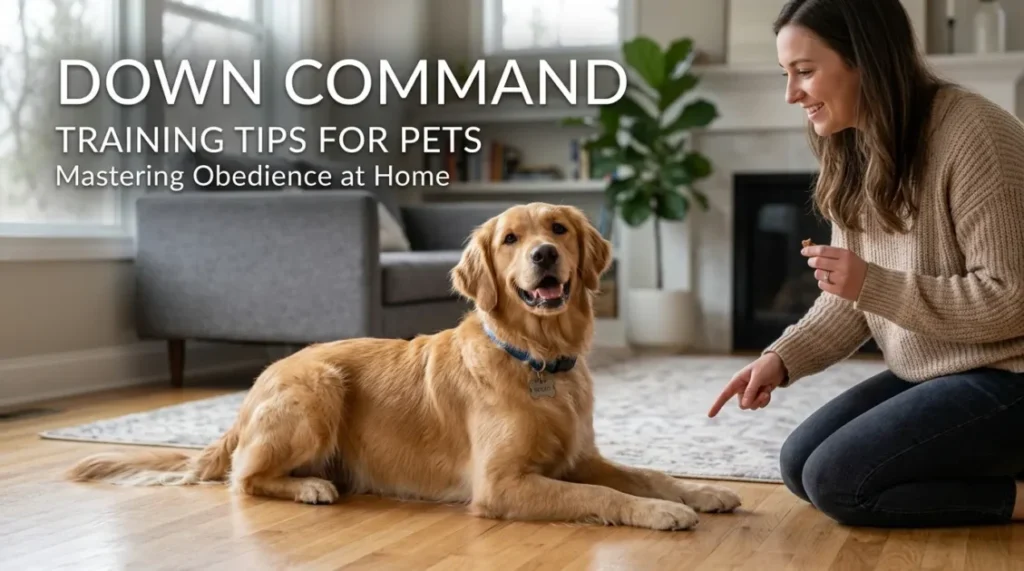
Day 3: Down Command. From a sit, lure your dog’s nose down towards the floor and slightly forward. Say “Down” as they lower themselves. Reward when they are fully down. Keep sessions brief.
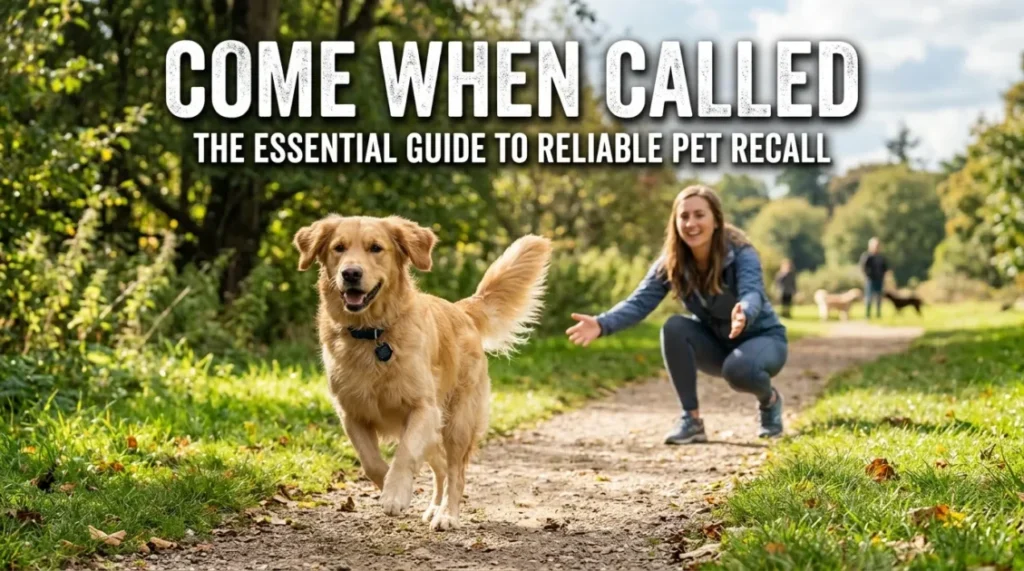
Day 4: Come When Called. Use a happy, encouraging tone. Say your dog’s name followed by “Come!” Reward enthusiastically when they reach you. Never punish your dog if they eventually come. This is about positive association.
Day 5: Loose Leash Walking Practice. Start in a quiet area. If the leash gets tight, stop walking. Wait until the leash slackens, then continue. Reward your dog when the leash is loose.
Day 6: Leave It. Place a less desirable treat on the floor. Cover it with your hand. When your dog stops trying to get it, say “Leave it.” Then, reward them with a higher-value treat from your other hand. This teaches impulse control.
Day 7: Review and Play. Review the commands learned this week. Keep it fun with lots of praise and treats. End with a game of fetch or tug. Enjoy your progress!
Week 2: Refining Skills and Adding New Ones
Day 8: “Stay” Command. Ask your dog to sit. Say “Stay” and hold your hand out flat. Take one step back. If they stay, return and reward. Gradually increase distance and duration.
Day 9: Target Training. Teach your dog to touch your hand with their nose. Hold your hand out, say “Touch,” and reward when they make contact. This is useful for guiding them.
Day 10: Gentle Greetings. When someone approaches, ask your dog to sit. Reward them for remaining seated as the person greets them. If they jump, have the person step back until they are calm.
Day 11: Drop It. Have your dog hold a toy. Offer a treat near their nose. As they open their mouth to take the treat, say “Drop it.” Reward them. This helps with resource guarding and retrieving.
Day 12: Walking Past Distractions. Practice loose-leash walking in slightly more distracting environments, like your yard or a quiet park. Reward calm behavior when distractions appear.
Day 13: Impulse Control Games. Play games like “Wait” at the door before going out. Put their food bowl down, say “Wait,” and only let them eat when you release them. This builds patience.
Day 14: Practice “Place.” Teach your dog to go to a specific mat or bed. Lure them onto it, say “Place,” and reward. Gradually increase the time they stay there.
Week 3: Proofing and Real-World Application
Day 15: Introduce New People Calmly. Practice having new people (friends or family) come over. Ensure your dog is on a leash initially and reward calm behavior. Gradually work towards off-leash greetings if appropriate.
Day 16: Leash Manners on the Go. Practice loose-leash walking in busier areas like sidewalks. Reward heavily for maintaining a loose leash around other people and dogs.
Day 17: Recall in Different Settings. Practice the “Come” command in various locations , your backyard, a park (if safe and permitted), even inside a friend’s house. Make it a party when they arrive!
Day 18: “Leave It” with Temptations. Practice “Leave It” with slightly more tempting items, like a dropped piece of food or a favorite toy. Always ensure you have a better reward to redirect them.
Day 19: Duration Stays. Work on increasing the length of time your dog can hold a “Stay.” Start with short increments and build up slowly. This requires patience from both of you.
Day 20: Introduce a “Quiet” Command. If your dog barks excessively at noises, try to capture moments of silence. When they are quiet, reward them. You can also interrupt barking with a command like “Quiet” and reward the silence that follows.
Day 21: Socialization Walk. Take your dog for a walk where they can observe other dogs and people from a distance without reacting. Reward calm observation. This is about building confidence, not direct interaction if your dog isn’t ready.
Week 4: Consolidating Habits
Day 22: Advanced Loose Leash Walking. Practice navigating around obstacles and turning corners smoothly while maintaining a loose leash. Reward consistently.
Day 23: Recall Under Distraction. Test your recall in environments with moderate distractions. Ensure you are using a very high-value reward to make coming to you the most appealing option.
Day 24: Proofing “Place.” Have your dog go to their “Place” and stay there while you move around the room, open doors, or even leave the room briefly. Reward them for staying put.
Day 25: Combining Commands. Ask for a “Sit,” then a “Stay,” then a “Come.” Link commands together to build fluency and show your dog understands sequences.
Day 26: Real-Life “Leave It” Scenarios. Be prepared for real-world “Leave It” moments. If your dog goes for something they shouldn’t, calmly redirect them with a known command and reward. It’s about management and training.
Day 27: Fun Tricks Practice. Dedicate today to practicing fun tricks. This reinforces positive training methods and is great for mental stimulation. It keeps training exciting!
Day 28: Celebrate Your Success! You made it! Spend quality time with your dog. Review their favorite commands. Give them lots of praise and maybe a special treat. Reflect on how far you’ve both come. You’ve built a stronger bond and a better-behaved companion. Consider joining online pet communities to share your journey and learn from others!
Maintaining Good Behavior Long-Term
This 28-day challenge is just the beginning. The real magic happens when you continue these practices. Keep training sessions short and fun. Incorporate commands into your daily routine. For example, ask for a “Sit” before mealtime or before opening the door.
Continue to use positive reinforcement. Praise and rewards go a long way in keeping your dog motivated. If you encounter new behavior challenges, don’t get discouraged. Revisit the basics or seek advice from experienced trainers or your veterinarian. Remember, every dog is an individual. What works for one might need slight adjustments for another. The key is consistent effort and a loving approach. This journey is ongoing, and with dedication, you and your dog will continue to thrive. Visit Clumsy Paw | For Pet Lovers and Pet Enthusiasts for more tips and resources!
Frequently Asked Questions
How much time each day should I dedicate to training?
Aim for 10-15 minutes of focused training per day. It’s better to have several short sessions than one long, overwhelming one. Plus, keep training opportunities in mind throughout the day, like asking for a “Sit” before a meal.
What if my dog doesn’t seem to understand a command?
Don’t get frustrated. Go back a step. Make sure your reward is motivating enough. Try using a lure to help guide them. Sometimes, breaking the command down into even smaller parts can help. Ensure your instructions are clear and consistent.
Can this challenge help with aggression or severe anxiety?
This challenge focuses on basic obedience and common behavioral issues. For aggression, fear, or severe anxiety, it’s crucial to consult a certified professional dog trainer or a veterinary behaviorist. They can provide tailored guidance and ensure your dog’s safety and well-being.
My dog is older. Can they still learn new tricks?
Absolutely! Older dogs can learn new things. They might learn at a different pace than puppies, but their capacity for learning remains. Positive reinforcement training is effective for dogs of all ages. Adjust the challenge to suit your senior dog’s energy levels and physical capabilities.
What if my dog gets bored during training?
Mix things up! Use different, high-value treats. Keep sessions short and energetic. Incorporate play into your training. If your dog seems disengaged, it might be time for a break or a change in activity. Ensure the training is fun and rewarding for them.