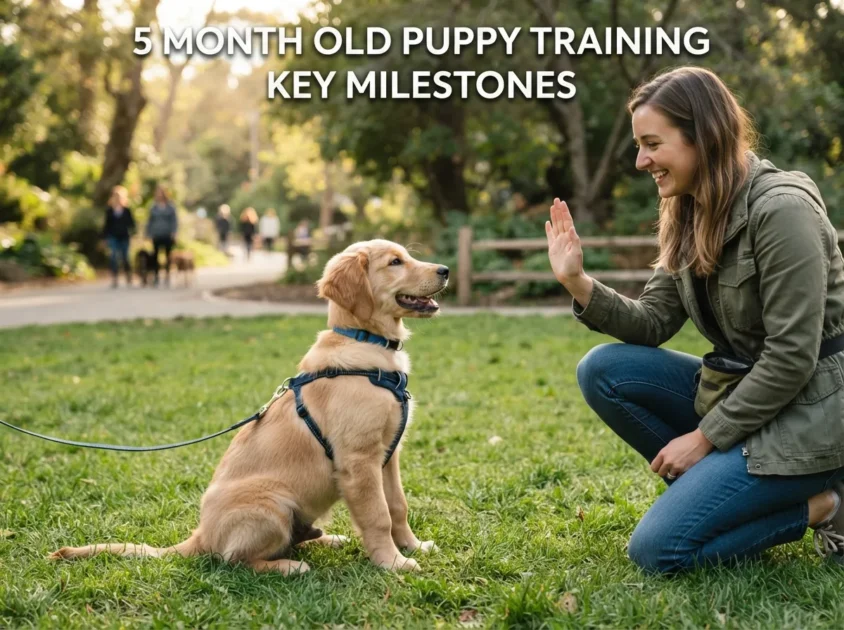

Having a five month old puppy is a wild ride. You are likely past the newborn stage of waking up every two hours at night. Your little one is probably teething, growing fast, and testing your patience every single day. This is a big month. Your puppy is becoming a teenager in the dog world.
At Clumsy Paw we know how much you want to get this right. 5 Month Old Puppy Training is not just about teaching tricks. It is about building a bond that will last for the next ten or fifteen years. Let us look at what your puppy should be focusing on right now.
Understanding Your Five Month Old Puppy
By now, your puppy is gaining a lot of confidence. They are physically stronger and mentally sharper than they were a few weeks ago. You might notice they have more energy or that they seem a bit more stubborn. This is normal. Their brain is developing, and they are starting to figure out how the world works.
It is helpful to keep an eye on their health during this growth spurt. Many owners use modern tools to track activity and weight. If you are curious about how tools help, check out How Technology is Helping Pet Owners Monitor Their Pets Health to see if a tracker might work for your pup. Having clear data makes it easier to talk to your vet if you notice changes.
5 Month Old Puppy Training
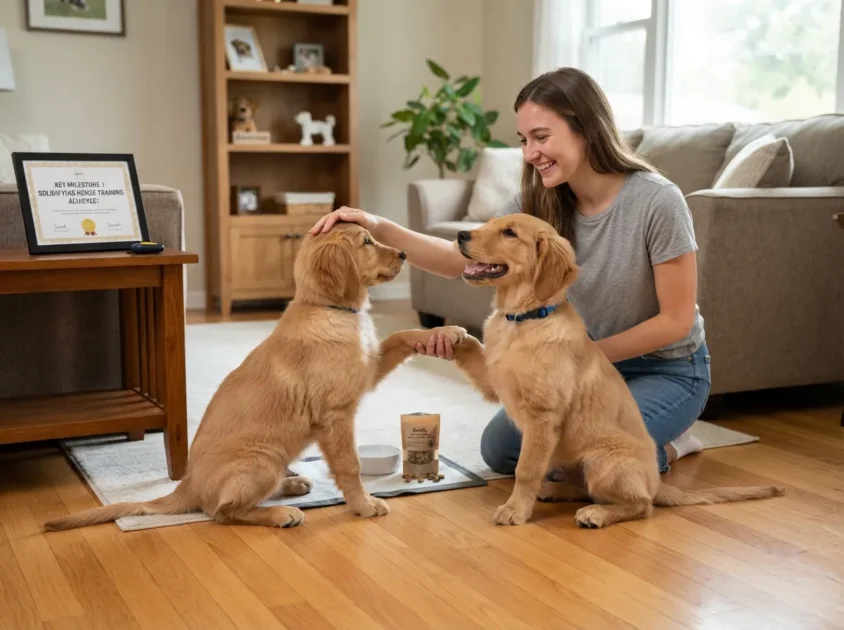
Key Milestone 1: Solidifying House Training
If your puppy is still having accidents, do not panic. Five months is a transition period. Your puppy should be able to hold their bladder much longer than before. If they are still struggling, go back to basics. Keep a strict schedule for potty breaks.
Take them out first thing in the morning, after every meal, and after a long nap. Praise them heavily when they go outside. If they make a mess inside, just clean it up without yelling. Your job is to show them that outside is the place to go.
Key Milestone 2: Mastering Basic Commands
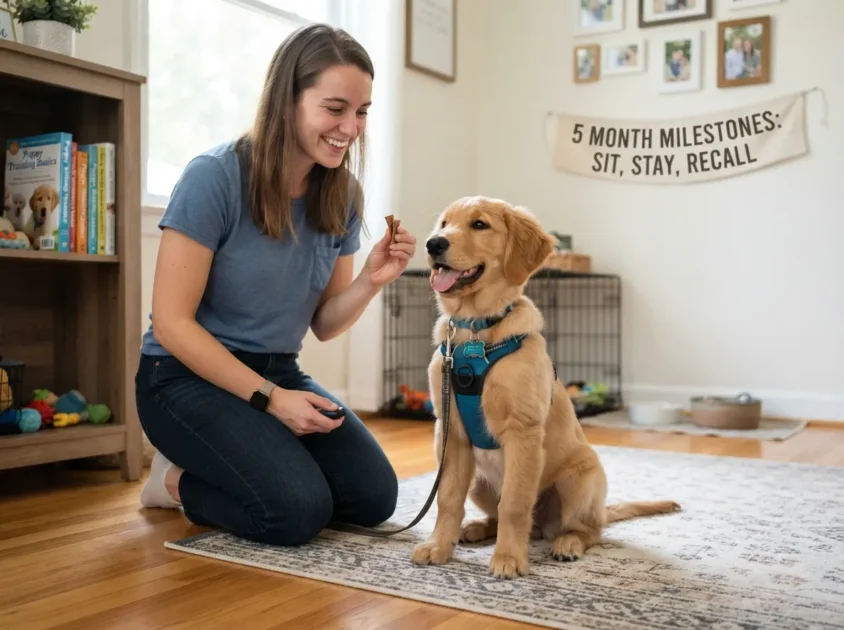
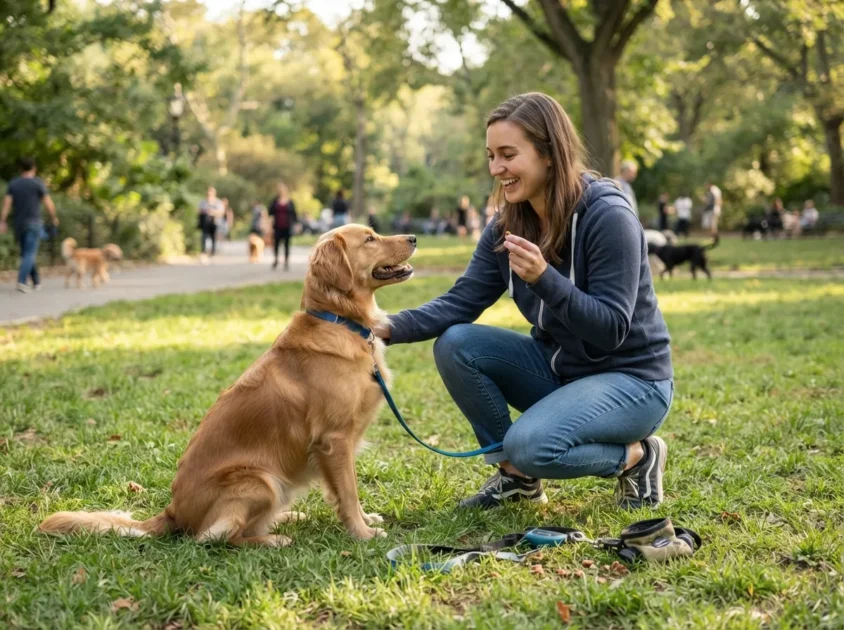
By five months, your puppy should know the basics. You want them to listen to you even when there are distractions. Focus on these core commands:
- Sit
- Stay
- Come
- Down
- Leave it
The “Leave it” command is life-saving at this age. Puppies love to put everything in their mouths. Whether it is a rock, a bug, or your favorite shoe, they need to listen when you tell them to drop it. Keep your training sessions short. Five to ten minutes is plenty of time. If you go too long, they will get bored and stop listening.
Key Milestone 3: Socialization Beyond the House
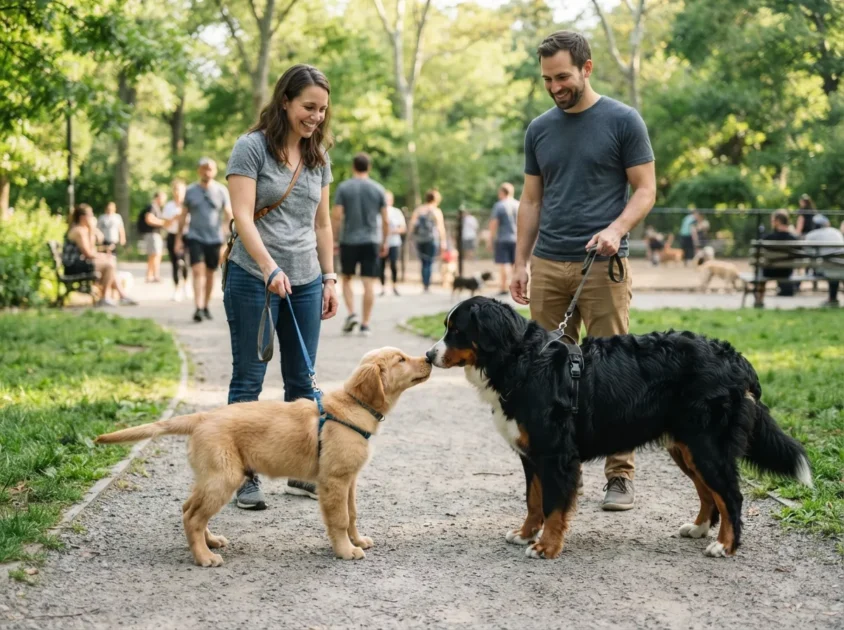
Socialization is not just about meeting other dogs. It is about seeing the world. At five months, your puppy should be comfortable around different noises, surfaces, and people. Take them to new parks or quiet streets.
Let them walk on grass, pavement, and gravel. If they seem scared, stay calm and give them time. Do not force them into situations that make them shake. You want them to see new things as fun experiences, not scary ones. A confident puppy is a happy puppy.
Key Milestone 4: Leash Manners
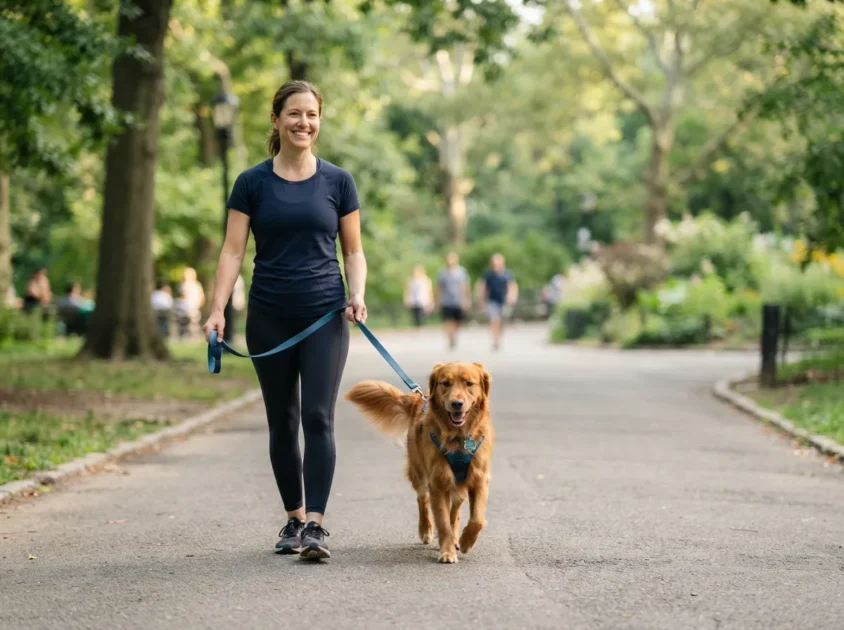
Walking a puppy that pulls on the leash is no fun for anyone. At five months, they are getting bigger and stronger. Start teaching them that walking on a loose leash is the goal. If they pull, stop walking immediately. Stand still until they look back at you or the leash goes slack.
You can also change directions if they pull too much. It might take a long time to get around the block at first. That is okay. You are teaching them that pulling stops the walk, while a loose leash keeps the fun going.
Key Milestone 5: Managing Teething and Chewing
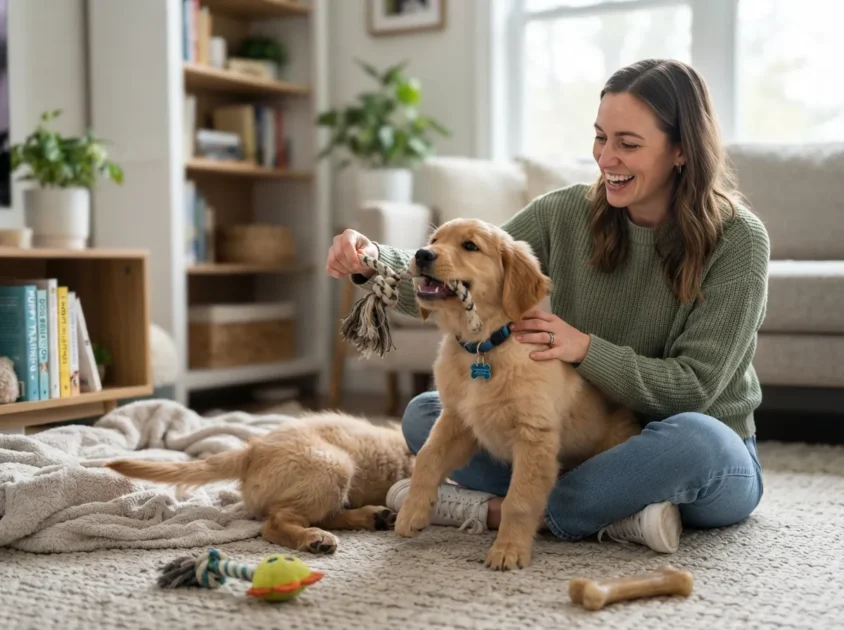
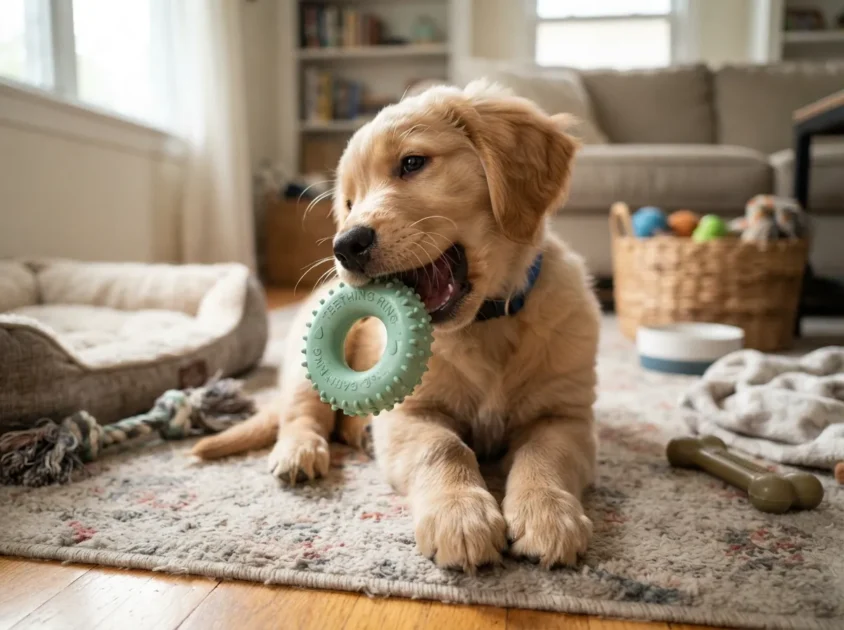
Your puppy is likely still dealing with teething pains. Those adult teeth are settling in. If you do not give them something to chew on, they will find your furniture. Make sure they have a variety of chew toys with different textures.
If you catch them chewing on a chair or a rug, trade them for a toy. Say “no” in a firm but kind voice, and offer the toy instead. When they take the toy, give them praise. This teaches them what is okay to chew and what is off-limits.
Staying Consistent Every Day
The biggest secret to training is consistency. You cannot let your puppy jump on you today and then tell them no tomorrow. Everyone in your house needs to follow the same rules. If you do not want the dog on the couch, no one should allow them up there.
Training happens in small moments throughout the day. It is not just the time you spend in the yard. It is how you greet them at the door and how you feed them. Every interaction is a chance to teach them how to be a good family member.
Frequently Asked Questions
How long should a 5 month old puppy be left alone?
Generally, a five month old puppy can hold their bladder for about five hours. However, they are still very active. It is best to have someone check on them or take them for a walk if you are gone for longer than four hours.
Is my 5 month old puppy ready for dog parks?
Be very careful with dog parks. Ensure your puppy is fully vaccinated before going to public places. Even then, watch them closely. Some older dogs are not patient with energetic puppies, and a bad experience can cause fear issues later.
Why is my puppy suddenly not listening to me?
This is often called the adolescent phase. Your puppy is testing boundaries to see what they can get away with. Stick to your training rules and do not give up. They will eventually settle back into a rhythm as they get older.
How much exercise does a 5 month old puppy need?
Puppies need plenty of play, but be careful with high-impact exercise like long-distance running. Their bones and joints are still growing. Short walks and play sessions in a fenced yard are perfect for this age.