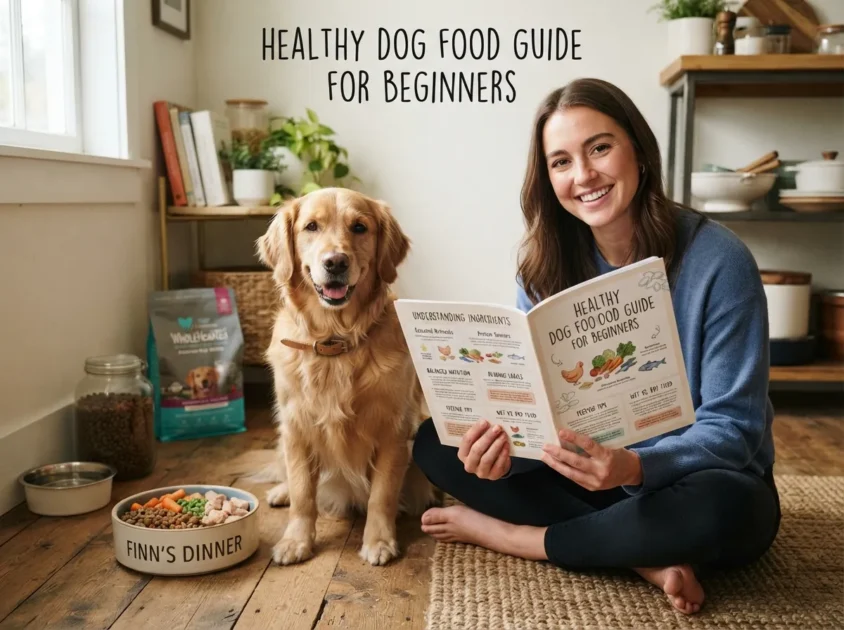

Choosing the right food for your dog can feel like a guessing game. You walk into the pet store, and walls of colorful bags stare back at you. Every package claims to be the best. It is easy to feel lost, but you are not alone. At Clumsy Paw, we believeHealthy Dog Food Guide for Beginners should be simple and stress free.
The good news is that 2026 has brought some big, helpful changes to how dog food is labeled. You do not need a degree in chemistry to feed your best friend well. By focusing on a few simple rules, you can pick out a healthy meal in minutes.
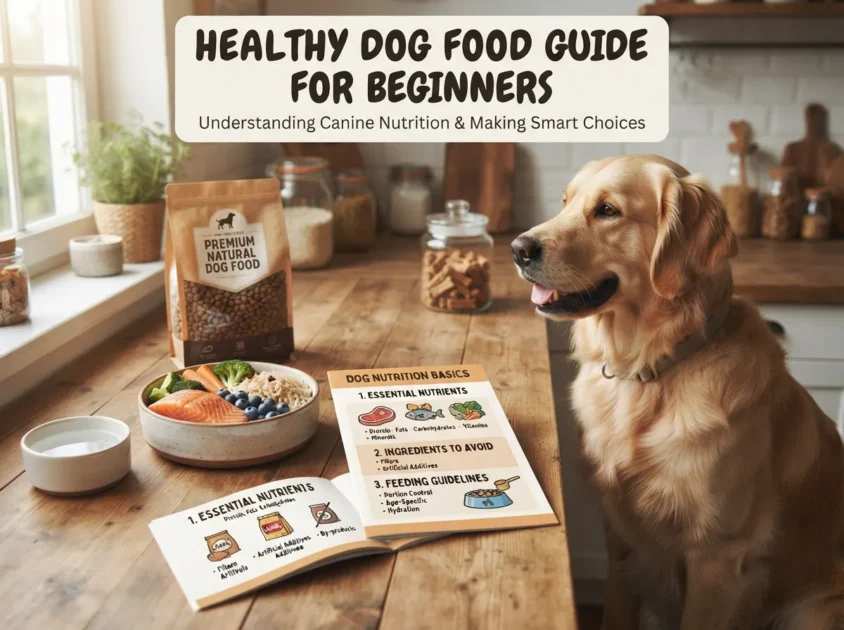
Understanding Healthy Dog Food Guide for Beginners
Every dog is different. A tiny puppy, a busy adult dog, and a sleepy senior all have different fuel requirements. You cannot feed them all the same way. When you start your search, look for food that matches your dog’s specific life stage. Labels will clearly state if they are for puppies, adult maintenance, or all life stages.
Beyond age, consider your dog’s activity level and size. Large breeds often need specific support for their joints, while smaller dogs might need more calories packed into smaller bites. If you ever feel stuck, a quick chat with your vet is the smartest move. They know your dog’s health history and can point you in the right direction.

Decoding the New 2026 Labels
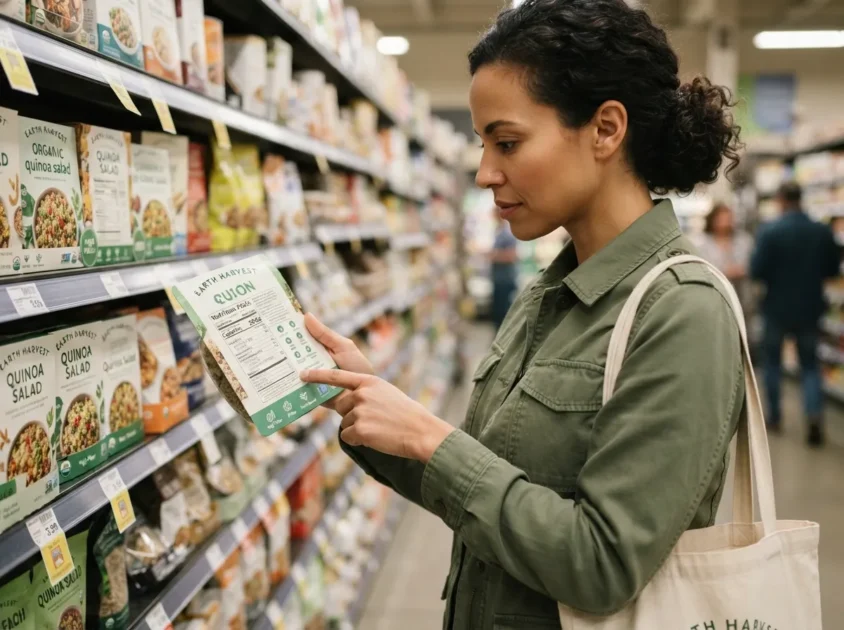
You might notice that some dog food bags look different this year. That is because of new rules from AAFCO. These rules make labels much easier to read,, similar to the nutrition labels on human food. You will now see a “Pet Nutrition Facts” box on many products.
This box is your new best friend. It breaks down calories, protein, and fat in a way that is easy to compare. Instead of relying on marketing words on the front of the bag, look at the back. If you want to get creative, you can even check out this 5 Ingredient Dog Food Recipe for Healthy Dogs if you are interested in trying something fresh at home.
What to Look for in the Ingredient List
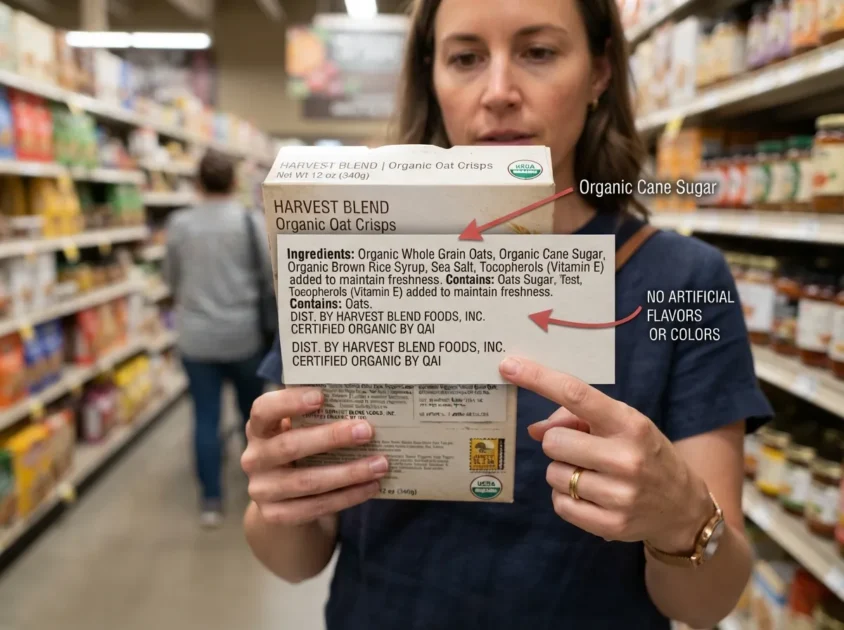
When you look at the ingredients, remember that they are listed by weight. The first few items are the most important. Look for a named animal protein as the very first ingredient. This could be chicken, beef, or salmon. A named source is always better than a vague label like “meat meal.”
Do not be scared of the word “meal” either. Chicken meal is actually just chicken with the water removed. It is a concentrated source of protein that helps keep your dog strong. Also, keep an eye out for whole foods like vegetables and healthy fats, such as fish oil. These add essential nutrients that keep your dog’s coat shiny and their immune system working well.
Dry, Wet, or Fresh?
There is no single “right” way to serve dinner. The best food is the one that fits your lifestyle and your dog’s health. Here is a quick breakdown:
- Dry Kibble: This is a favorite for many because it is convenient and easy to store. It stays fresh for a long time and is budget-friendly.
- Wet Food: If your dog is a picky eater or needs more water in their diet, wet food is a great choice. It smells stronger and is often more tasty for pups who turn their noses up at dry food.
- Fresh or Gently Cooked: These options are becoming very popular. They use whole, human-grade ingredients and are often delivered to your door. They are more expensive but offer high-quality nutrition.
You can even mix these styles together. Many people top their dog’s dry kibble with a little bit of wet food to make dinner more exciting. Just make sure you track the total calories so your dog stays at a healthy weight.

Avoiding Marketing Traps
It is easy to get distracted by words like “holistic,” “premium,” or “ancestral.” These are often just marketing terms used to make a brand sound fancy. Do not let them sway you. Your dog does not care about the buzzwords on the box. They care about balanced nutrition that keeps them feeling their best.
Always flip the bag over. The guaranteed analysis and the ingredient list are where the facts live. If a brand hides their ingredient list or refuses to explain their quality control, skip it. Stick to companies that are transparent about where their food comes from and how they test it.
Transitioning to New Food Safely
Once you pick a new food, do not switch overnight. Dogs have sensitive tummies. A sudden change can lead to an upset stomach or bathroom accidents. Instead, mix the new food in slowly over a week.
Start with 75 percent old food and 25 percent new food. Over the next few days, slowly increase the new food while decreasing the old. By the end of the week, your dog should be happily eating the new brand. If you notice your dog acting strange or having tummy trouble, slow down the process even more.
Frequently Asked Questions
Is grain-free food better for my dog?
Not necessarily. Unless your vet tells you that your dog has a specific allergy to grains, grains are a healthy part of a balanced diet for most dogs. They provide energy and important nutrients.
How often should I feed my dog?
Most adult dogs do well with two meals a day. Puppies usually need to eat more often. Always check the feeding guide on the back of the bag for specific amounts, but remember that your dog’s individual needs might vary.
What are “by-products” and are they safe?
By-products often include organ meats like liver and heart. In the wild, dogs eat these parts first because they are packed with vitamins and minerals. High-quality by-products are a nutritious addition to your dog’s diet.
How can I tell if the food is working?
Watch your dog. A healthy diet usually leads to steady energy levels, a shiny coat, clear eyes, and firm, healthy stools. If your dog seems lethargic or has skin issues, it might be time to try a different formula.