


If you are a pet parent, you know the sound. It is the middle of the night, and your dog is pacing. Or maybe it is the sight of your pup struggling with loose stools or constant gas. Watching your furry friend feel sick is never easy. Many Best Dog Food for Sensitive Stomachs, and it is a common concern for many owners today. The good news is that the right diet can often make a huge difference in how your dog feels every single day.

How to Tell If Your Dog Has a Sensitive Stomach
Sometimes it is obvious, but other times the signs are more subtle. A sensitive stomach is not the same as a food allergy, which involves the immune system. Instead, it usually means your dog’s digestive tract has trouble processing certain ingredients or textures.
Watch out for these common signs:
- Frequent vomiting or regular regurgitation
- Chronic diarrhea or soft stools
- Excessive gas or a bloated belly
- Loud gurgling sounds from the stomach
- Loss of appetite or acting like a picky eater
- Lethargy after eating meals
- Eating grass more often than usual
If your dog is showing these symptoms, the first thing you should do is talk to your vet. You want to make sure there are no underlying medical issues that need attention. If your vet agrees it is just a sensitive belly, you can start looking at their food bowl.

Best Dog Food for Sensitive Stomach
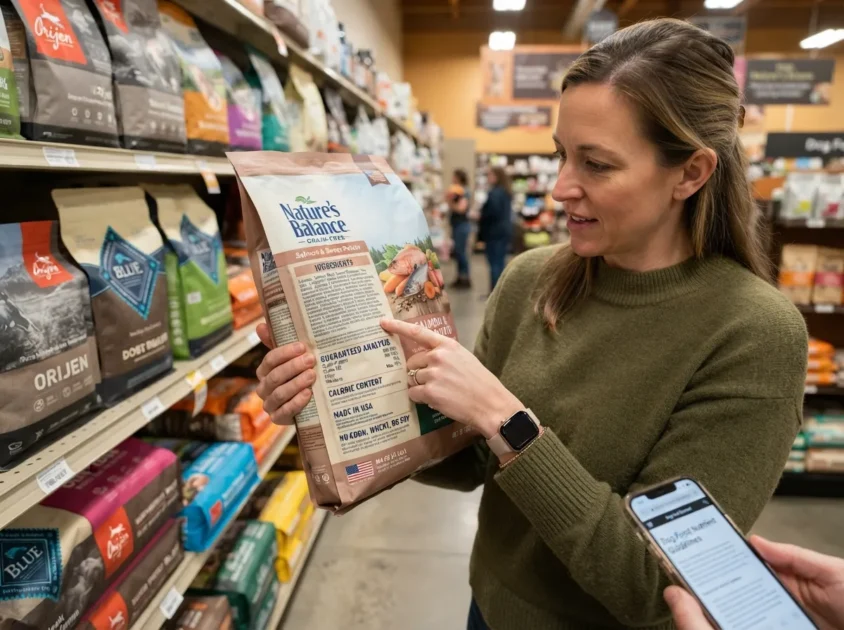
When you start shopping, the labels can feel overwhelming. You want to pick something that will soothe the gut rather than irritate it further. Many dogs with digestive sensitivities do better with simpler ingredient lists.
Here are a few things to prioritize:
Limited Ingredient Formulas
These diets are often called LID. They contain fewer ingredients, which makes it much easier to avoid whatever might be bothering your pup. Usually, these formulas feature one single animal protein source and one or two simple carbohydrates.
Easily Digestible Proteins
Not all protein is created equal for a sensitive stomach. Look for high-quality, gentle sources like chicken, turkey, lamb, or salmon. Premium brands often focus on these high-quality proteins because they are easier for the body to break down and absorb.
Prebiotics and Probiotics
These are great for supporting the good bacteria in your dog’s gut. A healthy gut microbiome can help your dog handle their food better and stay more comfortable overall.
Things to Avoid
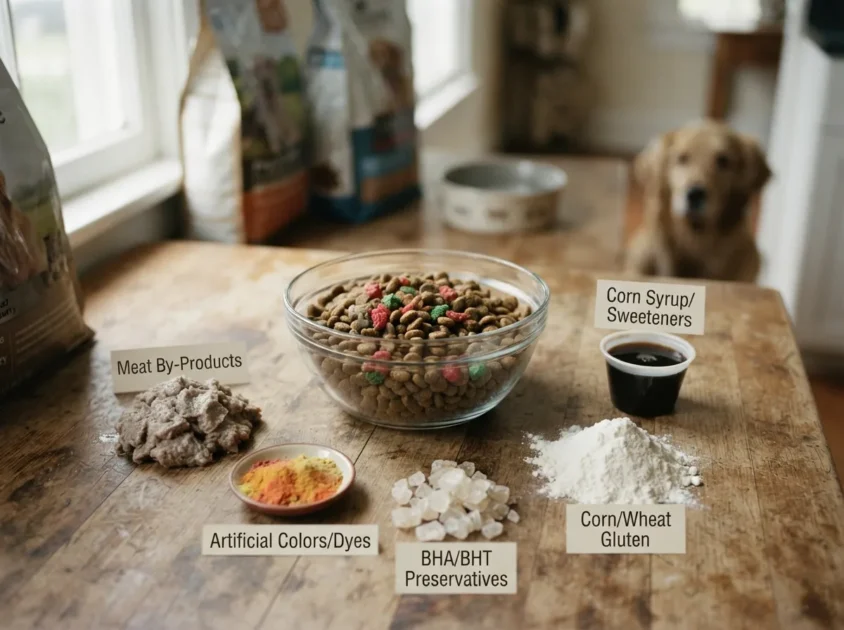
Some ingredients are notorious for causing tummy troubles. If your dog is struggling, try to check the label for common fillers like wheat, soy, or corn. You should also be careful with artificial colors and preservatives, as these can irritate the digestive lining.
Also, keep an eye on fat content. Very fatty or rich foods can be a major trigger for vomiting or loose stools. If you want to learn more about keeping your pet healthy, check out our guide on How to Choose the Right Pet Trainer for Your Pet, because exercise and mental health play a role in physical well-being too.
Making the Switch Safely
Even if you find the perfect food, do not switch overnight. Dogs have sensitive systems, and a sudden change can cause even more upset. Always transition gradually over 7 to 10 days. Mix a little bit of the new food with the old, and slowly increase the new portion while decreasing the old one.
Remember that it takes time to see results. Do not expect magic overnight. It can take 2 to 4 weeks for your dog’s gut to settle down and for you to see the real benefits of the new diet. Be patient and keep track of your dog’s progress. At Clumsy Paw, we believe that simple changes often lead to the happiest pets.

Top Tips for Success
- Keep treats to a minimum. Too many extra snacks can overwhelm a sensitive system.
- Ensure your dog stays hydrated. Fresh water is always important for digestion.
- Avoid table scraps entirely. Human food is often too rich or seasoned for dogs.
- Stick to a routine. Feeding at the same times each day can help keep the digestive system steady.
Frequently Asked Questions
Can I just cook food at home for my dog?
Yes, you can, but it is tricky to get the balance of nutrients right. If you want to try a homemade diet, talk to your vet or a veterinary nutritionist to ensure your dog is getting everything they need.
Are grain-free diets better for sensitive stomachs?
Not necessarily. Many dogs do perfectly fine with grains like rice or oats. Unless your vet specifically suggests a grain-free diet for an allergy, a high-quality food with easy-to-digest grains is often a great choice.
How do I know if the new food is working?
You will likely see firmer stools, less gas, and more energy. Your dog might also seem more excited about mealtime once they stop associating it with feeling sick.
Should I use wet or dry food?
Both can be good. Some owners prefer wet food for sensitive stomachs because it adds extra moisture, which is gentle on digestion. However, high-quality dry kibble is also a very popular and effective option.