


Is your dog scratching all day? Are you tired of seeing them lick their paws until they are raw? It is heartbreaking to watch your best friend feel so uncomfortable. Many dog parents go through this struggle. The good news is that the right and Best Dog Food for Skin Allergies can make a world of difference for your pup.
At Clumsy Paw, we know how much you care about your dog’s happiness. Dealing with skin allergies is not just about finding a random bag of food at the store. It is about understanding what is happening inside your dog’s body.

Is It Really a Food Allergy?
Before you spend money on expensive diets, you should know that true food allergies are not as common as most people think. Many dogs actually suffer from environmental allergies, like pollen or dust mites. If your dog has issues only during certain seasons, it might not be their dinner causing the problem.
However, if your dog has chronic issues, food could be the culprit. True food allergies are usually an immune system reaction to a specific protein. Common triggers include beef, chicken, dairy, eggs, and wheat. If your dog has been eating the same chicken-based food for years, they can still develop an allergy to it. It sounds strange, but it happens.
If you are worried about your dog’s health, it is always a good idea to chat with your vet. You can also look into The Best Training Methods for Puppies to keep your young dog busy and distracted while you figure out their health needs. A calm, well-trained dog is often a happier dog.
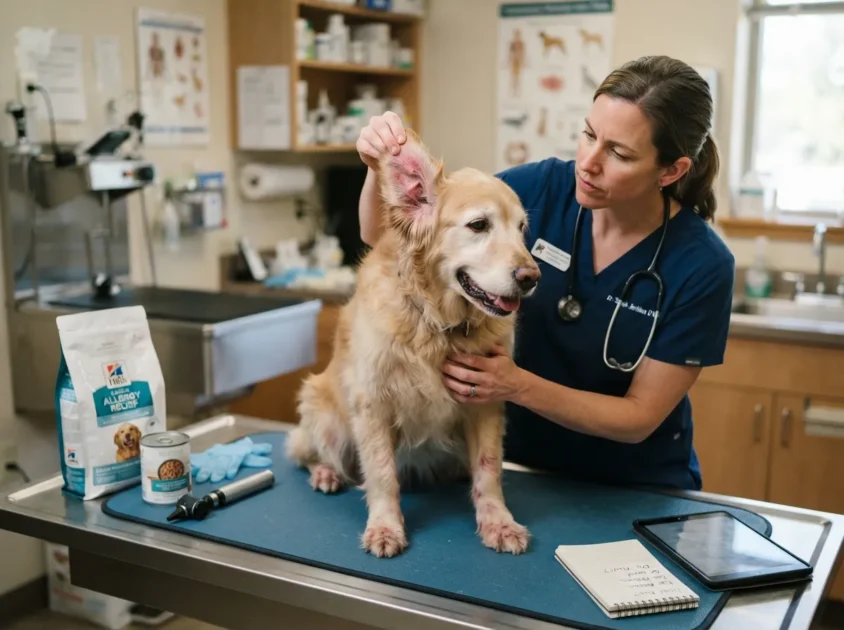
Best Dog Food for Skin Allergies
How to Spot the Signs
How can you tell if food is the issue? Watch for these common signs:
- Constant scratching or biting at the skin.
- Red, irritated, or inflamed skin.
- Recurring ear infections.
- Licking the paws excessively.
- Hair loss or bald patches.
- Digestive issues like loose stools or extra gas.
If you see these signs, please do not just guess. Many people switch brands hoping for a miracle. Instead, you need a plan. Veterinarians usually suggest an elimination diet. This means feeding your dog a very specific, limited diet for 8 to 12 weeks. During this time, they cannot have any other treats or table scraps. It is tough, but it is the only way to know for sure what works.
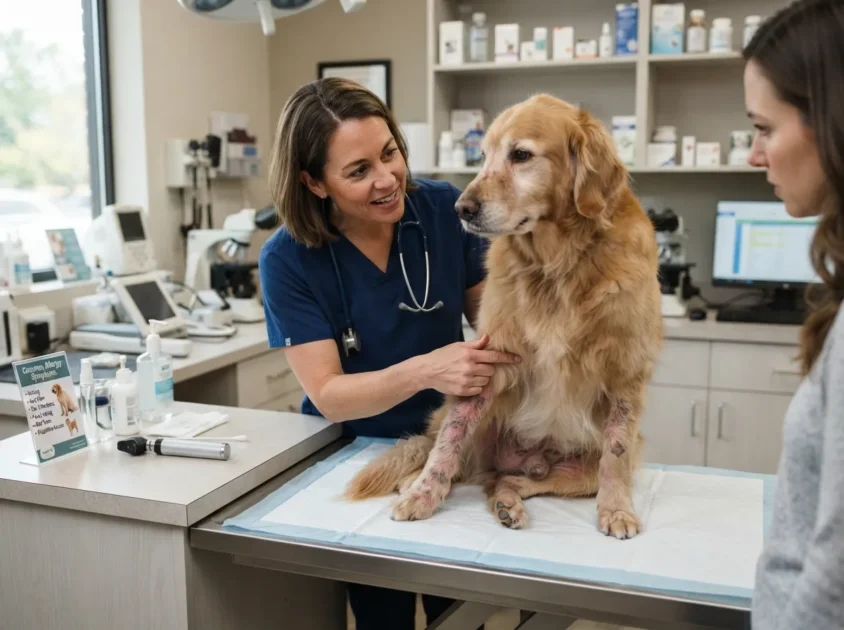
Choosing the Right Food
When you are ready to pick a food, you will see many labels like “hypoallergenic” or “sensitive skin.” Do not get too distracted by marketing. Focus on the ingredient list. For many dogs with allergies, a limited ingredient diet is a great place to start. These diets keep things simple with one protein source and one carbohydrate source.
If your vet suspects a serious allergy, they might recommend a hydrolyzed protein diet. This sounds fancy, but it just means the protein has been broken down into tiny pieces. The immune system does not recognize these pieces as a threat, so the dog does not have an allergic reaction.
Another option is a novel protein diet. This uses a protein your dog has never eaten before, such as rabbit, duck, or venison. Because the dog has never been exposed to it, their body should not have an allergic response.

Tips for Success
Finding the right food is just the first step. Here are a few tips to help your dog feel better:
Be patient. It can take a few weeks for the inflammation in your dog’s skin to calm down. Do not expect changes overnight. Keep a journal of what your dog eats and how their skin looks each day.
Avoid “hidden” ingredients. Check your treat bags too. Many dog treats contain the same allergens found in regular food, like chicken or wheat. If you are doing an elimination trial, treats can ruin your progress.
Keep the environment clean. Since environmental allergies are common, try to keep your home dust-free. Wash your dog’s bedding regularly and consider using a gentle shampoo that does not irritate their skin.
Frequently Asked Questions
Are grain-free diets better for skin allergies?
Not necessarily. Most dogs are allergic to proteins like chicken or beef, not grains. Unless your vet specifically tells you otherwise, grains are usually fine for most dogs.
How long does an elimination diet take?
You should stick to the diet for at least 8 to 12 weeks. Consistency is the most important part. If you feed them something else, you have to start the clock over.
Can I just buy “hypoallergenic” food at the store?
You can try it, but it might not work if your dog is allergic to the specific protein in that bag. It is much better to work with your vet to identify the exact trigger.
What are the most common food allergens for dogs?
The most common culprits are beef, dairy, chicken, wheat, and lamb. These are found in many standard dog foods, which is why they are common triggers.
Should I use blood tests to find allergies?
Most vets do not recommend blood tests for food allergies because they are often inaccurate. An elimination diet is still the gold standard for getting real answers.