
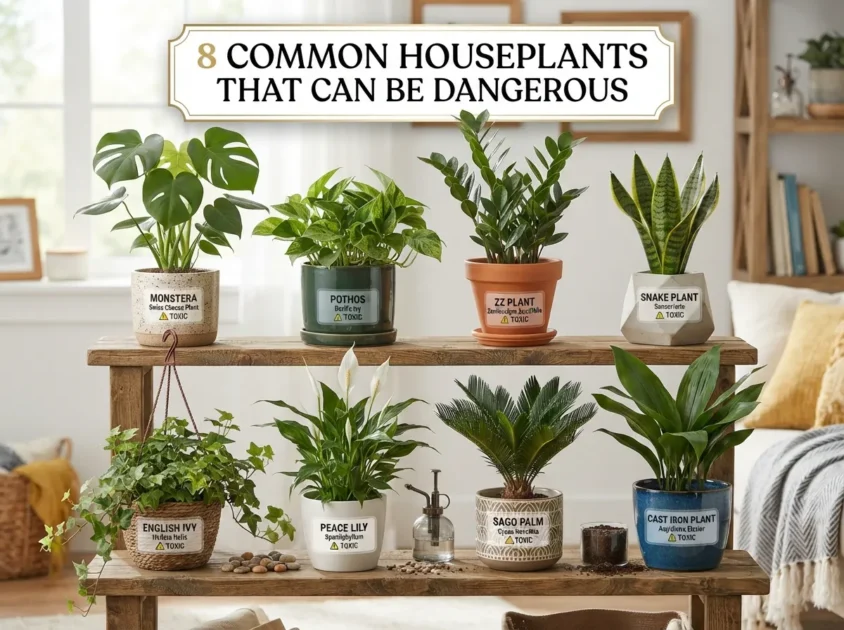

Bringing plants into your home makes everything look better. It adds life to a room and cleans the air. But if you have pets, you need to be very careful. Some popular plants are actually toxic to cats and dogs. As a pet owner, you always want to make sure your home is a safe space for your furry friends so avoid these 8 Common Houseplants That Can Be Dangerous to Dogs and Cats.
I know we all love to share photos of our cute pets online. Maybe you have even seen The Rise of Pet Influencers: A Growing Trend in 2026. People love to show off their pets sitting next to beautiful greenery. However, not every plant you see in those pictures is safe. Before you buy a new plant, you should check if it will hurt your pet.
Here at Clumsy Paw | For Pet Lovers and Pet Enthusiasts, we want to help you keep your pets healthy. It is better to be safe than sorry when it comes to your pet’s health. Here are eight common houseplants that you should keep away from your dogs and cats.
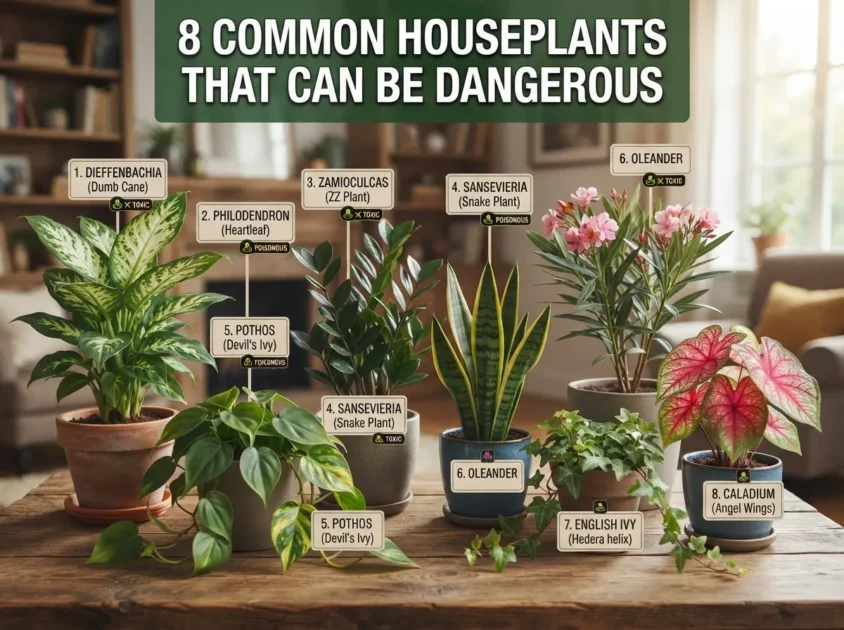
8 Common Houseplants That Can Be Dangerous to Dogs and Cats
1. Lily
Lilies are beautiful, but they are incredibly dangerous for cats. Even a tiny amount can cause kidney failure. If your cat brushes against the pollen and then licks their fur, it can be a big problem. I suggest avoiding these completely if you have a cat in the house.

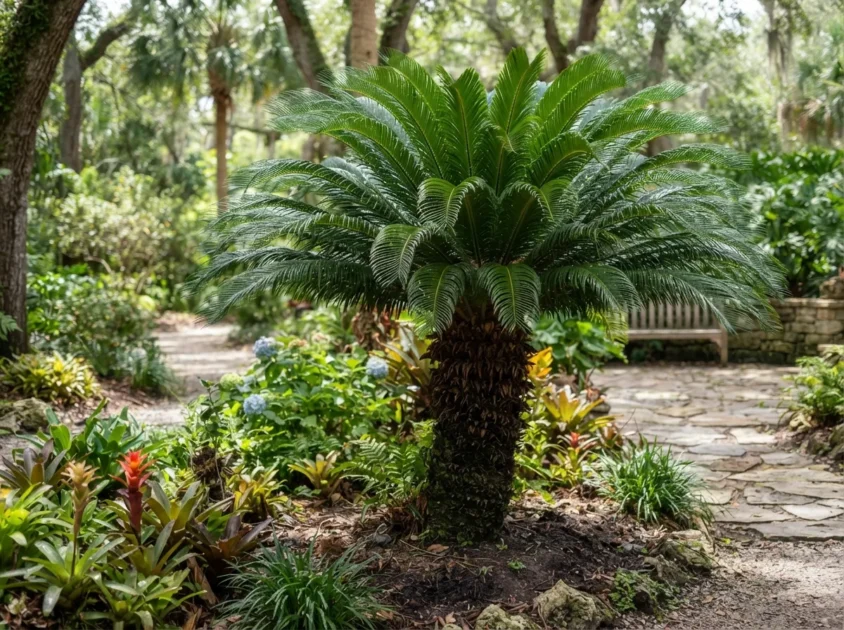
2. Sago Palm
This plant looks very cool and tropical. However, every single part of the Sago Palm is poisonous. It can cause severe vomiting and even liver failure in dogs and cats. It is definitely one to avoid at all costs.
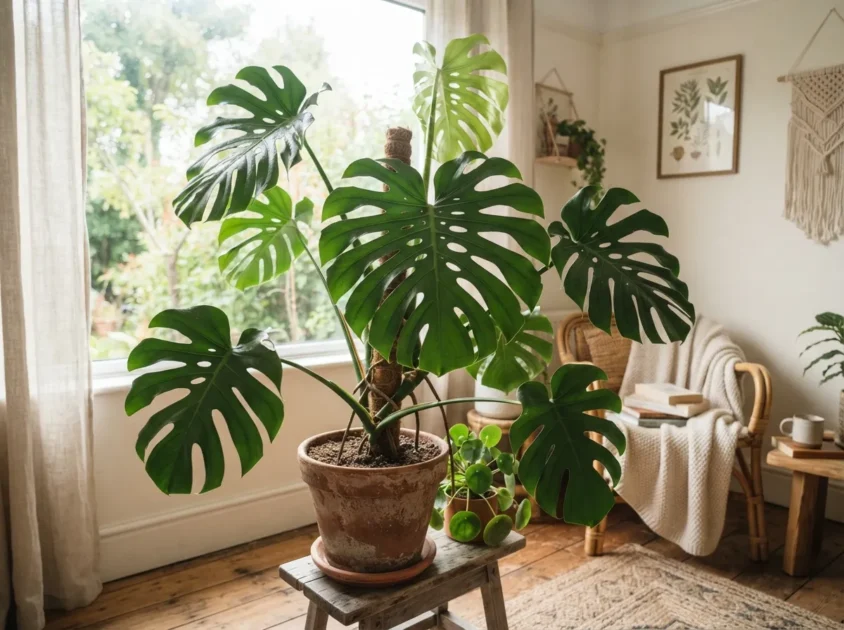
3. Monstera Deliciosa
Many people have this plant because it is trendy. It has big leaves with holes in them. It contains crystals that can irritate the mouth and throat of your pet. If your dog or cat chews on a leaf, they might drool a lot or have trouble swallowing.
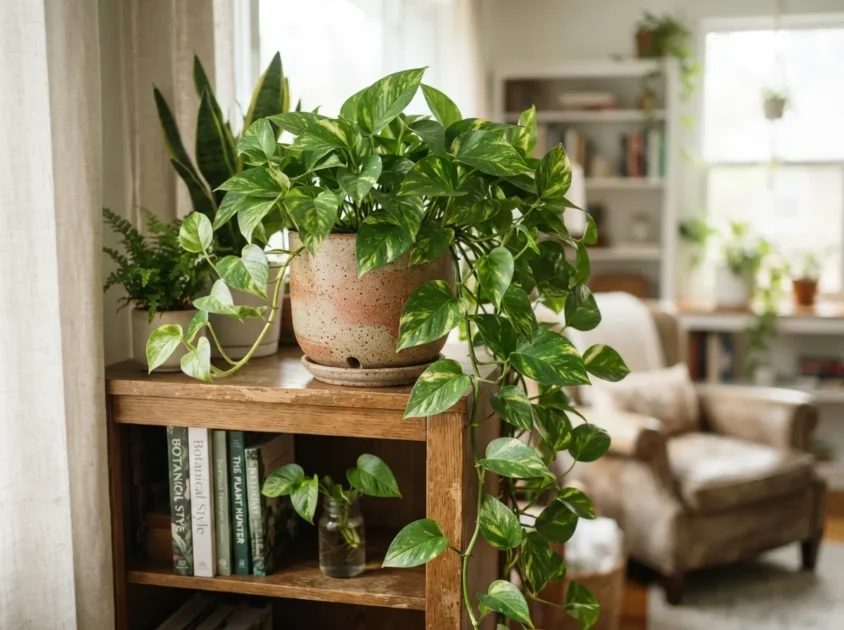
4. Pothos
Pothos is very easy to grow, which is why so many people have it. It is very hard to kill, even if you forget to water it. But if your pet eats it, they might feel sick. It causes burning in the mouth and lots of swelling around the lips and tongue.
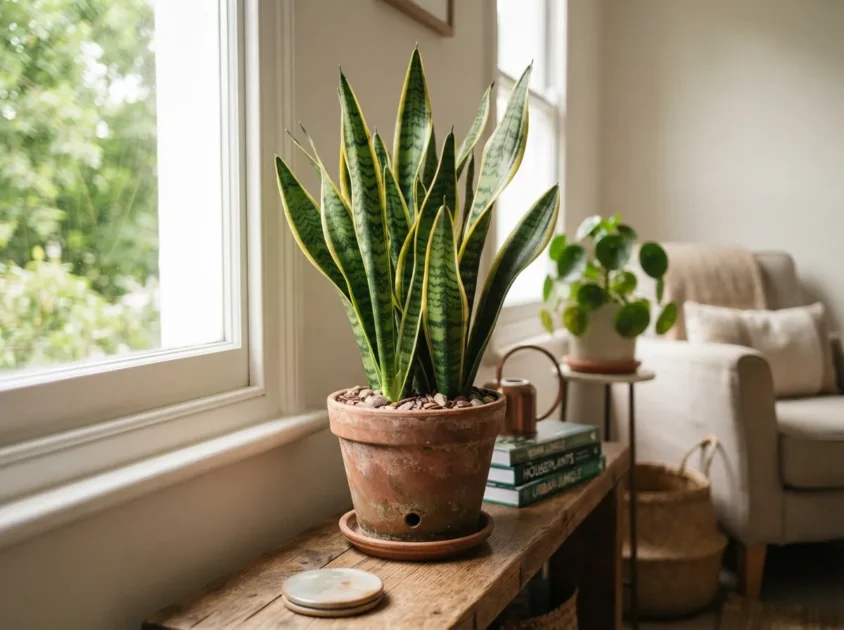
5. Snake Plant
The Snake Plant is another favorite because it is tough. It stands tall and looks great in corners. Sadly, it is toxic to both dogs and cats. Eating it can cause nausea, vomiting, and diarrhea. You should place this on a high shelf where your pet cannot reach it.
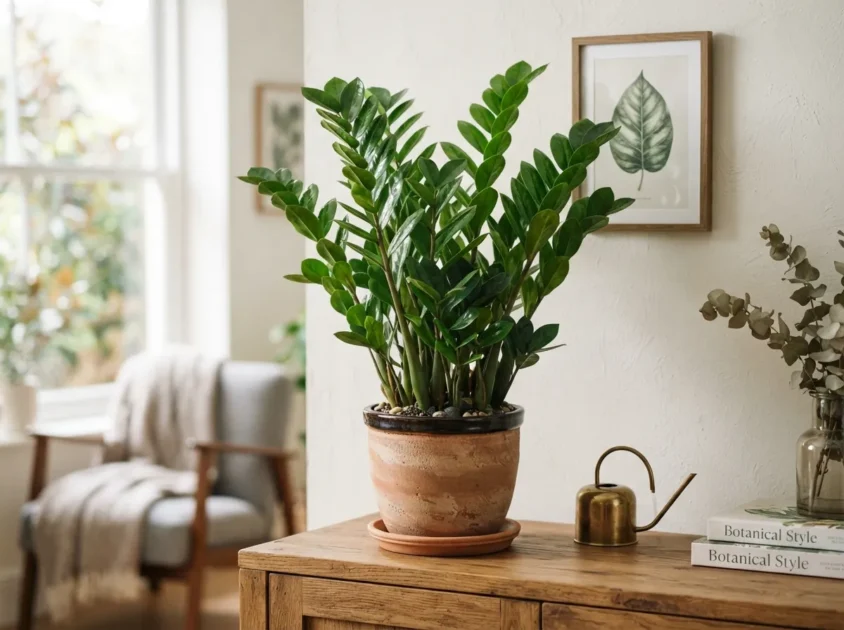
6. ZZ Plant
The ZZ plant is great for low light. It does not need much attention. However, it is toxic to pets. It contains calcium oxalate crystals, similar to the Monstera. If your pet gets curious and takes a bite, expect a very upset stomach.
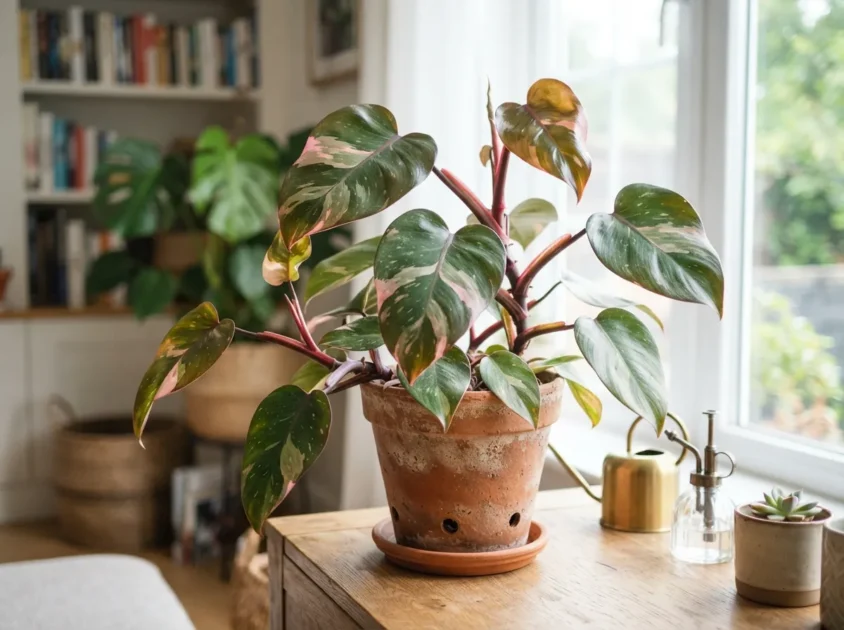
7. Philodendron
Philodendrons are classic houseplants with lovely heart-shaped leaves. They are very common in many homes. Like the Pothos, they can cause mouth irritation and pain if chewed on. Keep these hanging from the ceiling or on very tall shelves away from curious paws.
8. Aloe Vera
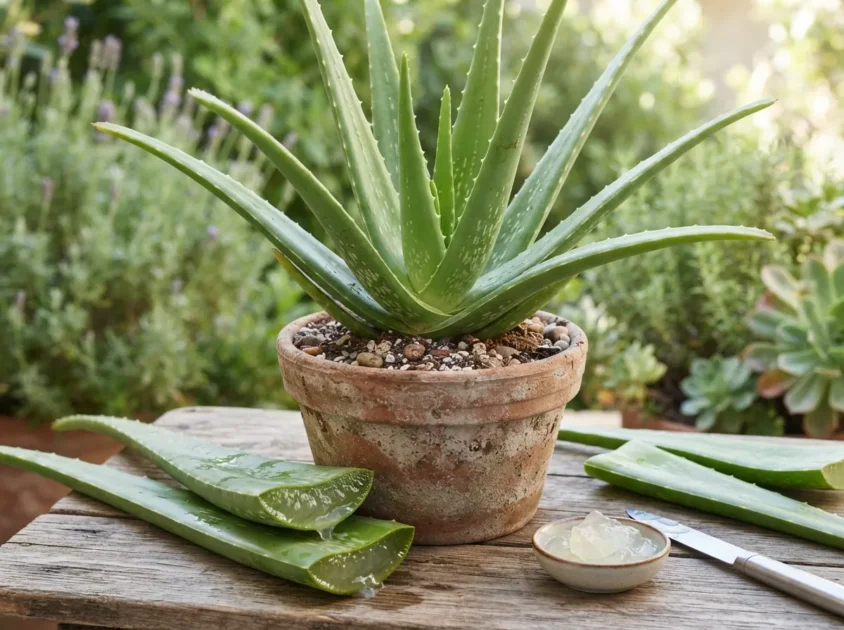
We often think of Aloe Vera as a healing plant for us. It is great for sunburns on human skin. But for pets, it is a different story. If your dog or cat eats the gel inside, it can cause vomiting and lethargy. It is better to keep your Aloe plant in a room where your pets are not allowed.
What Should You Do If Your Pet Eats A Toxic Plant?
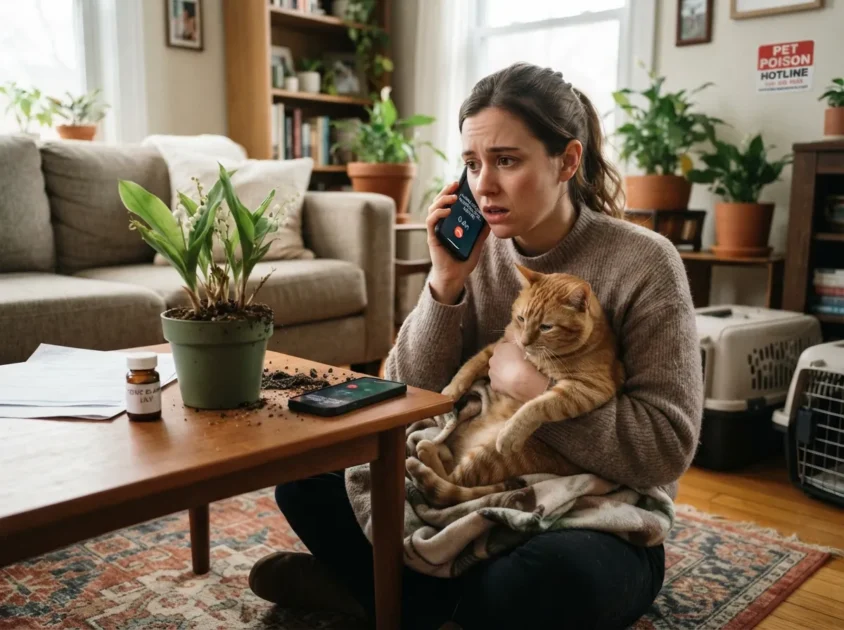
Do not panic, but act quickly. If you think your pet ate a poisonous plant, call your vet right away. You should also try to identify the plant. Take a picture of it so the vet knows exactly what it is. If you can, bring a sample of the plant with you to the clinic.
Signs of poisoning can vary. Some pets might vomit, while others might just seem very tired or act strange. Watch for shaking, trouble breathing, or excessive drooling. It is always better to call the vet early rather than waiting to see if it gets better on its own.
How To Keep Your Home Green And Safe
You do not have to give up on having plants just because you have pets. You just need to be smart about it. First, look for pet-friendly plants like Spider Plants or Boston Ferns. These are safe if your pet takes a little nibble.
Second, use space to your advantage. You can use hanging planters to get plants off the floor. Wall-mounted shelves are also a great way to show off your plants while keeping them out of reach. If you have a cat, remember that they are very good at jumping, so a high shelf might not always be enough.
Finally, educate your guests. Sometimes friends or family bring plants as gifts. Gently let them know that you have pets and that certain plants are not safe for them. Most people will understand and appreciate that you care about your pet’s safety.
Pet health is a top priority for all of us. By being careful about which plants you bring home, you create a better environment for your best friend. A house with plants and a healthy, happy pet is the best way to live. Keep your plants labeled if you can, and always check before you bring a new green friend home.
Frequently Asked Questions
Are all lilies toxic to cats?
Yes, most true lilies are highly toxic to cats. Even the pollen can be dangerous. It is safest to avoid them entirely if you own a cat.
Can I keep toxic plants in a room my pet cannot enter?
Yes, you can. If you have a room where your pet is never allowed, you can keep toxic plants there. Just make sure the door is always closed securely.
What if my dog eats a plant and seems fine?
Sometimes symptoms take a few hours to show up. It is still a good idea to call your vet and describe the plant and how much your dog ate. They can give you the best advice.
Are there any common plants that are safe for pets?
Yes, there are many safe options. Spider plants, Boston ferns, and many types of succulents like Echeveria are generally safe for both dogs and cats.
Where can I check if a plant is safe?
The ASPCA website has a great database of toxic and non-toxic plants. You can search by plant name to see if it is safe for your specific type of pet.