
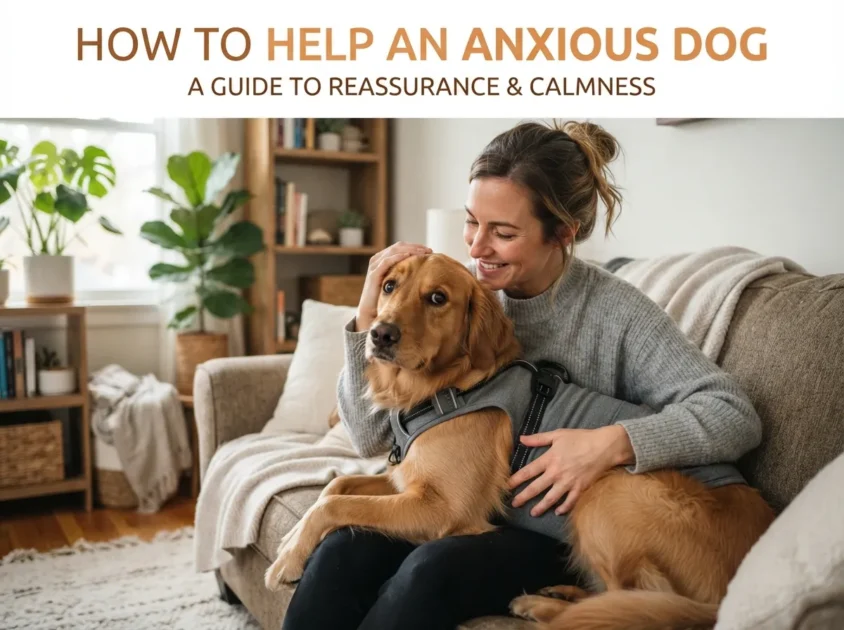

Do you notice your dog acting nervous or scared for no clear reason? You are not alone. Many dogs struggle with anxiety. It can be hard to watch your best friend feel stressed. The good news is that you can learn How to Help an Anxious Dog Feel Calm and Safe. We see more people looking for solutions as The Global Pet Industry Key Stats and Trends You Should Know suggest that pet mental health is a huge priority in 2026.
Anxiety in dogs looks different for every pet. Some dogs pace around the room. Others might whine, bark, or even chew on furniture. You know your dog best. If they act out of character, they might be dealing with fear or worry. Let us look at how you can support your pup at home.
Understanding Why Your Dog Feels Anxious
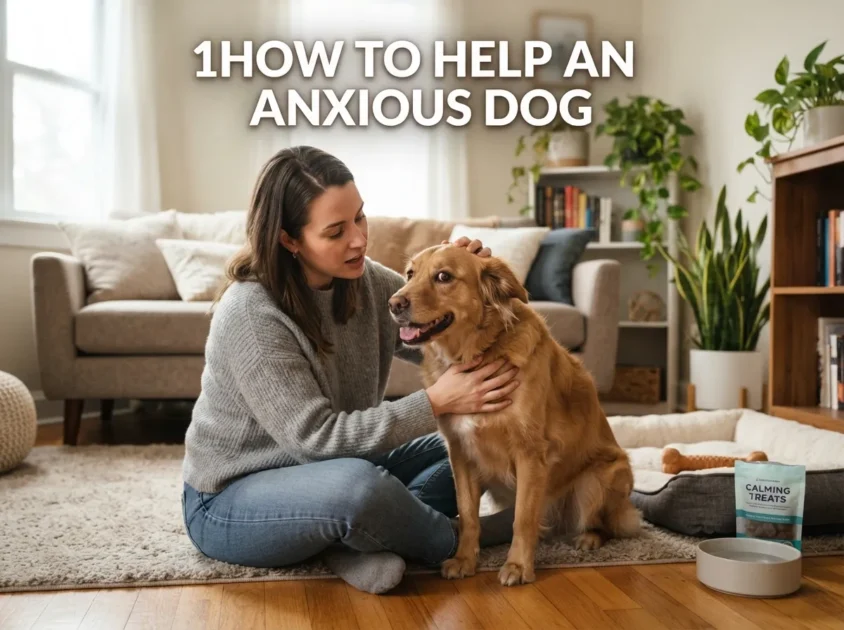
Dogs can get anxious for many reasons. Sometimes it is a change in the house. Maybe you moved to a new place or a new person joined the family. Other dogs have separation anxiety. This means they get very stressed when you leave the house. Even loud noises like thunder or fireworks can trigger a big reaction.
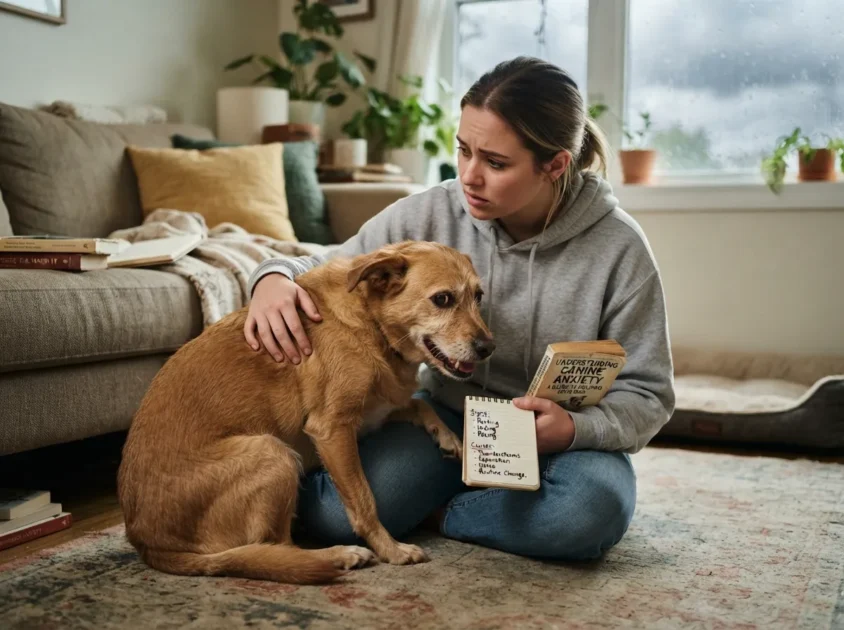
It is helpful to pay attention to when the anxiety happens. Does it start when you grab your keys? Does it happen during bad weather? Keeping a small note of these times can help you spot the pattern. Once you know the trigger, you can find the best way to help. At Clumsy Paw | For Pet Lovers and Pet Enthusiasts, we believe that understanding the cause is the first step toward a happier dog.
How to Help an Anxious Dog Feel Calm and Safe
Creating a Safe Space at Home
Every dog needs a place where they feel totally safe. This could be a crate, a soft bed in a quiet corner, or even a small closet with the door left open. Put their favorite blankets and toys inside. This spot should be their happy place. Never send them there as a punishment. It should only be for rest and comfort.
When the house gets noisy or stressful, encourage your dog to go to their safe space. You can give them a special treat or a puzzle toy to keep them busy. This helps them link their safe spot with good things. If they choose to go there on their own, leave them alone. They need to know that nobody will bother them when they are resting.
Exercise and Play to Reduce Stress
A tired dog is often a calm dog. Physical activity is one of the best ways to burn off nervous energy. A long walk in the morning can make a big difference for the rest of the day. You do not always have to run. Even a slow sniff-filled walk helps your dog feel more relaxed.
Mental exercise is just as important as physical movement. Games like hide and seek or teaching a new trick can tire out their brain. When a dog focuses on a task, they have less time to worry about things that make them anxious. Try to fit in two or three short sessions of play every day.

Natural Ways to Calm Your Dog
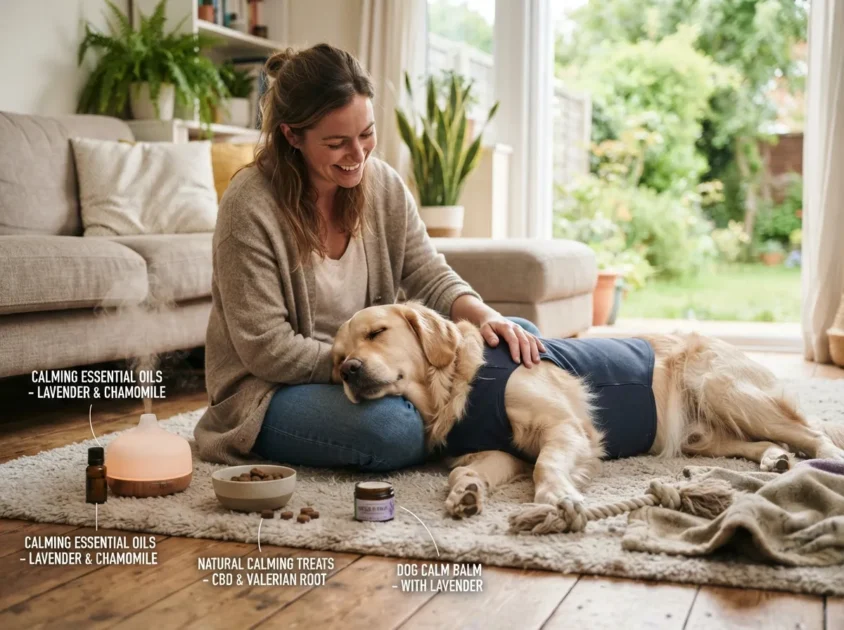
There are many tools you can use to help a stressed pet. Calming vests are popular right now. These vests apply a gentle pressure to the dog’s body. It feels like a hug. Many owners find that these vests help their dogs stay quiet during storms or travel.
You can also look into pheromone diffusers. These gadgets release a scent that mimics a nursing mother dog. It sends a message of safety to your pet. Some people use calming music or white noise machines as well. These sounds can mask scary noises from outside that might set your dog off.
When to Talk to a Professional
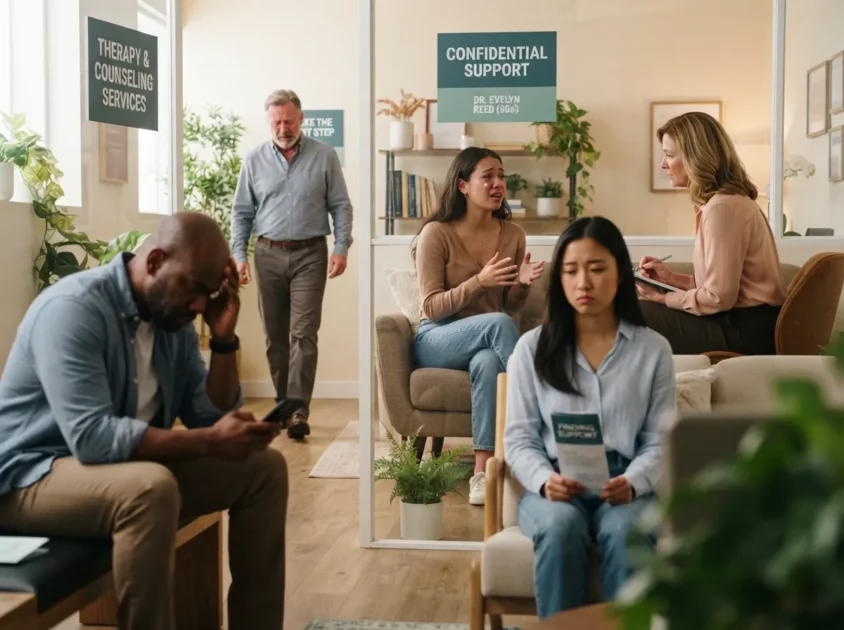
Sometimes, home care is not enough. If your dog is destroying things, hurting themselves, or acting aggressive, you should talk to a vet. There is no shame in asking for help. Your vet might suggest training or even medication to help your dog manage their fear.
A professional trainer can also be a great partner. Look for someone who uses positive reinforcement. This means they reward good behavior instead of punishing the bad. A good trainer will give you a plan that you can practice every day. Remember that your dog is not being bad on purpose. They are just trying to cope with big feelings.
Keeping Your Own Energy Calm
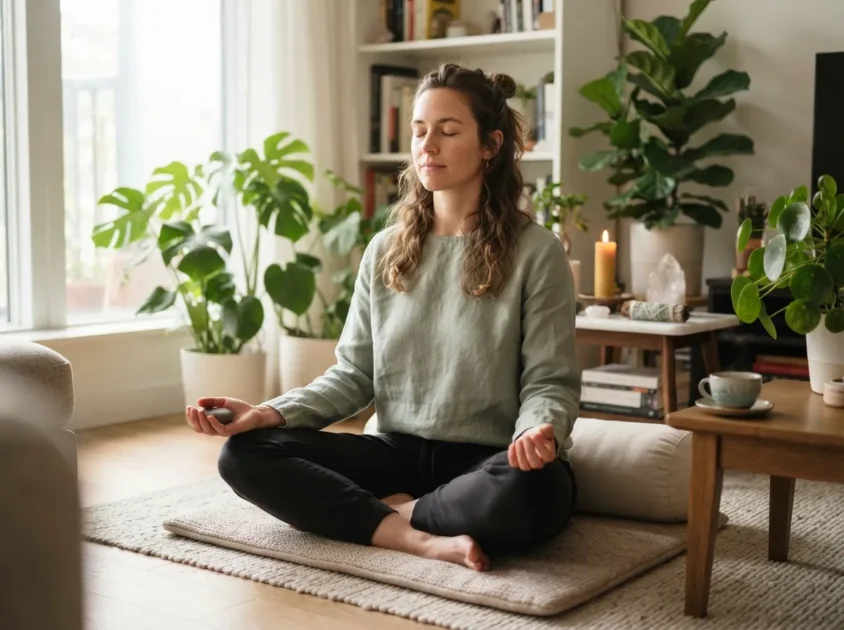
Dogs are very good at reading our emotions. If you feel stressed, your dog will often feel it too. It is easy to get frustrated when your dog is pacing or whining for hours. Try to take a deep breath. Speak in a low and steady voice. Your calm energy acts like a rock for them.
If you feel like you are losing your cool, take a break. Walk into another room and let your dog stay in their safe space. Once you feel calm, go back and sit near them. You do not have to touch them or talk to them. Just your quiet presence can make them feel much safer.
Consistency is the Key
Anxious dogs love routine. They feel better when they know what to expect. Try to feed them at the same time every day. Walk them at the same times too. When the day is predictable, the dog does not have to worry about what is coming next.
If you need to change the routine, try to do it slowly. If you are going back to the office after working from home, start by leaving for just five minutes. Then try ten minutes. By going slow, you show your dog that you always come back. This builds trust over time.
Frequently Asked Questions
Can I cure my dog’s anxiety overnight?
No, anxiety usually takes time to manage. You will not see results in one night. Be patient and consistent with your training. Most dogs show slow improvement over several weeks or months.
Should I comfort my dog when they are anxious?
Yes, but do it calmly. You do not need to baby them or act upset yourself. Pet them gently and speak in a soft, low voice. You want to show them that there is nothing to be afraid of.
Is anxiety common in all dog breeds?
Yes, any dog can have anxiety. Some breeds might be more prone to it than others, but it can happen to any pup. Genetics play a role, but so does your dog’s history and environment.
Are treats helpful for anxious dogs?
Treats are great for rewarding calm behavior. If your dog is in the middle of a panic, they might not want to eat. Use high-value treats like chicken or cheese to help them associate scary things with something delicious.
How do I know if the anxiety is severe?
If your dog is injuring themselves, trying to escape the house, or biting out of fear, it is severe. Please talk to your vet right away. They can help you figure out if medical treatment is needed.