


Bringing a new dog into your home is an exciting time. You want a companion that fits into your life without too much stress. If you are worried about the training process, picking the right breed makes a big difference. 8 Dog Breeds That Are the Easiest to Train.
Training should be a fun experience for both you and your furry friend. When a dog learns commands quickly, it builds a strong bond between the two of you. Whether you are a first time owner or just want a pup that listens well, these eight breeds are known for their intelligence and eagerness to please.

Why Training Matters for Your Dog
Training is not just about teaching tricks like sitting or shaking hands. It is about keeping your dog safe and helping them become a well mannered part of the family. A trained dog is a happy dog because they know exactly what you expect from them.
Good training also helps with social situations. When your dog knows how to walk on a leash and stay calm around new people, you can take them more places. If you are looking for tips on how to keep your pet happy and healthy, you can check out Clumsy Paw | For Pet Lovers and Pet Enthusiasts for more helpful advice.
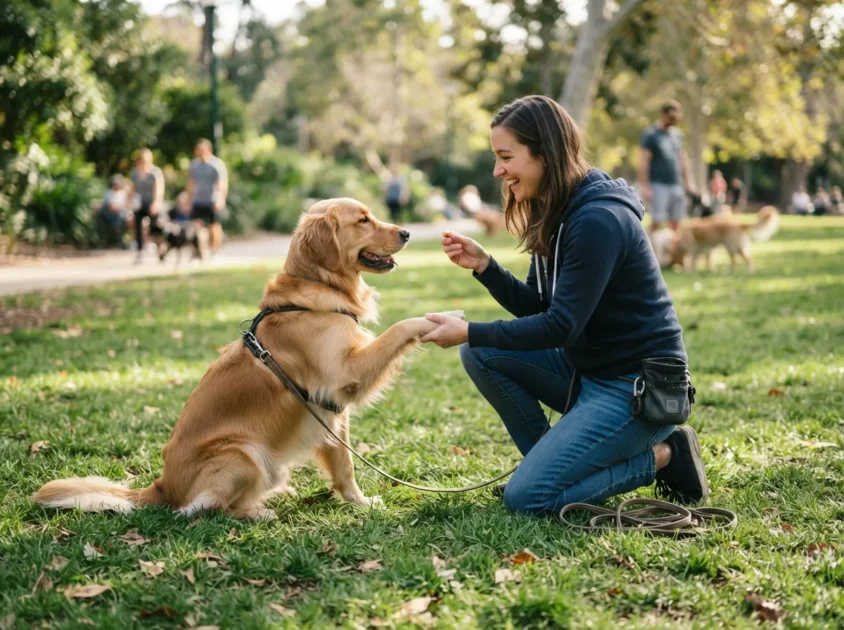
8 Dog Breeds That Are the Easiest to Train
Here are eight dog breeds that often top the list for being easy to train. Keep in mind that every individual dog is different, but these breeds generally have the right attitude for learning.
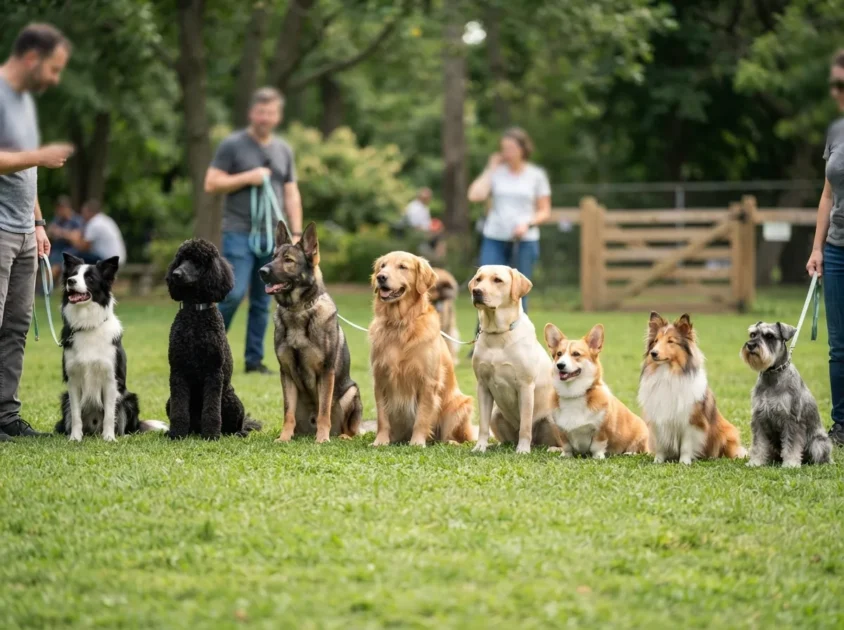
1. Border Collie
Border Collies are famous for being incredibly smart and active. They thrive when they have a job to do and pick up complex tasks faster than almost any other breed.

2. Poodle
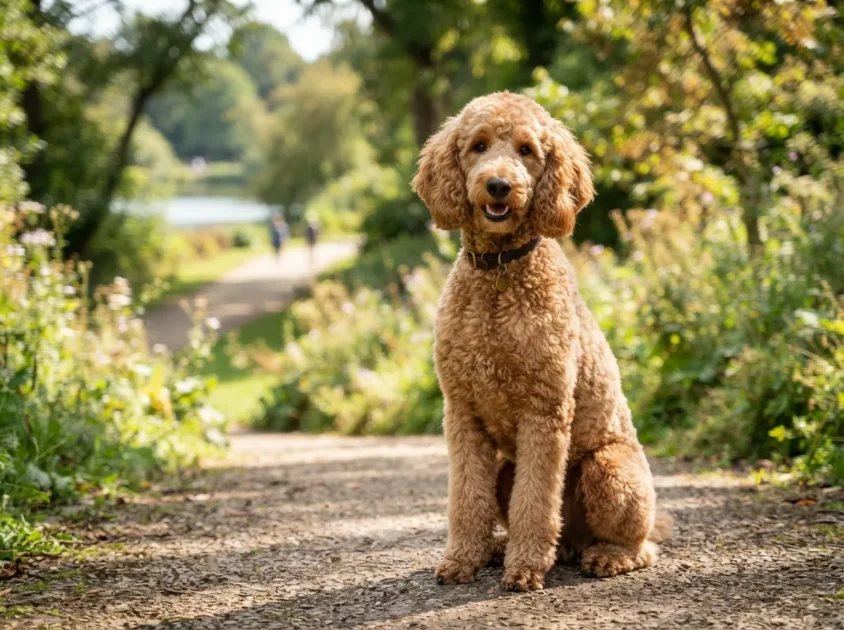
Do not let their fancy haircuts fool you because Poodles are sharp. They are highly intelligent, love to learn, and are very attentive to their owners during training sessions.
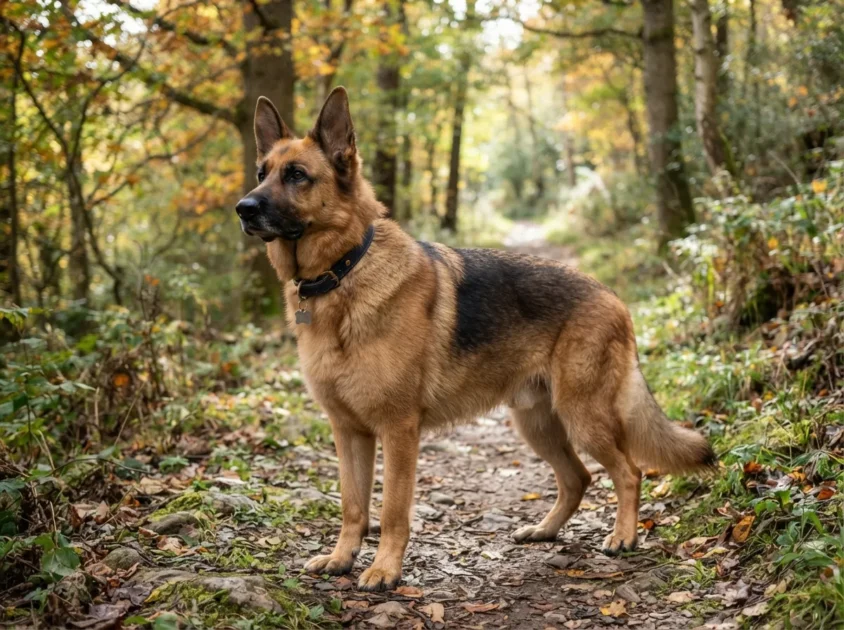
3. German Shepherd
German Shepherds are loyal and very eager to work. They are a top choice for police and service work because they learn commands quickly and stay focused on the task at hand.
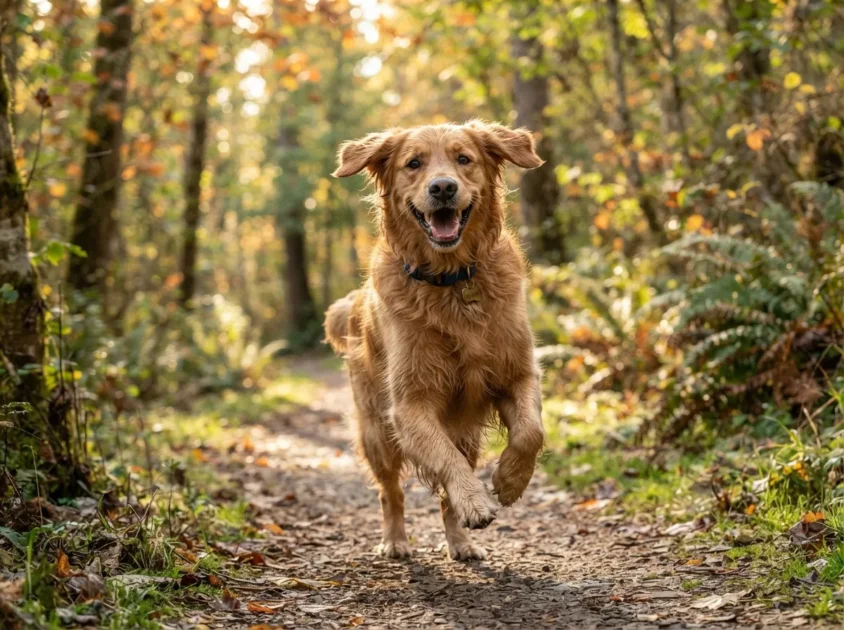
4. Golden Retriever
Golden Retrievers are friendly and want nothing more than to make their humans happy. Their desire to please makes them one of the easiest breeds to motivate with treats and praise.
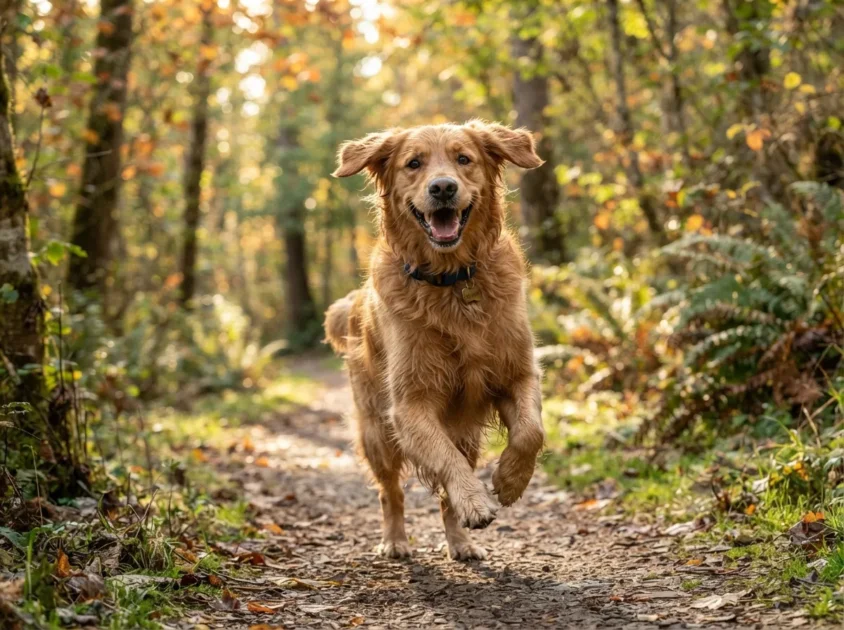
5. Labrador Retriever
Labradors are well known for their patient and playful nature. They are very food motivated, which makes teaching them new habits and tricks a simple process for most owners.
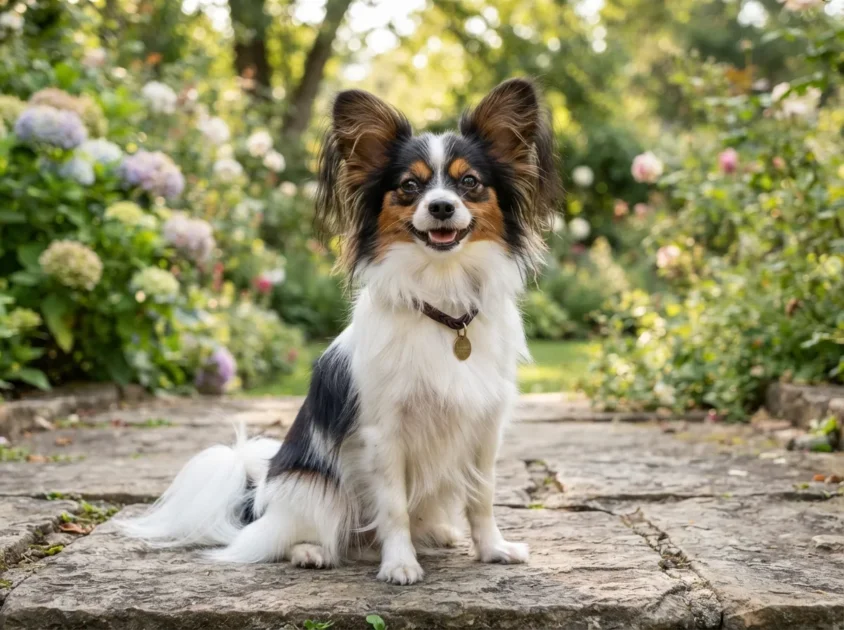
6. Papillon
If you want a smaller dog that is still very smart, the Papillon is a great choice. They are quick learners and excel in obedience trials despite their tiny size.
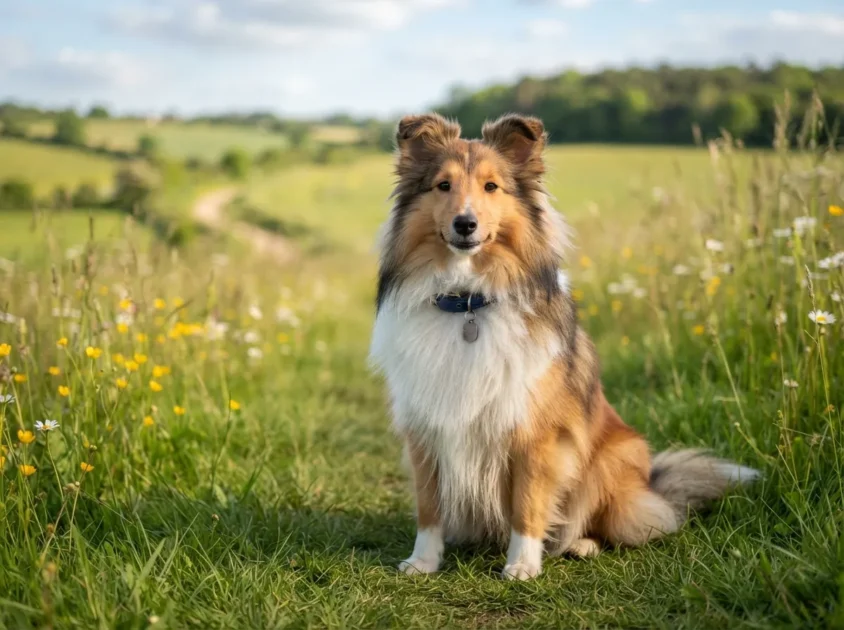
7. Shetland Sheepdog
These little dogs are very sensitive to their owner’s voice and movements. They are bright, quick to pick up new cues, and love to show off what they have learned.
8. Australian Cattle Dog
Australian Cattle Dogs are tough and very smart. They learn fast but they also need plenty of activity to keep them from getting bored, so they are perfect for active owners.

The Right Approach to Training
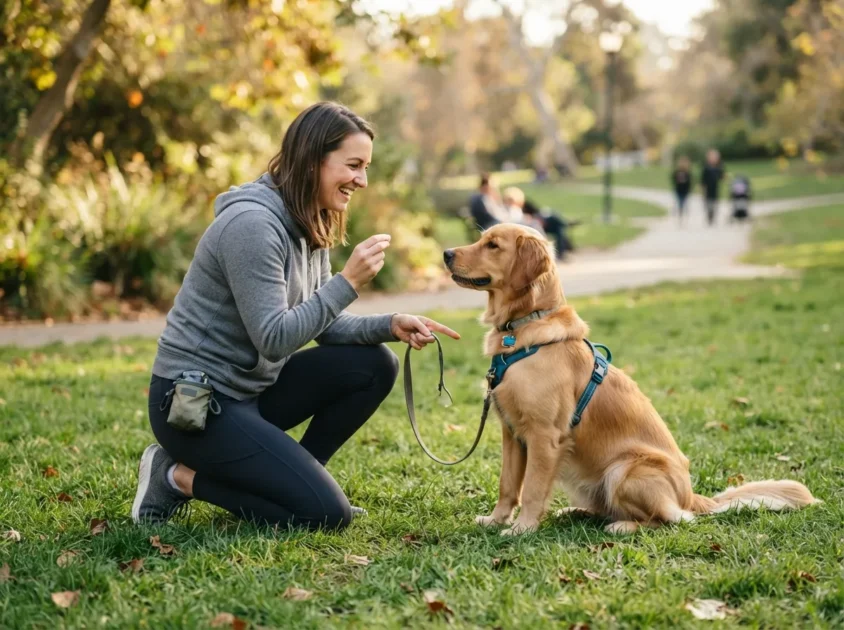
Even the easiest breeds to train will struggle if you are not consistent. Use positive reinforcement like treats, toys, and lots of verbal praise. When your dog does something right, reward them immediately so they connect the action to the good outcome.
Keep your training sessions short and sweet. Most dogs do best with lessons that last about ten to fifteen minutes. If you try to do too much at once, your dog might get tired or frustrated. Always end the session on a positive note with a game or a cuddle.
Remember that your dog’s health plays a big role in how well they learn. A dog that is well fed and healthy will have more energy for training. As we look at how things are changing, How Pet Food Trends Are Shaping the Market in 2026 shows that better nutrition is helping our pets live longer and perform better every single day.
Consistency Is the Key
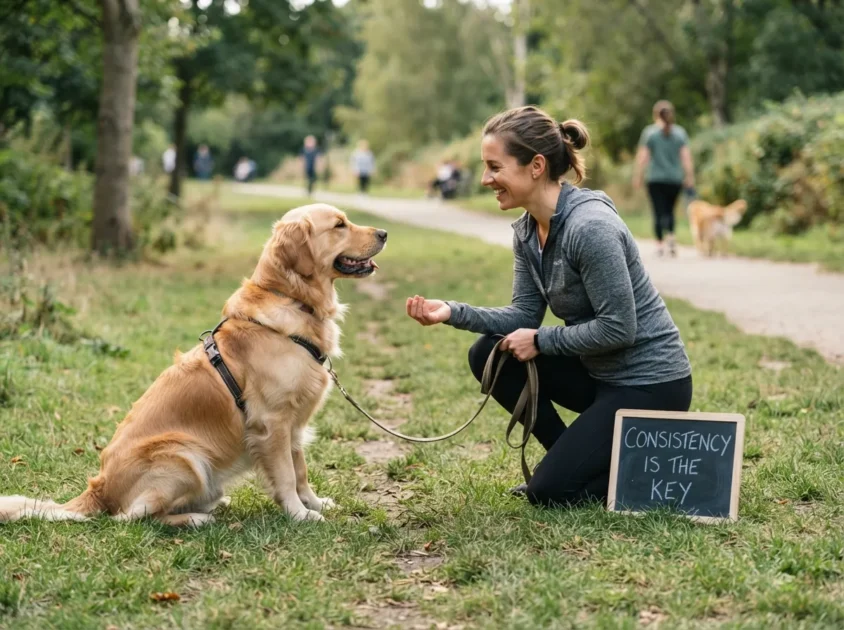
You must be the leader your dog needs. This means using the same words for the same commands every time. If you use “come” one day and “here” the next, your dog will get confused. Choose your words and stick with them.
Also, make sure everyone in your house follows the same rules. If you do not allow the dog on the couch, but someone else in the family does, the dog will not understand the rule. Training is a team effort that involves everyone who lives with the pet.
Managing Expectations
Even if you pick one of the smartest breeds, your dog will have bad days. Sometimes they might seem stubborn or just not interested in learning that day. This is normal behavior for dogs of any breed.
Be patient with your companion. If you get frustrated, your dog will feel it and that will make the training harder. Just take a break, do something else, and try again later when both of you are in a better mood.
Frequently Asked Questions
Are these the only dogs that are easy to train?
Not at all. There are many other breeds and mixed breeds that are very smart and easy to train. These eight are just the ones that consistently rank high for their learning speed and desire to work.
Can an older dog be trained easily?
Yes, the old saying that you cannot teach an old dog new tricks is simply not true. Older dogs have longer attention spans and are often calmer than puppies, which can make training them a very rewarding experience.
What if my dog is not motivated by treats?
Not every dog loves treats. Some dogs prefer to play with a favorite toy or just want lots of love and attention. Find what your dog values the most and use that as a reward during your training sessions.
How often should I train my dog?
Daily training is the best way to see results. You do not need to do long hours. Five to ten minutes of practice, two or three times a day, is much better than one long hour once a week.
Should I hire a professional trainer?
Hiring a professional is a great idea if you feel stuck or if your dog is showing signs of aggressive behavior. A trainer can help you understand your dog better and give you the tools you need to succeed at home.