
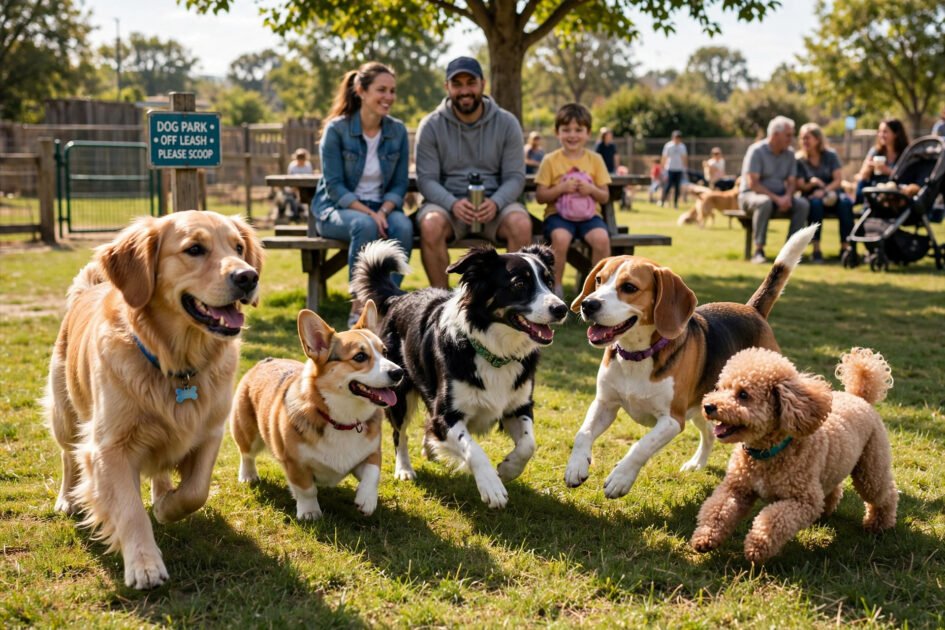

Dog parks are one of the best parts of modern dog ownership. Where else can your pup sprint, wrestle, and sniff to their heart’s content while you swap stories with fellow dog lovers? But here’s the honest truth: most of us are making dog park mistakes without even realizing it. And those small slip-ups can turn a fun outing into a stressful one, or worse, a trip to the vet.
The good news? Every mistake on this list is easy to fix. Let’s walk through the seven most common ones so your next visit is the best one yet.
Mistake #1: Bringing an Unvaccinated or Unwell Dog
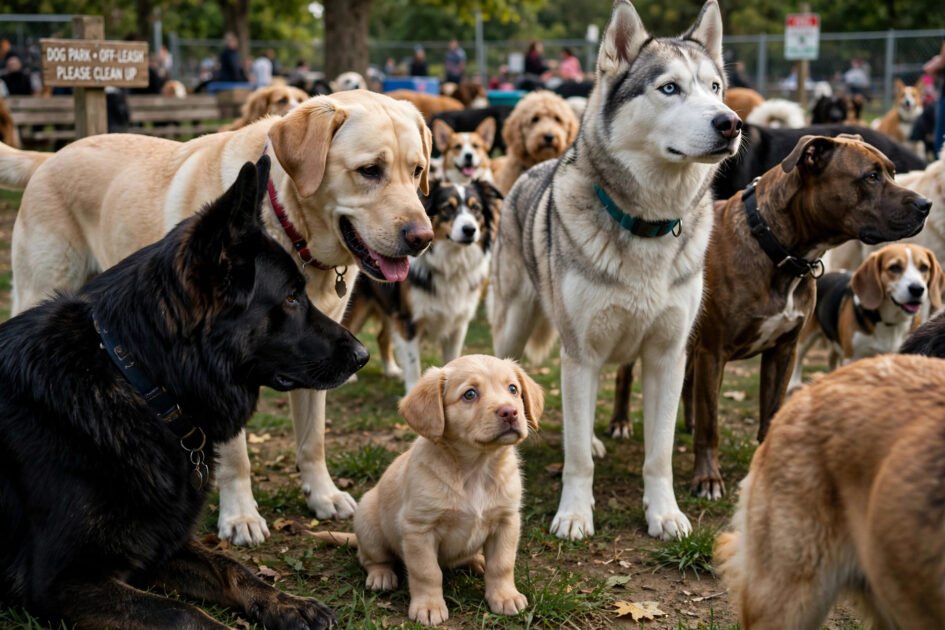
This is the mistake with the highest stakes. Dog parks are germy places by nature, and a puppy who hasn’t finished their vaccinations, or any dog feeling under the weather, is at serious risk. Parvovirus, kennel cough, and canine influenza spread fast in shared spaces.
The fix: Wait until your vet gives the all-clear, usually after the full puppy vaccination series around 16 weeks. And if your dog is coughing, has diarrhea, or just seems “off,” skip the park that day. One missed visit is far better than a sick pup.
Mistake #2: Scrolling Your Phone Instead of Supervising
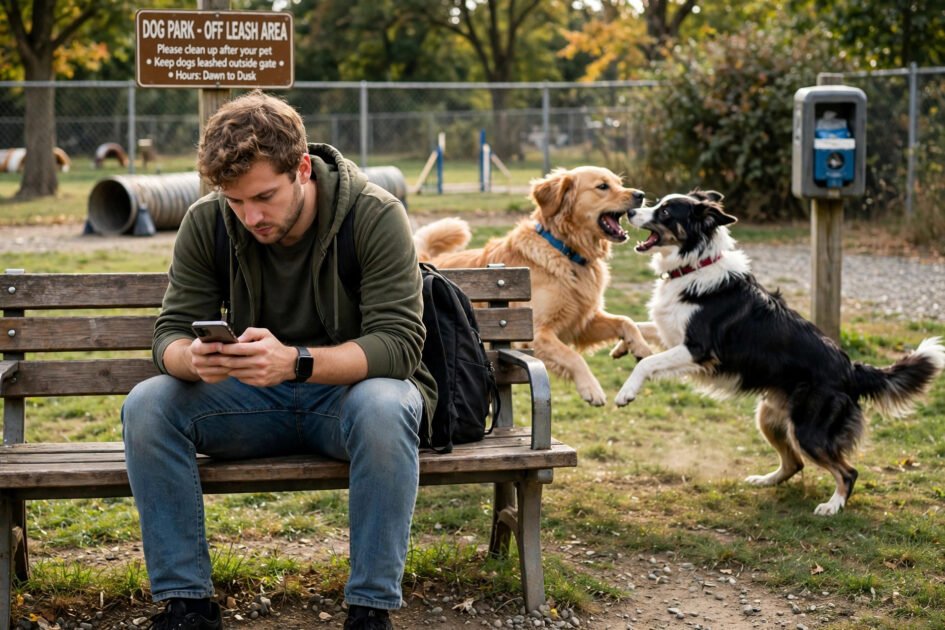
We’ve all done it. You sit on the bench, pull out your phone “for a second,” and suddenly ten minutes have passed. But dog play can escalate in seconds. What looks like roughhousing can tip into bullying or a real fight, and an unwatched dog might eat something dangerous or slip out of a gate.
The fix: Treat the dog park like a playground with toddlers. Keep your eyes on your dog, phone in your pocket. You’ll also learn to read your dog’s body language, which makes you a better owner overall.
Mistake #3: Bringing High-Value Toys and Treats
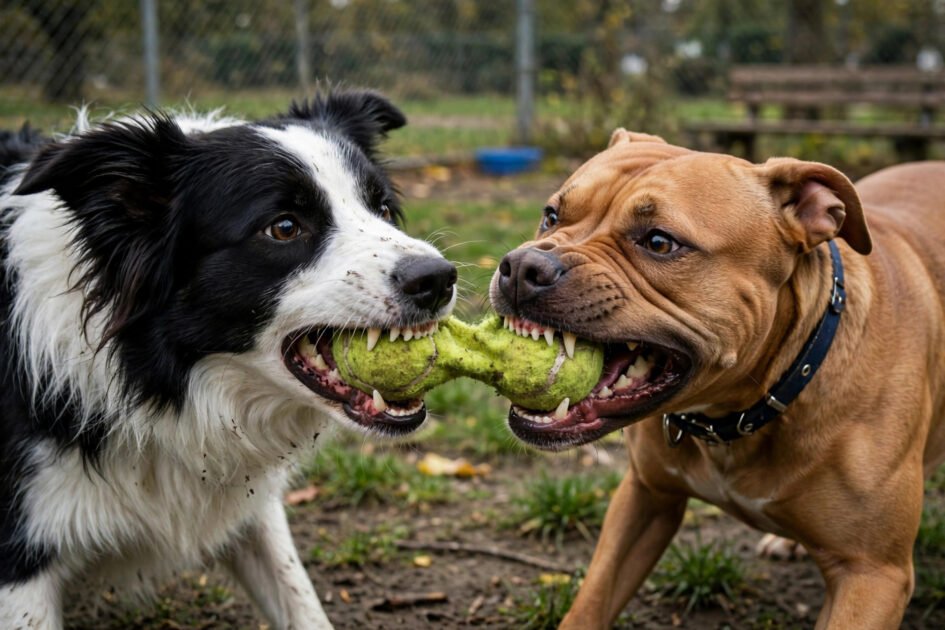
That squeaky toy your dog loves at home? At the park, it becomes a flashpoint. Resource guarding is one of the top triggers for dog park fights. The same goes for handing out treats, which can cause a swarm of strange dogs crowding you, and not every dog takes treats gently.
The fix: Leave toys and treats in the car. If your dog truly needs a toy to have fun, use the park during off-peak hours when it’s nearly empty, and put it away the moment other dogs arrive.
Mistake #4: Letting a Fearful or Reactive Dog Off-Leash
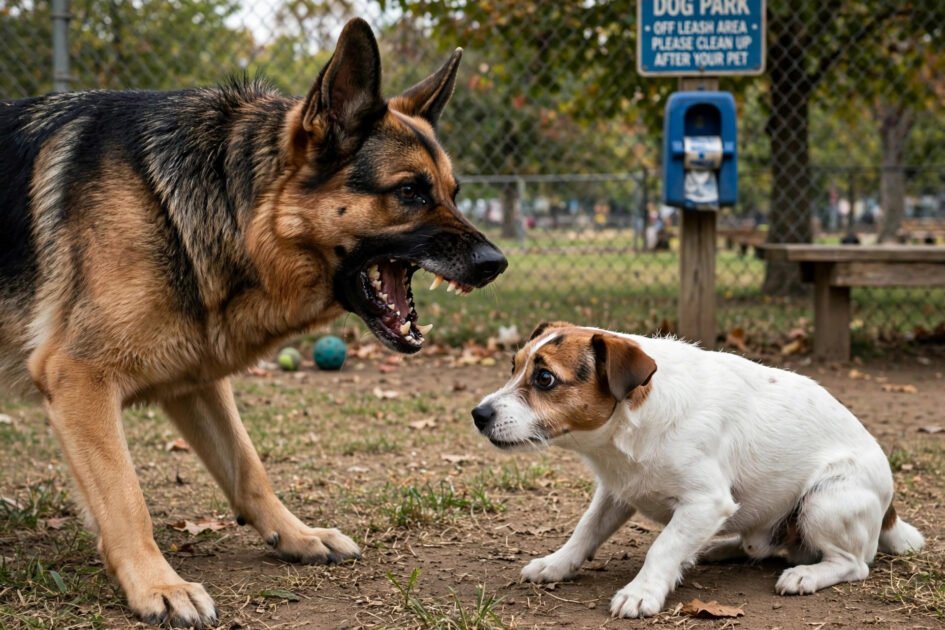
Dog parks are not the place to “socialize” a fearful or reactive dog by flooding them with stimulation. An overwhelmed dog doesn’t learn to relax, they learn to snap. Forcing the issue puts your dog and everyone else’s at risk, and one bad experience can set a nervous dog back months.
The fix: Be honest about where your dog is right now. Reactive or fearful dogs do far better with structured walks, training classes, or one-on-one playdates with a calm, known dog. The park will still be there later.
Mistake #5: Mixing Tiny Dogs With the Big-Dog Crowd
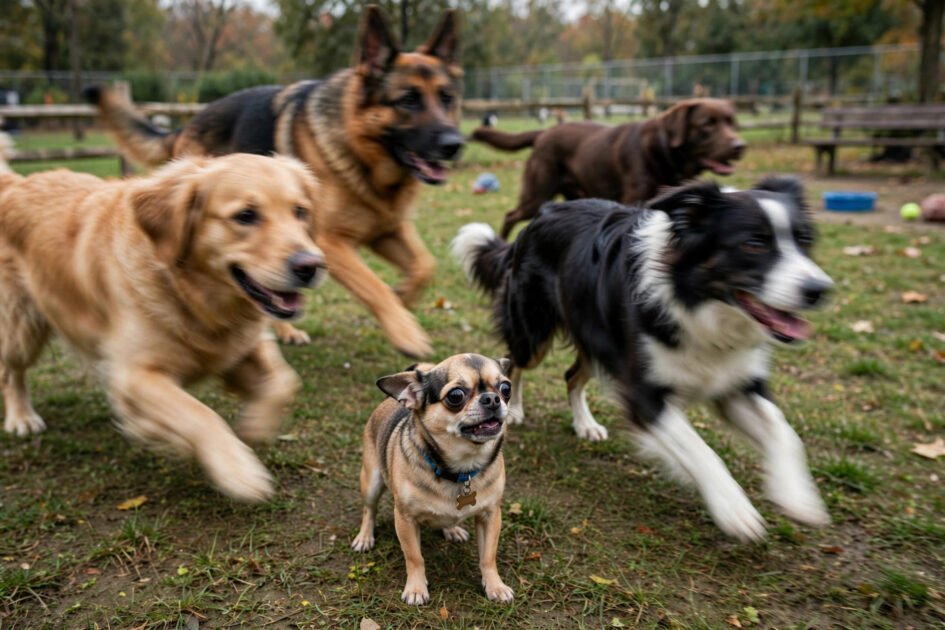
Most parks have separate areas for small and large dogs, and that divide exists for a reason. Even the friendliest big dog can accidentally injure a tiny one during rowdy play. A playful paw-swat from a Labrador can mean a vet visit for a Chihuahua.
The fix: Use the size-appropriate area, every time. If your park doesn’t have one, visit during quiet hours or stick to playdates with similar-sized pups instead.
Mistake #6: Not Cleaning Up After Your Dog
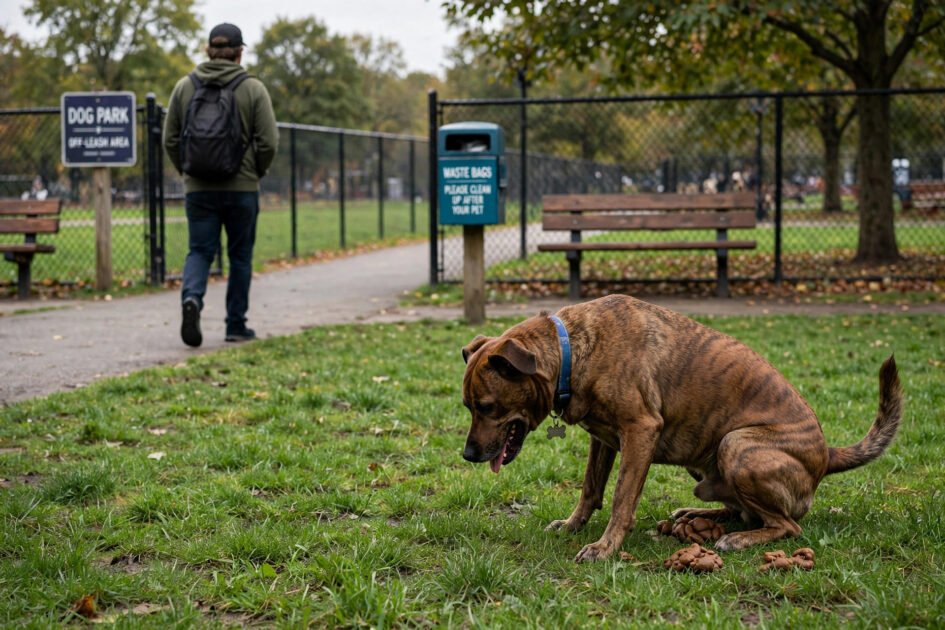
Nobody likes the person who pretends not to see their dog squat. Beyond being gross, leftover waste spreads parasites like giardia and roundworms to every dog that sniffs or steps in it. It also gets parks shut down when neighbors complain.
The fix: Bring more bags than you think you’ll need and pick up immediately, even if it’s not your dog’s. Yes, really. Karma, and cleaner parks, will thank you.
Mistake #7: Staying Way Too Long
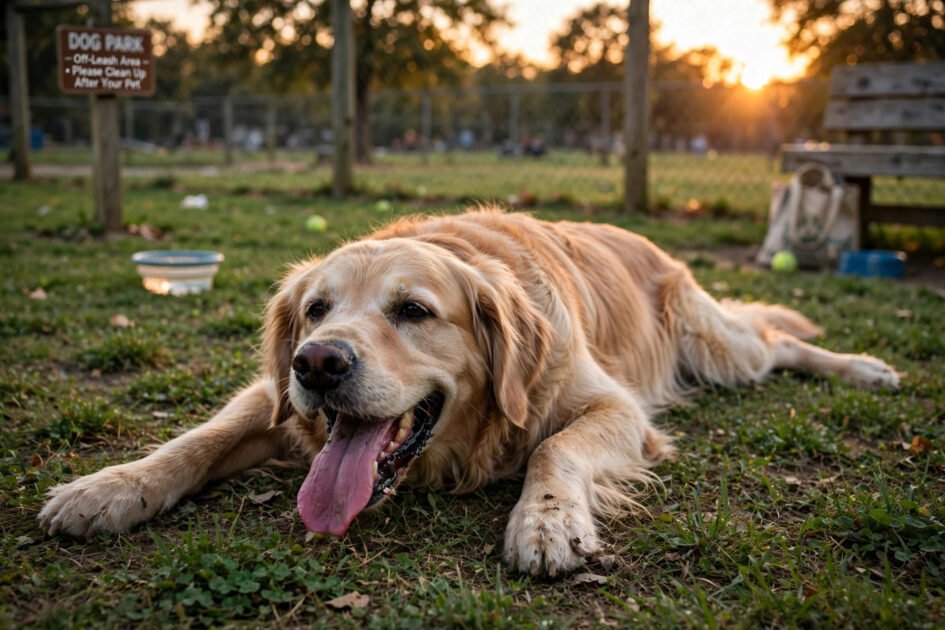
An hour of intense play sounds like great exercise, but overtired dogs get cranky, just like overtired kids. Overstimulation leads to rude behavior, snapping, and injuries. Many park scuffles happen in the last stretch of a too-long visit, when everyone’s patience is gone.
The fix: Aim for 30 to 45 minutes of active play, and leave while things are still going well. Ending on a high note teaches your dog that the park is always fun, which makes the next visit even better.
FAQs About Dog Park Mistakes
At what age can my puppy go to the dog park?
Most vets recommend waiting until your puppy has finished their full vaccination series, usually around 16 weeks. Even then, start with short visits during quiet hours so the experience stays positive.
How long should a dog park visit last?
For most dogs, 30 to 45 minutes of active play is the sweet spot. Watch for signs of tiredness like excessive panting, lying down, or getting cranky with other dogs, and head home before problems start.
What should I bring to the dog park?
The essentials: a leash, water and a portable bowl, and plenty of poop bags. Leave toys and treats at home unless the park is empty, since they can trigger guarding and fights.
What should I do if my dog gets into a fight?
Stay as calm as you can. Never grab a dog by the collar, that’s how hands get bitten. Loud noise like clapping or a sharp “hey!” often breaks it up. If dogs are latched on, the wheelbarrow method (pulling the aggressor away by the back legs) is the safest intervention.
Are dog parks right for every dog?
No, and that’s okay. Some dogs prefer solo adventures, structured walks, or playdates with one familiar friend. A dog who doesn’t enjoy the park isn’t broken, they just have different preferences.
The Bottom Line
Avoiding these dog park mistakes doesn’t require perfection, just a little awareness. Supervise, keep visits short and sweet, respect the size divide, and clean up. Do that, and the dog park goes back to being what it should be: the highlight of your dog’s week.