


The Ultimate Guide to Pet Boarding helps when you are eaving your beloved pet behind while you travel can be stressful, both for you and your furry friend. Whether it’s a family vacation, a business trip, or a weekend getaway, ensuring your pet receives proper care while you’re gone is essential.
In recent years, pet boarding facilities in the United States have evolved far beyond the traditional kennel setup. Today, many offer luxurious amenities, personalized attention, and round-the-clock care. But with so many options available, how do you know which one is right for your pet?
This guide walks you through everything you need to know about choosing the best pet boarding facility — from understanding what services to expect to identifying red flags and ensuring your pet’s comfort and safety.
The Ultimate Guide to Pet Boarding
1. Understanding Pet Boarding
Pet boarding provides a temporary home for your pet when you can’t be there. Facilities range from small, home-based services to large pet hotels with state-of-the-art amenities. Most boarding centers cater to both dogs and cats, though some specialize in certain animals like birds, rabbits, or reptiles.
The main purpose of pet boarding is to ensure your pet is safe, well-fed, exercised, and emotionally cared for while you’re away. Reputable boarding facilities hire trained staff to monitor pets, administer medications if needed, and provide social interaction and stimulation.
Unlike pet sitting (where someone cares for your pet in your home), boarding allows for constant supervision and interaction with other animals and caregivers. It’s especially helpful for pets that enjoy socialization and for owners who want peace of mind knowing their pets are never alone.
how to deal destructive cats at home.

2. The Benefits of Pet Boarding
Choosing professional boarding offers several advantages:
- Safety and Supervision: Boarding facilities are designed for pet safety, equipped with secure enclosures, fences, and trained staff on duty 24/7.
- Routine and Structure: Pets thrive on routine, and boarding centers provide consistent feeding, playtime, and rest schedules.
- Professional Care: Staff are experienced in handling various breeds, behaviors, and medical needs.
- Social Interaction: Many facilities allow pets to play with others under supervision, helping them stay active and socialized.
- Peace of Mind: Knowing your pet is in safe, capable hands lets you focus on your trip without constant worry.
These benefits make boarding an excellent choice for responsible pet owners who value both comfort and care.

3. Types of Pet Boarding Facilities
Not all pet boarding facilities are the same. It’s important to understand your options before choosing one:
Traditional Kennels
These are the most common boarding setups. Pets stay in individual enclosures, with scheduled feeding and exercise times. While basic, many kennels are clean, secure, and professionally managed.
Luxury Pet Hotels
These upscale facilities provide deluxe suites, plush bedding, private TVs, webcams for owners, and even spa services. They’re ideal for pet parents who want a premium experience for their furry friends.
Home-Style Boarding
Some sitters host pets in their homes, offering a cozy, family-like environment. This option suits pets who get anxious in kennels and prefer a homier atmosphere.
Veterinary Boarding
Run by veterinary clinics, these facilities are perfect for pets with medical needs. Trained technicians can administer medications and monitor health closely.
Specialty Boarding
Certain facilities cater to specific animals—like cats-only hotels or exotic pet boarding centers—providing tailored care for unique needs.
Understanding these categories helps you decide which environment best matches your pet’s personality and comfort level.
4. Key Factors to Consider When Choosing a Pet Boarding Facility
When selecting a boarding facility, pay attention to several crucial factors that ensure safety, cleanliness, and comfort for your pet.
Cleanliness and Hygiene
The first thing you’ll notice in a quality facility is cleanliness. The space should smell fresh, not like waste or chemicals. Check that sleeping areas, play zones, and feeding stations are clean and well-maintained. Proper hygiene reduces the risk of illness and keeps pets happy.
Safety and Security
Security measures such as secure fencing, locked gates, and surveillance cameras are essential. Staff should supervise play areas at all times, especially during group activities. Emergency procedures, fire safety equipment, and backup power should also be in place.
Staff Qualifications
Caring for pets requires skill and empathy. Ask about staff training in animal behavior, first aid, and emergency care. A low staff-to-pet ratio ensures each animal gets enough attention and supervision.
Facility Size and Layout
Spacious kennels and separate play areas help reduce stress. Cats, for example, should have quiet, isolated areas away from dogs. Dogs benefit from roomy play yards and indoor exercise zones.
Daily Routine
Ask about the daily schedule—feeding times, walks, play sessions, and rest periods. A structured routine keeps pets calm and engaged, especially if it mirrors what they’re used to at home.
5. Health and Safety Protocols
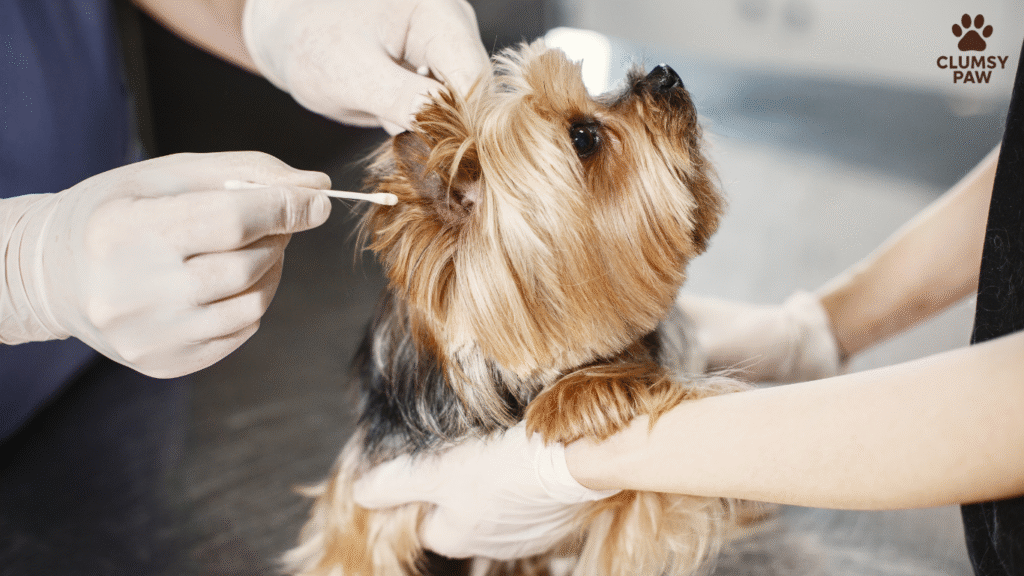
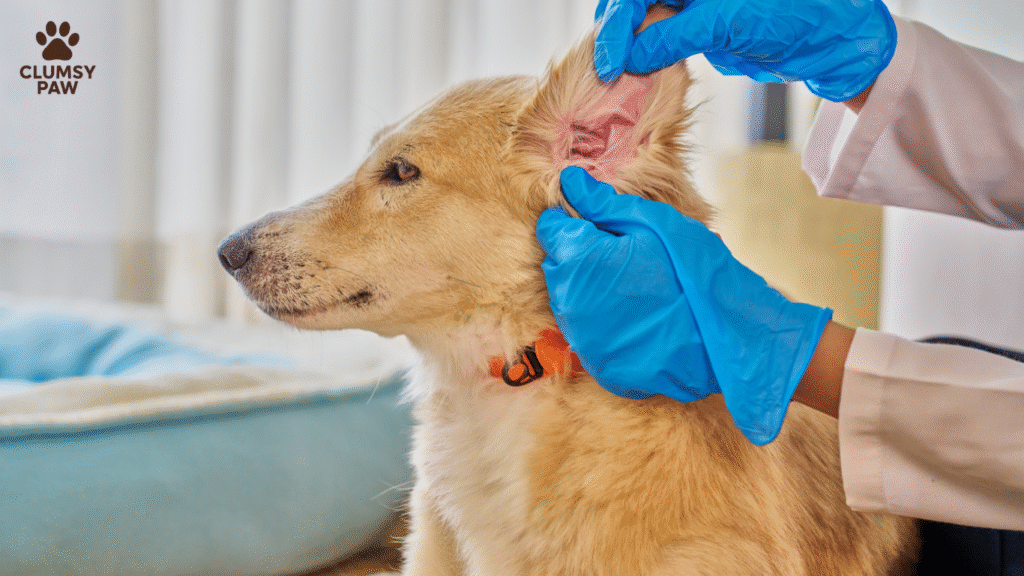
A reputable pet boarding facility prioritizes health and safety above all else. Before accepting pets, most require proof of up-to-date vaccinations, including rabies, distemper, and bordetella (kennel cough) for dogs, and FVRCP for cats. This policy prevents the spread of contagious diseases.
Additionally, ensure that the facility:
- Monitors pets for signs of illness daily
- Separates sick animals immediately
- Has a vet on call for emergencies
- Keeps detailed records of feeding, medications, and behavior
Some centers even have health monitoring systems or cameras for added transparency. Don’t hesitate to ask how they handle emergencies or medical issues—it’s your right as a pet parent to know.
6. Comfort and Amenities
A comfortable environment makes boarding less stressful for pets. Look for clean, well-ventilated spaces with temperature control. The bedding should be cozy, and fresh water must always be available.
Many modern facilities offer extras like:
- Playtime sessions and outdoor walks
- Individual attention and cuddle time
- Music or TV to reduce anxiety
- Grooming and bathing services before pickup
If your pet is shy or nervous, ask about private suites or quieter areas. Comfort goes beyond physical space—it’s also about emotional well-being and familiarity.

7. Socialization and Playtime
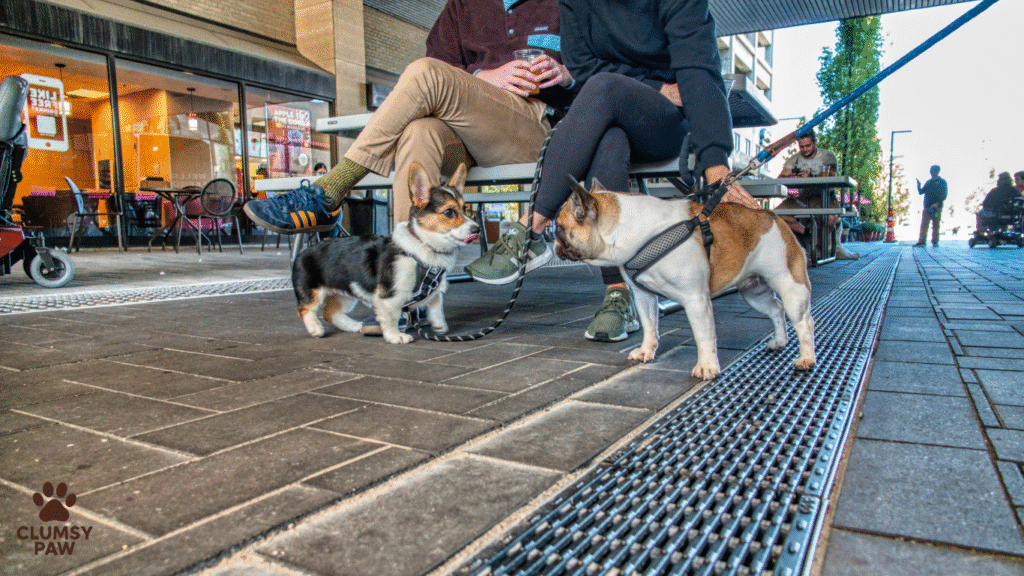
Social interaction is a big part of pet happiness. Quality boarding facilities organize supervised group play or one-on-one time depending on your pet’s personality.
Before enrolling, share details about your pet’s temperament and preferences. If your dog enjoys playing with others, group activities can keep them active and entertained. On the other hand, if your cat prefers solitude, ensure they’ll have peaceful spaces to relax.
Always ask how staff separate pets by size, energy level, and temperament to prevent conflicts.

8. Feeding and Medication Management
Consistency is key to keeping pets healthy while boarding. Inform the staff of your pet’s diet, portion sizes, and feeding times. Bring your pet’s regular food to avoid stomach issues caused by sudden diet changes.
If your pet requires medication, ensure the staff is trained to administer it properly. Provide written instructions and keep everything labeled. Some facilities charge extra for medical care, so clarify this before booking.

9. Communication and Transparency
Good boarding facilities keep you informed while you’re away. Many offer daily updates through text, photos, or webcam access. Regular communication helps you feel connected and reassured about your pet’s well-being.
Transparency is also vital. If something goes wrong—such as a missed meal, minor injury, or behavior issue—the staff should notify you immediately. Trustworthy centers understand that honest communication builds long-term relationships with pet parents.
10. Cost and Value
Pet boarding prices vary widely depending on location, amenities, and services. Basic kennels may charge between $30 and $50 per night, while luxury pet hotels can exceed $100 per night.
When comparing prices, consider what’s included—feeding, playtime, medication, and grooming may have additional fees. The cheapest option isn’t always the best; value lies in quality care, safety, and comfort.
Always ask for a detailed breakdown of costs and policies regarding cancellations or early pickups.

11. Red Flags to Watch Out For
Not every facility meets the highest standards of care. Be alert for warning signs like:
- Strong odors or unclean environments
- Untrained or inattentive staff
- Overcrowded or poorly ventilated spaces
- Lack of vaccination requirements
- Limited supervision or absence of outdoor time
Trust your instincts—if something feels off during a visit, keep looking. Your pet’s well-being should always come first.
12. Preparing Your Pet for Boarding
Preparation makes the transition smoother for both you and your pet. A few simple steps can help:
- Visit Beforehand: Take your pet to the facility for a short visit so they can get familiar with the surroundings.
- Pack Comfort Items: Bring their favorite toy, blanket, or item that smells like home.
- Maintain Routine: Try to keep feeding and exercise schedules consistent before and after boarding.
- Provide Instructions: Give staff clear written details about your pet’s habits, diet, and health needs.
These small efforts help reduce anxiety and make your pet feel more comfortable in your absence.
13. The Check-In Process
When you drop off your pet, the facility will likely review paperwork, confirm vaccination records, and go over feeding or medication instructions. Some centers also perform a quick health check to ensure your pet is fit for boarding.
This process might take a few minutes, so plan extra time before your trip. Keeping the check-in calm and positive helps set the tone for your pet’s stay.
14. During Your Pet’s Stay
Once your pet is settled, try to relax and trust the professionals. Resist the urge to call constantly—though updates are nice, excessive contact can stress you both out.
Instead, enjoy peace of mind knowing your pet is safe, cared for, and socializing in a nurturing environment. Most facilities encourage post-stay feedback, so don’t hesitate to share your thoughts when you pick up your furry friend.
15. Post-Boarding Car
When your pet returns home, they might be a little tired or excited from all the activity. Give them time to rest and re-adjust. Offer extra love, hydration, and reassurance.
It’s also a good idea to monitor their eating habits and energy for a day or two. Minor changes are normal, but if you notice anything unusual, consult your vet.
Reflect on your experience and decide whether you’d use the same facility again. Reliable pet boarding should leave both you and your pet feeling comfortable and cared for.

Conclusion
Choosing the right pet boarding facility takes time and research, but the reward is priceless—knowing your pet is safe, happy, and in good hands while you’re away.
By considering factors like cleanliness, staff qualifications, health standards, and communication, you can find a place that feels like a second home for your furry companion. Whether it’s a cozy home-style setup or a luxury pet hotel, the best facility is one that matches your pet’s needs and your peace of mind.