
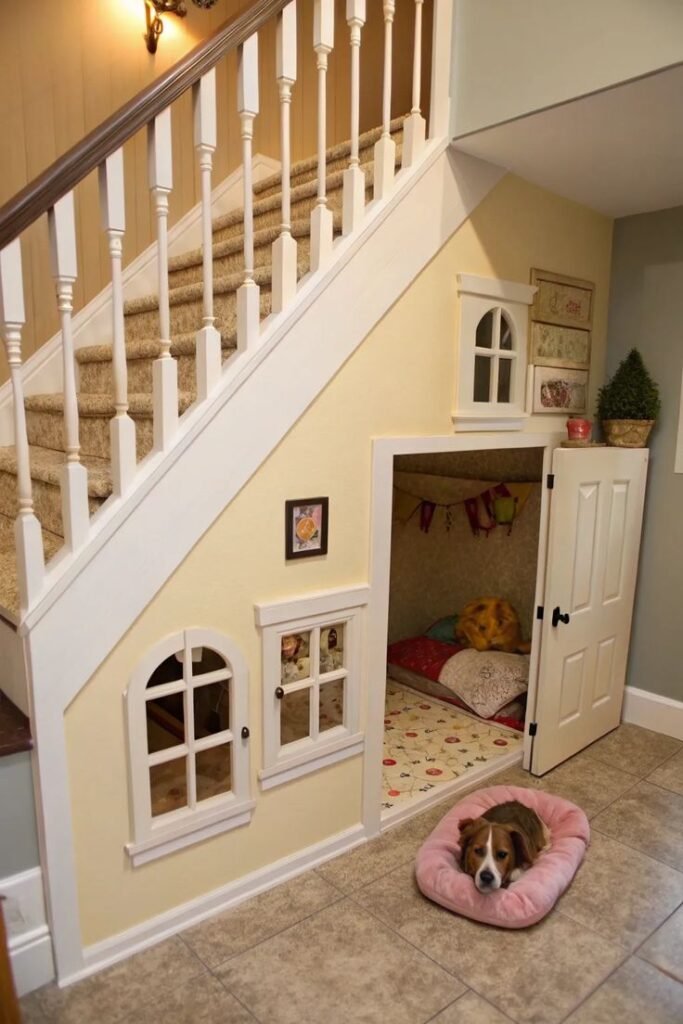

How to Create an Eco Friendly Pet Friendly Home it also enhances the health and happiness of your furry companions. Pets are a beloved part of the family, and the spaces they live in should reflect both sustainability and comfort. Creating an eco-friendly, pet-friendly home is about finding the right balance between environmental responsibility and your pet’s well-being.
Whether you’re redesigning your home or simply making small changes, this guide will walk you through the best ways to make your living space greener and safer for your pets.
How to Create an Eco Friendly Pet Friendly Home
Read the blog carefully for knowing How to Create an Eco Friendly Pet Friendly Home.
1. Why Go Green for Your Pets?
The choices we make at home have a direct impact on our pets’ health and the environment. Many traditional pet products contain harmful chemicals or materials that can affect indoor air quality or end up in landfills. By opting for sustainable alternatives, you reduce waste, lower your carbon footprint, and create a safer habitat for your pets to thrive in.
Eco-friendly living doesn’t mean sacrificing comfort or convenience. In fact, many sustainable options are more durable, cost-effective, and beneficial for pets in the long run. From biodegradable waste bags to non-toxic cleaning products, small changes add up to a big difference.

2. Choosing Sustainable Pet Products
One of the easiest ways to begin building an eco-friendly home is by switching to sustainable pet products.
When shopping for toys, bedding, or grooming tools, look for items made from renewable or recycled materials. Organic cotton, hemp, and bamboo are excellent options because they’re biodegradable and free from synthetic chemicals.
For example, swap plastic food bowls for stainless steel or ceramic ones — they last longer, are easier to clean, and are safer for your pet’s health. Similarly, instead of synthetic pet beds, consider ones made from recycled fibers or organic fabrics.
Eco-conscious pet brands now offer a wide range of sustainable toys made from natural rubber or recycled materials that are safe for chewing and durable enough to last for months.read How to Find Reliable Pet Sitter
3. Sustainable Food and Treat Choices
The pet food industry has a significant environmental impact, from packaging waste to the carbon footprint of meat production. Fortunately, more pet food companies are now offering eco-friendly alternatives.
You can look for brands that use responsibly sourced ingredients, such as sustainably caught fish or free-range poultry. Many also use eco-friendly packaging that’s recyclable or compostable.
Consider buying in bulk to reduce packaging waste, or try making homemade pet treats using organic, locally sourced ingredients. This not only minimizes your pet’s exposure to additives and preservatives but also helps you control portion sizes and nutrition.
If you have a composting system, you can even dispose of certain biodegradable food scraps responsibly, reducing landfill waste.
4. Eco-Friendly Cleaning for Pet Owners
Traditional cleaning products often contain harsh chemicals that can harm both the environment and your pets. Since animals are closer to floors and surfaces, they’re more likely to come into contact with toxic residues.
Switching to natural cleaning solutions is one of the simplest yet most effective eco-friendly changes you can make.
Vinegar, baking soda, and lemon juice can be used to create homemade cleaners that disinfect and deodorize naturally. For example, a mixture of vinegar and water can remove pet odors and stains without harming surfaces or your pets.
Many eco-conscious cleaning brands also offer pet-safe, biodegradable products that effectively tackle fur, odors, and stains while keeping your air clean and toxin-free.
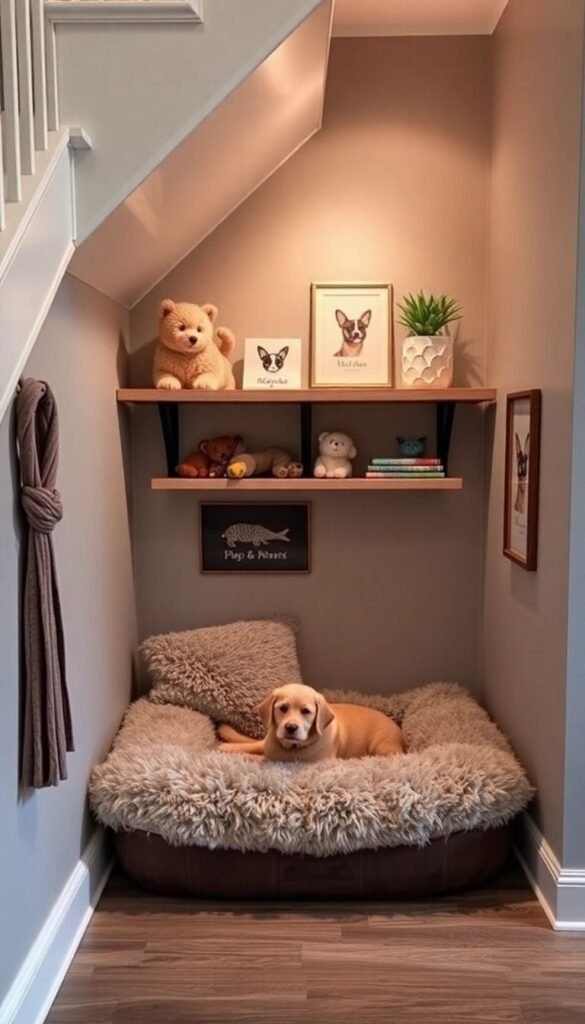
5. Green Living Spaces for Pets
Your pet’s living area — whether it’s a cozy bed corner, litter zone, or outdoor space — should also reflect your sustainability goals.
For cats, opt for litter made from recycled paper, wood, or corn-based materials instead of traditional clay litter, which requires strip mining and doesn’t decompose easily.
If you have dogs, consider creating a designated play area in your backyard with native plants that are safe for pets. Avoid using chemical fertilizers, pesticides, or herbicides — they can harm your pets and contaminate groundwater. Instead, use organic lawn care methods or natural repellents.
Indoor air quality also matters. Choose houseplants that are non-toxic to pets and help purify the air, such as spider plants, Boston ferns, or areca palms. Not only do they look great, but they also improve your indoor environment naturally.
6. Reducing Waste from Pet Supplies
Pet ownership comes with a lot of disposable items — from food packaging to waste bags. But with a little effort, you can significantly cut down on waste.
Start by using compostable poop bags or a pet waste disposal system that turns waste into fertilizer (for non-edible plants). You can also switch to refillable containers for treats and kibble, reducing single-use plastic.
Donate or repurpose old leashes, collars, or toys instead of throwing them away. Some animal shelters gladly accept gently used pet supplies, which helps other animals while reducing landfill waste.
Another great idea is to invest in durable products. A high-quality leash made from recycled materials or a sturdy toy made from natural rubber might cost more upfront but lasts longer — saving you money and reducing waste in the long term.

7. Eco-Friendly Pet Grooming Practices
Grooming is another area where you can make sustainable changes.
Choose pet shampoos and conditioners that are free from sulfates, parabens, and artificial fragrances. Natural ingredients like oatmeal, aloe vera, and coconut oil are gentle on your pet’s skin and biodegradable.
You can also conserve water by using dry shampoo or waterless grooming sprays occasionally, especially between baths.
Opt for grooming tools made from bamboo or recycled materials instead of plastic. And instead of using disposable wipes, consider reusable, washable grooming cloths.
These small grooming swaps can significantly reduce waste and chemical exposure for your pet — while still keeping them fresh and clean.
8. Energy Efficiency and Pet Comfort
Making your home energy efficient benefits everyone — including your pets.
Keep your home at a comfortable temperature without overusing heating or air conditioning. Energy-efficient windows, good insulation, and smart thermostats can help maintain a stable indoor climate.
When it comes to lighting, choose LED bulbs — they last longer and use far less electricity. If your pets spend a lot of time near windows, open curtains during the day to let in natural light and warmth.
For aquariums or pet habitats that require heating or lighting, choose energy-efficient equipment and timers to minimize energy waste.
You can even create cozy spots near sunny windows so your pets can enjoy warmth naturally, reducing the need for electric heating.
9. Eco-Conscious Pet Travel and Transportation
Whether you’re taking your dog for a walk or planning a weekend getaway with your cat, travel choices can also reflect your eco-friendly values.
Walking or biking with your pet instead of driving for short trips helps reduce carbon emissions while keeping both of you active.
If you must travel by car, use a fuel-efficient vehicle and plan your routes to minimize unnecessary trips. Pack reusable water bottles, bowls, and eco-friendly waste bags to reduce single-use plastics.
When boarding or hiring pet sitters, choose services that align with eco-conscious practices, such as reducing plastic use or supporting local pet shelters.
10. DIY Projects for Sustainable Pet Living
You don’t have to buy everything — you can also make some of your pet’s essentials yourself. DIY projects like homemade toys, beds, and treats are fun, budget-friendly, and eco-conscious. For instance, you can turn an old sweatshirt into a cozy pet bed, or make toys using knotted fabric scraps and old socks.
Even creating homemade treats with oats, pumpkin, or peanut butter allows you to skip excess packaging and avoid preservatives. These creative solutions reduce waste while giving your pet personalized care and comfort.

11. Teaching Your Family and Community
Building an eco-friendly, pet-friendly home also means setting an example for others.
Educate family members — especially kids — about responsible pet ownership and sustainable habits. Encourage your neighbors to use green pet care methods and share resources, like community composting or eco-friendly grooming tips.
You can even organize local pet clean-up events or eco-friendly pet fairs to promote sustainability within your community.
When everyone participates, small individual efforts grow into a collective movement for a greener, healthier environment for pets and people alike.
12. The Long-Term Benefits of Sustainable Pet Living
An eco-friendly home doesn’t just benefit your pet today — it builds a healthier future. Sustainable living improves indoor air quality, reduces chemical exposure, and lowers energy bills. Your pets enjoy cleaner environments, safer play areas, and more natural products.
Plus, you’ll have peace of mind knowing you’re doing your part to protect the planet while keeping your furry friends happy and safe.
Transitioning to an eco-friendly, pet-friendly lifestyle is a journey. Start small, stay consistent, and celebrate every step toward sustainability.
Conclusion
Creating an eco-friendly, pet-friendly home is a rewarding way to care for both your pets and the planet. Every conscious decision — from the products you buy to the cleaning methods you use — helps make your home safer, healthier, and more sustainable. By embracing green living, you’re giving your pets the best possible environment while contributing to a cleaner, kinder world for all creatures.