
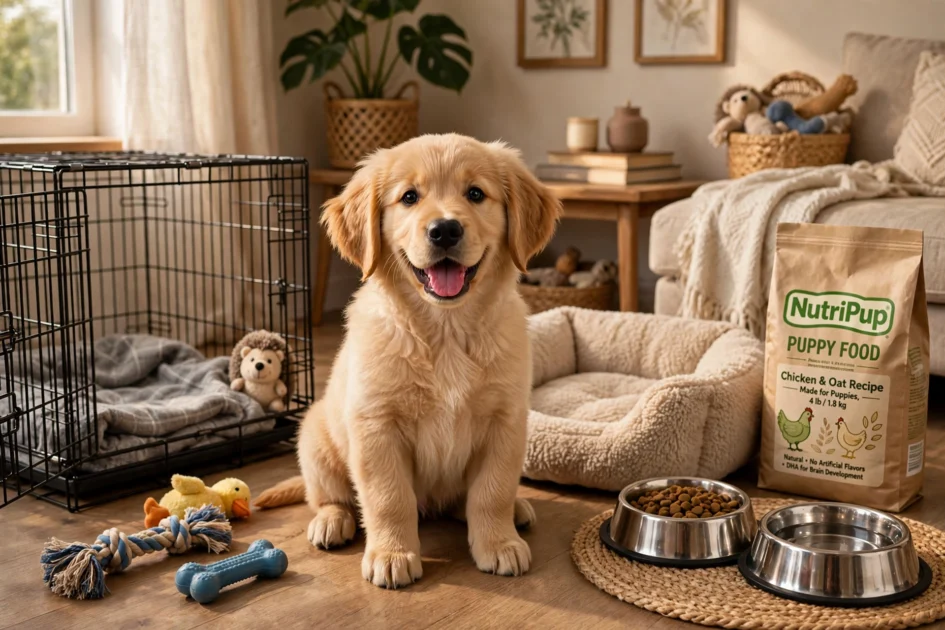

Things to Buy Before Bringing Home a Puppy is one of the happiest moments of your life — and one of the busiest. Between the first-day jitters, the tiny teeth, and the boundless energy, you don’t want to be sprinting to the pet store the same afternoon your new family member arrives.
The secret to a smooth first week is preparation. Having the right supplies ready before your puppy walks through the door sets up a safe routine from minute one, and it takes a huge amount of stress off both you and your new pup.
This checklist covers the 15 essentials every new puppy parent should buy first. Work through it one item at a time, and by the time your puppy arrives, your home will be fully ready.
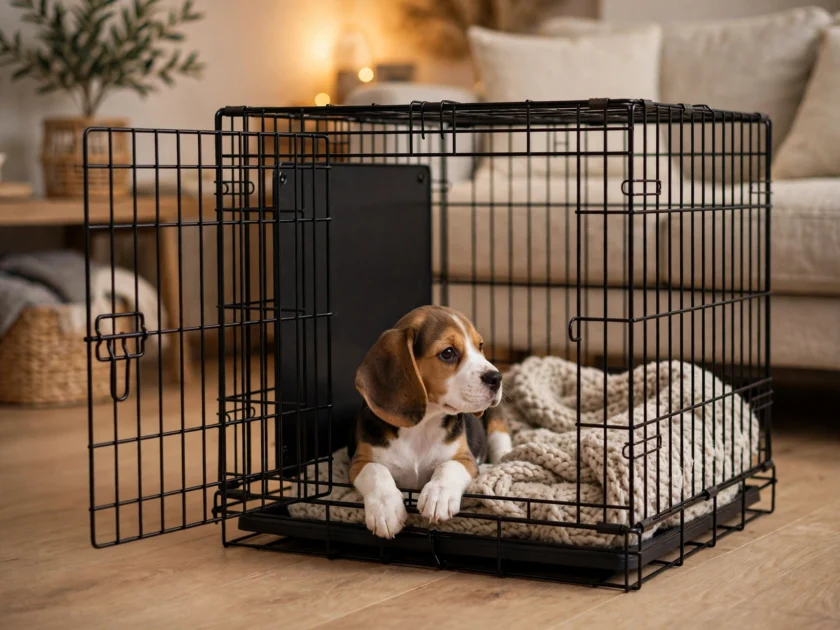
1. Crate
Things to Buy Before Bringing Home a Puppy A crate is your puppy’s safe den — it makes housetraining faster and gives them a cozy place to rest. Choose one sized for your breed’s adult weight and make sure it comes with a divider panel, so the space can grow with your puppy.
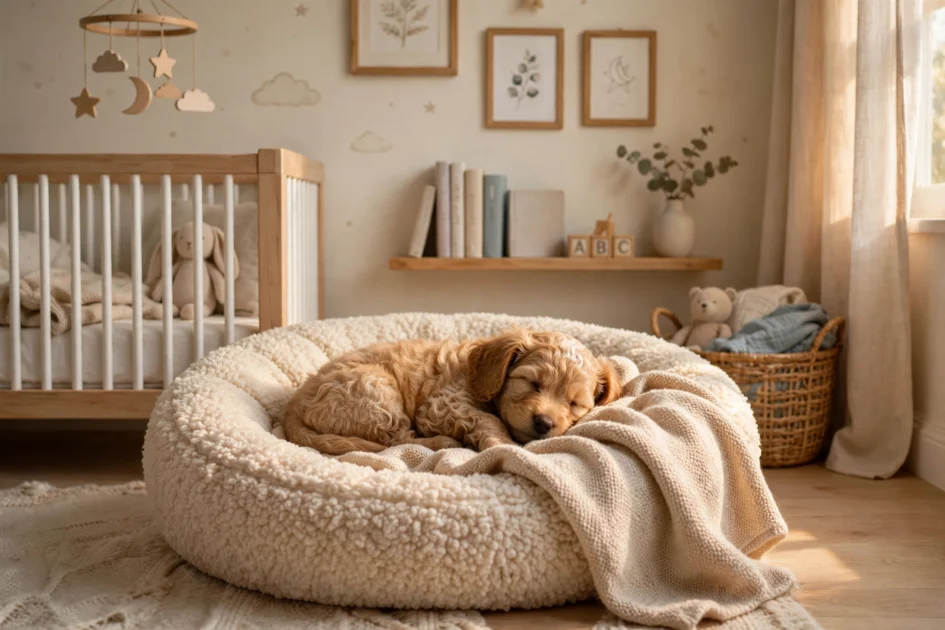
2. Dog Bed
Place a soft, washable dog bed inside the crate or in your puppy’s designated corner. Look for a bed with a removable cover you can throw in the washing machine — accidents happen in the early weeks, and easy cleanup is everything.
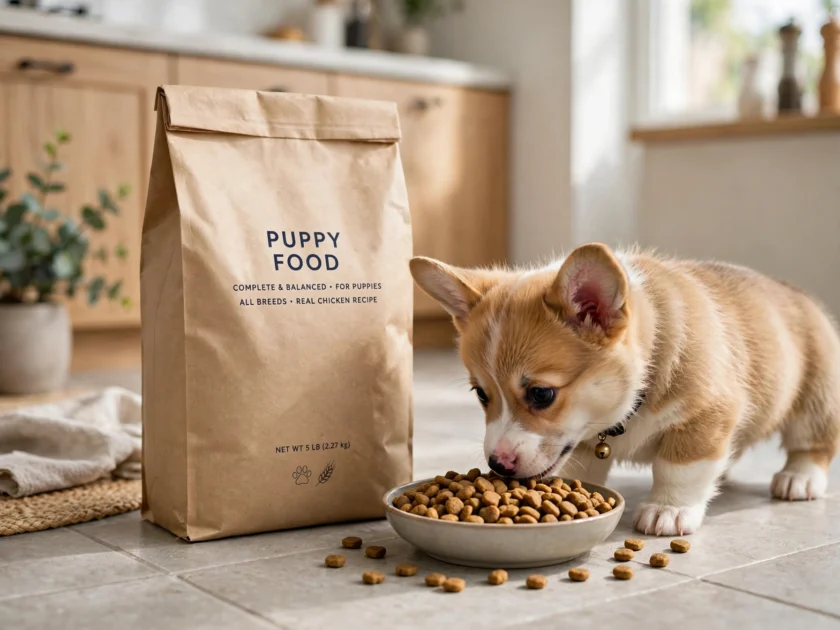
3. Puppy Food
Buy a high-quality puppy formula with real meat as the first ingredient — puppies have different nutritional needs than adult dogs. Ask your breeder or shelter what they’ve been feeding and buy that same food for the first few weeks to avoid tummy trouble during the transition.
4. Training Treats
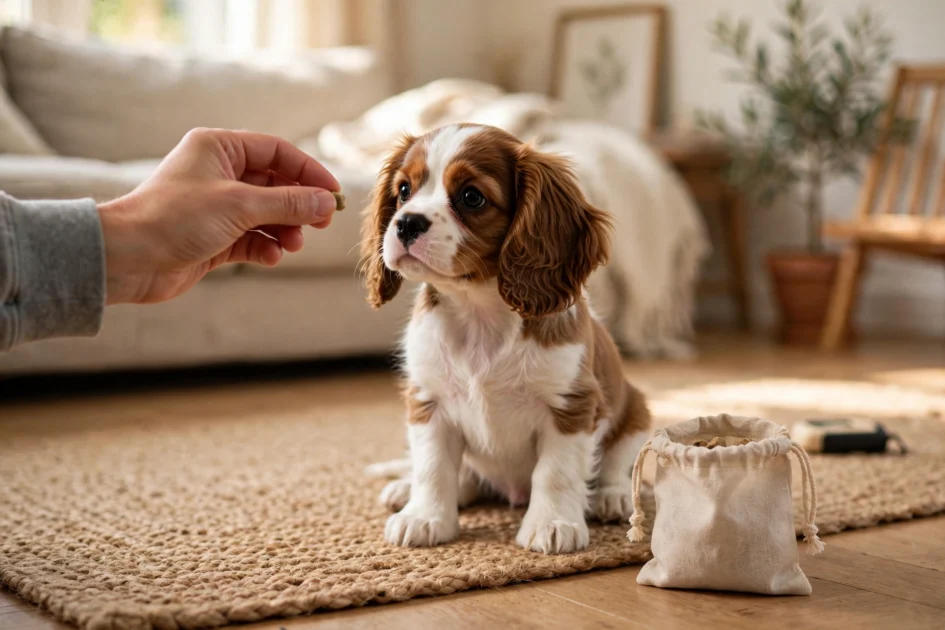
Small, soft, smelly treats are your most powerful training tool. Pick bite-sized puppy treats that your pup can swallow in a second — you’ll be handing out dozens per session, and quick eating keeps the learning momentum going.
5. Food & Water Bowls
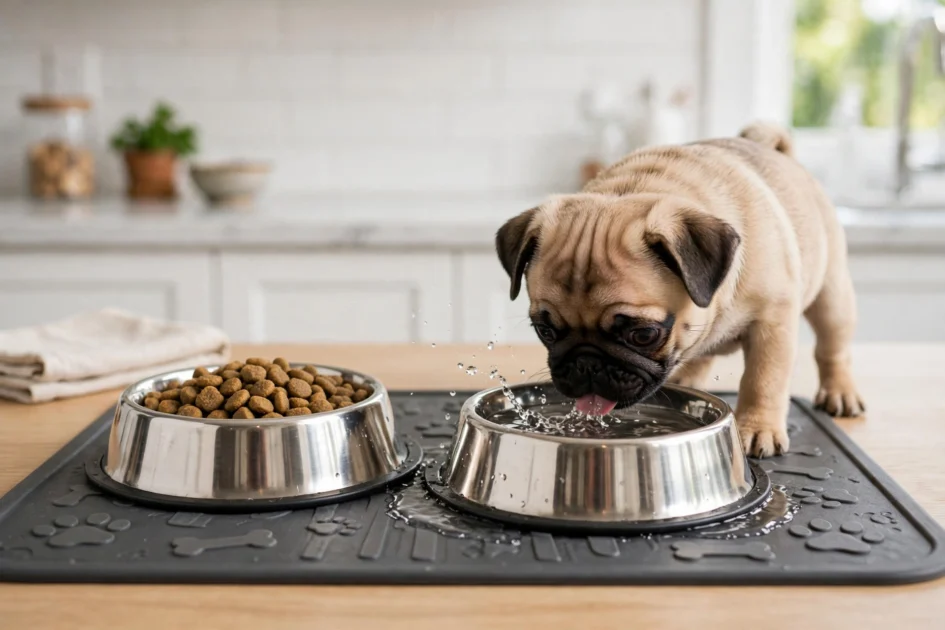
Heavy, tip-proof bowls are a must for enthusiastic little eaters. Stainless steel or sturdy ceramic bowls are hygienic and hard to chew through — just make sure fresh water is available at all times and wash the food bowl daily.
6. Collar
Choose a lightweight, adjustable nylon collar sized for a puppy’s neck, with room to grow. You should be able to slide two fingers comfortably between the collar and the neck. Let your puppy wear it around the house first so they get used to the feeling.

7. Leash
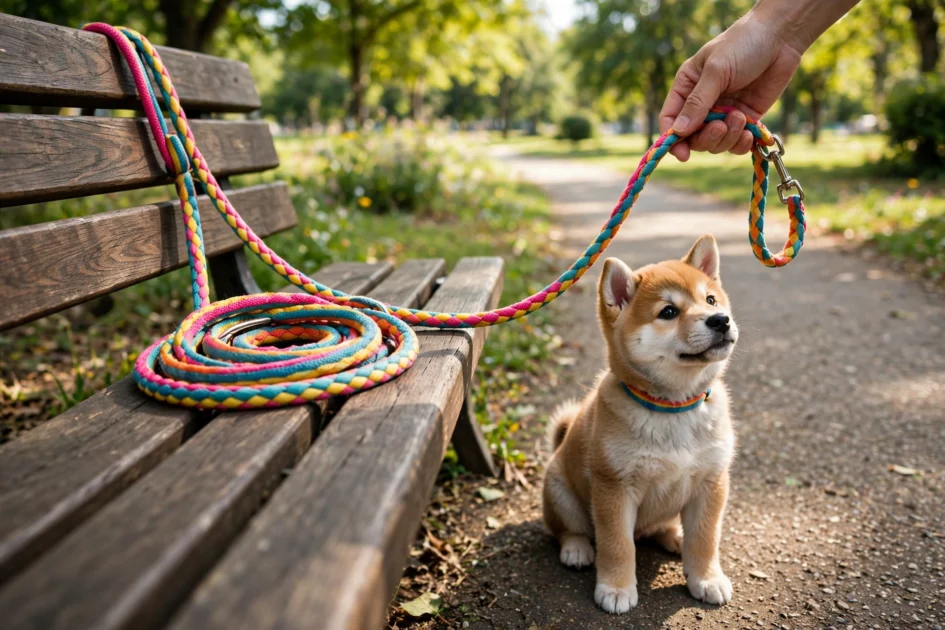
A standard 4-to-6-foot non-retractable leash gives you the best control for training walks. If you want a head start, check out our guide on the most common dog walking mistakes before your puppy’s first stroll around the block.
8. ID Tag
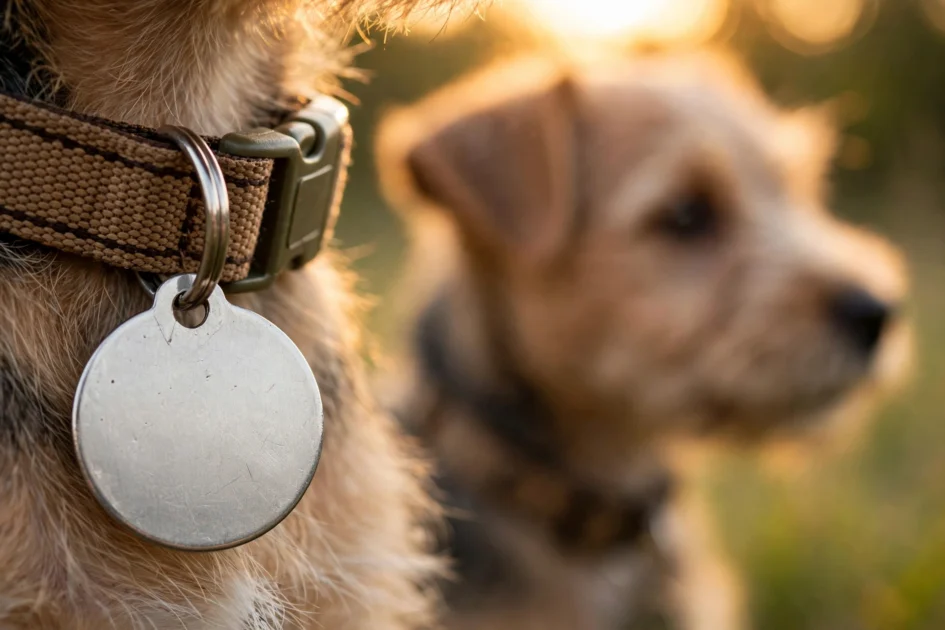
Puppies are escape artists, so engrave an ID tag with your puppy’s name and your phone number before day one. Clip it to the collar and check that it jingles-free — silent tags are quieter and less likely to annoy a nervous pup.
9. Chew Toys
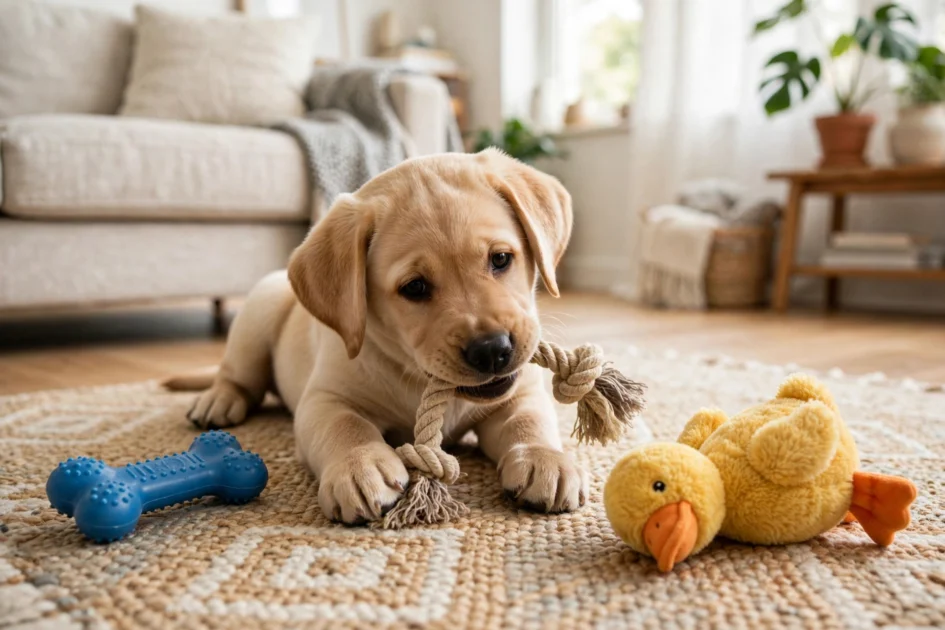
Teething puppies chew everything — redirect that energy with a few safe chew toys in different textures. Stock up on rubber teething toys, a rope tug, and one plush toy, and your shoes and furniture will thank you.
10. Enzymatic Cleaner
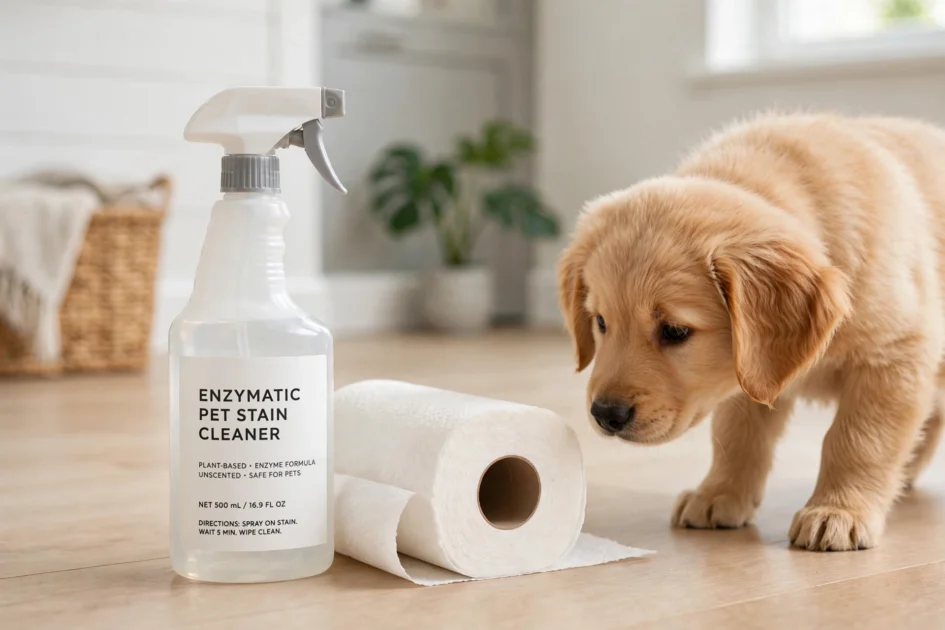
House accidents are guaranteed, and only an enzymatic cleaner truly destroys the odor so your puppy won’t return to the same spot. Keep a spray bottle plus paper towels in an easy-to-reach cupboard from the very first day.
11. Puppy Pads
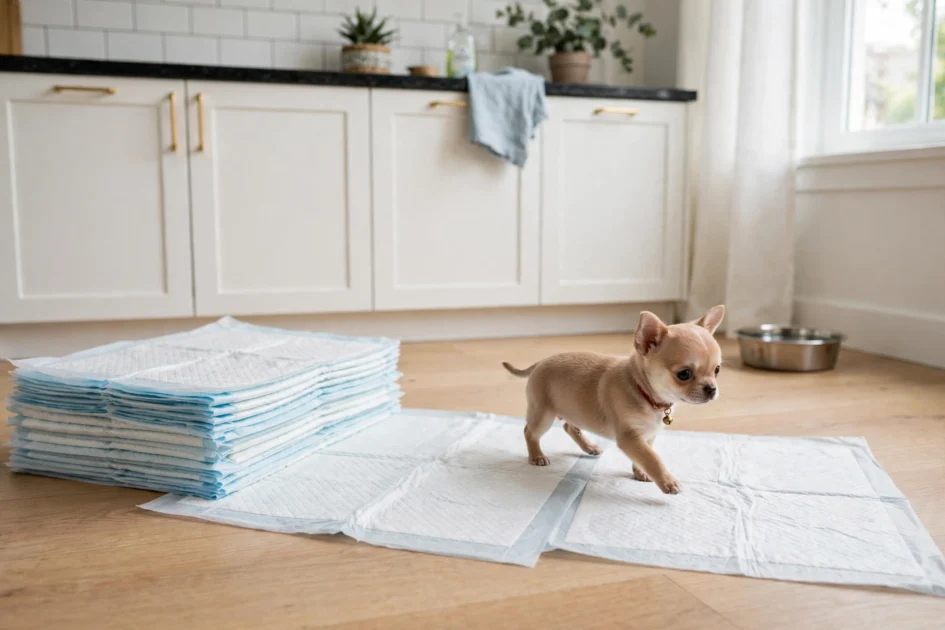
For apartments, nighttime, or very young puppies, absorbent puppy pads are a housetraining lifesaver. Choose pads with leak-proof backing and place one in a consistent spot far from the food bowls so your pup learns where to go.
12. Grooming Brush
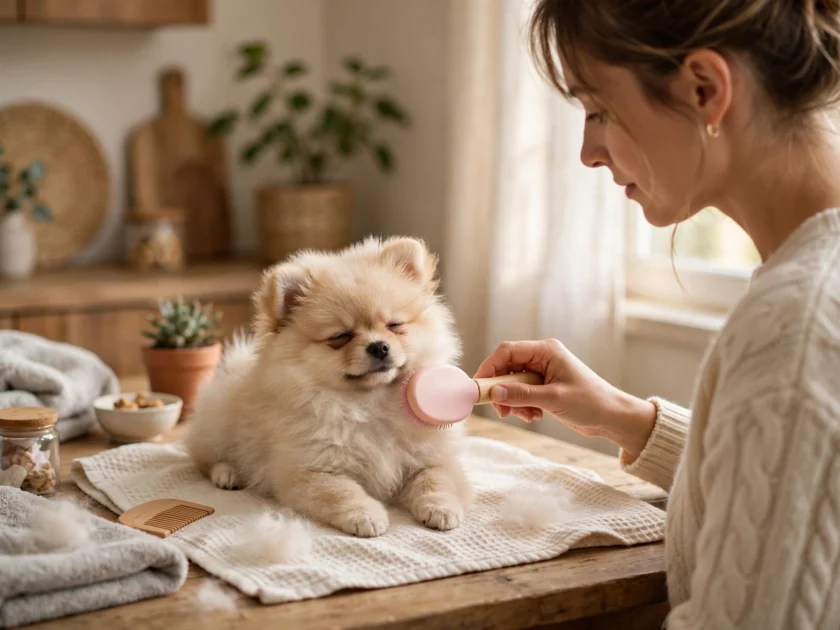
Start brushing early — even short-haired puppies benefit from a gentle slicker brush a few times a week. It keeps the coat healthy, reduces shedding around the house, and teaches your puppy that grooming is a calm, positive routine.
13. Puppy Shampoo
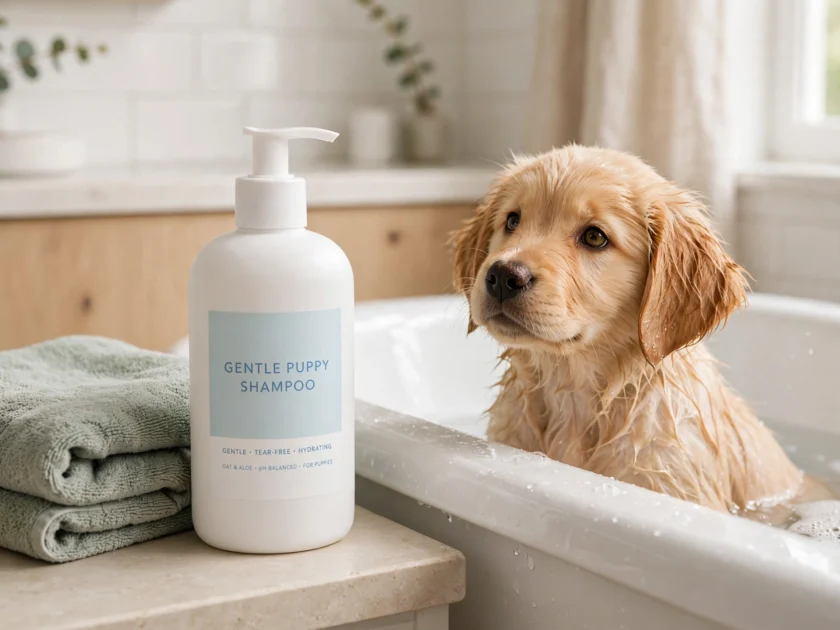
Human shampoo is too harsh for puppy skin, so buy a gentle, puppy-specific formula with a balanced pH. A tear-free shampoo makes those first baths far less stressful for both of you — just don’t overdo it, once a month is plenty unless they get muddy.
14. First Vet Appointment
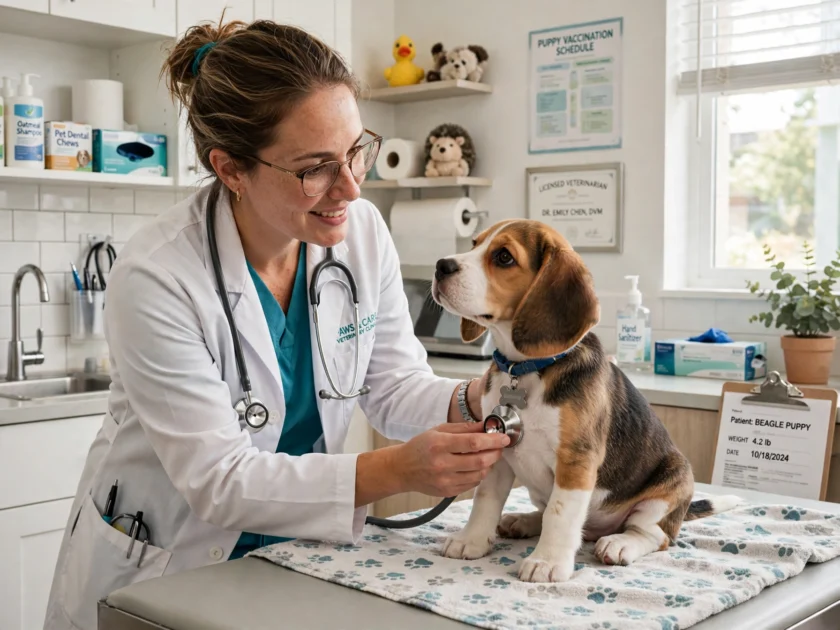
Book your puppy’s first vet visit before they even arrive home — new-patient slots can be weeks out. That first appointment covers a wellness check, the vaccination schedule, and answers to every worried-new-parent question you can think of.
15. Pet Insurance
Vet emergencies are expensive, and puppies are accident-prone explorers. Research and activate a pet insurance policy before day one — most plans have waiting periods, so enrolling early means coverage kicks in sooner.

Frequently Asked Questions
How much does it cost to prepare for a new puppy?
Expect to spend anywhere from $200 to $500 on the essentials in this checklist, depending on your puppy’s size and the brands you choose. The crate, food, and first vet visit are the biggest expenses — but buying quality items once is cheaper than replacing cheap ones twice.
When should I start buying puppy supplies?
Start shopping one to two weeks before your puppy arrives. That gives you time to order the right sizes, set up the crate and feeding station, and book the first vet appointment without any last-minute panic runs to the store.
Can I use adult dog food for a puppy?
No — puppies need a puppy-specific formula with extra protein, calories, and DHA for brain development. Feed a quality puppy food for the first 12 months (longer for large breeds), then transition gradually to adult food on your vet’s advice.
Do I really need a crate for my puppy?
A crate isn’t punishment — when introduced positively, it becomes your puppy’s favorite den. It speeds up housetraining, prevents destructive chewing when you can’t supervise, and keeps your puppy safe. Most puppies genuinely love their crates.
What is the most important item on this checklist?
The first vet appointment edges out everything else — it protects your puppy’s health and gives you a professional vaccination and care plan. Right behind it are the crate and puppy food, which make the first week dramatically smoother.
Getting ready for a puppy is half the fun — and once this checklist is ticked off, all that’s left is to enjoy those first wobbly walks, snuggly naps, and the joyful chaos of puppyhood. Welcome to the pack!