


Bringing home a new puppy is pure joy — tiny paws, puppy breath, endless photos. But in those first few weeks, almost every new owner makes the same training mistakes without even realizing it. The good news? These puppy training mistakes are completely normal, and once you spot them, they are surprisingly easy to fix.
Puppies are not born knowing the house rules. They learn from what we reward, what we ignore, and how consistent we are — so small habits in the first months shape your dog’s behavior for years. A few simple changes can prevent chewing, barking, and potty problems before they become stubborn habits that are harder to undo.
Below are the ten most common puppy training mistakes new owners make, why each one holds your puppy back, and what to do instead. Work through them one at a time, and you will be amazed at how quickly things start to click.
1. Punishing Accidents After the Fact
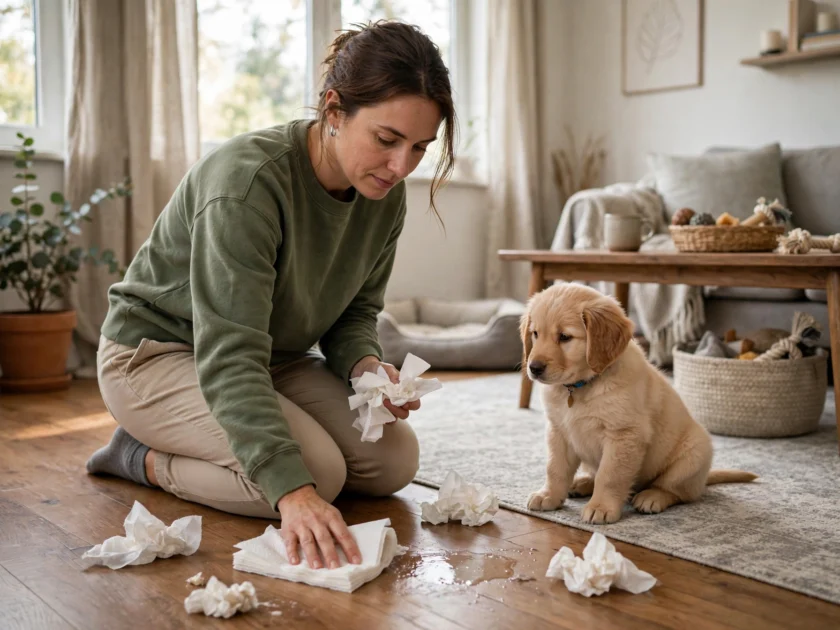
Finding a puddle and scolding your puppy an hour later teaches nothing — puppies live in the moment and cannot connect your anger to an accident that happened earlier. All it does is make them afraid of you, and some pups start hiding their accidents instead. Clean up quietly, take your puppy out more often, and praise every outdoor success immediately.
2. Inconsistent Rules Between Family Members
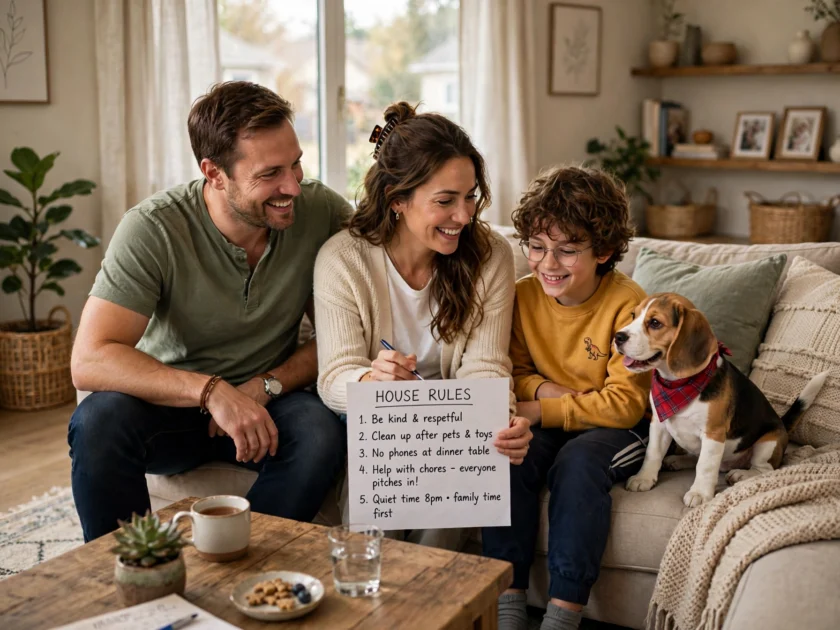
If you ban the puppy from the couch but your partner secretly lets them up for cuddles, your puppy just gets confused — and confused puppies stop listening to everyone. Dogs thrive on clear, consistent rules. Agree on cues, commands, and boundaries together as a family, and put the list on the fridge so everyone enforces the same rules every time.
3. Training Sessions That Are Too Long
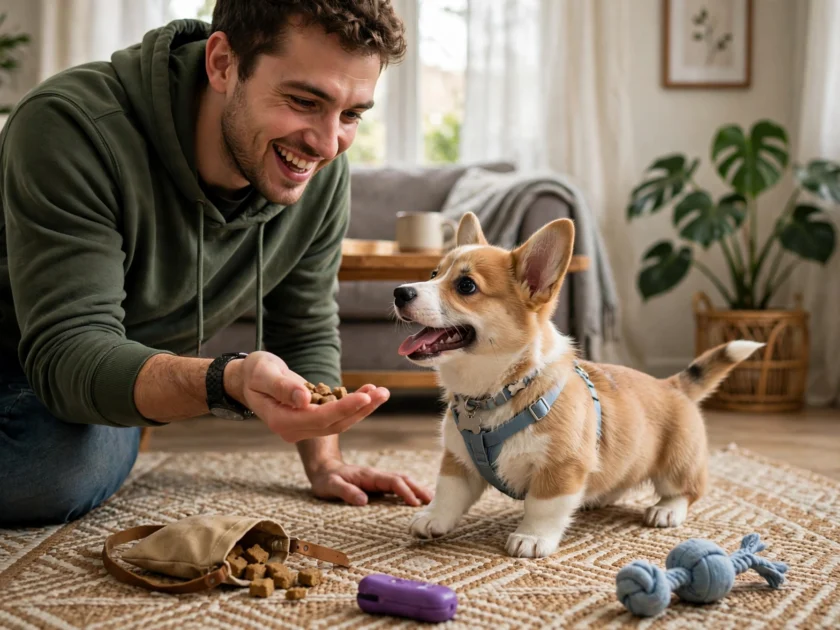
Puppy brains tire fast. A twenty-minute drilling session usually ends in frustration, zoomies, and a puppy who stopped learning ten minutes ago. Short sessions are far more powerful. Keep training to three to five minutes, several times a day, and always end on a win while your puppy is still excited and engaged — quality beats quantity.
4. Skipping Socialization During the Critical Window
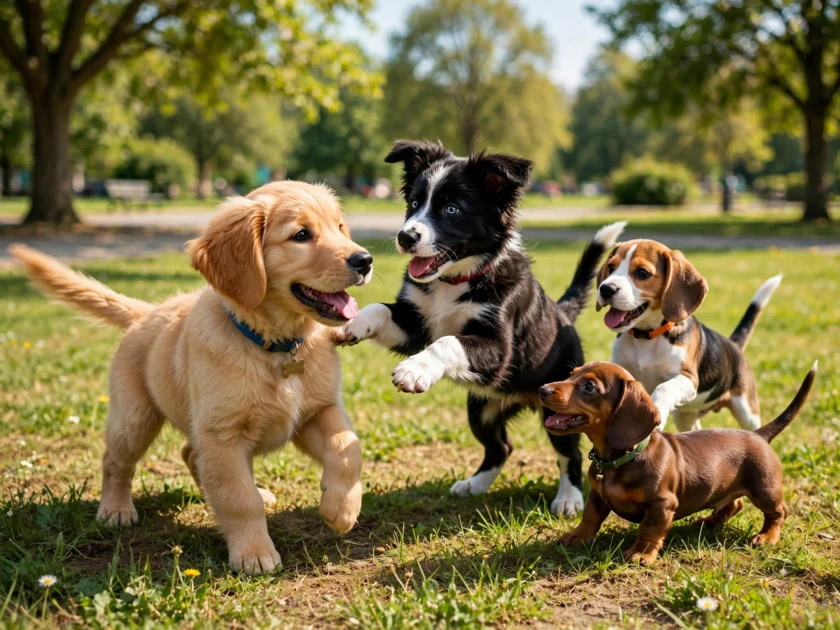
The first three to four months of a puppy’s life are a critical socialization window, when new sights, sounds, people, and dogs feel safe. Skip it, and everyday experiences can later trigger fear, anxiety, and reactivity. Introduce your puppy to friendly dogs, people, and new places early — and when they are ready for group play, our guide to 7 dog park mistakes you probably make will help those first park visits go smoothly.
5. Free-Feeding With No Schedule
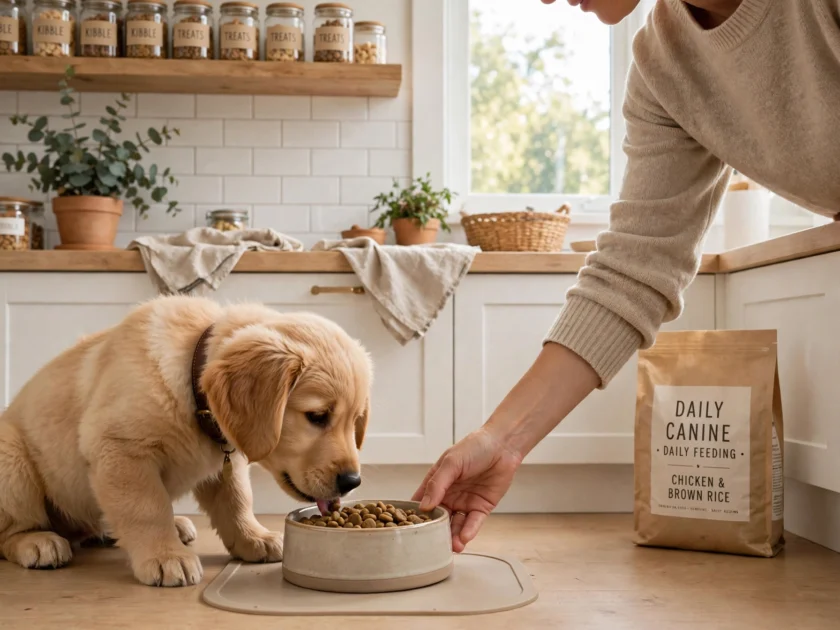
Leaving food out all day might seem kind, but free-feeding makes potty training much harder — you cannot predict when your puppy needs to go — and it removes your best training currency: a hungry puppy’s motivation for treats. Feed measured meals two to three times a day on a schedule, lift the bowl after fifteen minutes, and your puppy’s bathroom trips become beautifully predictable.
6. Yelling Instead of Redirecting
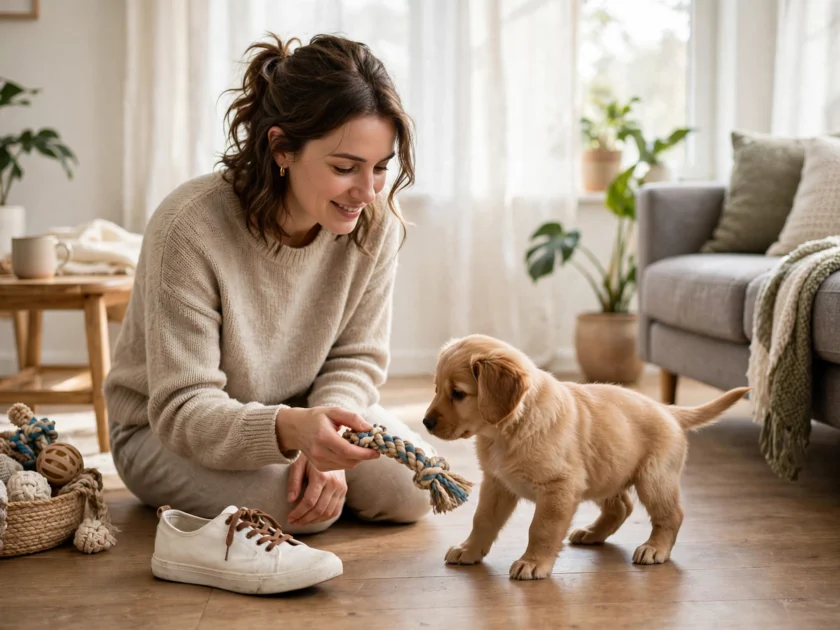
Yelling at a barking or chewing puppy rarely stops the behavior — to your puppy, a loud voice often sounds like you are joining in, and it can raise stress and excitement instead of calming them. Stay calm and redirect. Swap the shoe for a chew toy, ask for a simple cue like “sit,” and reward the good choice. You are teaching your puppy what TO do, not just what not to do.
7. No Crate Training Plan
A crate introduced properly becomes your puppy’s cozy den and your best housetraining tool, because dogs naturally avoid soiling where they sleep. Without a plan, though, many owners skip the crate entirely or only use it as punishment, which creates anxiety instead of comfort. Start slowly: feed meals inside, play little crate games, keep early sessions short, and let your puppy wander in and out freely.

8. Accidentally Rewarding the Wrong Behavior
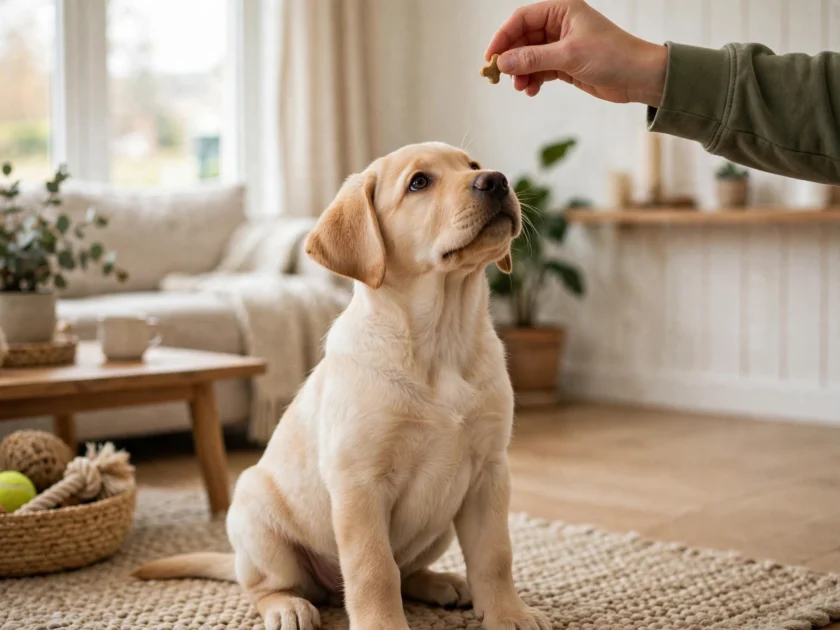
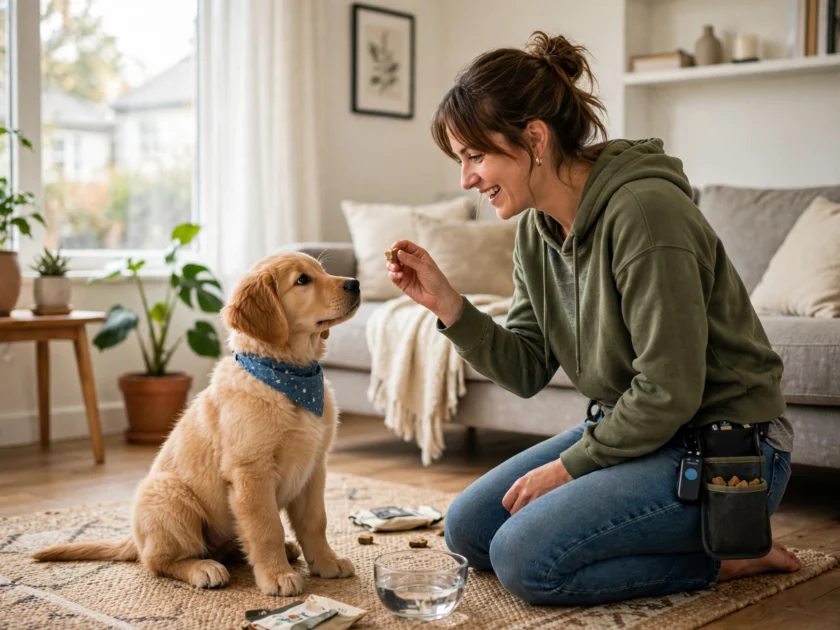
Timing is everything with rewards. Petting a puppy while it jumps up, laughing at nipping, or picking up a barking puppy “to calm it down” all quietly pay for the exact behavior you want to stop. Puppies simply repeat whatever works. Instead, mark and reward the behavior you love — four paws on the floor, a quiet settled moment, a polite sit — within a second or two of it happening.
9. Expecting Too Much Too Soon
An eight-week-old puppy has a tiny bladder, a very short attention span, and zero understanding of your expectations — yet many owners expect perfect recall and complete housetraining within the first week. Unrealistic expectations lead to frustration on both ends of the leash. Celebrate small wins, build every skill in baby steps, and remember that maturity takes months of patient practice, not days.
10. Skipping Vet or Professional Trainer Help
Some problems are simply not DIY. Persistent fear, early aggression, house-soiling with a possible medical cause, or a puppy who is not progressing despite your best efforts all deserve expert eyes. Your vet can rule out pain or illness affecting behavior, and a certified professional trainer can build a plan tailored to your puppy’s personality. Asking for help early is not failure — it is responsible ownership.

Frequently Asked Questions
How long should a puppy training session be?
Keep sessions short — three to five minutes is perfect for a young puppy. Several mini sessions spread through the day teach far more than one long drill, and always finish with an easy win and a reward so your puppy stays eager for the next round.
What is the biggest puppy training mistake new owners make?
Inconsistency is the number one culprit. When rules, cues, and rewards change from person to person or day to day, puppies cannot figure out what you want. Agree on one set of rules for the whole household: same words, same behaviors rewarded, every time.
When should I start training my puppy?
Start on day one. Puppies are learning from the moment they come home, whether you are teaching them or not. Begin with simple basics like their name, “sit,” and coming when called, keep everything positive and playful, and save advanced skills for when the foundations are solid.
Should I punish my puppy for having accidents in the house?
Never punish accidents — especially after the fact. Your puppy cannot connect your reaction to something that happened minutes or hours earlier, so punishment only creates fear. Clean up calmly, increase outdoor trips, supervise closely indoors, and reward every outdoor potty success generously.
Is it too late to fix puppy training mistakes?
Almost never. Dogs can learn new habits at any age, although fixing an established behavior usually takes a little longer than teaching it correctly the first time. Go back to basics, be consistent, reward generously, and consider a professional trainer if a behavior feels stuck or unsafe.
Conclusion
Every experienced dog owner was once a beginner who made these mistakes, so do not be hard on yourself — or your puppy. Focus on consistency, short positive sessions, and rewarding the behavior you want. At its heart, good dog training is clear communication repeated patiently over time. Fix these ten habits and you will raise a confident, well-mannered dog you can take anywhere.