


If you’ve ever wondered whether dog probiotics are worth the hype, you’re not alone. These tiny beneficial bacteria have become one of the most talked-about supplements in pet care — but do they really work? Let’s dig into what veterinarians and research actually say.
In this guide, we’ll break down the science behind probiotics for dogs, when they help, when they don’t, and how to choose a quality product if you decide to try them.

What Are Dog Probiotics?
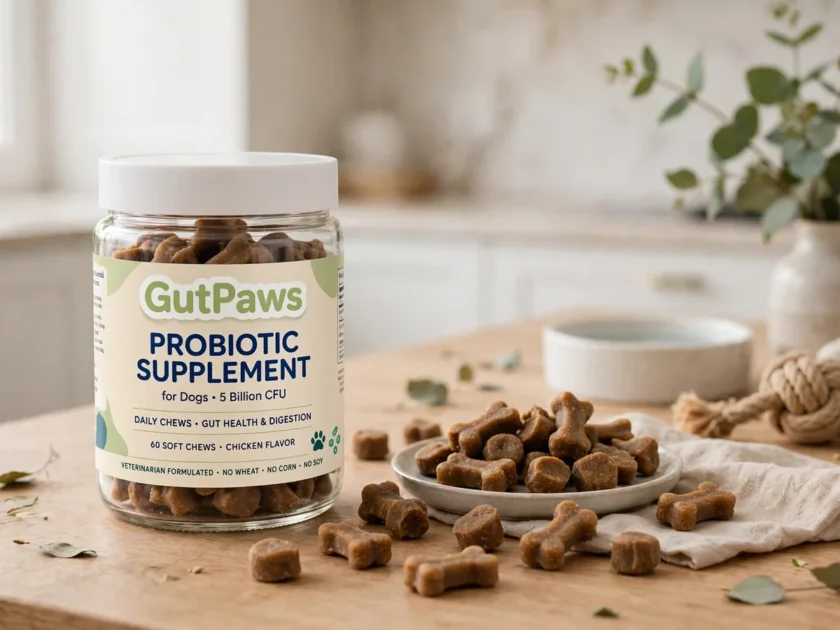
Probiotics are live microorganisms — mostly beneficial bacteria and yeasts — that support a healthy balance of gut flora. In dogs, as in humans, the digestive tract hosts trillions of microbes that play a crucial role in digestion, nutrient absorption, and immune function.
Dog probiotic supplements typically contain strains like Lactobacillus, Bifidobacterium, and Enterococcus, often combined with prebiotics (fiber that feeds good bacteria) for a synbiotic effect.
How Probiotics Work in a Dog’s Gut
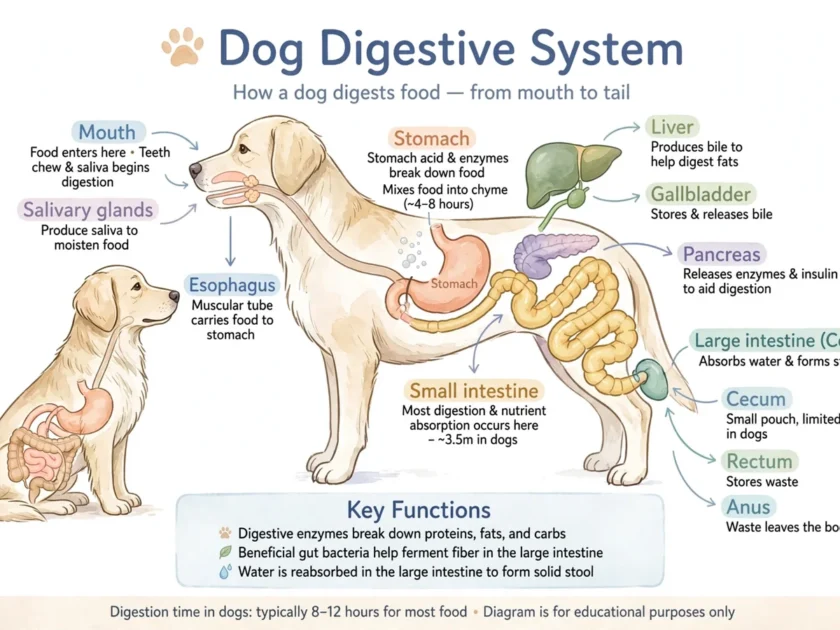
A dog’s gut microbiome influences far more than digestion. These microbes help break down food, produce vitamins, crowd out harmful pathogens, and communicate with the immune system. When the balance tips — due to stress, illness, antibiotics, or poor diet — digestive upset often follows.
Probiotics work by replenishing beneficial bacteria, reinforcing the gut lining, and supporting a balanced inflammatory response. Think of them as reinforcements for your dog’s internal ecosystem.
Do They Really Work? What the Research Says
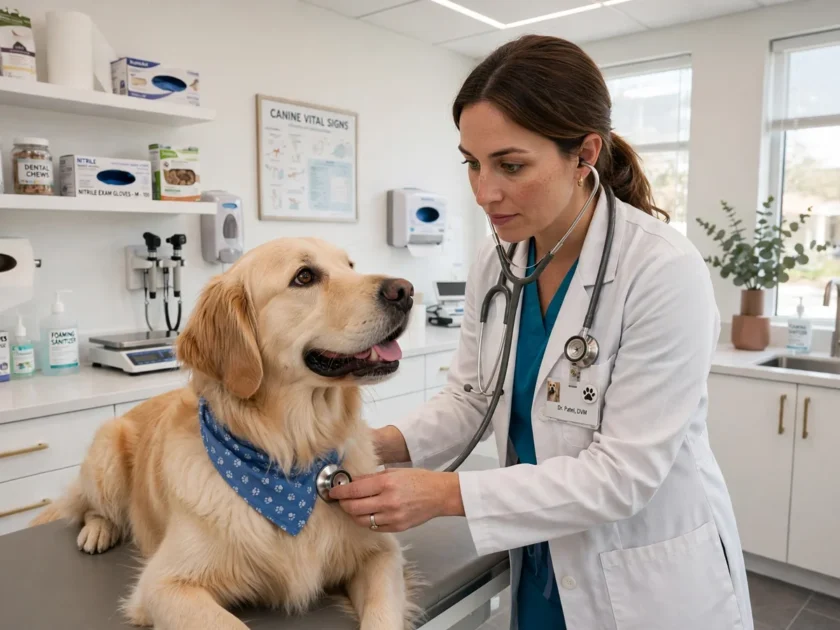
The short answer: yes, but with caveats. Multiple veterinary studies have shown that specific probiotic strains can reduce the duration of acute diarrhea in dogs, improve stool consistency, and support recovery after antibiotic treatment.
However, not all products are equal. Research shows strain-specific effects — meaning a strain proven effective for one condition may not help another. This is why veterinarians emphasize choosing products backed by research rather than marketing claims.
Benefits: Better Digestion

The most well-supported use of dog probiotics is digestive health. Dogs with sensitive stomachs, intermittent loose stools, or gas may benefit from daily probiotic supplementation. Many owners report firmer stools and less digestive drama within a few weeks.
For dogs with chronic digestive issues, probiotics work best alongside dietary changes. If your pup struggles with tummy troubles, check out our guide to the best dog food for sensitive stomachs for a complete approach.
Benefits: Stronger Immunity

Roughly 70% of the immune system resides in the gut, so supporting gut health naturally supports immunity. Probiotics help maintain the gut barrier and modulate immune responses, which may help dogs fend off infections more effectively.
While probiotics aren’t a substitute for vaccines or veterinary care, they’re a sensible part of a whole-health routine — especially for puppies building immunity or seniors whose defenses are waning.
Benefits: Less Itchy Skin & Allergies

The gut-skin axis is real. Emerging research suggests that balancing gut bacteria may help reduce inflammatory skin responses in dogs prone to allergies and itchiness. Some studies have shown modest improvements in atopic dermatitis symptoms with probiotic use.
Results vary by dog, and probiotics work best as part of a broader allergy management plan. But for itchy pups, they’re a low-risk addition worth discussing with your vet.
When Your Dog Might Need Probiotics
Consider probiotics if your dog is experiencing digestive upset, has recently finished antibiotics, deals with chronic loose stools, or is under stress from travel, boarding, or rehoming. Puppies transitioning to new food and senior dogs with sluggish digestion are also good candidates.
That said, a healthy dog eating a balanced diet may not need daily probiotics. They’re a tool, not a requirement — use them when there’s a reason to.
Choosing a Quality Dog Probiotic

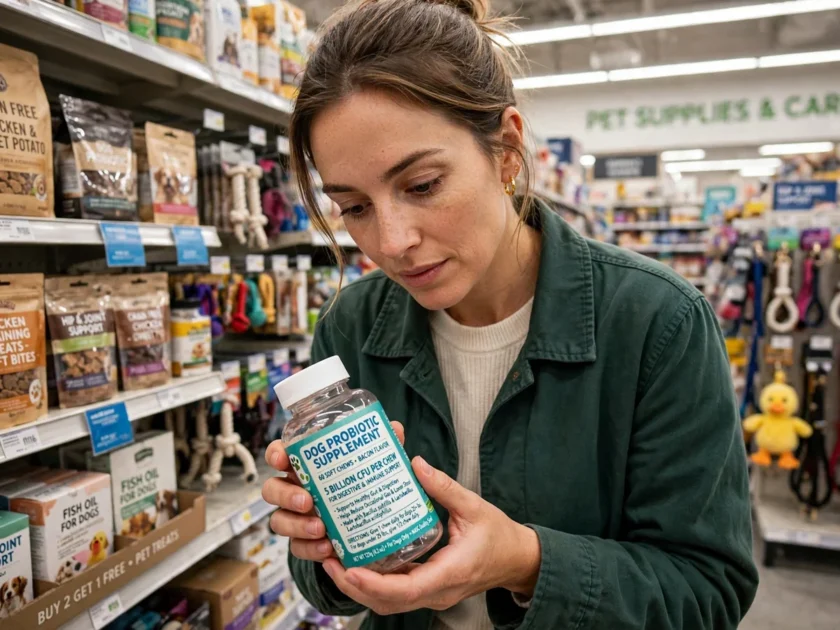
Look for products that list specific strains (not just “probiotic blend”), guarantee CFU counts through the expiration date (not just at manufacture), and have NASC or similar quality seals. Avoid products with excessive fillers, artificial flavors, or vague labeling.
Veterinary-specific brands often have the strongest research backing. When in doubt, ask your vet which product they’d recommend for your dog’s specific situation.
How to Give Probiotics Safely

Most dog probiotics come as chews, powders, or capsules. Follow the dosing on the label based on your dog’s weight, and introduce them gradually to avoid temporary gas or loose stools as the gut adjusts.
Probiotics are generally very safe, with minimal side effects. However, dogs with compromised immune systems or serious illness should only use them under veterinary supervision.
What Vets Recommend in 2026

Veterinarians in 2026 generally view probiotics as a useful supportive tool — not a miracle cure. They’re most enthusiastic about using them for acute diarrhea, post-antibiotic recovery, and chronic digestive sensitivity.
The consensus: choose a well-researched product, give it 4–6 weeks to show results, and keep your vet in the loop. Learn more about the science of probiotics if you’re curious about the broader research.
Frequently Asked Questions
Can I give my dog human probiotics?
It’s not recommended. Human probiotics contain strains selected for human guts, and dosing isn’t calibrated for dogs. Dog-specific products are safer and more likely to be effective.
How long does it take for probiotics to work in dogs?
For acute diarrhea, improvement may appear within days. For chronic issues like sensitive digestion or skin, allow 4–6 weeks of consistent use before judging results.
Are there side effects of dog probiotics?
Side effects are rare and mild — usually temporary gas or soft stools when first starting. Serious reactions are extremely uncommon in healthy dogs.
Should I give my dog probiotics every day?
Daily use is fine for dogs with ongoing digestive needs. For healthy dogs, some vets suggest using them during stressful periods or after antibiotics rather than indefinitely.
Do probiotics need to be refrigerated?
It depends on the product. Some require refrigeration to keep bacteria alive; shelf-stable formulas use hardy strains or special packaging. Always follow the label’s storage instructions.