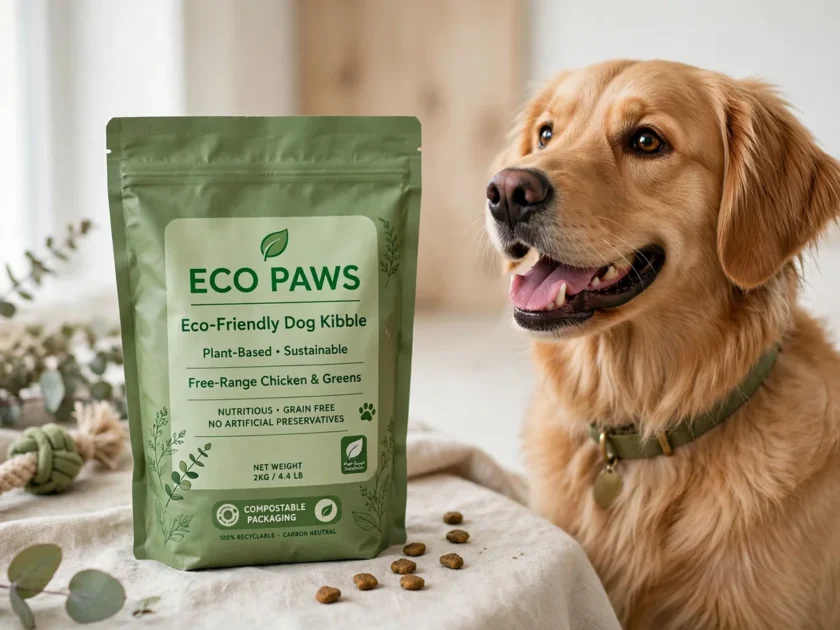

A new kind of dog food is popping up on pet store shelves and all over your feed: kibble and treats made from insects. It sounds unusual, but insect protein dog food is one of the fastest-growing trends in pet nutrition this year.
Pet parents all ask the same thing: is insect protein dog food actually safe for my pup? For most dogs, yes — when it comes from reputable brands meeting established nutritional standards. Here is what the science says and whether it belongs in your dog’s bowl.
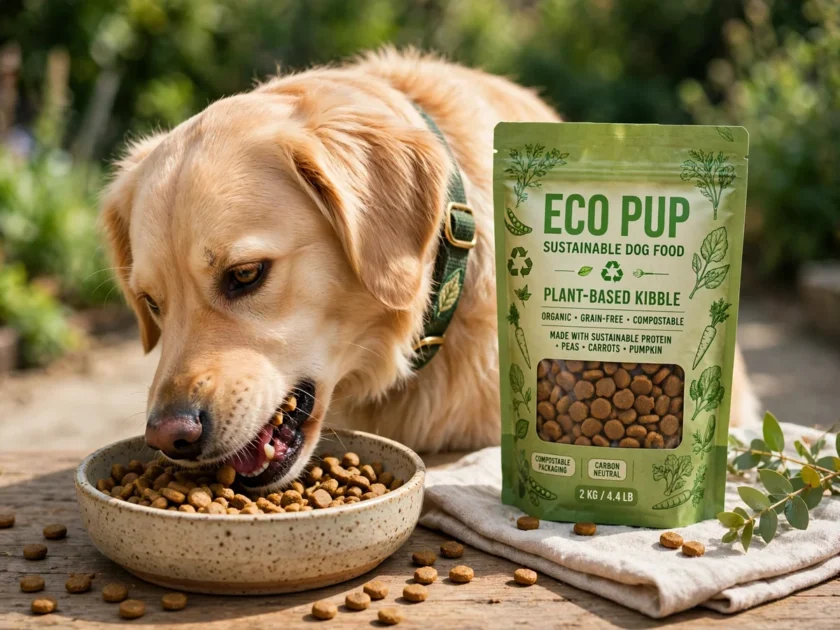
What Is Insect Protein Dog Food
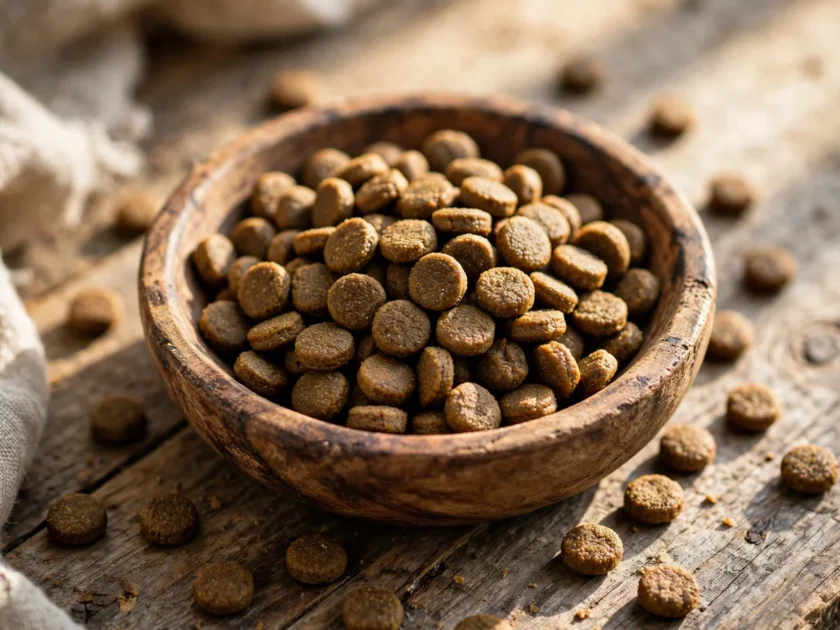
Insect protein dog food uses insects — usually black soldier fly larvae — as its main protein source instead of chicken, beef, or fish. The larvae are farm-raised, dried, and ground into a meal or oil, then blended into kibble, wet food, or treats.
Reputable brands formulate to AAFCO guidelines, delivering everything your dog needs daily: protein, fats, vitamins, and minerals. To your dog’s nose, it is simply dinner — most pups cannot tell it from the chicken recipe they ate yesterday.
Why Insect Protein Is Trending in 2026
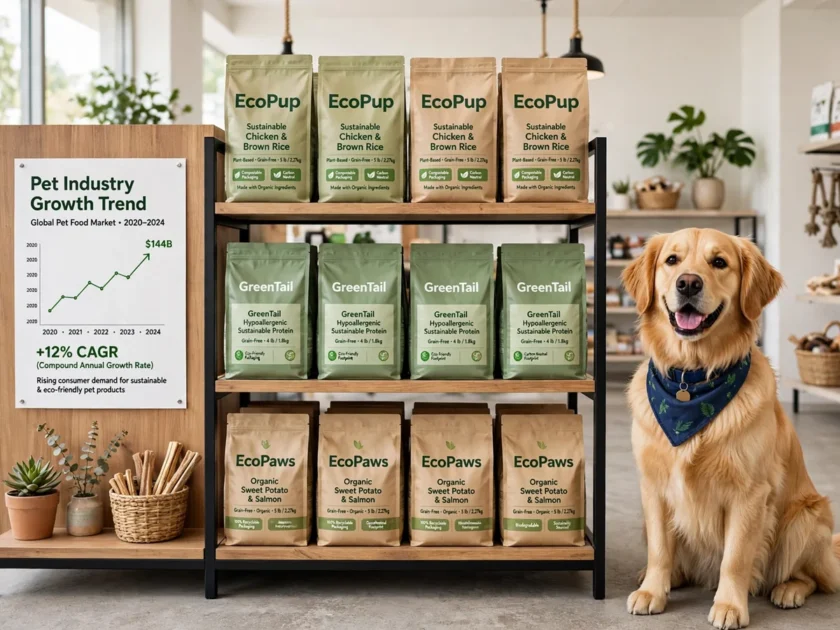
Three forces drive the trend: rising pet food prices, allergic dogs needing alternatives, and owners wanting diets that match their sustainability values. Insects check all three boxes — affordable to farm, a novel protein most dogs have never eaten, and a tiny footprint next to livestock.
What began as a niche eco-startup product is now stocked by major retailers, and search interest has climbed steadily through 2026. Vets are fielding more questions than ever — a good sign owners are doing their homework before switching.
The Nutrition Profile: Protein, Fats & Amino Acids
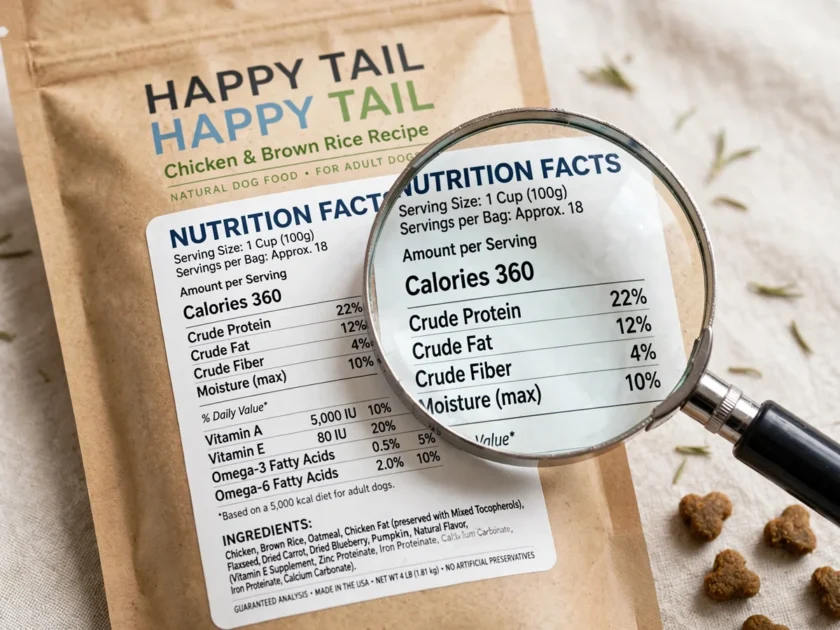
Black soldier fly larvae pack roughly 35 to 45 percent protein by dry weight, with the full spectrum of essential amino acids for muscle, immunity, and coat health — plus beneficial fats like lauric acid, iron, calcium, and B vitamins.
Digestibility studies show insect meal performs comparably to high-quality poultry meal, so your dog absorbs the nutrients instead of passing them through. For a refresher on what each nutrient does, see our complete dog food ingredients guide.
Is It Safe? What Studies Show

Peer-reviewed feeding trials report normal bloodwork, healthy stools, and no adverse effects in dogs fed insect-based diets for weeks to months. Regulators in the US and Europe have approved black soldier fly larvae for pet food after formal safety evaluations.
The research is younger than the decades of data behind chicken and beef. Most vets consider insect protein safe for healthy adult dogs, but suggest a vet chat first for puppies, pregnant or nursing dogs, or dogs with chronic conditions.
Allergy Benefits for Sensitive Dogs

Most canine food allergies develop against proteins dogs eat repeatedly — chicken and beef top the culprit list. Insects are a novel protein almost no dog has encountered, so they sidestep existing sensitivities, which is why veterinary dermatologists increasingly recommend them for itchy dogs.
Owners of allergy-prone pups often report less scratching, calmer skin, and fewer ear infections after switching. It is not a guaranteed cure, but as an elimination-diet protein or long-term maintenance food, it is one of the gentlest options available.
The Sustainability Angle

Farming insects takes a fraction of the land, water, and feed cattle or chickens need, with far fewer greenhouse gas emissions. Black soldier fly larvae can even be reared on pre-consumer food waste, turning would-be landfill material into quality protein.
Pet food carries a meaningful share of meat production’s footprint, so a lower-impact protein shrinks your household’s paw print without shortchanging your dog’s nutrition.
How It Compares to Chicken, Beef & Fish
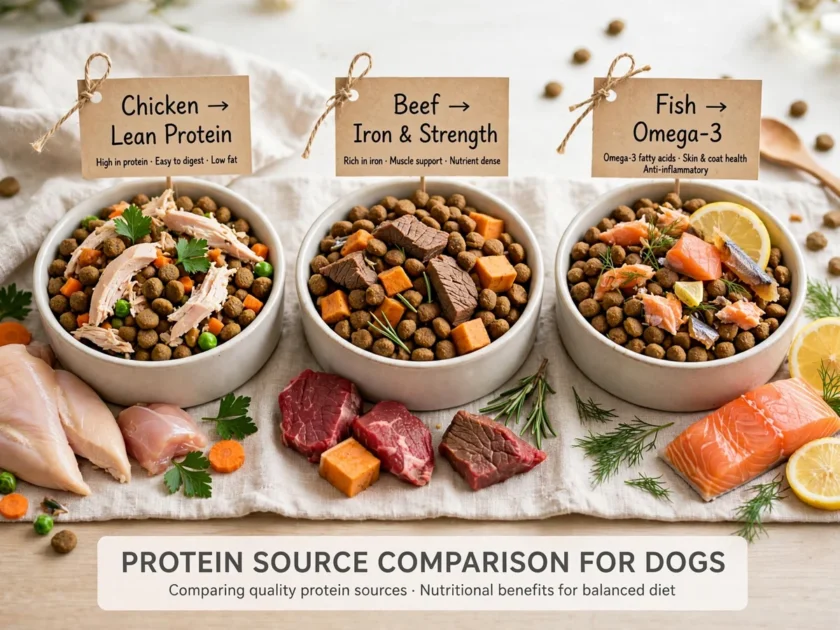
Insect meal’s digestibility matches poultry meal, its amino acids cover all canine essentials, and its fats provide steady energy. Traditional proteins still win on track record: generations of feeding data and far more formula choices.
Most dogs eat insect kibble enthusiastically, and picky eaters usually come around with a gradual transition. Expect to pay more than budget chicken kibble but about the same as premium limited-ingredient diets.
How to Switch Your Dog Safely
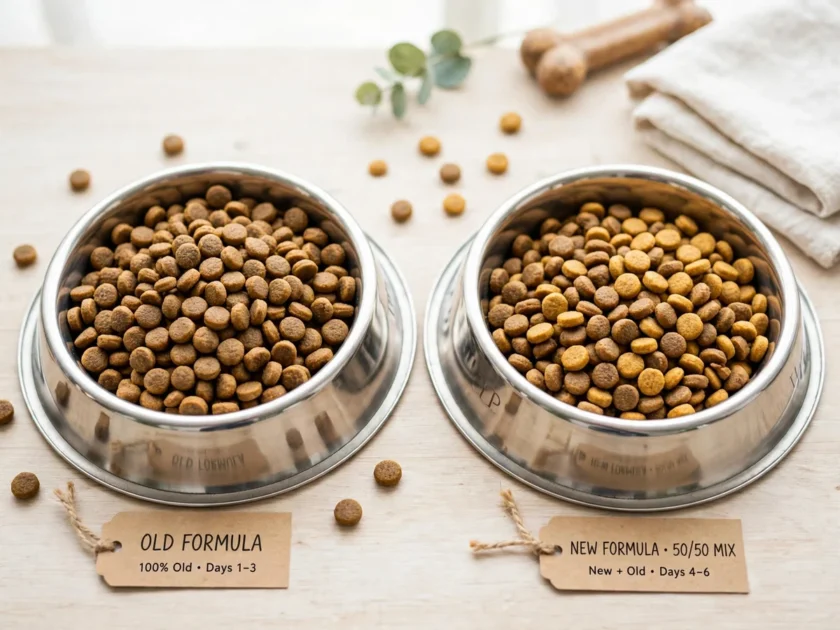
Never swap overnight. Transition over seven to ten days, starting with three parts old food to one part new, then shifting the ratio daily until the new food takes over. Slow and steady wins the digestive race.
Watch for steady energy, firm stools, and a healthy appetite during the switch. Vomiting, diarrhea beyond a day or two, or lost interest in meals means pausing and calling your vet. Keep treats consistent so you can judge the new food fairly.
What to Look for on the Label
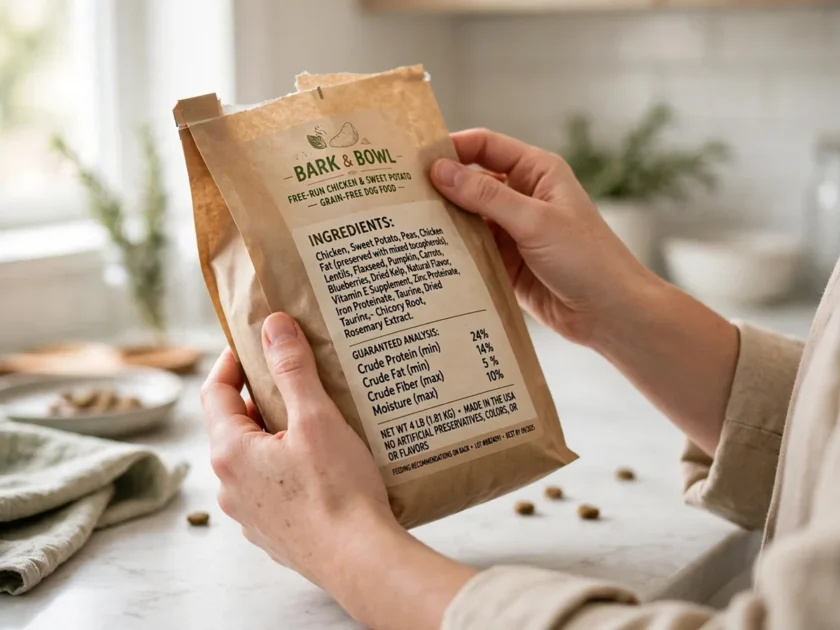
Insect meal or dried black soldier fly larvae should appear among the first few ingredients — proof it is the real protein source, not a marketing sprinkle. Look for an AAFCO adequacy statement for your dog’s life stage, named fat sources, and added omegas for skin and coat.
Be wary of vague “animal protein products,” heavy fillers, or brands that will not say where their insects are farmed. Transparency is the hallmark of a company worth your trust — and your dog’s dinner.
The Verdict: Should You Try It?

For most healthy adult dogs, insect protein dog food is a safe, nutritious, and greener choice — especially for pups with common protein allergies. The science supports it, regulators have approved the key ingredients, and real-world results keep looking positive.
It is not mandatory — a traditional formula your dog thrives on is perfectly fine. But if you are curious, talk to your vet, pick a reputable brand built around black soldier fly larvae, transition gradually, and watch your dog.
New ingredients can feel like a leap, but informed pet parents make the best choices. Your dog is lucky to have someone who reads the label before filling the bowl.
Frequently Asked Questions
Can puppies eat insect protein dog food?
Yes, if the formula is labeled complete and balanced for growth or all life stages under AAFCO guidelines. Confirm the life-stage statement and check with your vet first, since puppies need more protein and calories.
Will my dog actually like the taste?
Most dogs love it — to them it smells and tastes like any savory kibble, and trials report strong palatability. For suspicious pups, mix old and new food and transition over a week or more.
Is insect protein better than chicken for dogs with allergies?
It can be, since insects are a novel protein that existing chicken or beef sensitivities do not recognize. Many itchy dogs improve noticeably, though results vary — your vet can help design an elimination plan.
How much does insect protein dog food cost?
Expect more than budget kibble but roughly the same as other premium limited-ingredient diets. Prices vary by brand and region, and have eased downward as production scales through 2026.
Are there any side effects to watch for?
Healthy dogs tolerate insect protein very well. Mild soft stools during transition are the most common hiccup and usually resolve in days. Persistent vomiting, diarrhea, or appetite loss warrant a vet visit, as with any diet change.