

Introduction
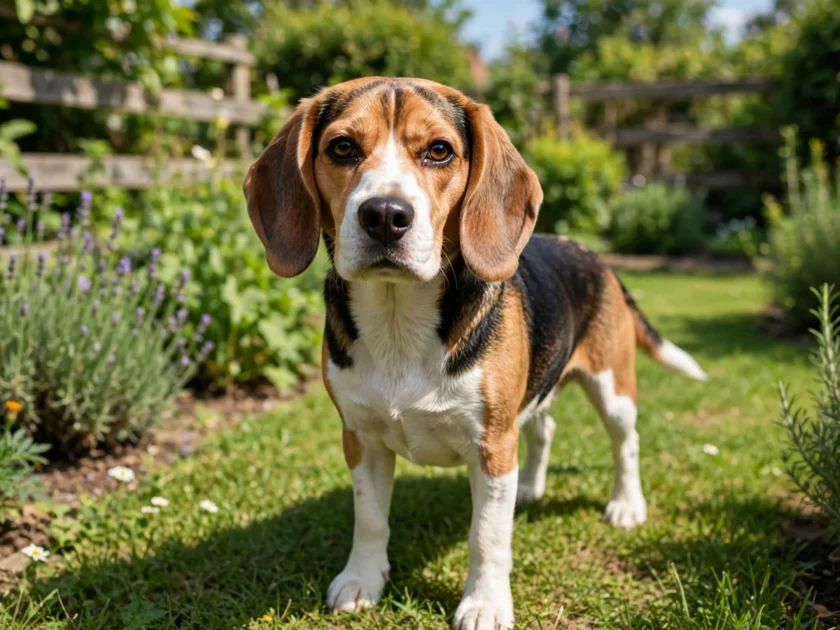
Picture this: you open the front door after a long day, and a small tricolour whirlwind comes skidding around the corner, ears flapping, tail wagging so hard his whole back end wiggles. That is a beagle saying hello, and he means every bit of it. He greets you like you have been away for a year, even if you only popped out to fetch the post, and within seconds he is checking your pockets and shopping bags for anything that might smell interesting.
Originally bred in England as scent hounds for tracking hares, beagles were built to follow a smell for miles and bay happily while doing it. The Beagle is small, sturdy, endlessly curious and famously good natured, which is why so many families fall for those big brown eyes before they have thought about the muddy paws, the howling and the food thieving that come with them.
Characteristics
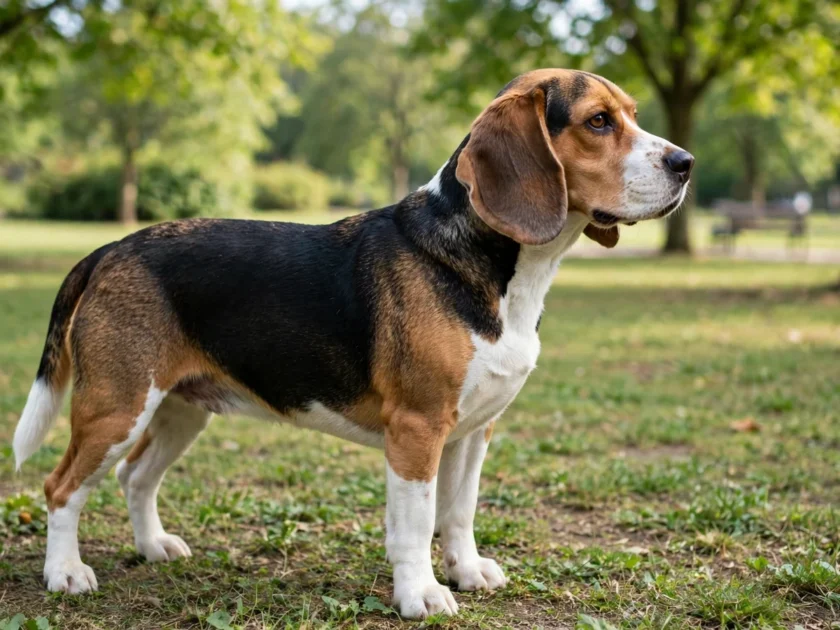
A beagle is a compact little dog with a big personality packed into a surprisingly solid frame. Most stand about thirteen to fifteen inches at the shoulder and weigh between nine and eleven kilograms, with a short smooth coat in the classic tricolour of black, white and tan. Those long soft ears, the gentle pleading expression and the white tip on the tail still give the breed its unmistakable look today.
Temperament is where beagles truly shine. They are merry, affectionate and wonderfully tolerant, especially with children, and they usually adore company. Their lifespan is a generous twelve to fifteen years, and they sit among the healthiest dog breeds with some of the longest lifespans when kept lean and active. Energy is high, so a beagle is not a sleepy lap dog. He needs daily walks, games and sniffing adventures, or he will invent his own entertainment, usually involving your bins or your shoes.
Habits and Behaviour
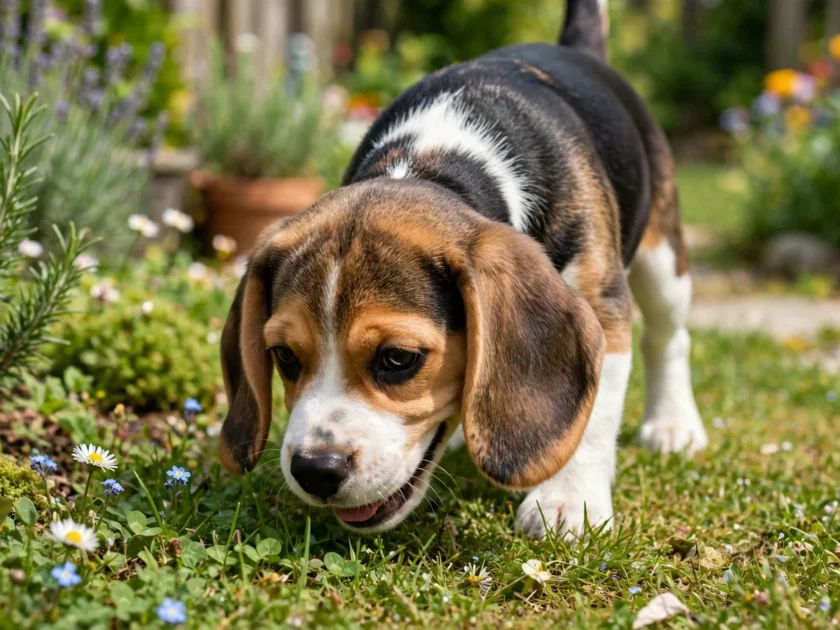
Live with a beagle for a week and you will learn his daily routine by heart. Mornings begin with a stretch, a hopeful stare at the treat cupboard and a determined patrol of the garden, nose to the ground, checking overnight news. Walks are never just walks, and a beagle will happily spend ten minutes reading one patch of grass while you stand there holding the lead and checking your watch.
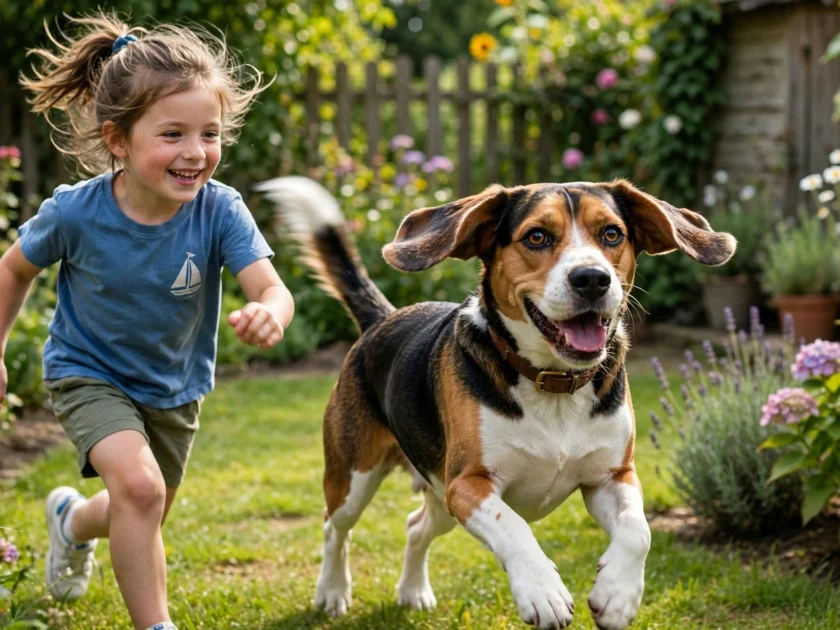
Training a beagle takes patience, humour and very good treats, because his nose often outvotes his ears. He will learn sit, stay and recall beautifully in the kitchen, then forget every word the moment a rabbit crosses the park. Short cheerful sessions, plenty of praise and a secure garden work far better than shouting. With children beagles are usually patient and playful, and with other dogs they are generally sociable souls who love a playmate. They can live with cats too, especially if they grow up together, although introductions should be slow and supervised.
Common Diseases and Health Problems
Beagles are hardy dogs, but like every breed they have their weak spots, and knowing them early makes all the difference. Ear infections are probably the most familiar problem for owners, because those long floppy ears trap warmth and moisture, creating the perfect home for yeast and bacteria. Left untreated, an infection can become painful and stubborn.
Other known issues include epilepsy, which can cause seizures, hypothyroidism, which slows the metabolism and often shows up as weight gain and a dull coat, and hip dysplasia, where the hip joint does not fit together neatly and can lead to stiffness and arthritis. Beagles are also prone to cherry eye, glaucoma, intervertebral disc disease affecting the back, patellar luxation in the knees, and obesity, which puts extra strain on his joints, heart and back. That pleading look at dinner time is one of the hardest parts of owning this breed.

Solutions and Prevention
Prevention for a beagle starts with the food bowl, and it starts on day one. Measure meals rather than pouring from the bag, keep treats to a small share of daily calories, and resist those mournful eyes at the table, because a lean beagle lives longer and moves more happily than a round one. A good quality diet, fresh water, and regular weigh-ins will catch creeping weight gain long before it becomes a real problem.
Daily exercise matters just as much, with at least an hour of walking, play and scent games, plus a securely fenced garden so he cannot follow his nose into the road. Keep ears clean and dry, checking weekly for redness or smell, and book vet checks at least once a year, twice a year once he passes seven. Watch for warning signs such as a sudden seizure, a painful back, a cloudy eye, or limping that does not settle, and act early rather than waiting to see if it passes.

Grooming and Cleaning
Grooming a beagle is wonderfully low maintenance, which is just as well because he would much rather be out in the mud than standing still for a brush. That short smooth coat needs a quick brush once or twice a week with a rubber mitt or bristle brush, which lifts loose hair and gives you a chance to check his skin for lumps, ticks or sore spots.
Bathing only needs to happen every month or two, or after a particularly enthusiastic roll in something unpleasant, using a gentle dog shampoo and drying those ears thoroughly afterwards. Nails should be trimmed every few weeks, ears cleaned weekly, and teeth brushed several times a week with dog toothpaste to keep gum disease at bay.

Living With a Beagle: Care Tips for Owners
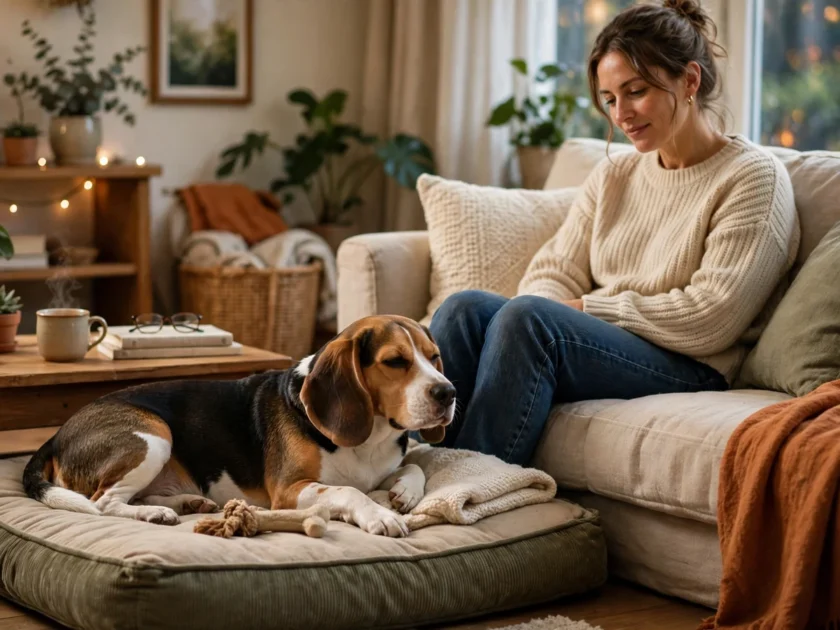
The secret to a happy beagle is simple: tire out the nose, feed the brain, and never leave food within reach. Scatter feeding, snuffle mats, puzzle toys and scent games turn an ordinary afternoon into a proper job for a scent hound, and a tired beagle is a quiet, contented beagle curled up at your feet. Secure your garden properly too, because beagles are talented diggers when a fascinating smell drifts past the fence, and always keep him on a lead near roads or livestock.
Beagles hate being left alone for long stretches, so build up absences gradually, leave a safe chew or puzzle toy, and consider a dog walker if your working day is long. Keep bins lidded, counters clear and chocolate, grapes and cooked bones well out of reach, because a beagle regards an unguarded sandwich as a personal invitation. Give him daily exercise, a warm draught free bed, regular vet visits and a family who laughs at his antics, and you will have a loyal, funny, endlessly affectionate companion for many years.
Frequently Asked Questions
Are beagles good family dogs?
Yes, beagles are excellent family dogs. They are gentle, patient and playful with children, they love company, and they usually get on well with other dogs.
Do beagles bark a lot?
Beagles are vocal dogs. They bay, howl and bark when excited, bored or following a scent. Training, exercise and mental stimulation reduce the noise, but a completely silent beagle is very unlikely.
How much exercise does a beagle need?
An adult beagle needs at least an hour of exercise a day, ideally split into two walks plus play and scent games. Without enough activity a beagle quickly becomes bored, restless and destructive.
Are beagles easy to train?
Beagles are intelligent but easily distracted by smells, so training takes patience and tasty rewards. Keep sessions short and fun, reward generously, and expect progress to be steady rather than instant.
Do beagles shed a lot?
Beagles shed moderately all year, with heavier shedding in spring and autumn. Weekly brushing keeps loose hair under control, but owners should expect some short hairs on furniture and clothing.