
Introduction
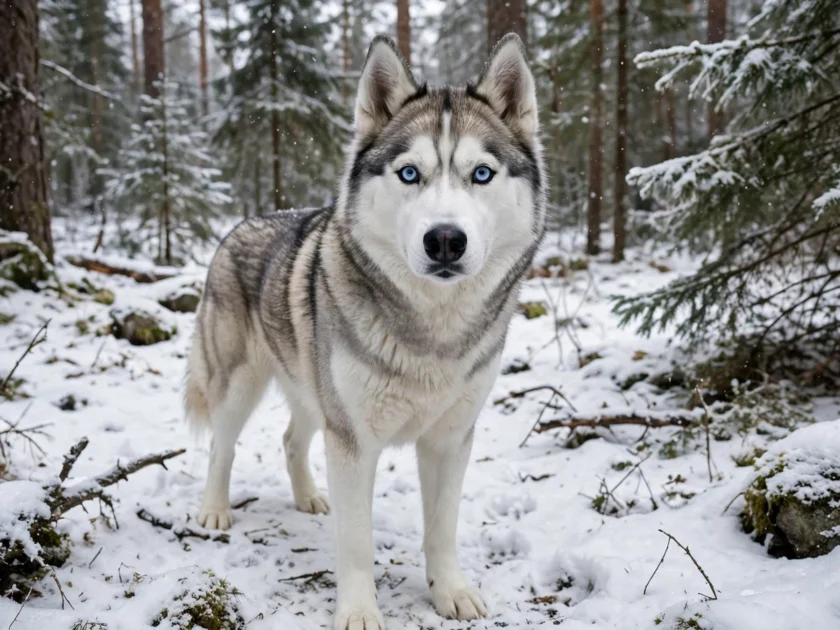
Picture this: it is six in the morning, frost is still on the grass, and your Siberian Husky is already wide awake, tail wagging, staring at you like you have personally kept the sun from rising. They do snow, speed, and silliness, and they drag you along for it all.
The Siberian Husky was bred to pull sleds across frozen miles in Siberia, and that engine survived the move into ordinary family homes. Owners fall for the wolf-like face and blue eyes first, then discover a comedian and escape artist who talks back in howls and dramatic sighs.
Characteristics
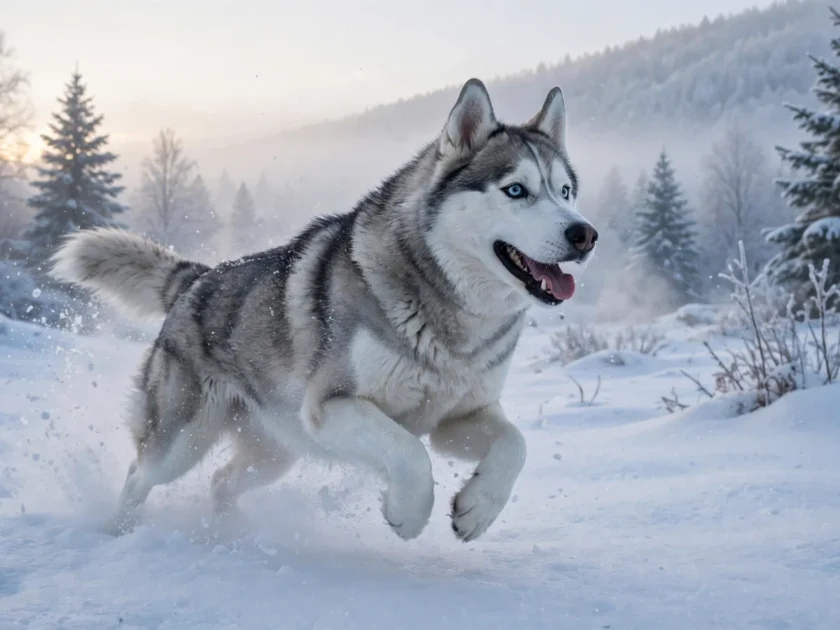
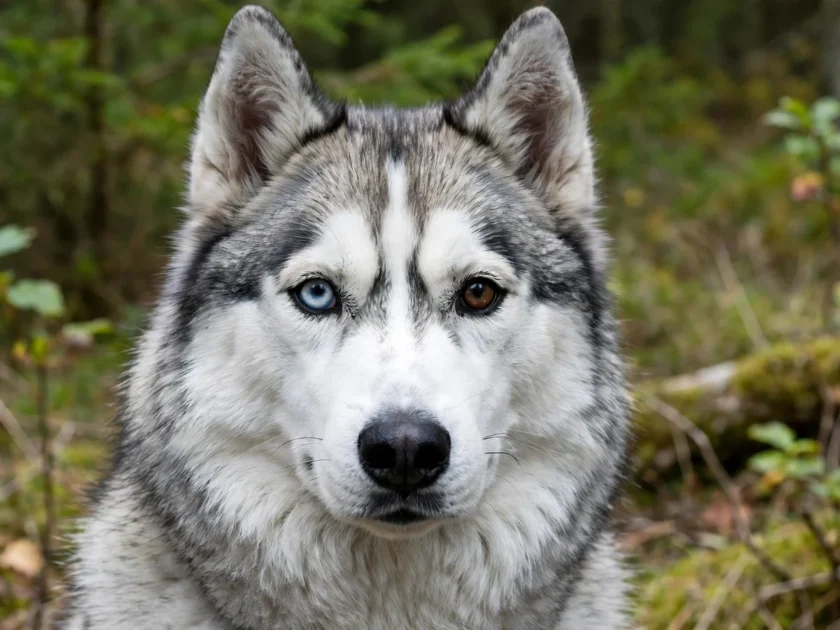
A Husky looks like it walked straight out of a winter postcard. The thick double coat comes in grey and white, black and white, red and white, or solid white, often with striking face markings that make every dog look a little different. Those eyes can be blue, brown, or one of each. Most Huskies stand twenty to twenty-four inches tall, weigh sixteen to twenty-seven kilograms, and live for twelve to fourteen years.
Underneath the looks sits a friendly, outgoing temperament that surprises people who expect a wolf to be aloof. Huskies love people, including strangers, which makes them terrible guard dogs and wonderful companions. They stay playful into adulthood and can open a latch you swore was secure. Missed exercise means invented entertainment, and your garden and shoes may become part of the show.
Habits and Behaviour
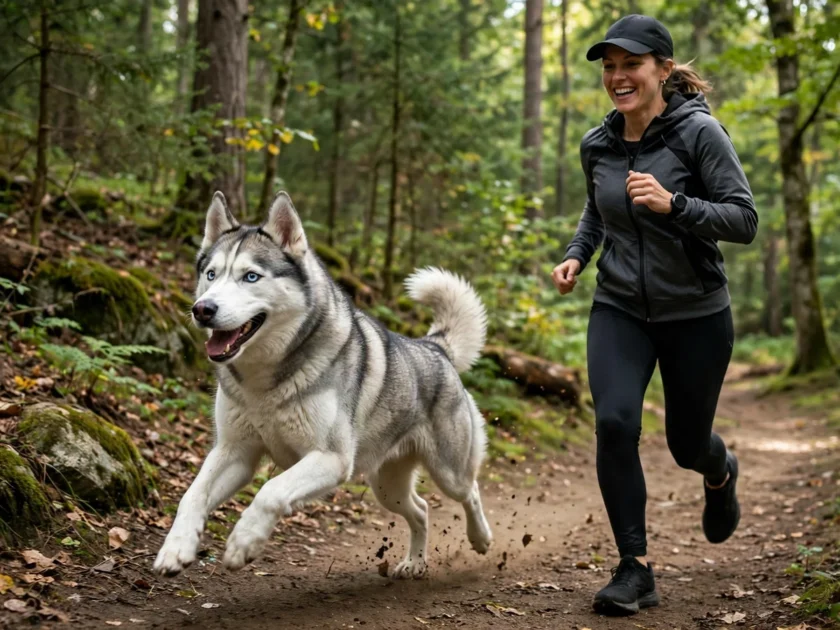
A typical Husky day starts early and runs on routine. Expect a morning walk or run, a burst of zoomies around the garden, a nap in the sunniest spot in the house, and then a polite but firm reminder that it is time to play again. They love to dig in cool earth on warm days, and they love to talk, howling at sirens and singing along with music.
Training a Husky is less about strict commands and more about making good behaviour worth their while. They respond beautifully to treats, praise, and short playful sessions, but they switch off during long repetitive drills, so keep lessons fresh and finish while they are still keen. They need at least ninety minutes of active exercise a day, ideally split between a run and a game that uses their brain, like scent work or a puzzle feeder. With children they are usually gentle and patient, and with other dogs they are often social, although their strong prey drive means cats need careful introductions.
Common Diseases and Health Problems
Huskies are generally hardy dogs, yet they carry a few health problems owners should know by name. Eye conditions top the list, including cataracts, progressive retinal atrophy, and corneal dystrophy, all of which can slowly steal vision if they are not caught early. Hip dysplasia also appears in the breed, where the hip joint does not fit together neatly and gradually causes pain and stiffness. Hypothyroidism is another common one, a sluggish thyroid that shows up as weight gain and a dull coat.
Some Huskies also develop zinc-responsive dermatosis, a skin condition linked to poor zinc absorption that causes crusty sores around the face, ears, and paws. A smaller number face epilepsy, with seizures that are frightening to watch but often manageable with medication, and a few are prone to follicular dysplasia, a coat disorder that leaves patchy thinning hair. Many Huskies never develop any of these problems, yet knowing the names in advance means you notice early signs instead of explaining them away.
Solutions and Prevention
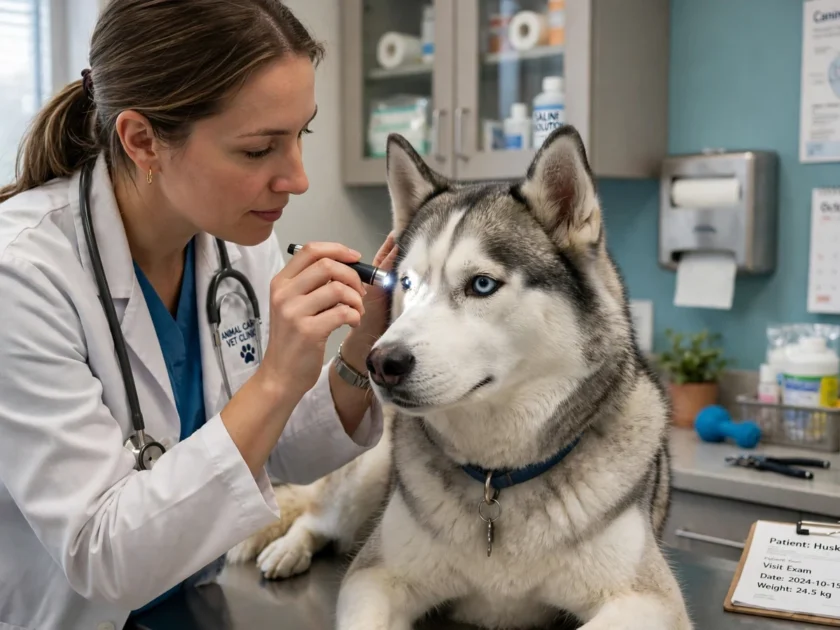
Prevention starts before you even bring a Husky home, with a breeder who health-tests the parents for eyes and hips and can show you the results without hesitation. Once your dog is home, book a vet check every year and ask for an eye examination as part of it, because catching a cataract or retinal change early gives your vet far more options. Keep a simple note of what is normal for your dog, so a slow change stands out instead of creeping past you.
Food and exercise do a surprising amount of the heavy lifting. Feed a balanced diet suited to an active medium-sized dog, measure portions rather than free-feeding, and keep treats to a small share of the daily total so weight stays off sore joints. A zinc-aware diet or supplement, only on your vet’s advice, can help dogs prone to skin trouble. Watch for warning signs and act quickly: bumping into furniture, cloudy eyes, limping after rest, or a seizure all deserve a vet visit that week. Our guide to the healthiest dog breeds with some of the longest lifespans is a useful comparison.

Grooming and Cleaning
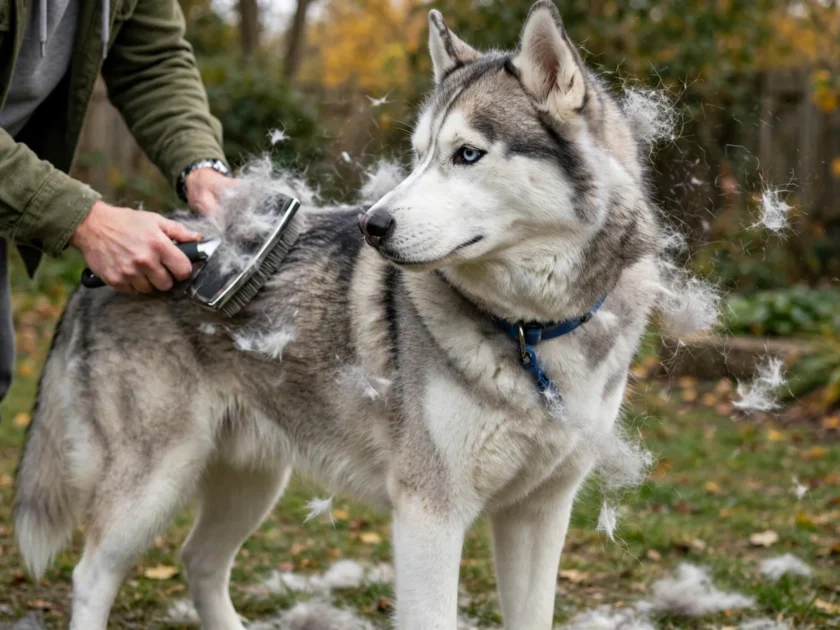
If you own a Husky, you own fur, and the sooner you make peace with that, the happier everyone will be. Huskies shed all year and then blow their entire undercoat twice a year, usually in spring and autumn, when tufts of soft fur drift across the floor like tumbleweed. Brush two or three times a week with a slicker brush or an undercoat rake, and daily during a coat blow, working gently through the thick fur rather than scraping the skin.
Bathe only every few months unless your Husky finds mud, because over-bathing strips the natural oils that keep that double coat weatherproof. Use a gentle dog shampoo, rinse thoroughly, and dry the thick coat well so dampness does not linger near the skin. Trim nails every three or four weeks, check ears weekly for redness or a yeasty smell, and brush teeth several times a week with dog toothpaste.
Living With a Siberian Husky: Care Tips for Owners
Living with a Husky works best when you plan for the dog you actually have, not the quiet wolf from the photos. Secure your garden like you mean it, because Huskies jump fences, dig under them, and learn gate latches faster than most toddlers learn door handles. Give them a job every day, whether that is a long run, a hike, or a training game, and build rest into the routine too. In summer, walk early or late, offer shade and fresh water, and never shave that double coat, since it insulates against heat as well as cold.
Inside the house, keep shoes and remote controls out of reach for the first year, and rotate toys so the novelty never wears off. Huskies do best where someone is around much of the day, or where a dog walker breaks up a long absence, because loneliness plus intelligence equals mischief. The reward is enormous: a dog who greets you like a returning hero every single day and turns an ordinary snowy morning into a small adventure.
Frequently Asked Questions
Are Siberian Huskies good family dogs?
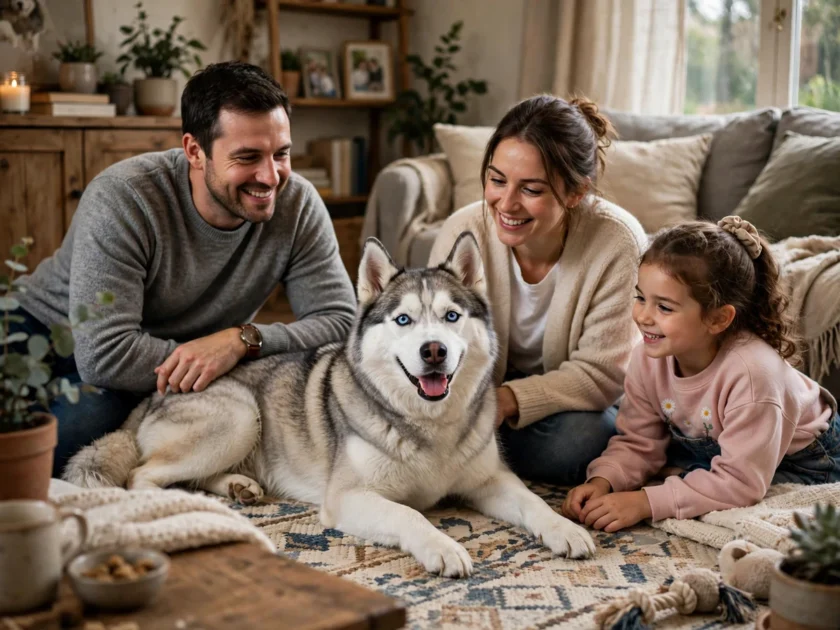
Yes, Huskies are usually wonderful family dogs because they are friendly, playful, and patient with children. They do best in active families who can give them plenty of exercise and company.
How much exercise does a Siberian Husky need?
Most adult Huskies need at least ninety minutes of active exercise every day, split between walks or runs and play or training. Without that outlet they quickly become restless and destructive.
Do Siberian Huskies shed a lot?
Yes, they shed all year and blow their thick undercoat heavily twice a year. Regular brushing, especially during a coat blow, keeps the fur under control.
Can Siberian Huskies live in warm climates?
They can, with care, because their double coat also insulates against heat. Walk them in the cooler hours, provide shade and water, and never shave the coat.
Are Siberian Huskies easy to train?
They are clever and quick to learn, but also independent and easily bored, so training works best in short fun sessions with treats and praise. Patience matters more than strict repetition.