
Introduction
The Azawakh is one of the most striking and least familiar dog breeds in the world, a tall and slender sighthound shaped by the harsh beauty of the West African Sahel. For centuries, the nomadic Tuareg people of Mali, Niger and Burkina Faso kept these dogs as hunters, herders and guardians of their camps. Its name comes from the Azawagh Valley, the dry basin at the heart of its homeland, where speed, endurance and watchfulness were matters of survival. The breed reached Europe in the late 1970s and North America in the 1980s, and the American Kennel Club granted it full recognition in the Hound Group only in 2019. This guide covers the Azawakh in full, from its temperament and habits to the health problems owners should watch for.
Characteristics
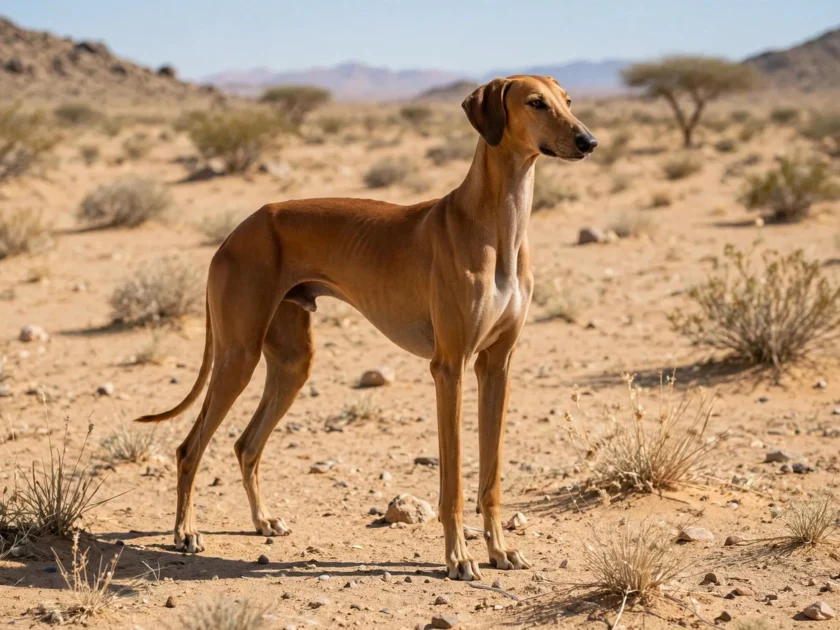
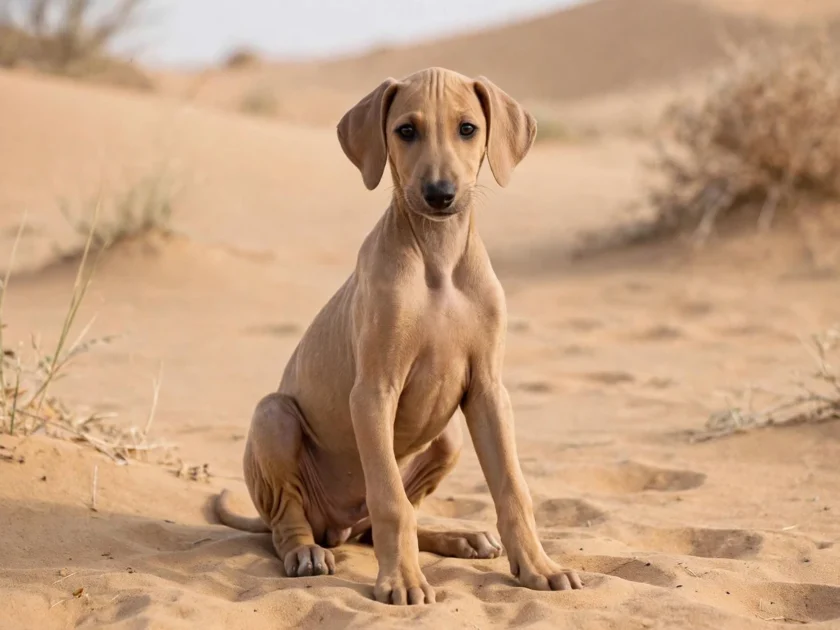
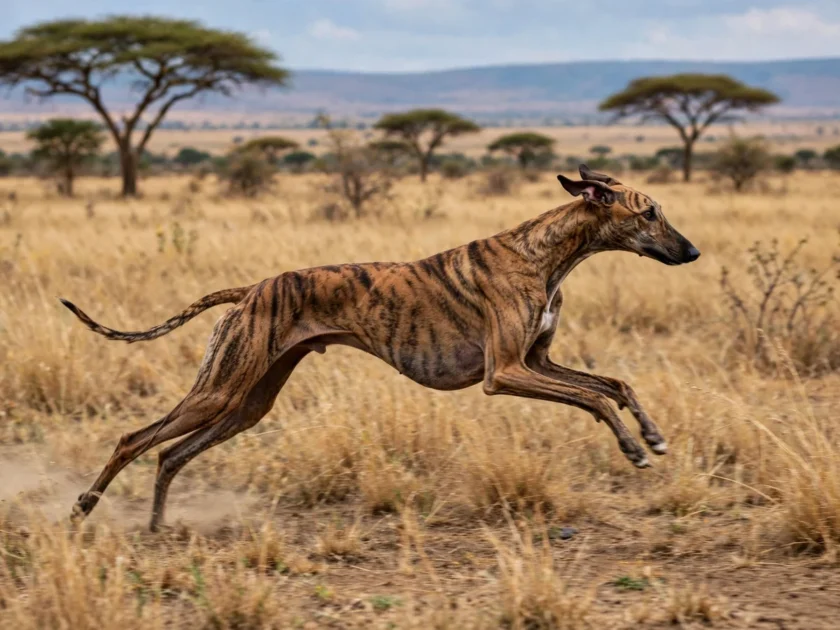
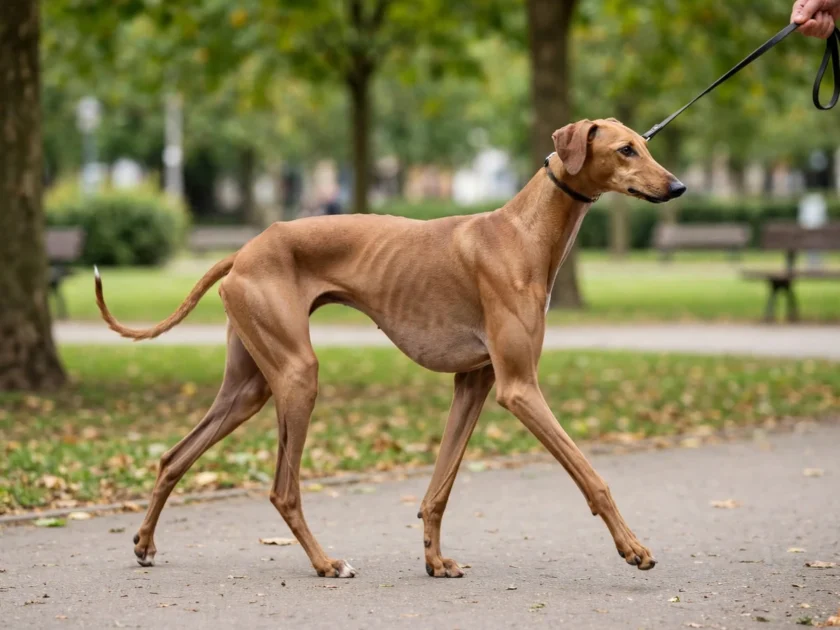
Adults stand 23 to 29 inches tall and weigh only 33 to 55 pounds, and their bodies are so lean that three to five ribs are normally visible. This is not poor feeding but the correct condition for the breed, because a dog that hunts in the heat of the Sahara cannot carry spare weight. Under its fine, short coat every muscle shows, the chest is deep, the waist is tucked high, and the long legs move with a floating gait. The coat comes in sand, fawn, red, brindle, blue, black and brown, often with white markings. Azawakhs usually live twelve to fifteen years and shed very little. Like the Afghan Hound, another ancient sighthound, the Azawakh combines elegance with real athletic power, but where the Afghan is coated and flamboyant, the Azawakh is stripped down to pure function.
Habits and Behaviour
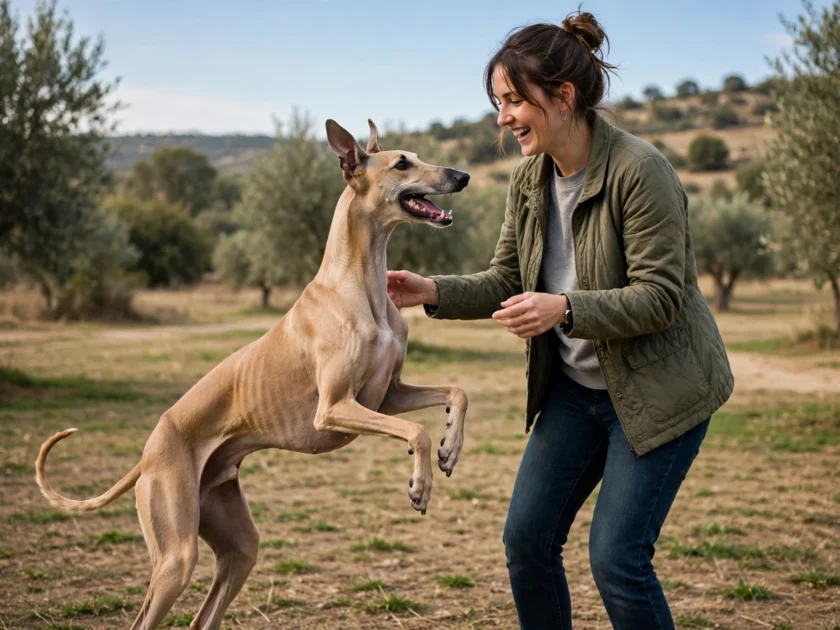
The Azawakh bonds deeply with its own people and guards that bond with quiet devotion. At home it is gentle and calm, often happiest pressed against its owner on the sofa, yet it will watch a stranger with cool suspicion until it decides the person is safe. This reserve is the old guardian instinct of a dog that once protected a whole nomadic camp, so early and patient socialisation matters enormously. Azawakhs are intelligent and independent, so training works best as a partnership built on kind rewards and interesting work. They need a real job, whether lure coursing, agility, long hikes or a daily run in a safely fenced field, because a bored Azawakh left alone in a yard will find its own entertainment. Their prey drive is strong, so they should only be let off the lead in enclosed spaces, yet indoors they are famously quiet dogs that rarely bark without a reason.
Common Diseases and Health Problems
The Azawakh is generally healthy, yet a handful of conditions deserve attention, and several appear in the later years of life. The most common is hypothyroidism, in which the thyroid gland produces too little hormone, causing weight gain, lethargy, recurring skin or ear infections and a dull coat. Thyroid trouble has also been linked to seizures in this breed. Seizures and epilepsy have been seen in some lines, which is why responsible breeders screen their dogs carefully. Masticatory muscle myositis, in which the jaw muscles waste away, has also been reported, so a dog that suddenly struggles to eat needs urgent care. Hip dysplasia is rare thanks to the breed light frame, but it still occurs, as does spondylosis, a stiffening of the spine in older dogs. Deep chested and athletic, the Azawakh can also suffer bloat, a sudden and life threatening twisting of the stomach, and like many sighthounds it is unusually sensitive to barbiturate anaesthetics.

Solutions and Prevention
Most health worries in this breed can be reduced or caught early with steady, ordinary care. The most important step comes before the puppy arrives: choose a breeder who health tests their dogs, including thyroid panels, hip evaluations, cardiac checks and eye examinations, and who is open about any history of seizures in their lines. Once the dog is home, annual veterinary checks with blood work are the best early warning system, especially for thyroid function. A high quality diet served in two measured meals a day keeps the dog lean, while resting after meals and avoiding hard exercise on a full stomach helps reduce the risk of bloat. Owners should learn the warning signs of bloat, such as a swollen belly, restlessness and unproductive retching, because it is an emergency measured in minutes. Daily tooth brushing protects the teeth, and every vet should be told the dog is a sighthound with anaesthetic sensitivity before any procedure.
Grooming and Cleaning
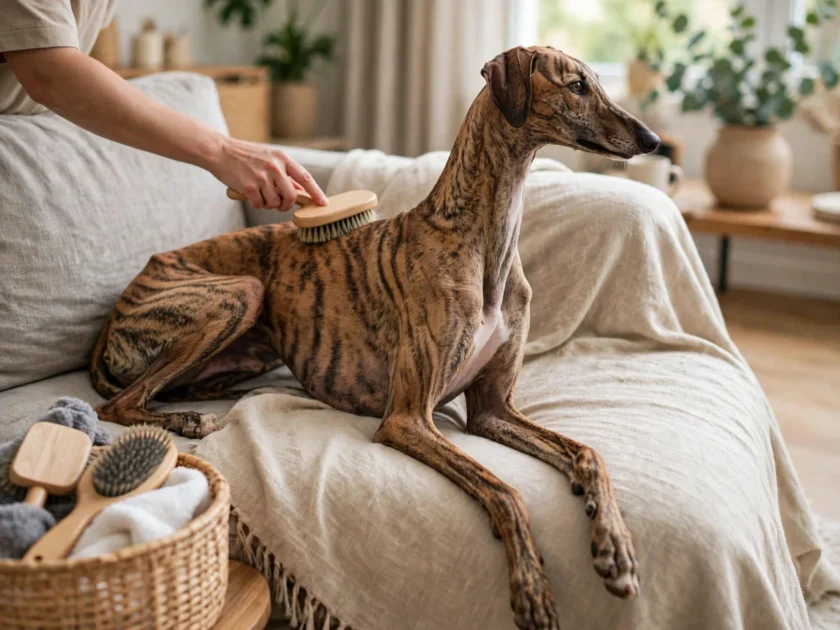
Grooming an Azawakh is one of the easiest jobs in the dog world and takes only a few minutes a week. The short, fine coat needs no clipping and no professional groomer, and a weekly brush with a soft brush or grooming mitt removes loose hair and spreads the skin natural oils. Bathing is only needed when the dog is genuinely dirty, because too much washing dries the skin, and a damp cloth between baths usually does the job. Nails should be trimmed every few weeks, ears checked and cleaned weekly, and teeth brushed as often as possible, ideally every day, because dental disease is common in the breed.
Living With a Azawakh: Care Tips for Owners
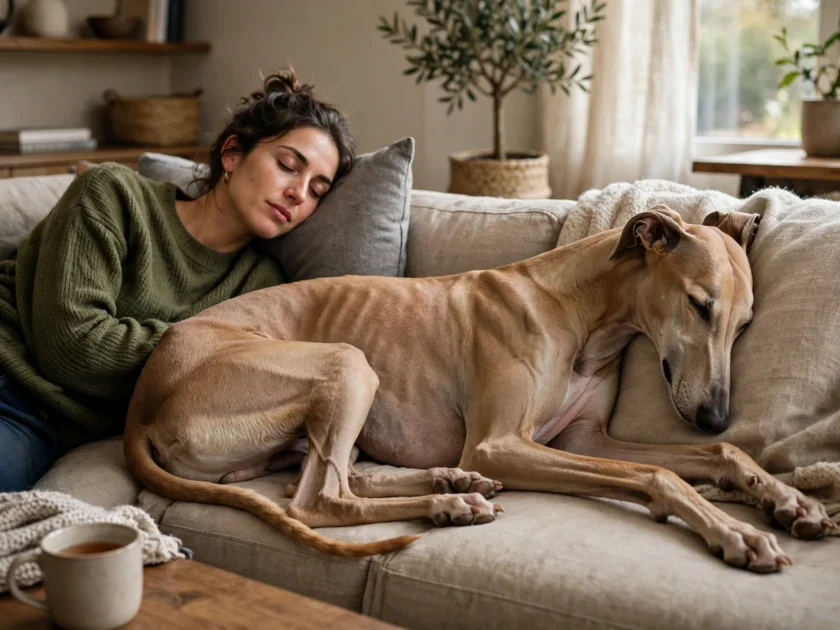
Living with an Azawakh is a pleasure, but only for owners whose lifestyle fits the dog. This athletic breed needs around an hour of real exercise every day, including regular chances to run at full speed in a secure, fenced area. Indoors, the dog is a quiet and clean companion that asks for little more than warmth, comfort and company, and it hates the cold, so a soft bed, a blanket and a coat for winter outings are necessities. The breed does best with owners who are around for much of the day, and it can live well with respectful older children and dogs it grew up with, though cats and small pets need careful introductions because of its strong prey drive. Anyone who offers daily running, gentle training, a warm home and plenty of company will be rewarded with one of the most loyal dogs in the world. You can read more about the breed history and origins on the Azawakh Wikipedia page.
FAQ
Are Azawakhs good family dogs?
Azawakhs can be wonderful family dogs in the right home, being gentle, loyal and deeply devoted to the people they live with. They are usually best with older children who treat a sensitive dog calmly, and they need early socialisation so their reserve around strangers does not turn into nervousness.
How much exercise does an Azawakh need?
An Azawakh needs around an hour of exercise every day, including the chance to run at full speed in a safely fenced area rather than just walking on a lead. Lure coursing, agility and long hikes also give their intelligent minds a job to do.
Do Azawakhs shed a lot?
No, Azawakhs are light shedders with a short, fine coat that needs very little upkeep. A weekly brush with a soft brush or grooming mitt is enough to remove loose hair, and they only need a bath when they are actually dirty.
Are Azawakhs healthy dogs?
Yes, the Azawakh is generally a healthy breed with a lifespan of twelve to fifteen years, but owners should be aware of hypothyroidism, seizures, masticatory muscle myositis and bloat. Choosing a puppy from health tested parents and keeping up with annual vet checks catches problems early.
Can an Azawakh live in a cold climate?
An Azawakh can live in a colder climate, but it needs extra care because its short coat and almost complete lack of body fat leave it very sensitive to cold. Owners should provide a warm coat for walks, a draught free sleeping area and plenty of blankets.