

Introduction
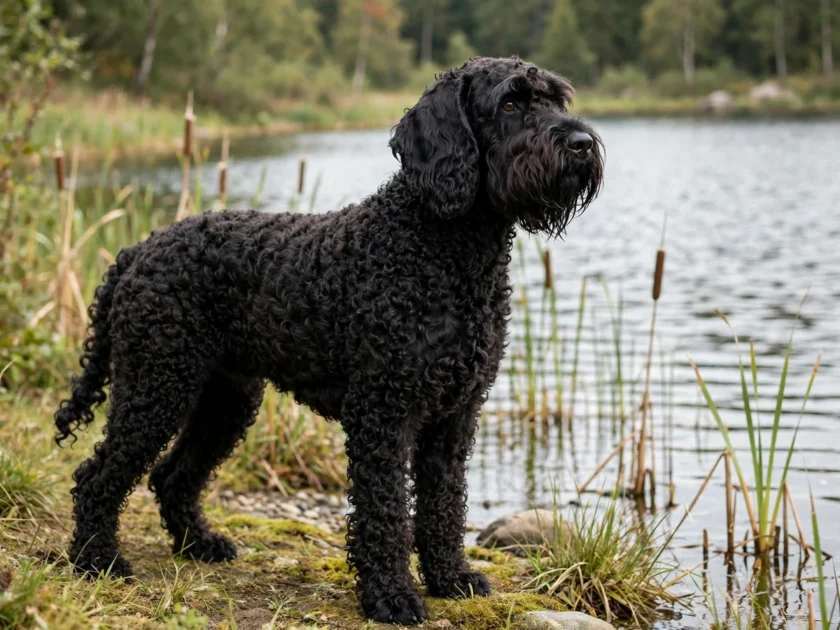
Meet the Barbet, a joyful French water dog with a shaggy curly coat and a distinctive beard. Pronounced bar-bay, this rare and ancient breed takes its name from the French word for beard, and one look at that charming face explains why the name has lasted for centuries. Barbets were developed in France to work in marshes, lakes and rivers, retrieving waterfowl, and that past still shapes them today, from their webbed feet to their love of swimming. The breed gained full recognition from the American Kennel Club in 2020 and has slowly been winning devoted fans ever since. You can read more about its long history on the Barbet Wikipedia page. At home the Barbet is calm and affectionate, happiest near its people.
Characteristics
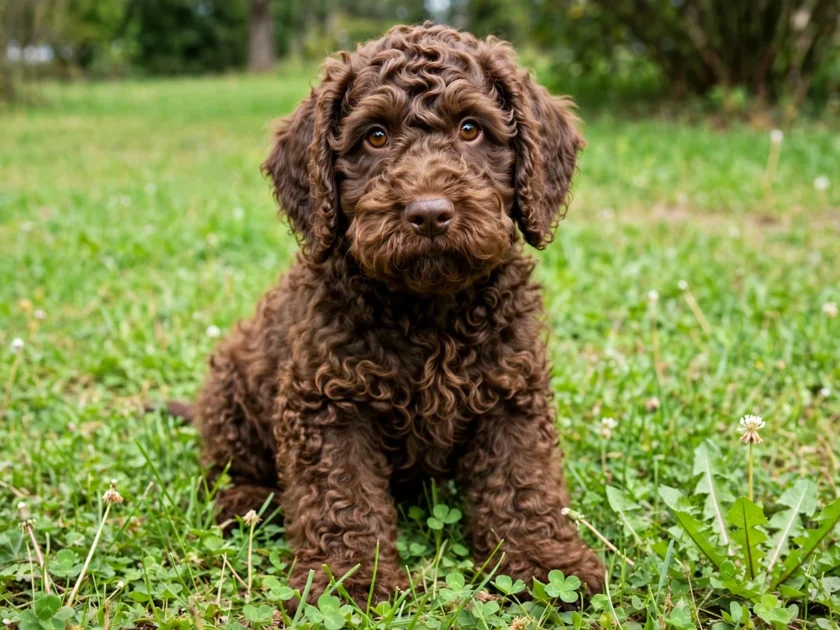
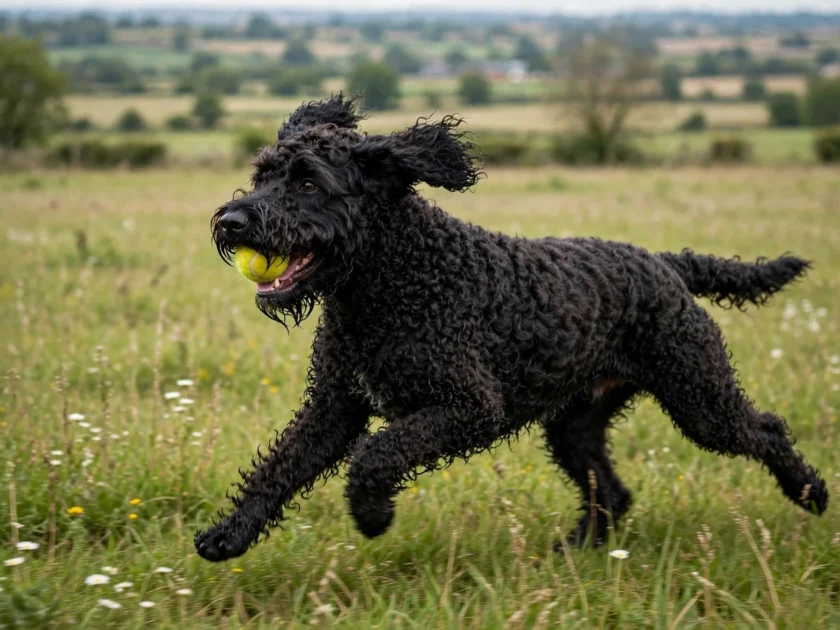
The Barbet is a medium sized dog with a sturdy, slightly rectangular build. Most adults stand between nineteen and twenty four and a half inches tall and weigh between thirty five and sixty five pounds, with males usually a little taller and heavier than females. Its dark round eyes peer out from beneath a fall of curls, and its long ears hang close to the cheeks. Its feet are webbed, which helps it power through water. The coat is the breed’s most recognisable feature, a dense mass of long woolly curls in black, brown, grey, fawn, cream or white, often with white markings. The Barbet is athletic and long lived, with a typical lifespan of twelve to fourteen years, and its temperament is friendly, joyful and sweet natured. It shares some of its curly coated charm with the Poodle.
Habits and Behaviour
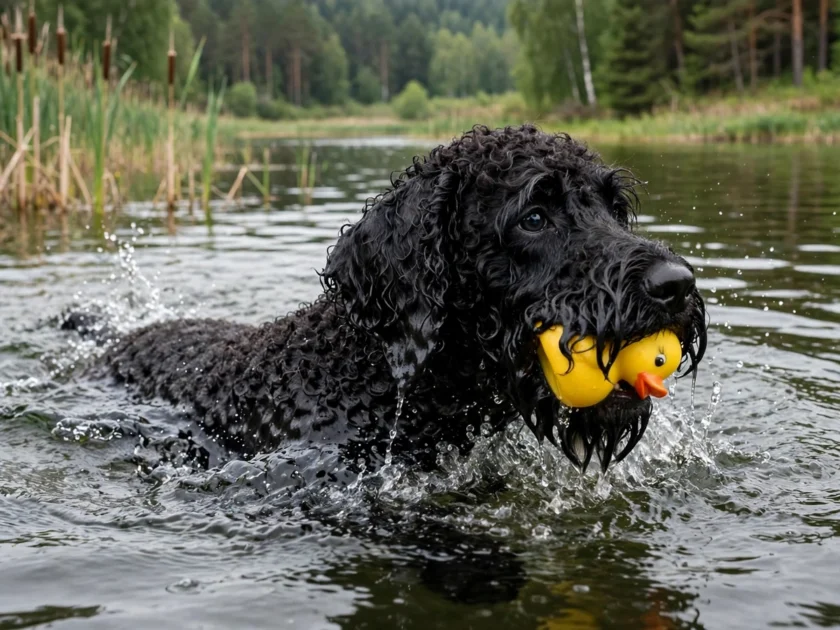
A Barbet is happiest when it has something to do and someone to do it with. Bred to work alongside a hunter, it thrives on partnership and will follow its owner from room to room. Swimming is its great joy, and most Barbets will seize any chance to splash in a lake, a river or a stream, earning the affectionate nickname of mud dog. On land, the breed enjoys long walks, hiking, retrieving games and dog sports such as agility and dock diving, and a tired Barbet is a calm Barbet, content to rest quietly indoors. With people, the Barbet is warm, sociable and famously gentle with children, showing a patient nature that makes it a natural family dog. It generally gets along well with other dogs and can live with cats when socialised from puppyhood. Training suits it well, as it is intelligent and eager to please, yet sensitive, so it responds best to praise, treats and play.

Common Diseases and Health Problems
For a breed with such a small gene pool, the Barbet is generally healthy, and careful breeding has kept serious inherited disease relatively uncommon. Even so, owners should know the main conditions to watch for. Hip dysplasia is the most discussed concern, in which the hip joint does not fit neatly into its socket, so the bones rub and wear over time, leading to pain, stiffness and arthritis. Elbow dysplasia causes a similar problem in the front legs, where the elbow bones do not grow together quite as they should, leading to lameness and early joint wear. Progressive retinal atrophy, often in the form known as prcd PRA, is an inherited eye condition in which the cells at the back of the eye slowly deteriorate, starting with night vision and gradually leading to blindness. Cataracts and entropion, in which the eyelid rolls inward, can also occur. Ear infections, allergies and epilepsy are also reported.

Solutions and Prevention
The best protection for a Barbet starts before the puppy comes home, with the choice of breeder. A responsible breeder will have screened the parents for hip and elbow dysplasia, arranged regular eye examinations by a veterinary ophthalmologist, and carried out DNA testing for prcd PRA, and they should share those results openly. Once the puppy is home, keeping it lean is one of the most powerful forms of prevention, because excess weight strains developing joints and can turn a mild tendency toward dysplasia into a painful problem. Feed a high quality diet suited to the dog’s life stage and measure meals. Regular veterinary care is the other half of prevention, with annual check ups and vaccinations giving the vet a chance to notice early changes in movement, vision or skin. At home, watch for slow rising, hesitation on stairs, head shaking after swimming or uncertainty in low light, and seek a prompt vet visit.
Grooming and Cleaning
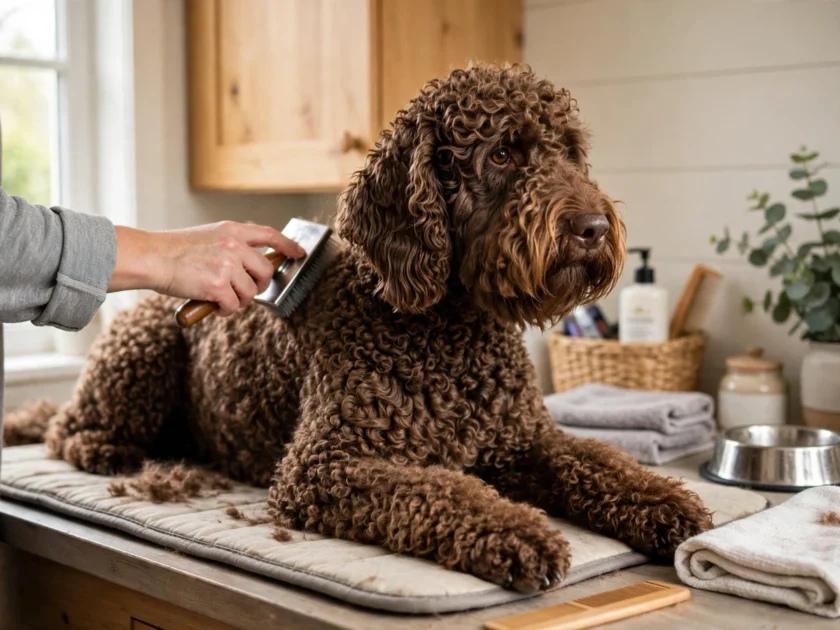
The Barbet’s beautiful coat is also its biggest commitment. The hair grows continuously, sheds very little, and traps loose hair inside the curls instead of dropping it on the floor, so the coat will mat quickly without regular care, especially behind the ears, under the collar, in the armpits and after swimming. Brushing through to the skin with a slicker brush and then a comb, at least once or twice a week, is essential, and many owners find a shorter trim makes daily life much easier. Keeping the coat around three to five inches long preserves the breed’s shape while making brushing simpler, and after a bath the hair should be left to air dry. A professional groomer can help every few months with shaping the coat and trimming around the eyes. Check ears regularly, trim nails often, and brush teeth with toothpaste made for dogs.

Living With a Barbet: Care Tips for Owners
Living with a Barbet is a delightfully active adventure, and the dogs that do best are those treated as true members of the household. Plan for at least an hour of exercise every day, mixing walks with swimming, retrieving games and training so both body and mind are tired by evening. Feed adults twice a day, choose a food suited to a medium sized active dog, and keep treats modest so the waistline stays trim and the joints stay happy. Start training early and socialise the puppy widely. Because Barbets bond so closely to their people, avoid leaving one alone for a whole working day, and if work keeps you out, a dog walker or trusted day care visit can help. Give it a comfortable bed near the family, a safe place to swim and regular vet visits, and it will repay that care with loyalty and affection for years.
FAQ
Is a Barbet a good family dog?
Yes, the Barbet makes an outstanding family dog for an active household. It is gentle and affectionate with children, sociable with other dogs, and happiest as part of everyday family life.
Do Barbets shed a lot?
No, Barbets shed very little, because loose hair stays trapped inside the curls instead of falling onto furniture and floors. That does not mean low maintenance, as trapped hair will mat quickly without frequent brushing.
How much exercise does a Barbet need?
A Barbet needs at least an hour of exercise every day, and ideally more when young and energetic. Walks alone are rarely enough, so add swimming, retrieving games, training and dog sports. A well exercised Barbet is calm indoors, while an under exercised one may bark, dig or chew.
Are Barbets easy to train?
Barbets are intelligent and eager to please, which makes training rewarding, but they are sensitive and can become bored or stubborn if sessions are harsh or repetitive. They learn best with positive reinforcement, using praise, treats and play, and with short fun lessons that change often.
What health problems do Barbets have?
Barbets are generally healthy, but they can be prone to hip and elbow dysplasia, progressive retinal atrophy and other eye conditions, ear infections, allergies and, less commonly, epilepsy. Responsible breeders screen for hip, elbow and eye problems, while owners can help by keeping the dog lean and drying its ears after swimming.