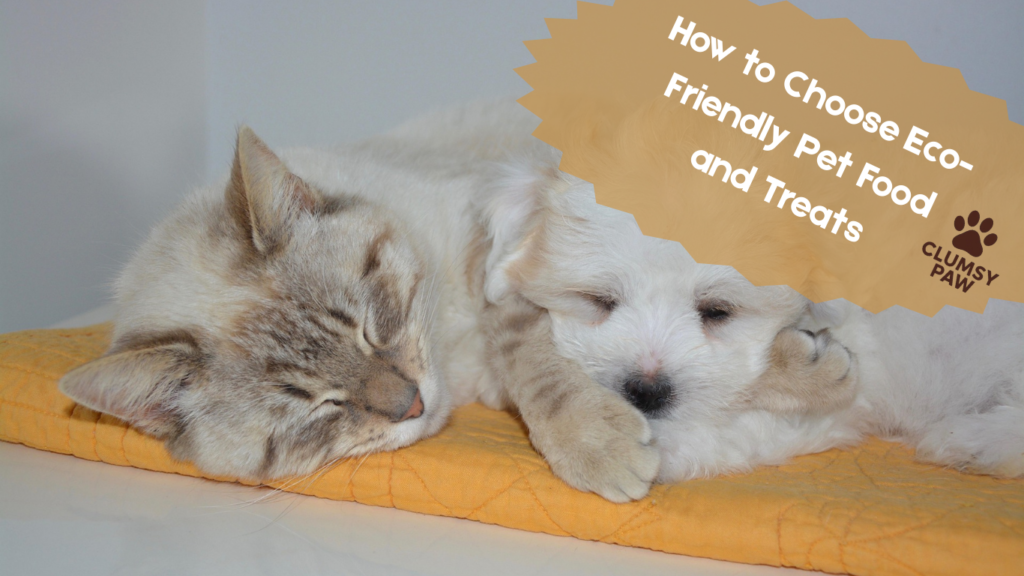

How to Choose Eco Friendly Pet Food and Treats Across the United States, pet parents are becoming more conscious about how their choices affect not only their pets’ health but also the environment. As pets increasingly take on the role of full-fledged family members, the desire to care for them responsibly has grown stronger. One major area where this shift is happening is pet nutrition.
Eco-friendly pet food and treats are no longer niche products they are becoming a meaningful part of sustainable living.
Choosing eco-friendly pet food is about more than following a trend. It’s about understanding where ingredients come from, how products are made, how they affect your pet’s health, and what impact they have on the planet. With so many options on store shelves and online, the process can feel overwhelming.
This guide is designed to help U.S. pet owners make confident, informed decisions when selecting eco-friendly pet food and treats that support both animal wellness and environmental responsibility.
How to Choose Eco Friendly Pet Food and Treats
Eco-friendly pet food refers to products made with sustainability in mind at every stage of production. This includes responsible ingredient sourcing, ethical manufacturing practices, minimal environmental impact, and thoughtful packaging.
Unlike conventional pet food, which may rely heavily on mass farming, artificial additives, and excessive plastic packaging, eco-friendly options focus on natural ingredients, reduced waste, and lower carbon footprints. These products aim to nourish pets while also respecting the ecosystems that supply their ingredients.
For pet parents, eco-friendly pet food offers peace of mind—knowing that their purchasing choices align with values of health, ethics, and sustainability. Read About How to Create an Eco-Friendly, Pet-Friendly Home.
Why Eco-Friendly Pet Food Is Better for Your Pet
What your pet eats has a direct impact on their health, energy, and longevity. Eco-friendly pet foods often prioritize high-quality, minimally processed ingredients that are easier for pets to digest.
Many traditional pet foods contain fillers, artificial colors, and preservatives that provide little nutritional value and may contribute to allergies or digestive issues. Eco-friendly foods tend to avoid these additives, focusing instead on whole proteins, natural carbohydrates, and beneficial fats.
Pets fed higher-quality, sustainable diets often experience improvements in coat condition, digestion, energy levels, and overall vitality. For many U.S. pet owners, these health benefits are a major motivation for making the switch.
Understanding Ingredient Sourcing
One of the most important factors in choosing eco-friendly pet food is ingredient sourcing. Sustainable brands pay close attention to where their ingredients come from and how they are produced.
Responsibly sourced proteins may come from farms that follow ethical animal welfare standards or from fisheries that prioritize sustainable harvesting. Plant-based ingredients are often grown using practices that reduce pesticide use and protect soil health.
For pet parents in the United States, locally sourced ingredients can be an added benefit. Local sourcing reduces transportation emissions and supports regional farmers and producers.
The Role of Sustainable Proteins
Protein is a key component of any pet’s diet, especially for dogs and cats. However, protein production can have a significant environmental impact if not managed responsibly.
Eco-friendly pet food brands often explore alternative protein sources or prioritize responsibly farmed options. Some use sustainably raised poultry or fish, while others incorporate novel proteins or plant-based components where appropriate.
The goal is to meet pets’ nutritional needs while reducing the strain on natural resources. When chosen carefully, sustainable proteins can provide excellent nutrition without compromising environmental values.
Avoiding Harmful Additives and Fillers
Eco-friendly pet foods typically avoid artificial preservatives, colors, and flavor enhancers. These additives may improve shelf life or appearance, but they offer no real nutritional benefit and may irritate sensitive pets.
Instead, sustainable brands rely on natural preservation methods and simple ingredient lists. This transparency helps pet owners understand exactly what they’re feeding their pets.
Reading ingredient labels carefully is one of the most effective ways to identify eco-friendly pet food. Shorter, recognizable ingredient lists are often a good sign of quality and sustainability.
Eco-Friendly Pet Treats: Small Choices, Big Impact
Treats are a beloved part of pet ownership, but they can also contribute to environmental waste if chosen carelessly. Eco-friendly pet treats are made with the same sustainability principles as quality pet food.
These treats often use responsibly sourced ingredients, minimal processing, and eco-conscious packaging. Some brands even use upcycled ingredients—such as surplus produce or byproducts from human food production—to reduce waste.
For pet parents in the U.S., choosing sustainable treats allows them to reward their pets while staying aligned with environmentally responsible habits.
Packaging: A Key Part of Sustainability
Packaging plays a major role in determining how eco-friendly a pet food product truly is. Traditional pet food packaging often involves multilayer plastics that are difficult to recycle and contribute to landfill waste.
Eco-friendly brands focus on recyclable, compostable, or reusable packaging whenever possible. Some offer refill options or concentrated products that reduce packaging volume and shipping emissions.
By choosing products with responsible packaging, pet parents can significantly reduce their household’s environmental footprint.
Certifications and Transparency
While eco-friendly pet food does not always carry a single universal label, transparency is a hallmark of sustainable brands. Companies that are truly committed to sustainability openly share information about their sourcing, manufacturing processes, and environmental goals.
For U.S. consumers, this transparency builds trust and allows informed decision-making. Brands that prioritize sustainability often provide detailed explanations of their values and practices directly on their packaging or websites.
Asking questions and doing basic research can help pet owners identify companies that genuinely align with eco-friendly principles.
Supporting Ethical Manufacturing Practices
Sustainability goes beyond ingredients and packaging—it also includes how products are made. Ethical manufacturing practices focus on reducing energy use, minimizing waste, and ensuring fair labor conditions.
Many eco-friendly pet food companies in the United States invest in cleaner production methods and energy-efficient facilities. Supporting these brands encourages broader industry improvements and responsible business practices.
Every purchase becomes a vote for the kind of pet care industry consumers want to support.
The Environmental Impact of Pet Food Choices
Pet food production contributes to environmental challenges such as greenhouse gas emissions, water usage, and land degradation. While individual choices may seem small, collectively they make a meaningful difference.
By choosing eco-friendly pet food and treats, U.S. pet parents help reduce demand for unsustainable farming practices and excessive resource consumption. Over time, these choices contribute to healthier ecosystems and more resilient food systems.
Sustainability is not about perfection—it’s about making better choices whenever possible.
Balancing Sustainability with Nutritional Needs
While environmental responsibility is important, a pet’s nutritional needs must always come first. Eco-friendly pet food should meet established nutritional standards and be appropriate for your pet’s age, size, and health condition.
Consulting with a veterinarian before making major dietary changes is always a wise step. Many veterinarians in the United States now recognize and support sustainable nutrition options when chosen carefully.
The best eco-friendly pet foods strike a balance between environmental impact and complete, balanced nutrition.
Transitioning to Eco-Friendly Pet Food
Switching to a new pet food should always be done gradually to avoid digestive upset. Introducing eco-friendly food slowly allows your pet’s system to adjust and helps identify any sensitivities.
Most pet parents start by mixing small amounts of the new food with the old, gradually increasing the ratio over time. Observing changes in appetite, digestion, and energy helps ensure the transition is successful.
Patience and consistency make the process smoother for both pets and owners.
Cost Considerations and Value
Some pet owners worry that eco-friendly pet food and treats are more expensive. While certain products may have a higher upfront cost, they often offer better nutritional value and fewer fillers.
Higher-quality ingredients can lead to better health outcomes, potentially reducing veterinary costs over time. Additionally, as demand grows in the U.S. market, sustainable options are becoming more affordable and widely available.
Viewing eco-friendly pet food as an investment in health and sustainability can shift the cost perspective.
Choosing Eco-Friendly Options for Different Pets
Dogs and cats have different nutritional needs, and eco-friendly options exist for both. Dog foods may include sustainable proteins and grains, while cat foods focus on responsibly sourced animal proteins essential for feline health.
Small pets, such as rabbits or guinea pigs, also benefit from sustainably grown hay, pellets, and treats. Matching eco-friendly products to your pet’s specific needs ensures both health and sustainability.

The Role of Consumer Demand in the U.S.
The rise of eco-friendly pet food is driven largely by consumer demand. As more pet parents choose sustainable options, companies are motivated to improve practices and expand offerings.
In the United States, where pet ownership is widespread and influential, consumer choices play a powerful role in shaping the future of the pet food industry.
Every purchase sends a message about what matters to modern pet parents.
Teaching Responsible Pet Ownership Through Food Choices
Choosing eco-friendly pet food is also an opportunity to model responsible consumption. Families with children can use pet care decisions to teach values such as environmental stewardship and ethical responsibility.
Pets become part of a broader lifestyle that prioritizes health, kindness, and sustainability.
A Greener Future for Pets and the Planet
Eco-friendly pet food and treats represent a meaningful step toward a more sustainable future. They show that caring for pets and caring for the planet can go hand in hand.
As innovation continues and awareness grows, sustainable options will become even more accessible and effective. Pet parents who make these choices today help pave the way for a healthier tomorrow.
Final Thoughts
Choosing eco-friendly pet food and treats is a powerful way to support your pet’s health while making a positive environmental impact. By focusing on responsible sourcing, natural ingredients, ethical practices, and sustainable packaging, pet parents across the United States can make informed decisions that align with their values.
Sustainability doesn’t require perfection—just thoughtful choices. Every bag of food, every treat, and every small shift adds up to a healthier life for your pet and a cleaner world for everyone.
Your pet depends on you for nourishment. Choosing eco-friendly options ensures that nourishment comes with care, responsibility, and respect for the planet you both share.