
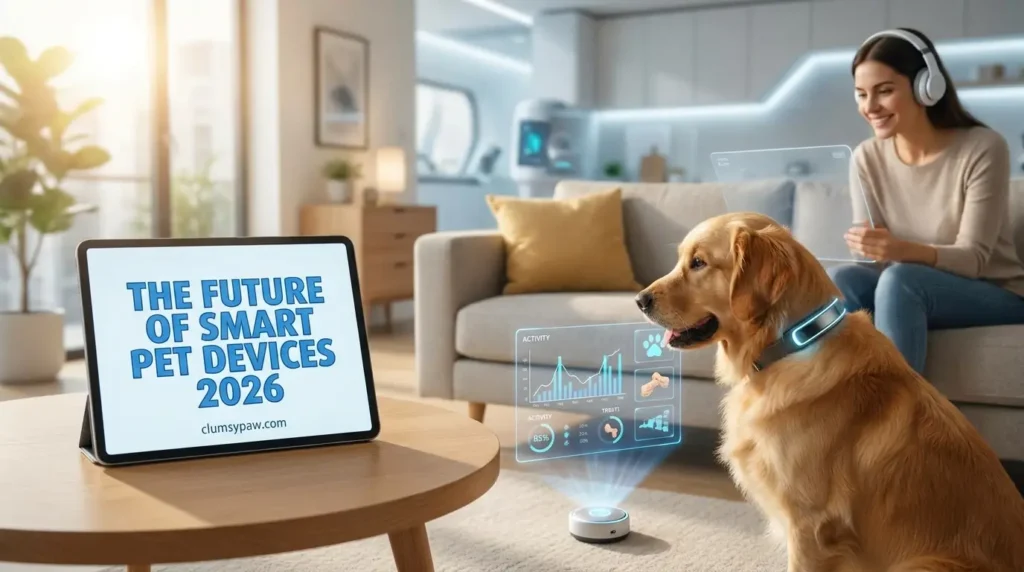

The Future of Smart Pet Devices and pet care industry has seen rapid innovation, thanks to the rise of smart technology. Just like other aspects of our daily lives, technology is revolutionizing the way we care for our pets. From automated feeders to GPS trackers and health monitors, smart pet devices have already made pet ownership easier, safer, and more enjoyable.
As technology continues to advance, the possibilities for pet care continue to grow. The future of pet tech promises even more innovative solutions that enhance our ability to monitor, interact with, and care for our furry friends. This blog post will explore what’s next for pet tech and the exciting smart pet devices that will define the future of pet care.
The Future of Smart Pet Devices 2026
Check out the future smart pet devices 2026 below:
1. AI-Driven Health Monitoring for Pets
Artificial Intelligence (AI) has already begun to play a significant role in the pet tech world, and its influence is only expected to grow in the coming years. AI-powered health monitoring devices will provide pet owners with real-time data on their pets’ health and well-being, allowing for a more proactive approach to their care.
A. Smart Collars with AI Sensors
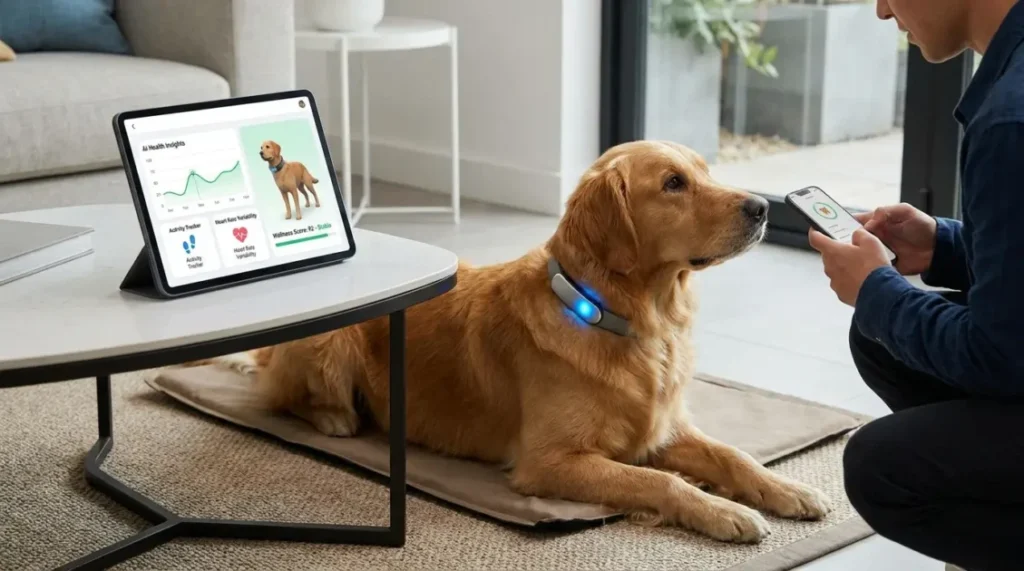
AI-powered collars will be able to monitor a pet’s heart rate, temperature, sleep patterns, activity levels, and even stress levels. These smart collars will communicate with your smartphone, providing real-time updates about your pet’s health. For example:
- Health Insights: The collar will analyze the data collected and give you insights into your pet’s overall health. If the device detects any irregularities, such as a rapid heart rate or changes in activity levels, it will alert you.
- Behavioral Monitoring: AI can also analyze your pet’s behavior patterns. It can identify any changes in mood or behavior that might indicate health issues, allowing you to catch potential problems early.
- Personalized Recommendations: Based on the data collected, the AI can offer tailored advice, such as adjusting exercise routines or diet, to help maintain optimal health.
B. Preventive Care and Early Diagnosis
With AI-driven health monitoring, pet owners will have a powerful tool for preventive care. Early detection of health issues, like arthritis or diabetes, will be possible, and by receiving alerts at the earliest stages, pet owners can seek treatment before the condition worsens. This could significantly improve your pet’s quality of life and reduce long-term healthcare costs.
2. Smart Pet Doors: Convenience and Security
Pet doors have been around for years, but the future of pet doors is becoming smarter, more secure, and more energy-efficient. The next generation of smart pet doors will offer pet owners more control and security, while also ensuring the safety of your pets.
A. Automated and Secure Entry/Exit
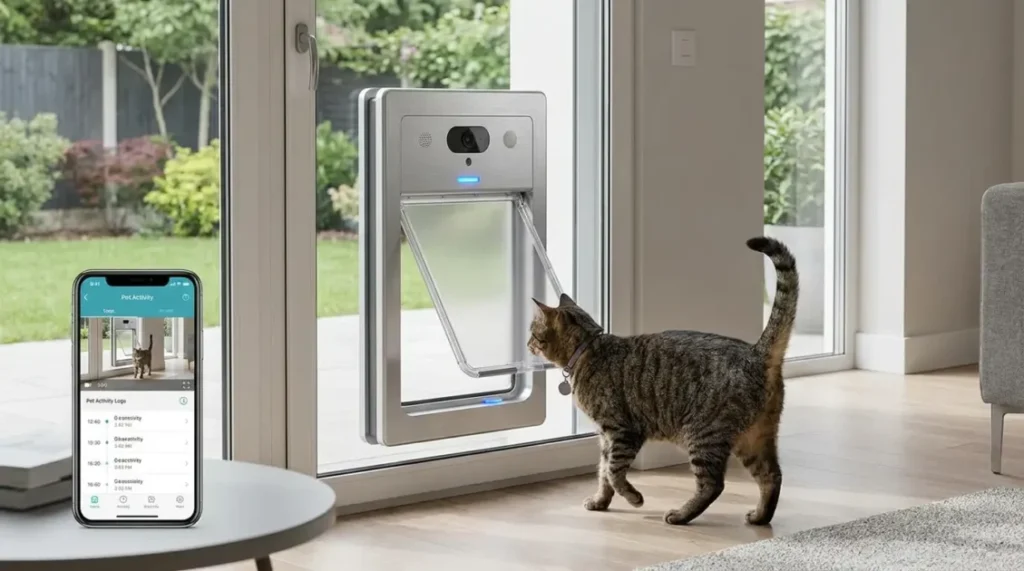
Modern smart pet doors use sensors or RFID technology to allow only your pets to pass through. These devices will automatically open when your pet approaches, ensuring that only authorized pets can enter or exit.
- Customizable Access: You will have the option to set a schedule for when your pet can go outside or come back in, adding another layer of control. This is especially useful for preventing your pet from roaming at night or in extreme weather.
- Secure Locking Mechanisms: These pet doors will come equipped with advanced security features, such as remote locking, so you can control access to your home from anywhere via an app.
- Weather Resistance: Future smart pet doors will be designed to be weatherproof and energy-efficient, helping to maintain your home’s temperature while allowing your pet to enjoy the outdoors.
B. Geofencing and Location-Based Controls
In the future, smart pet doors may incorporate geofencing technology, allowing you to set virtual boundaries for your pet. For example, you can program the door to unlock only when your pet is in a certain location, such as within your yard. This adds an extra layer of safety, especially if your pet is prone to wandering off.
3. Pet Fitness Wearables:
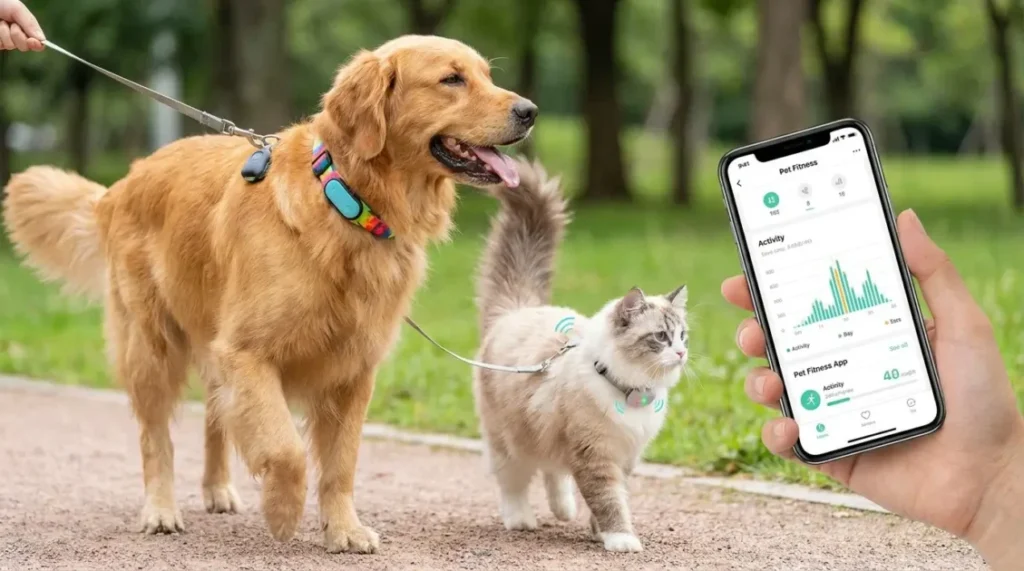
Just like fitness trackers for humans, pet fitness wearables are becoming increasingly popular among pet owners who want to ensure their pets remain active and healthy. These devices help track physical activity, sleep, and overall well-being, providing valuable insights into your pet’s lifestyle.
A. Advanced Activity Monitoring
Smart pet wearables will be capable of monitoring your pet’s daily activity levels, including the number of steps they take, the amount of time they spend playing, and how much exercise they get throughout the day. This data can be invaluable for maintaining a healthy weight and overall fitness. For example:
- Personalized Activity Goals: The wearable will track your pet’s progress toward their daily activity goals and provide recommendations based on their age, breed, and health status.
- Health Insights: If the wearable detects a sudden drop in activity levels or other unusual patterns, it will notify you, helping you address potential health concerns before they become serious.
B. Sleep and Rest Monitoring
Sleep is an essential part of a pet’s overall health, and smart pet wearables will soon be able to monitor your pet’s sleep patterns, giving you insight into how well your pet is resting. Lack of rest can be an indicator of stress, anxiety, or health problems, and the wearable can alert you to potential issues.
4. Pet Cameras with AI:
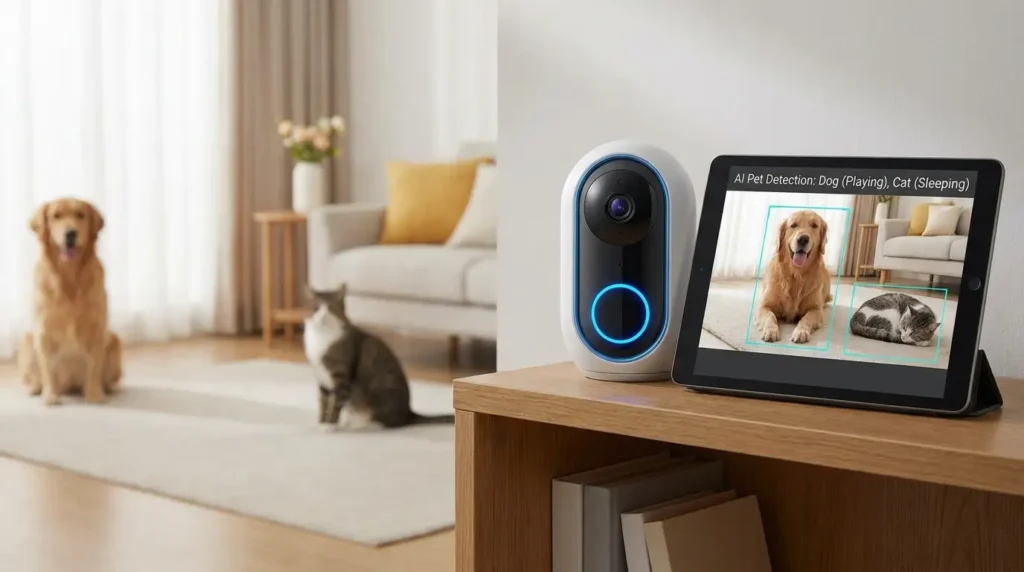
Pet cameras are already popular for pet owners who want to keep an eye on their pets while they’re away from home. However, the next generation of pet cameras is integrating AI to offer smarter, more personalized experiences.
also read 10 upcoming pet innovations.
A. AI-Powered Behavior Detection
Future pet cameras will be able to recognize and analyze your pet’s behavior. For example, if your dog starts barking excessively or your cat is scratching at furniture, the camera can detect the behavior and send an alert to your smartphone. The AI can even distinguish between different pets, allowing you to monitor multiple pets with one camera.
- Two-Way Audio: Many smart pet cameras will feature two-way audio, allowing you to talk to your pet and comfort them when they’re feeling anxious. This is especially useful for pets with separation anxiety.
- Interactive Features: Some smart cameras will come with built-in treat dispensers, allowing you to reward your pet remotely when they’re behaving well.
B. Real-Time Monitoring and Alerts
In addition to watching live video feeds, pet cameras will also be able to send real-time alerts based on specific triggers, such as motion or noise. This will allow pet owners to monitor their pets’ safety and well-being at all times, even when they’re miles away.
5. Pet Identification and Tracking
One of the biggest fears of any pet owner is losing their pet. While microchips and ID tags have been traditional solutions, the future of pet identification is moving toward more advanced, smart devices that can offer real-time tracking and location updates.
A. Smart Pet Tags with GPS Tracking
Smart pet tags will be equipped with GPS technology, allowing you to track your pet’s location in real-time through an app on your smartphone. These devices are particularly useful for pets who have a tendency to wander or escape.
- Geo-Fencing Alerts: Many smart pet tags will include geo-fencing capabilities, sending you a notification whenever your pet leaves a designated area, such as your yard or home.
- Battery Life and Durability: The future of pet tags will also focus on longer-lasting batteries and durable designs to withstand outdoor conditions, ensuring that the device remains functional even in challenging environments.
B. RFID-Based Tracking Systems
Radio Frequency Identification (RFID) technology is another option for tracking pets. These tags don’t require batteries and can be scanned to identify a pet’s location, health status, and more. These tags will be used not only for identification but also for tracking pets’ health data, offering a seamless experience for pet owners.
6. Pet Telemedicine and Virtual Care
The rise of telemedicine has not only changed healthcare for humans but is also revolutionizing how we approach veterinary care. With the increasing demand for remote consultations and health monitoring, virtual care for pets is expected to grow in the coming years.
A. Virtual Veterinary Consultations
Telemedicine will allow pet owners to have virtual consultations with veterinarians, making it easier to discuss minor health concerns or check-ups without needing to bring your pet into the clinic. Features include:
- Video Consultations: Pet owners can talk to a vet face-to-face through video calls, discussing symptoms, concerns, and treatment options.
- Real-Time Health Data Sharing: Smart pet devices that monitor health data can send real-time information to the vet, allowing for a more informed consultation.
B. Remote Health Monitoring
With the integration of AI and IoT, veterinary services will offer more remote monitoring options, allowing pets to receive continuous care. Devices such as wearables and health trackers will send data directly to the vet, enabling them to track progress, adjust medications, or provide timely interventions.
7. Eco-Friendly Pet Tech
As sustainability becomes more of a global focus, pet tech products are starting to embrace eco-friendly and sustainable designs. The future of pet tech will see a rise in products made from recycled materials, energy-efficient devices, and environmentally friendly packaging.
A. Sustainable Pet Products
From biodegradable waste bags to eco-friendly pet toys and grooming products, the pet tech industry is shifting toward more sustainable solutions. These products reduce the carbon footprint associated with pet ownership while ensuring pets still have access to high-quality care and entertainment.
B. Energy-Efficient Devices
Pet tech devices such as smart cameras, feeders, and health trackers will be designed with energy efficiency in mind. Expect to see solar-powered devices, low-energy sensors, and products made with renewable materials to reduce the environmental impact of pet ownership.
Conclusion:
The future of pet care is becoming increasingly intertwined with technology, offering smarter, more efficient ways to care for our pets. From AI-driven health monitoring and smart pet doors to virtual consultations and eco-friendly devices, the innovations in pet tech are limitless.
As pet tech continues to evolve, the possibilities for enhancing the pet care experience are boundless. Whether you’re a pet parent looking to improve your pet’s health, ensure their safety, or simply make life more convenient, smart pet devices will be there to help every step of the way.