
Bringing a new dog home is exciting. It is also a lot of work. You want your pup to be well-behaved and happy. Having the right tools makes a huge difference in how fast your dog learns. If you are struggling with leash pulling or basic commands, you are not alone. Many owners feel the same way. The good news is that 2026 has brought us some Best Dog Training Gear Every Owner Needs that makes training much easier.
I have spent years testing different products with my own dogs. Some items are just gimmicks, but others truly change the game. I want to share what actually works so you do not waste your money. Whether you are teaching a puppy to sit or helping an older dog learn new tricks, this gear will help you reach your goals faster.
Why Training Gear Matters for Success
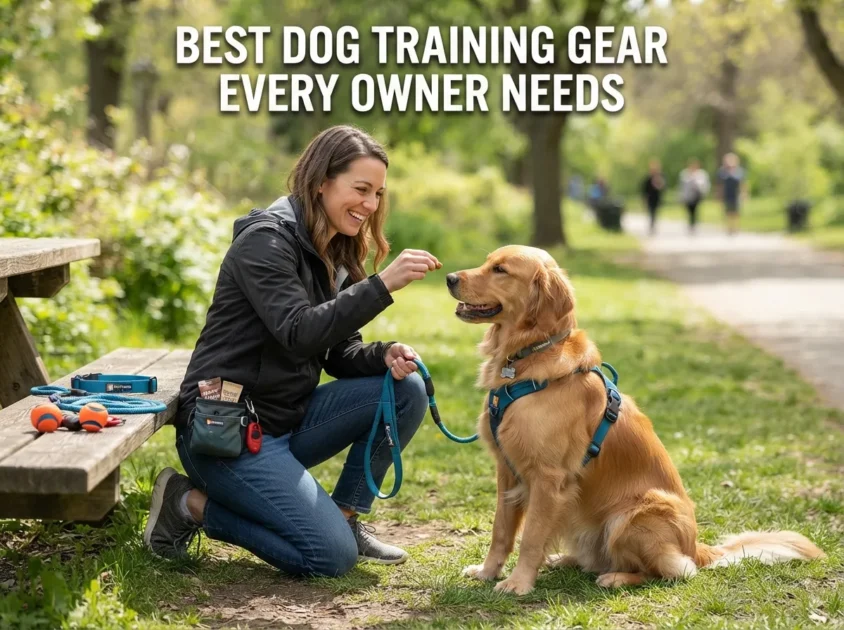
Training is not just about teaching tricks. It is about building a bond with your dog. When you have the right equipment, you can communicate clearly. Your dog will understand what you want them to do. This reduces frustration for both of you. It keeps your dog safe and makes walks much more fun.
If you care about the planet, you might be looking for ways to train responsibly. It is great to see how pet owners are embracing sustainable practices these days. You can find many training tools made from recycled or natural materials that do not sacrifice quality. Choosing durable items means you do not have to replace them often. That is better for your wallet and the earth.
Best Dog Training Gear Every Owner Needs
You do not need to buy a whole store. You just need a few high-quality basics. These items will cover almost everything you need for daily practice sessions.
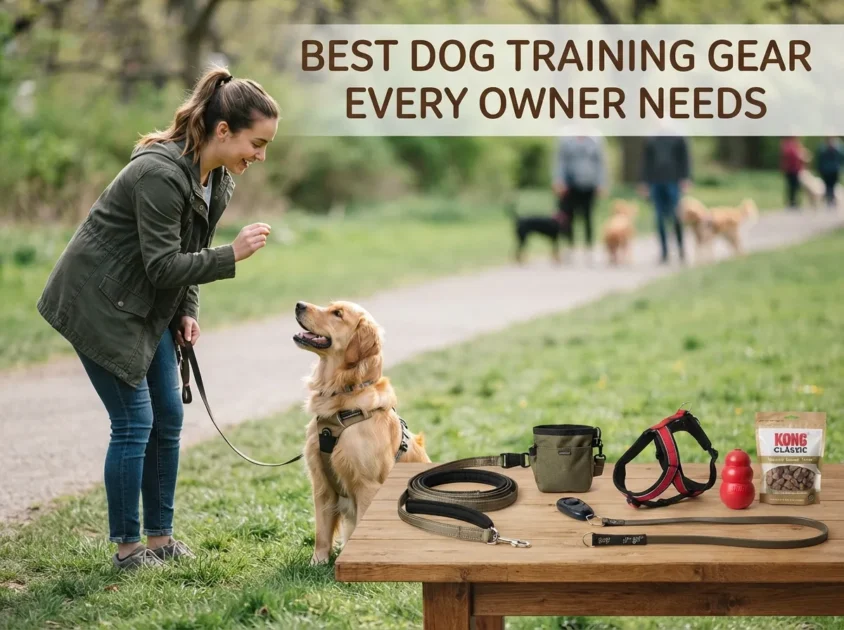
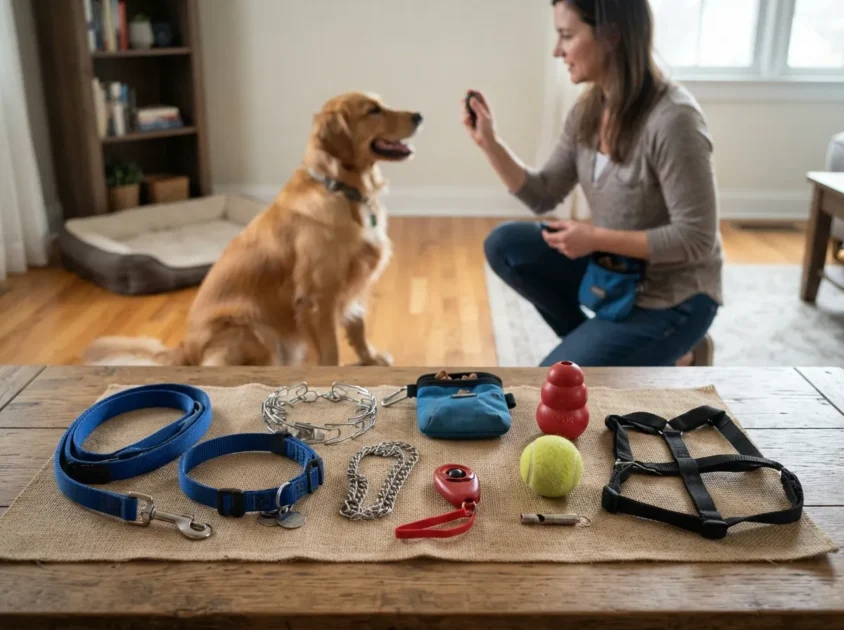
- A Sturdy Fixed-Length Leash: Forget the retractable ones for training. You need a leash that gives you steady control. A 6-foot nylon or leather leash is the gold standard. It helps you keep your dog close when you are working on heel commands.
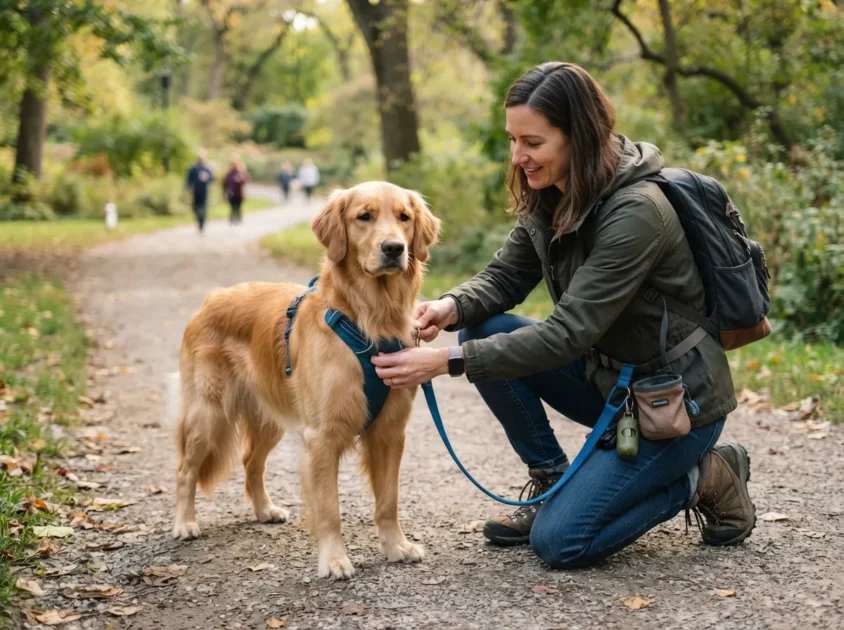
- A Comfortable Harness: Many dogs pull when they get excited. A front-clip harness is perfect for this. It gently turns your dog back toward you when they pull. This helps them learn that pulling does not get them where they want to go.
- High-Value Training Treats: Your dog needs a reason to listen. Soft, smelly treats work best. Keep them small so your dog does not get full too fast. Chicken, cheese, or specialized training bites are often big hits.
- A Clicker for Precision: A clicker is a simple device that makes a sharp sound. You use it to mark the exact moment your dog does something right. It is much faster than saying good dog every single time.
- A Treat Pouch: You need your hands free to handle the leash and clicker. A pouch that clips to your belt or pocket keeps treats ready at all times. It is a simple tool that makes training sessions move much smoother.
Advanced Tools for Specific Training Needs
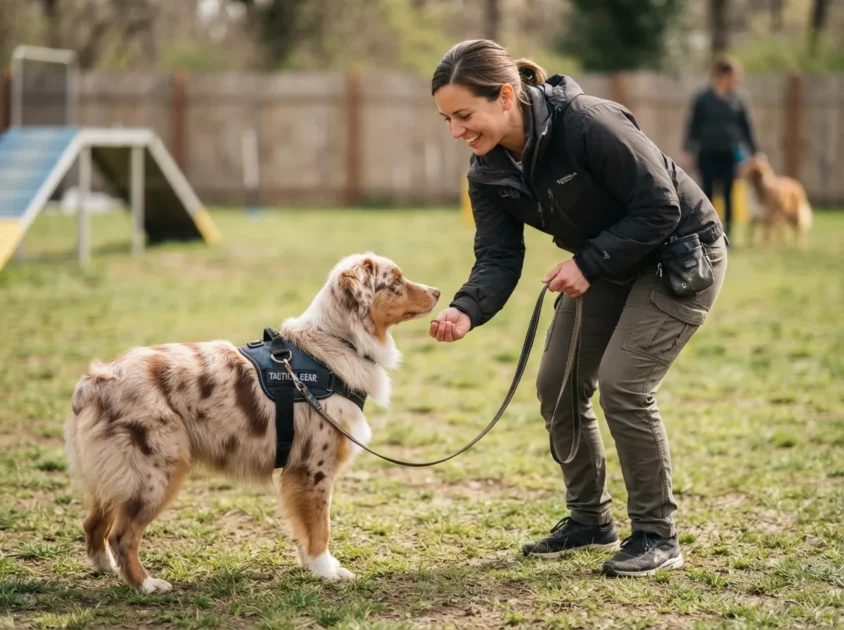
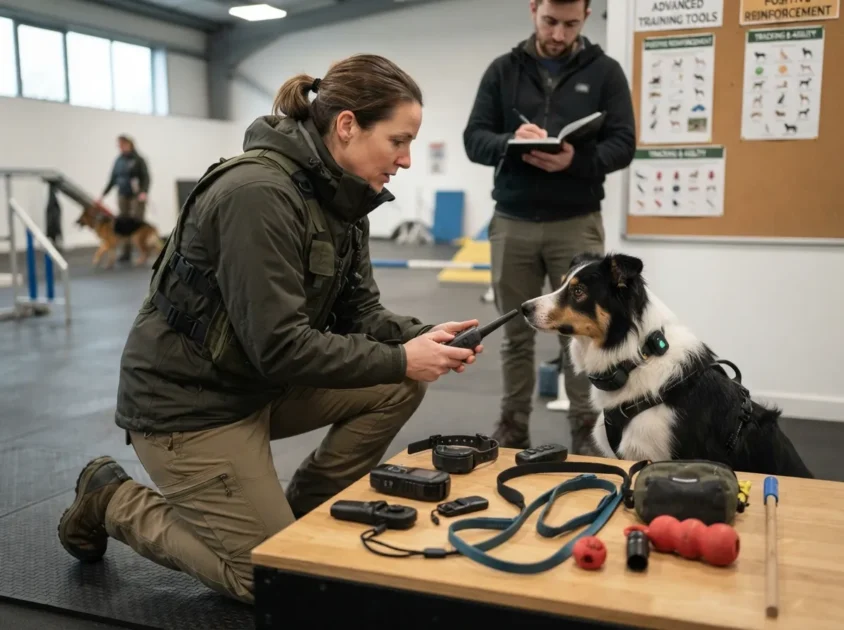
Once you master the basics, you might want to try other things. Maybe you want to work on off-leash recall or complex agility moves. At Clumsy Paw | For Pet Lovers and Pet Enthusiasts, we often talk about how different dogs have different needs. Some dogs have a lot of energy and need extra help focusing.
Long lines are great for recall training in open spaces. They give your dog a sense of freedom while keeping them attached to a safe distance. Just make sure to use them in an area where it is safe to practice. You might also look into enrichment toys. These keep a dog’s brain busy, which actually helps them focus better during formal training sessions later.
Tips for Using Your Gear Properly
Buying the gear is only step one. How you use it matters more. Always keep your sessions short. Dogs have short attention spans. Five to ten minutes of focused work is better than one long, boring hour. Always end on a positive note, even if you just practice a simple sit.
Be patient with yourself and your dog. Some days, your dog will be tired or distracted. That is okay. If you get frustrated, just take a break. You can always try again later. The gear is there to help, but your patience and consistency are what really teach the dog.
Final Thoughts on Training
Training never really stops. Even well-behaved dogs benefit from regular practice. Keep your training gear in a designated spot so you are always ready for a quick session. When you make training a part of your daily routine, it becomes a fun habit rather than a chore. Your dog will love the attention, and you will love the results.
Frequently Asked Questions
What is the best age to start training a puppy?
You can start training as soon as you bring your puppy home. This usually happens around 8 weeks old. Focus on basic manners and potty training first. Keep it fun and lighthearted.
Do I really need a clicker to train my dog?
You do not need one, but it helps. A clicker is very precise. It helps the dog understand exactly which action earned them a treat. It is a great way to speed up the learning process.
How often should I train my dog?
Short sessions are best. Try to do 2 or 3 sessions a day for about 5 to 10 minutes each. This keeps the dog engaged without getting bored or overwhelmed.
What if my dog ignores the treats?
If your dog is not interested in treats, they might not be hungry enough or the treats might not be tasty enough. Try training before mealtime. You can also try using higher-value rewards like boiled chicken or small pieces of hot dog.