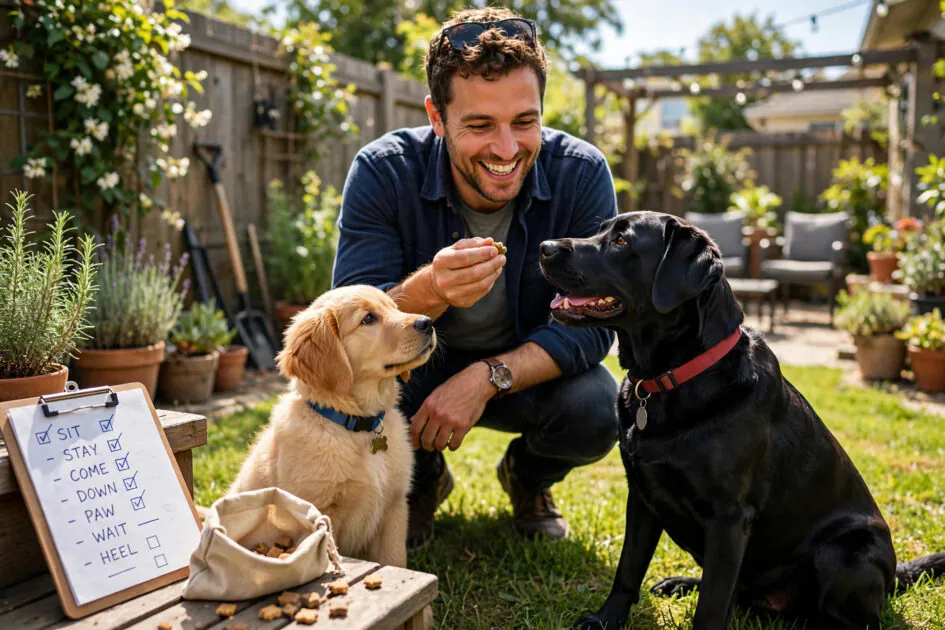

Training a dog without a plan is like assembling furniture without instructions, you might get there, but it takes twice as long and something always wobbles. A solid dog training checklist changes everything. It tells you exactly what to teach, in what order, and when to move on. Whether you just brought home an eight-week-old puppy or adopted a five-year-old rescue, this checklist will keep your training organized, consistent, and actually fun.
Below you will find the five essential parts of a complete training plan. Work through them at your dog’s pace, celebrate small wins, and watch a well-mannered companion emerge.
1. Foundation Skills Every Dog Needs First
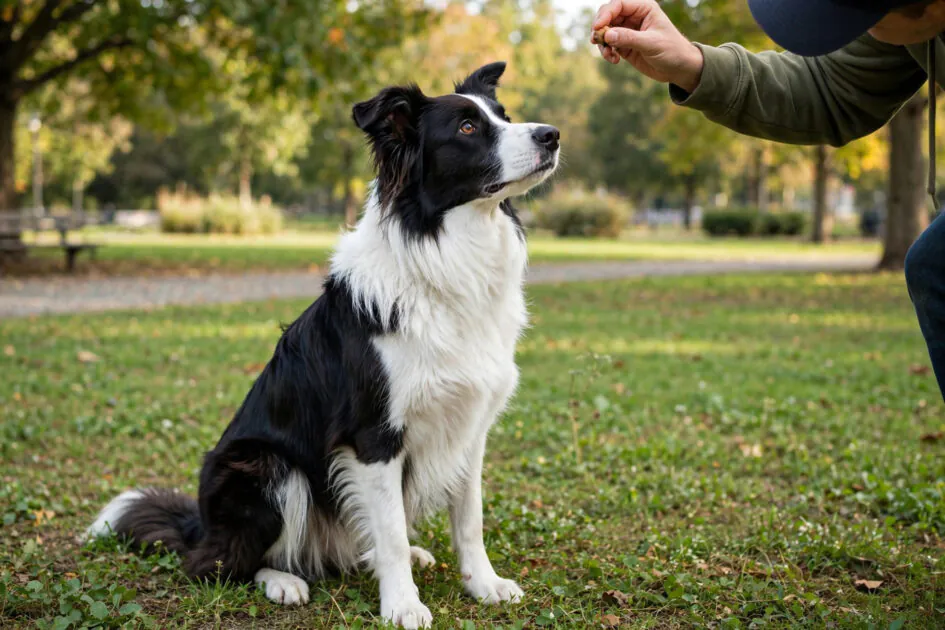
Every reliable dog is built on the same handful of foundation cues. Before anything fancy, your dog should learn their name (look at you when called), sit, down, stay, come when called, and loose-leash walking basics. These six skills solve about 80 percent of everyday problems.
Teach one cue at a time in short, upbeat sessions of three to five minutes. Reward generously with tiny, soft treats, and always end while your dog still wants more. A dog that learns training equals good things will offer you focus voluntarily, which is the real secret behind every “naturally obedient” dog you have ever envied.
Check each skill off only when your dog can do it in at least three different locations with mild distractions. A sit in your kitchen does not count as a trained sit until it also works at the park.
2. Puppy-Specific Checklist Items
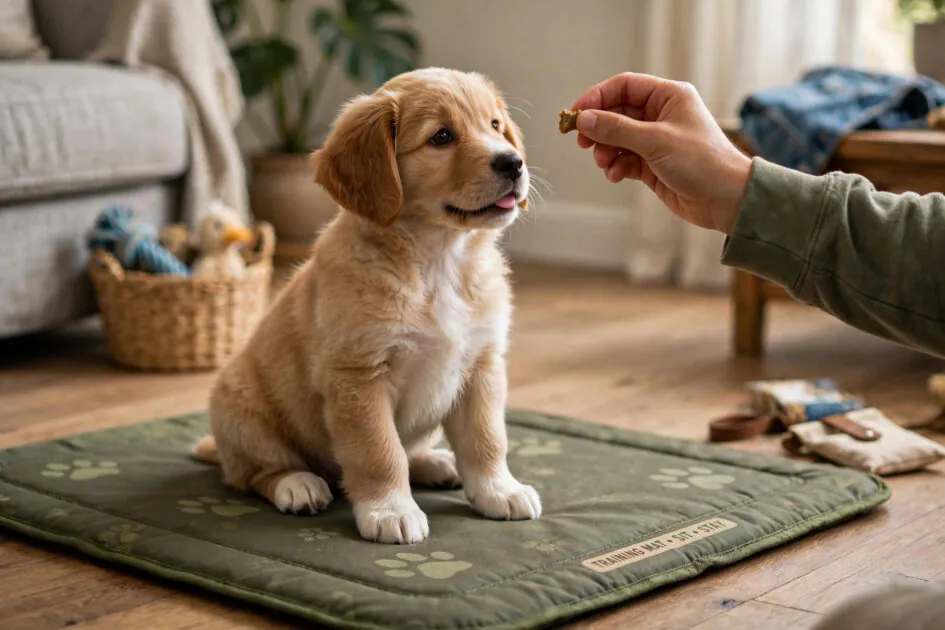
Puppies have a critical socialization window that closes around 14 to 16 weeks, so their checklist has urgent extras. Prioritize gentle exposure to new people, sounds, surfaces, and friendly vaccinated dogs. Keep every experience positive and short; you are building a library of “the world is safe” memories.
Add potty training with a consistent schedule, crate training introduced gradually with meals and chews inside, and bite inhibition (yelp or go still when teeth touch skin, then redirect to a toy). These three prevent the most common reasons puppies get rehomed.
One thing to skip: long, drill-style sessions. A puppy’s attention span is measured in minutes. Five one-minute sessions beat one exhausting twenty-minute session every single time.
3. Adult Dog Checklist Items
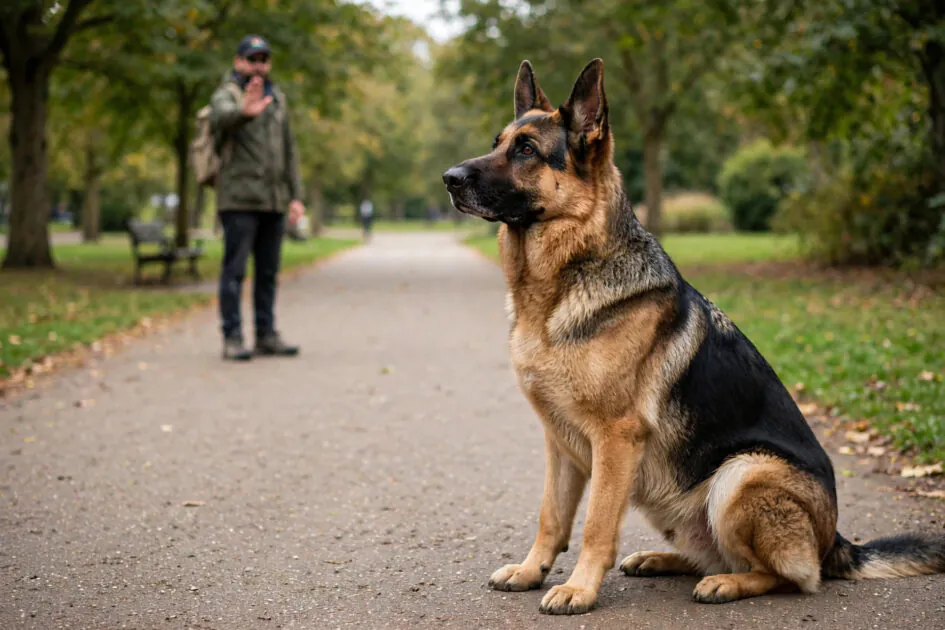
Adult dogs, especially rescues, need the same foundations, but their checklist leans harder on manners and impulse control. Focus on polite greetings (four paws on the floor), leave-it with real-life items, wait at doors and curbs, and a rock-solid recall that works around squirrels.
Many adult dogs arrive with rehearsed bad habits like jumping, counter-surfing, or leash reactivity. Do not try to punish these away. Instead, train an incompatible behavior: a dog cannot jump on guests while holding a sit-stay, and cannot lunge while focused on you for a treat.
Be patient with timelines. An adult dog may learn a cue in days but need weeks of practice to perform it reliably under distraction. That is normal, not stubbornness.
4. A Weekly Training Rhythm That Actually Works
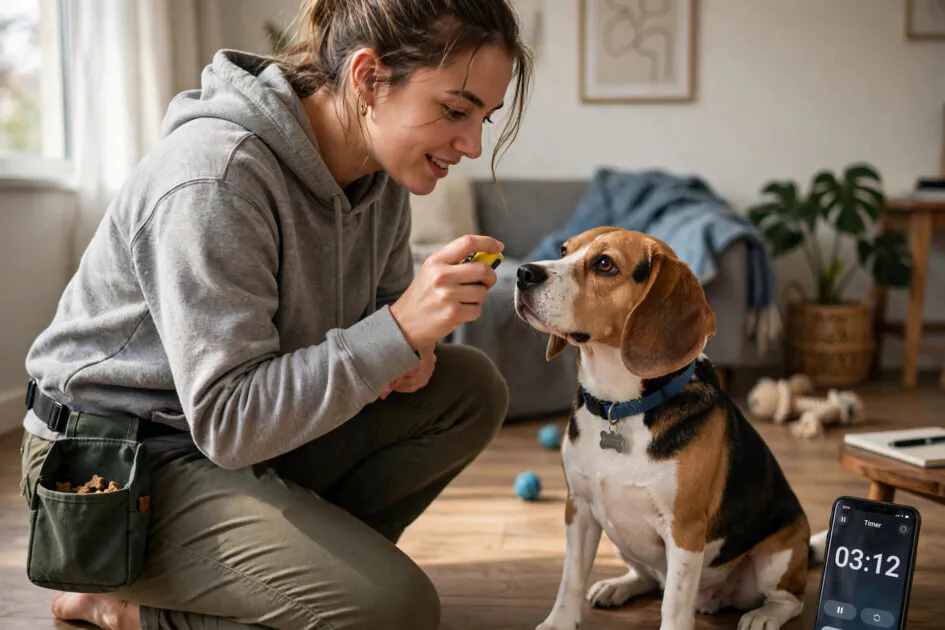
Consistency beats intensity. The most effective rhythm for busy owners is simple: two to three mini-sessions a day, three to five minutes each, plus one “real life” practice moment like a calm sit before meals or a polite wait at the front door.
Rotate your focus across the week. Monday could be recall games, Tuesday loose-leash walking, Wednesday a rest or enrichment day with puzzle feeders. Rest days matter; sleep is when learning consolidates, and an over-drilled dog gets stale and frustrated.
Track what you practice. A quick note on your phone (“Tue: recall in yard, 8/10 successes”) tells you exactly what needs work and keeps you honest. Dogs trained a little every day outperform dogs trained a lot once a week, every time.
5. Gear and Setup Checklist
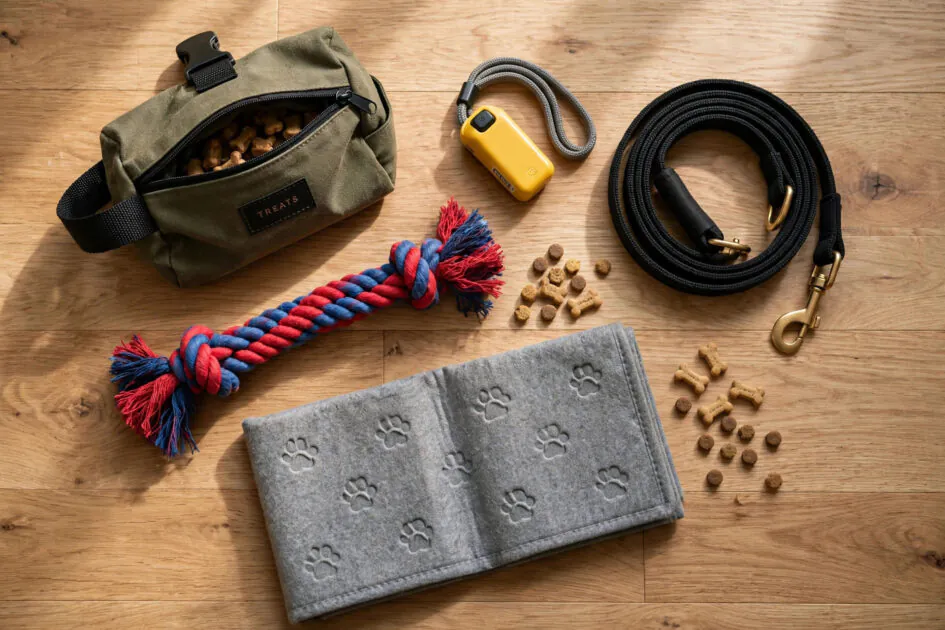
You do not need fancy equipment, but the right basics remove friction. Your starter kit: pea-sized soft treats your dog loves, a treat pouch so rewards are instant, a standard four to six-foot leash, a comfortable harness or flat collar, a clicker or marker word, and a mat or bed for “place” training.
Set up one low-distraction training zone at home, a quiet corner where sessions happen. Dogs learn context fast; a consistent spot becomes a cue itself that says “focus time.” Keep treats pre-cut and gear by the door so a training moment is never more than thirty seconds away.
Skip choke chains, prong collars, and shock collars. They suppress behavior through pain without teaching your dog what to do instead, and they damage trust. Modern reward-based methods are faster, kinder, and backed by decades of behavioral science.
FAQs
How long should each training session be?
Three to five minutes for puppies, five to ten for adult dogs. End each session with a success, even if you have to make the last rep extra easy. Frequency matters more than duration.
What order should I teach commands in?
Name recognition first, then sit, down, stay, come, and loose-leash walking. Add manners like leave-it and polite greetings once foundations are solid. Follow the checklist in this article from top to bottom.
Can you really train an old dog new tricks?
Absolutely. Adult and senior dogs learn just as well as puppies; they sometimes learn faster because they can focus longer. The only difference is unlearning old habits, which takes consistent practice, not punishment.
Do I need a professional trainer?
Not always, but a good trainer is invaluable for reactivity, aggression, or severe anxiety. Look for certified professionals who use reward-based methods and avoid anyone who guarantees results or relies on punishment tools.
How do I know when a skill is truly learned?
When your dog performs it on the first cue, in new locations, with distractions present, without a treat visible. That is the gold standard. Until then, keep practicing and keep rewarding.
Conclusion
A complete dog training checklist turns a vague goal like “well-behaved dog” into a clear, step-by-step project. Start with foundations, add age-appropriate skills, keep sessions short and sweet, and track your progress. Do that consistently, and you will not just have a trained dog, you will have a deeper bond with one. Print this checklist, stick it on your fridge, and enjoy the journey.