
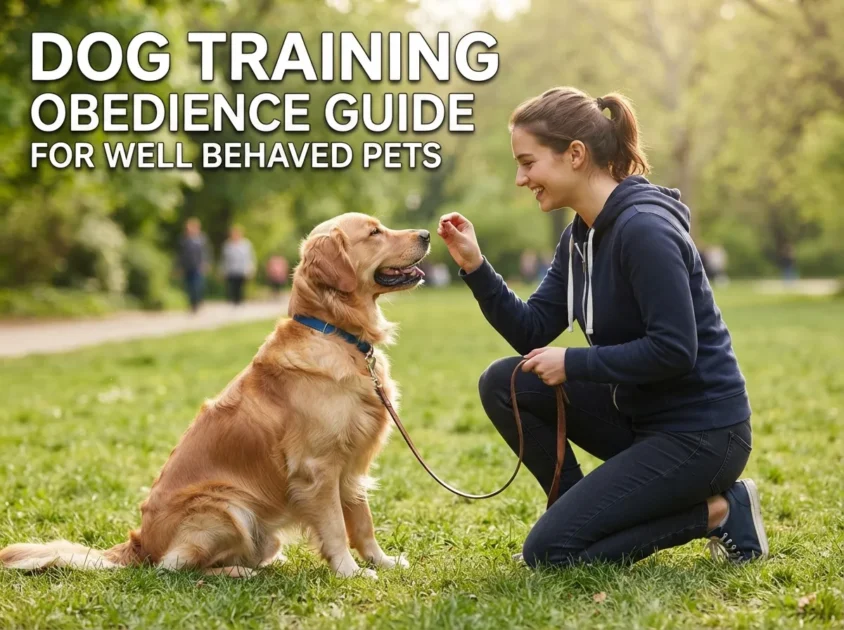

Bringing a dog into your home is one of the best feelings in the world. They become family, friends, and constant companions. But a dog that does not listen can make life stressful. Training is not just about tricks. It is about communication and Dog Training Obedience Guide. When you understand your dog, and they understand you, life gets a whole lot easier for everyone.
I have spent years working with different breeds. Whether you have a tiny pup or a big rescue dog, the basics stay the same. You need patience, consistency, and a lot of treats. If you are looking for more pet advice, you can always visit Clumsy Paw | For Pet Lovers and Pet Enthusiasts to see what else we are talking about lately.
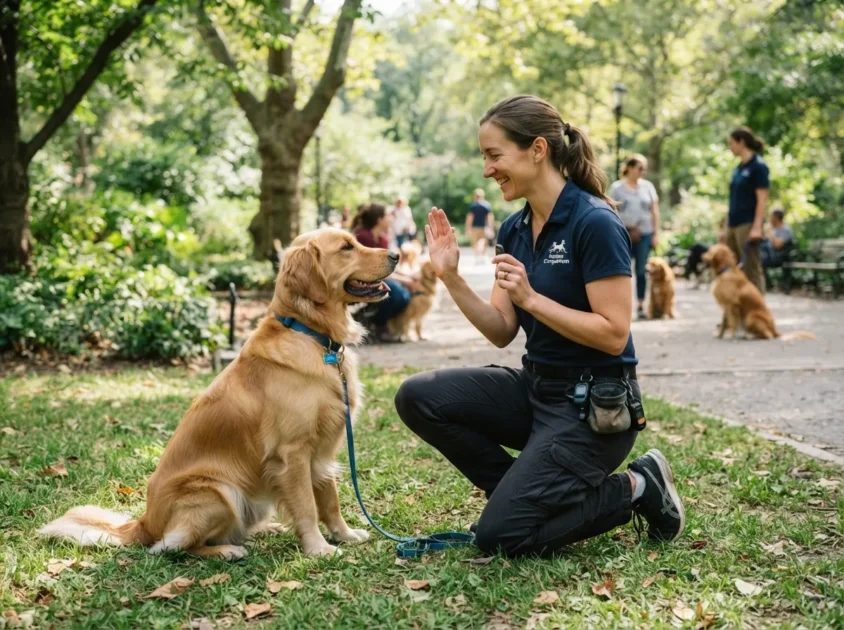
Dog Training Obedience Guide
Learn Dog Training Obedience Guide below:
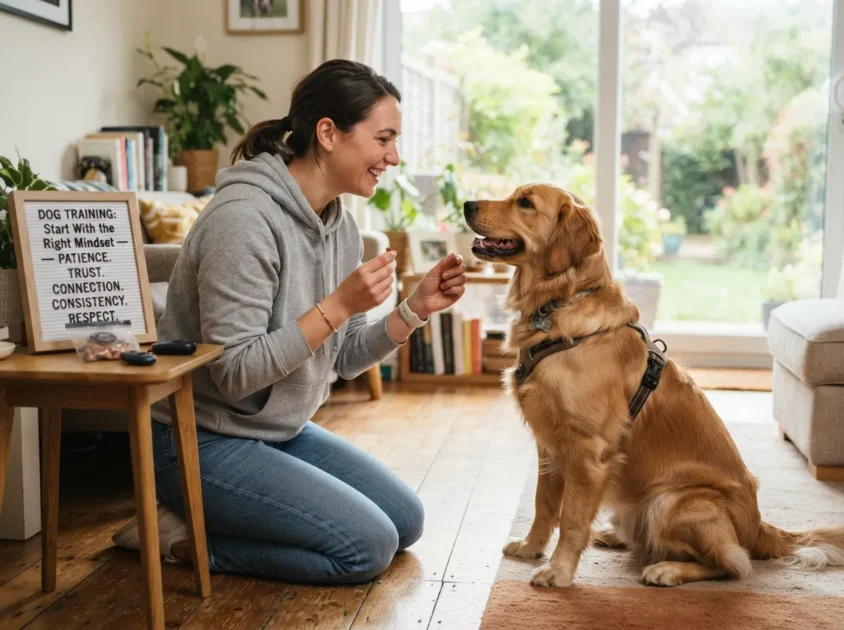
Start With the Right Mindset
Before you start teaching commands, you need to be in the right mood. Dogs are very good at reading our emotions. If you are frustrated or angry, your dog will feel it. They will get confused and might stop wanting to learn. Keep your training sessions short and fun.
Five or ten minutes is plenty of time for a session. If you try to train for an hour, your dog will get bored and lose focus. End every session on a positive note. Even if your dog just sits once, give them a big reward and lots of praise. You want them to think that training is the best part of their day.
The Basic Commands Every Dog Needs
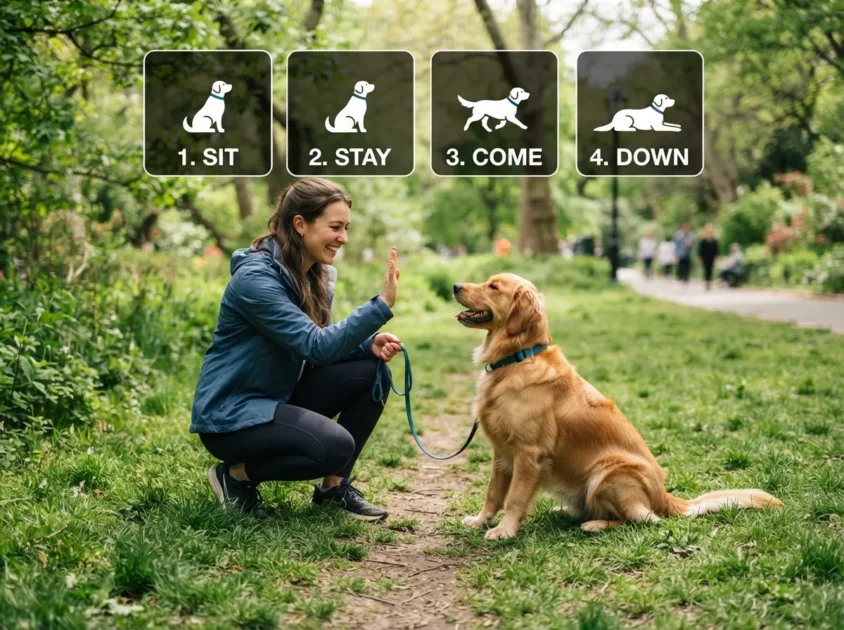
You do not need to teach your dog fifty different things. Most dogs only need a few core commands to stay safe and behave well in public. Start with these and see how quickly your pet picks them up.
Sit
This is the first thing every dog should learn. Hold a treat near your dog’s nose. Slowly move your hand up and back over their head. As their head follows the treat, their bottom will naturally go down. As soon as they hit the floor, say “sit” and give them the treat.
Stay
Stay is a life-saving command. Start by asking your dog to sit. Hold your hand out with your palm facing them. Take one step back. If they stay, give them a treat. Slowly add more steps and more time as they get better. Do not rush this part, because it is hard for them to ignore their instinct to follow you.
Come
This command keeps your dog safe if they get off-leash. Start in a quiet room with no distractions. Get down on their level and call their name in a happy voice. When they run to you, celebrate like it is a huge party. Always make coming to you a good experience. Never call your dog to punish them, or they will stop coming to you.
Dealing With Bad Habits
Even the best dogs have bad habits. Maybe they jump on guests or chew on your shoes. These behaviors are usually just boredom or excitement. You do not need to be mean to fix them. You just need to show them a better way to act.
If your dog jumps on people, ignore them until they have four paws on the floor. It takes time, but it works. If they chew things, give them a toy instead. If you have other pets, like cats, make sure they have their own space too. You can look at our Cat Grooming 101 Tips for Stress Free Baths if you are struggling with keeping your other pets happy as well.
Consistency is Your Best Friend
Your dog does not understand that they can jump on the couch on Tuesdays but not on Wednesdays. You have to be consistent every single day. If you tell them to get off the bed, it has to happen every time. If you let them break the rules sometimes, they will keep trying to break them.
Get everyone in your house on the same page. If you are training the dog, but your partner is letting them jump up, the dog will get confused. Sit down with your family and agree on the house rules. When everyone gives the same commands and has the same expectations, your dog will learn much faster.
Using Positive Reinforcement
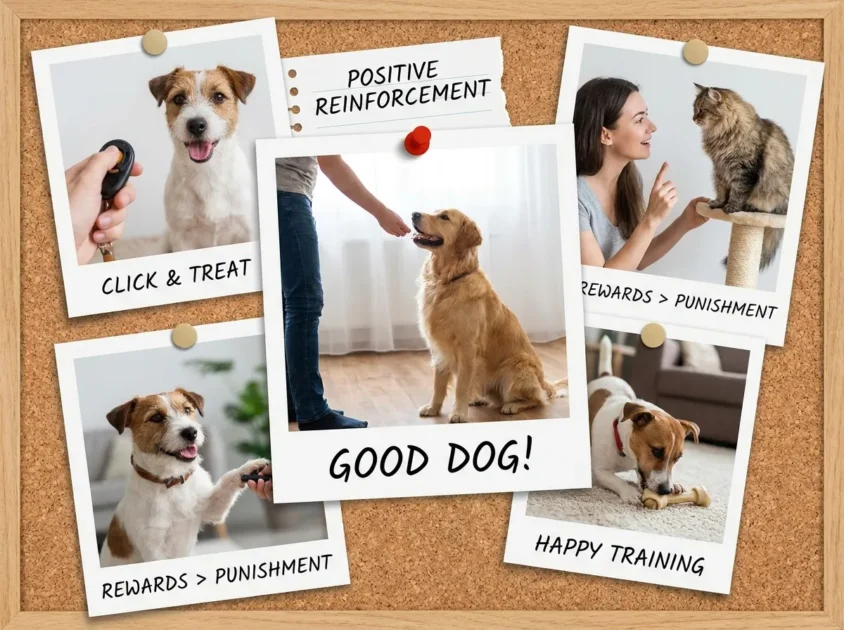
Forget about yelling or using force. These things do not work in the long run. They just make your dog afraid of you. Positive reinforcement means rewarding the behaviors you like and ignoring or redirecting the behaviors you do not like.
Use high-value treats, toys, or just tons of “good boy” talk. In 2026, we have so many great tools to help with training, but nothing beats a simple reward system. If your dog loves tennis balls, use the ball as a reward instead of food. Find out what makes your dog excited and use that to your advantage.
Patience When Things Get Tough
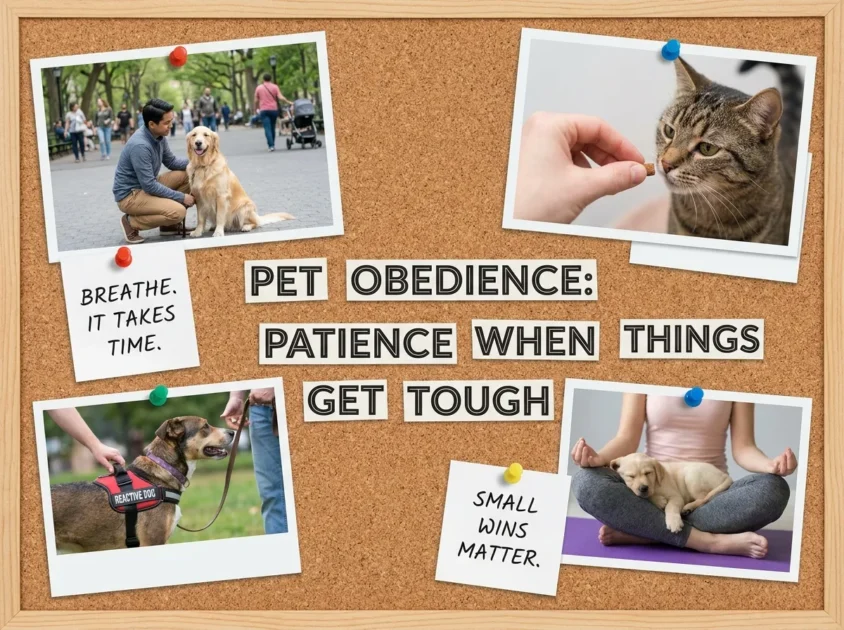
There will be days when your dog seems to forget everything. It happens. Maybe they are tired, or maybe there is too much noise outside. Do not get angry. Just go back to the basics and try again the next day.
Remember that you are building a bond. This takes time. Some dogs learn in a few days, and others take months. That is perfectly okay. The goal is to have a happy dog who listens to you because they trust you, not because they are scared of what might happen if they don’t.
Frequently Asked Questions
How often should I train my dog?
You should aim for short sessions two or three times a day. Keeping sessions to five or ten minutes prevents your dog from getting tired or frustrated.
What is the best age to start training?
You can start training a puppy as soon as you bring them home, usually at eight weeks old. Older dogs can absolutely learn new tricks too, so it is never too late to start.
Should I use a clicker for training?
Clickers are great tools because they make a consistent sound that tells your dog they did the right thing. It is not required, but many people find it helpful for faster results.
What if my dog ignores my commands?
If your dog ignores you, you are probably asking for too much too soon or working in a place with too many distractions. Go back to a quieter space and use better treats to get their attention.
Do I need a professional trainer?
Most dogs can be trained at home with consistency. However, if your dog shows signs of aggression or deep anxiety, a professional trainer can help you stay safe and guide you through the process.