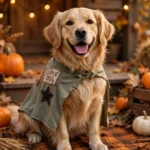
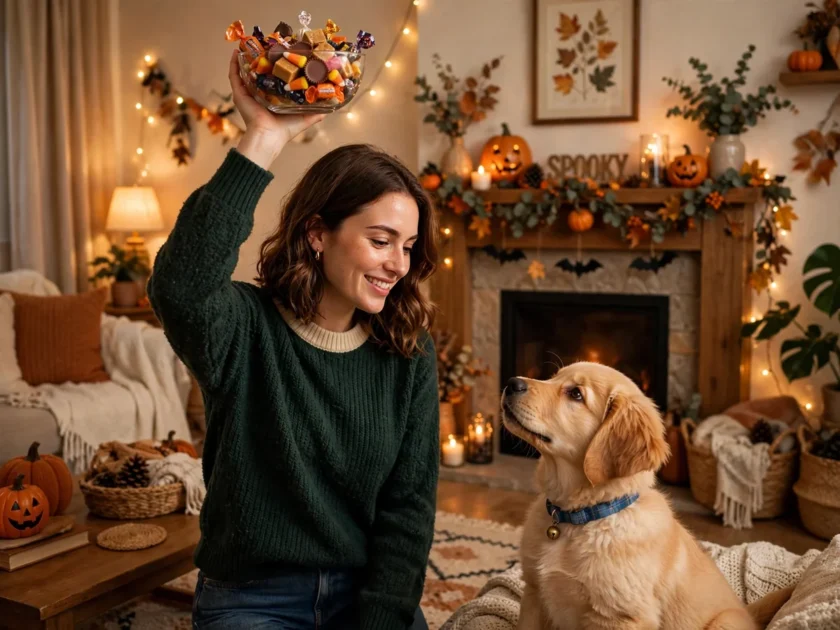

Halloween is a blast for humans, but for dogs it can be a minefield of candy, costumes, doorbells, and strangers. A little planning goes a long way. These Halloween safety tips for dogs will help you enjoy every spooky moment while keeping your pup calm, comfortable, and out of harm’s way.
From toxic treats to escape-proofing your home, here’s everything you need to know before the trick-or-treaters arrive. Share this guide with family members and dog sitters too, so everyone is on the same page.
Keep Halloween Candy and Chocolate Out of Reach
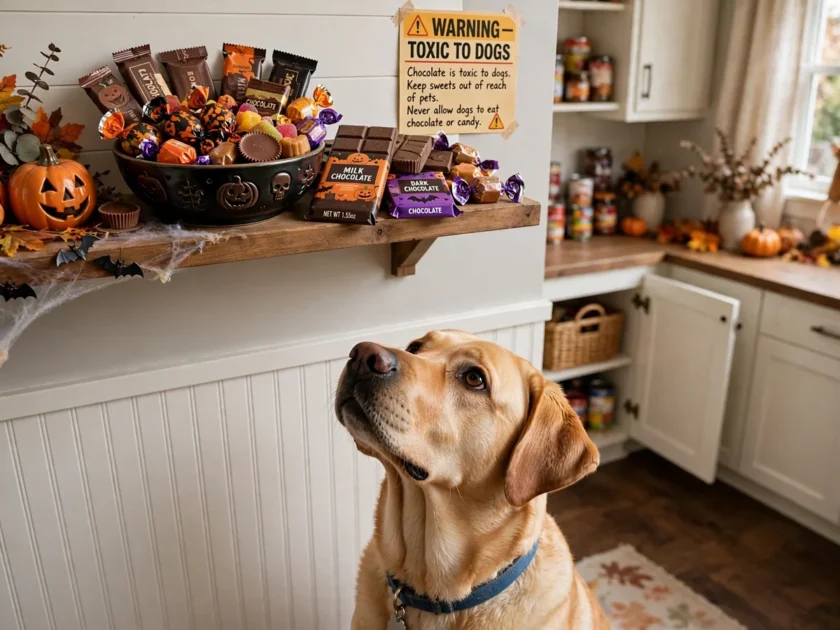
Chocolate, xylitol (found in sugar-free candy and gum), raisins, and macadamia nuts are all toxic to dogs, and even small amounts can cause serious harm. Keep candy bowls on high shelves or in closed cabinets, never on coffee tables where a curious nose can reach. Teach kids in the house that sharing candy with the dog is never allowed, no matter how big those puppy eyes get. If your dog does grab something, call your vet or poison control immediately.
Choose Pet-Safe Decorations
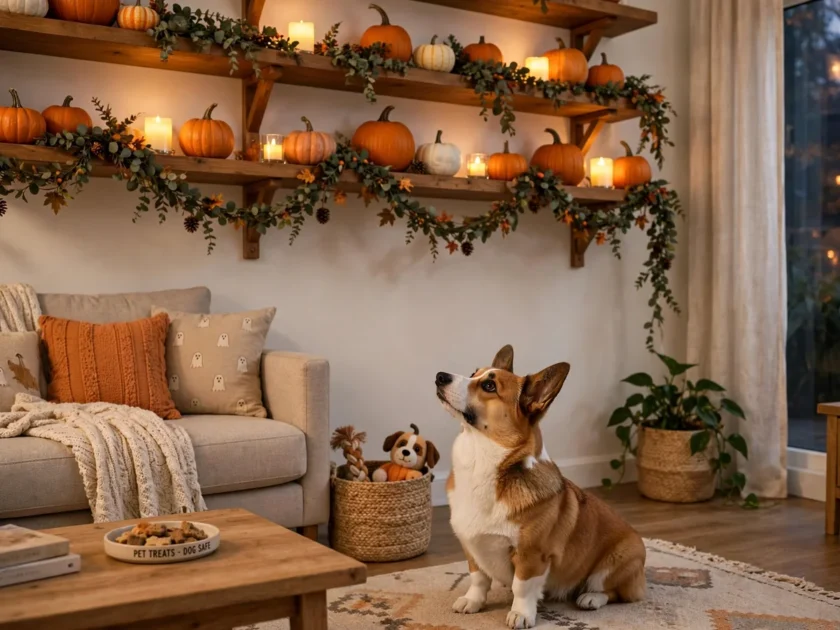
Fake cobwebs, small plastic spiders, and dangling decorations look great but can be choking hazards or cause intestinal blockages if chewed. Place decorations well above your dog’s reach and secure cords so they can’t be tangled or gnawed. Skip real pumpkins with candles inside; a wagging tail near an open flame is a disaster waiting to happen. Battery-operated LED candles give you the same spooky glow with zero fire risk.
Make Costumes Comfortable and Safe
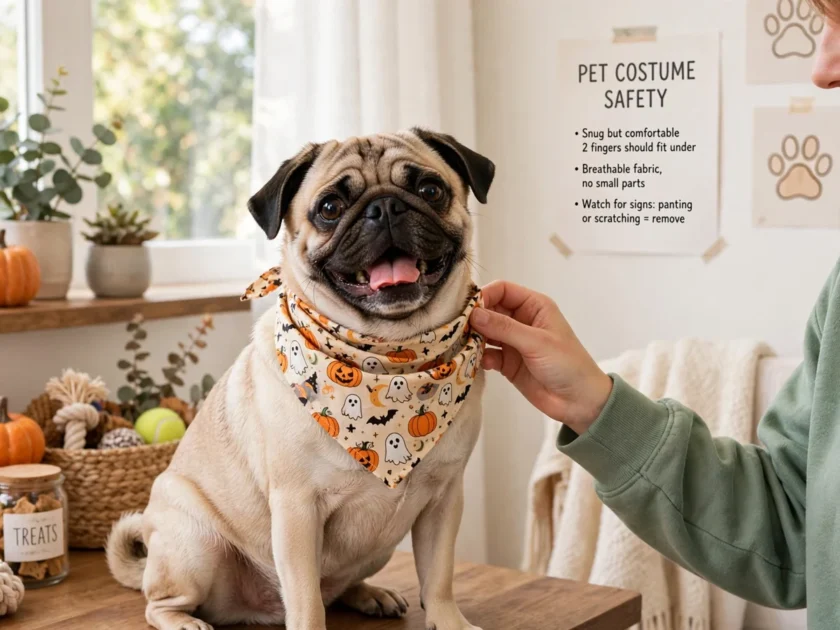
If your dog is dressing up, choose a costume that doesn’t restrict movement, block vision or hearing, or have dangling parts they can chew off. Do a trial run a few days before Halloween so your dog can get used to it, and keep costume time short. Watch for stress signals like freezing, lip licking, yawning, or trying to shake the costume off. A festive bandana or bow tie is a perfectly good costume for dogs who hate wearing outfits.
Light Up Your Night Walks
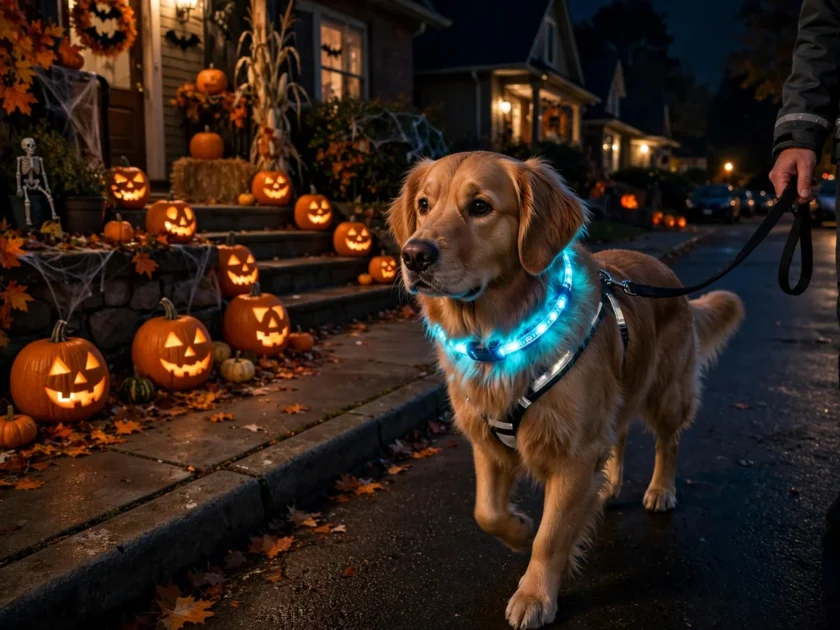
Halloween night means dark streets, excited kids, and unpredictable foot traffic, so visibility is everything. Clip an LED light or reflective tag to your dog’s collar, and consider a reflective leash or vest for extra safety. Keep walks shorter than usual and stick to familiar, well-lit routes. For more ways to make every outing safer, check out these common dog walking mistakes and make sure you’re not making them on the busiest night of the year.
Create Distance from the Front Door
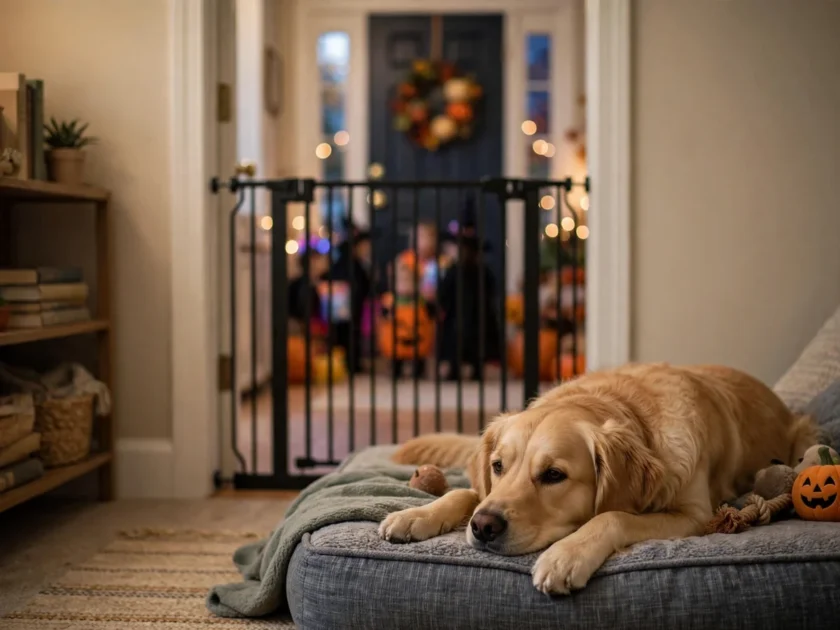
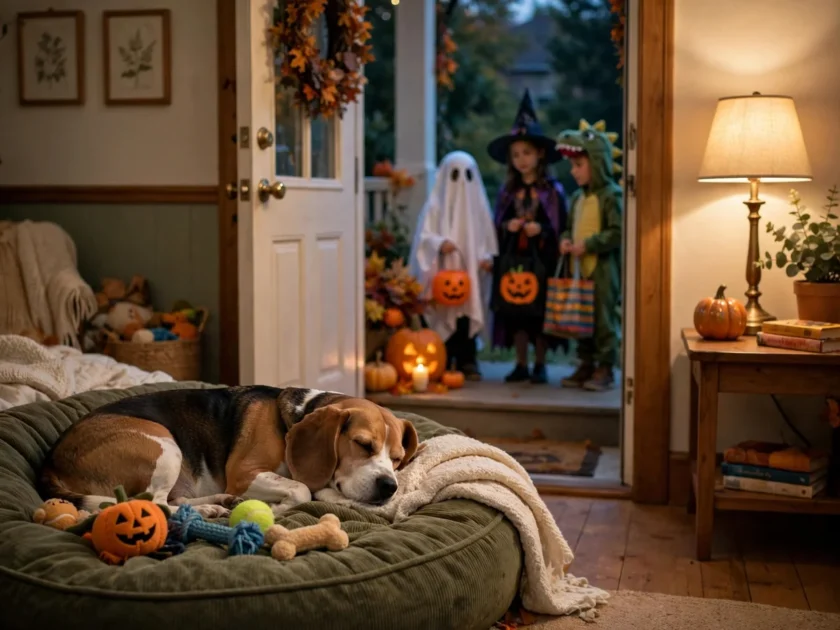
The constant doorbell and parade of costumed strangers can send even calm dogs into a barking frenzy. Set your dog up in a back room with their bed, favorite toys, and some calming background noise before trick-or-treaters arrive. A baby gate adds an extra layer of security so nobody slips out when the door opens. If your dog loves greeting visitors, let them say hello on leash for a few minutes, then settle them back in their quiet zone.
Check ID Tags and Microchip Details
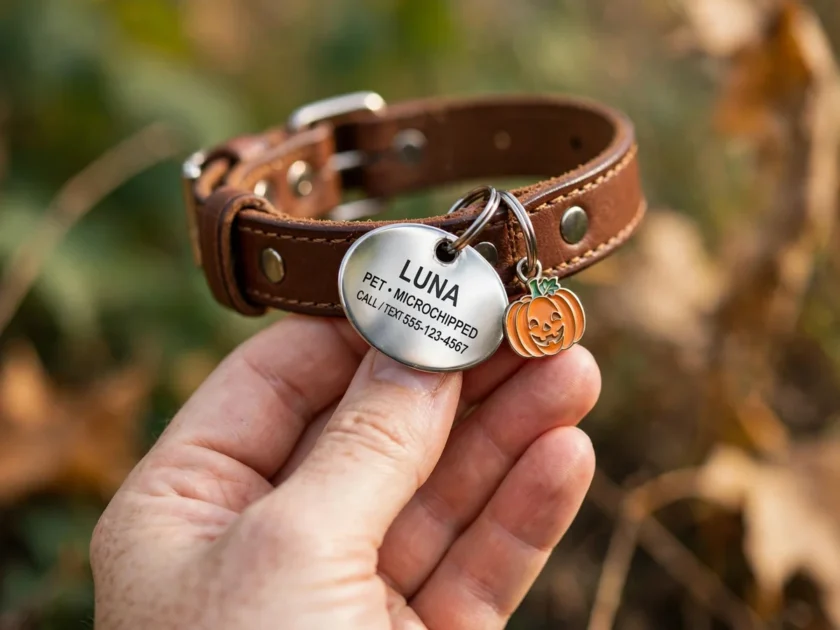
More dogs go missing on Halloween than almost any other night, thanks to open doors and startling noises. Make sure your dog’s collar has a current ID tag with your phone number, and verify that your microchip registration is up to date. If your dog isn’t microchipped yet, schedule it before spooky season; it’s quick, affordable, and permanent. A recent photo of your dog on your phone is also smart in case you ever need to share it quickly.
Watch Doors and Escape Routes
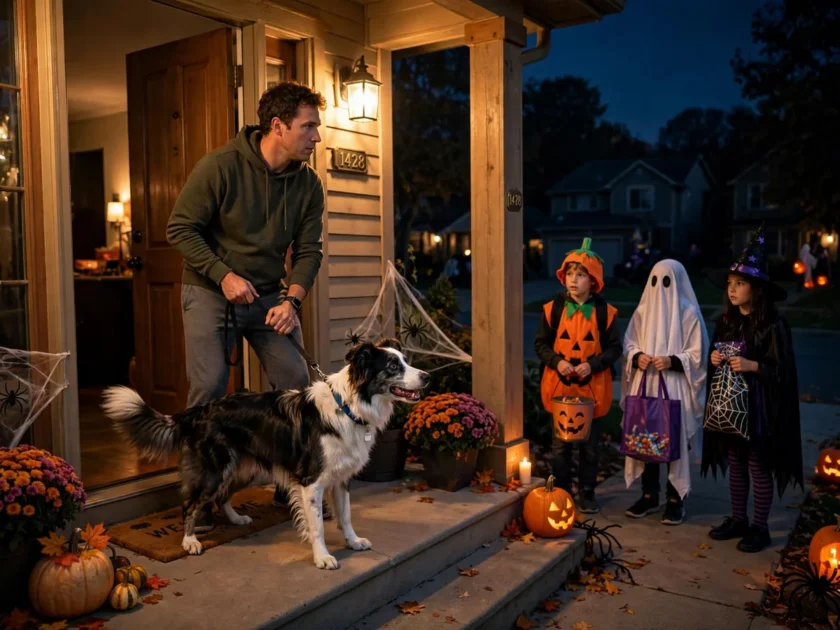
Every time the door opens for trick-or-treaters, there’s a chance your dog bolts into the dark. Assign one person to be the “door greeter” and keep dogs secured in another room during peak hours. Remind guests and older kids to close doors and gates behind them every single time. If you’ll be out trick-or-treating yourself, crate your dog or leave them with a trusted sitter rather than home alone with a revolving front door.
Say No to Glow Sticks and Fake Blood
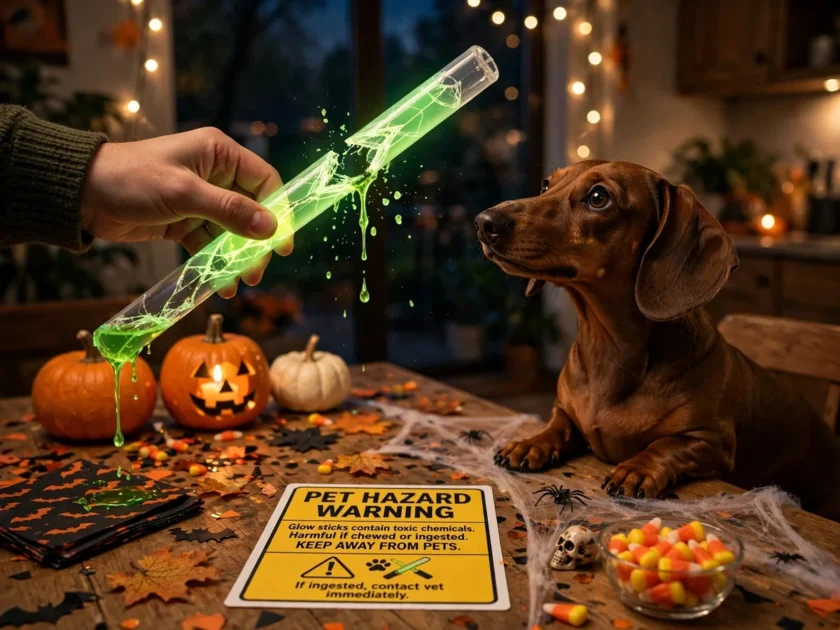
Glow sticks and glow jewelry contain a bitter chemical that can cause drooling, nausea, and irritation if a dog chews through one. Keep them out of reach, and use LED alternatives for your dog’s costume instead. Fake blood, theatrical makeup, and face paint can irritate skin and upset stomachs if licked, so keep all costume makeup products stored away. If your dog chews a glow stick, offer water and call your vet for guidance.
Keep Candles and Open Flames Away
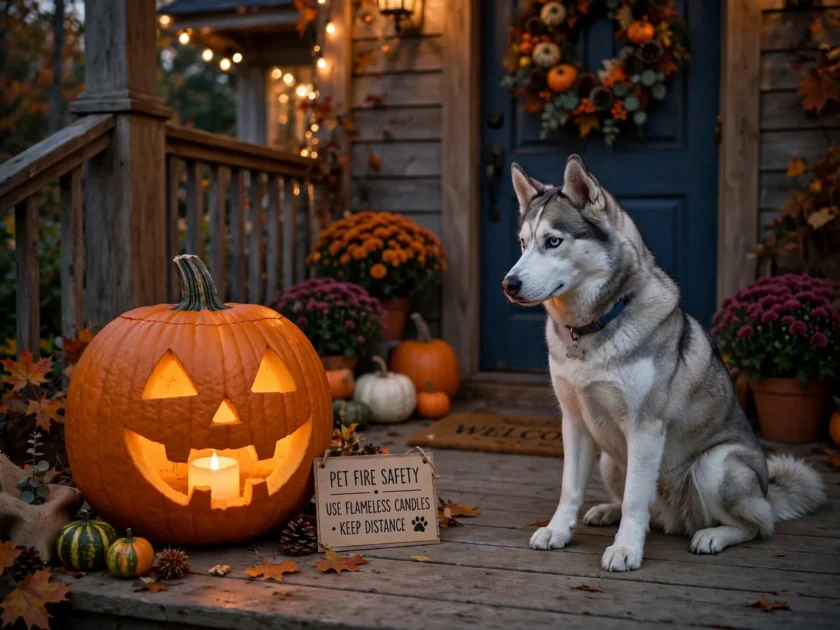
Jack-o’-lanterns with real candles, bonfires, and decorative torches are beautiful but dangerous around curious dogs. A wagging tail or an excited jump can knock over a candle in seconds. Use flameless LED candles inside pumpkins and keep your dog leashed and at a distance from any real flames outdoors. The same goes for sparklers; the noise and sparks can frighten dogs and cause burns.
Set Up a Quiet Calm-Down Zone
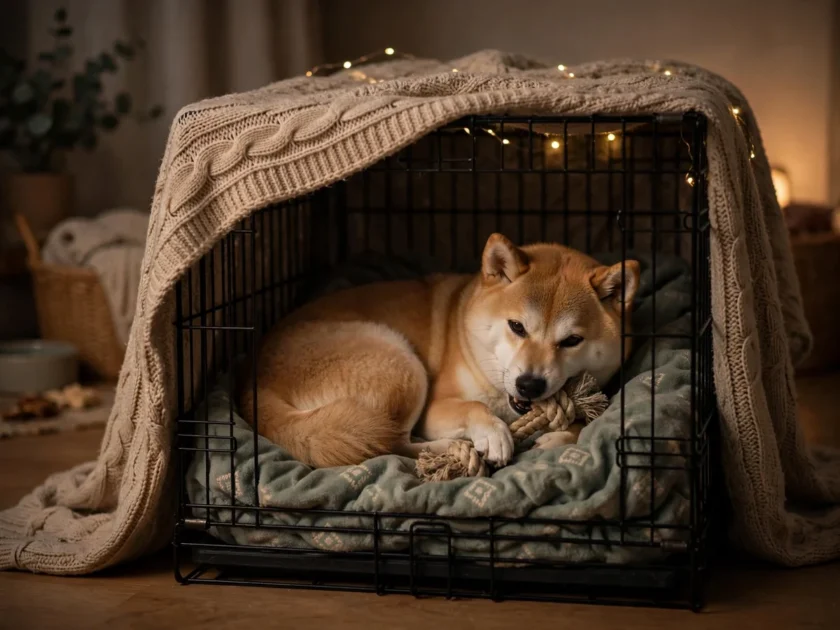
Even with perfect planning, Halloween night is loud and strange for dogs. Create a cozy retreat with their crate or bed, a long-lasting chew, and familiar blankets that smell like home. Play soft music or white noise to mask doorbells and street sounds. Calming aids like a snug anxiety wrap or vet-approved chews can help nervous dogs settle. Check on your pup regularly throughout the evening, and end the night with a calm walk or gentle play session to burn off leftover jitters.
Frequently Asked Questions
Is Halloween candy really that dangerous for dogs?
Yes. Chocolate, xylitol, raisins, and macadamia nuts can all be toxic, and wrappers can cause choking or blockages. Keep all candy completely out of reach.
Should I take my dog trick-or-treating with me?
It depends on your dog. Confident, well-socialized dogs may enjoy a short outing with lights and a leash, but anxious dogs are safer and happier at home in their calm zone.
How do I keep my dog calm when the doorbell keeps ringing?
Set them up in a back room with background noise, chews, and their bed before visitors arrive. A baby gate adds security, and you can disable the doorbell and greet visitors outside instead.
Are dog Halloween costumes safe?
They can be, as long as the costume is lightweight, doesn’t restrict movement or senses, has no chewable small parts, and is only worn for short, supervised periods.
What should I do if my dog eats Halloween candy?
Note what and how much they ate, then call your vet or an animal poison hotline immediately. Don’t wait for symptoms to appear; fast action makes treatment much more effective.
Do I need to update my dog’s ID before Halloween?
Yes, it’s one of the smartest precautions. Confirm the ID tag number is current and the microchip registration has your latest contact details before spooky season starts.
Halloween should be fun for the whole family, and that includes your four-legged members. With these Halloween safety tips for dogs in your pocket, you can hand out candy, show off costumes, and enjoy every spooky moment knowing your pup is safe and sound. Have a happy and safe Halloween!