
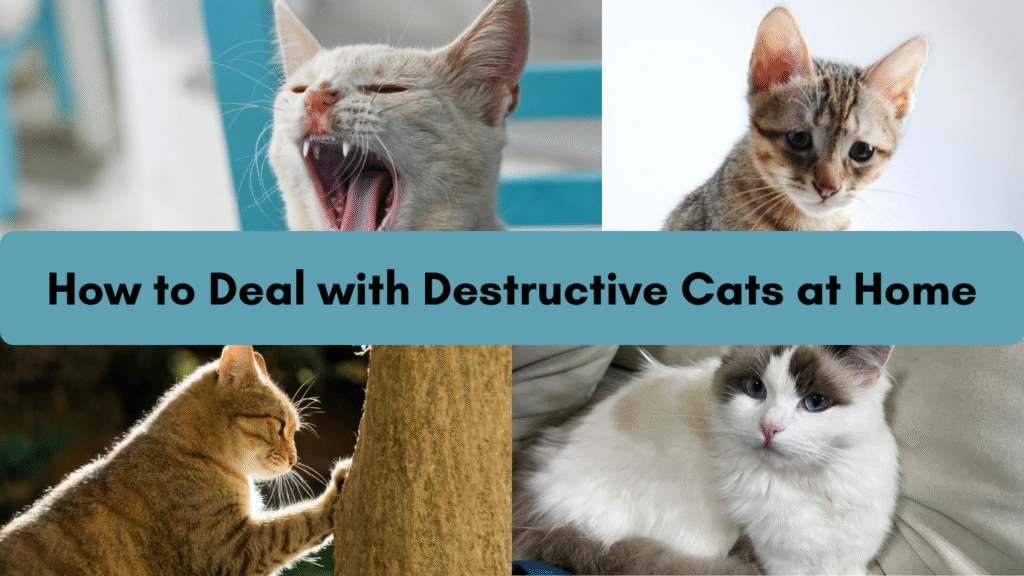

Living with a cat can be one of life’s greatest joys — they’re curious, loving, and endlessly entertaining. But when that curiosity turns destructive, things can get messy fast. From shredded couches and scratched doors to broken decor and knocked-over plants, destructive cats can test even the most patient pet parent. The good news is, with understanding, patience, and the right approach, you can turn that chaos into calm.
This guide will walk you through why cats become destructive, how to identify triggers, and what effective strategies can restore harmony to your home.

Understanding Why Cats Act Destructivel
Before you can solve the problem, you need to understand why it’s happening. Cats aren’t destructive for no reason — their behavior almost always stems from natural instincts or emotional needs.

1. Boredom and Lack of Stimulation
Cats are intelligent, energetic animals. When they’re left alone for long hours or lack entertainment, they often create their own fun — by clawing furniture or knocking things off tables. Indoor cats especially need daily stimulation to mimic their natural hunting instincts.

2. Territorial Behavior
Scratching, marking, and aggressive play are ways cats claim their territory. When they feel threatened by another pet or new object, they may lash out by damaging things around the house.

3. Stress and Anxiety
Changes in environment — like moving to a new home, loud noises, or new people — can trigger anxiety in cats. They might chew cords, scratch excessively, or urinate outside the litter box to cope with stress.
4. Medical Causes
Sometimes, destructive behavior can be a sign of discomfort or illness. For instance, a cat with dental pain may chew on objects, or one with skin irritation might scratch walls or furniture more than usual. Always rule out health issues first.
5. Natural Instincts
Cats are born hunters and climbers. Scratching, biting, and exploring are ways they express their nature. It’s not “bad behavior” — it’s instinct. Your goal is to redirect that energy in healthy ways.
Common Destructive Behaviors and Their Meaning
Let’s look at the most frequent destructive habits and what they’re trying to tell you.
Scratching Furniture and Carpets
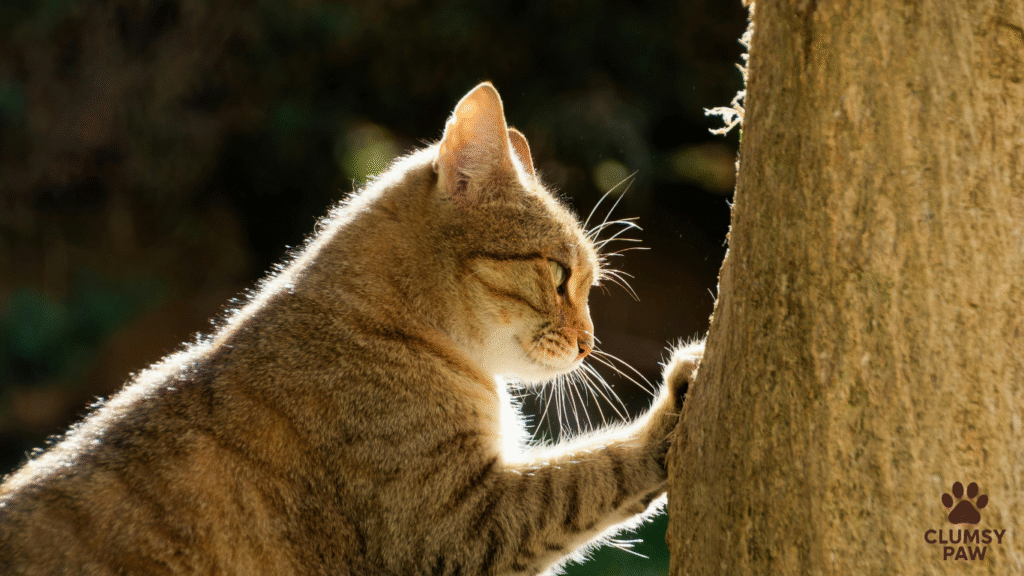
Cats scratch to stretch their muscles, remove dead claw sheaths, and mark territory. If your cat’s favorite spot is your couch, they’re not doing it to annoy you — they’re simply claiming it.
Fix it: Provide scratching posts made of sisal or cardboard near their favorite scratching zones. Reward your cat when they use them, and cover furniture with double-sided tape or furniture protectors until the habit shifts.
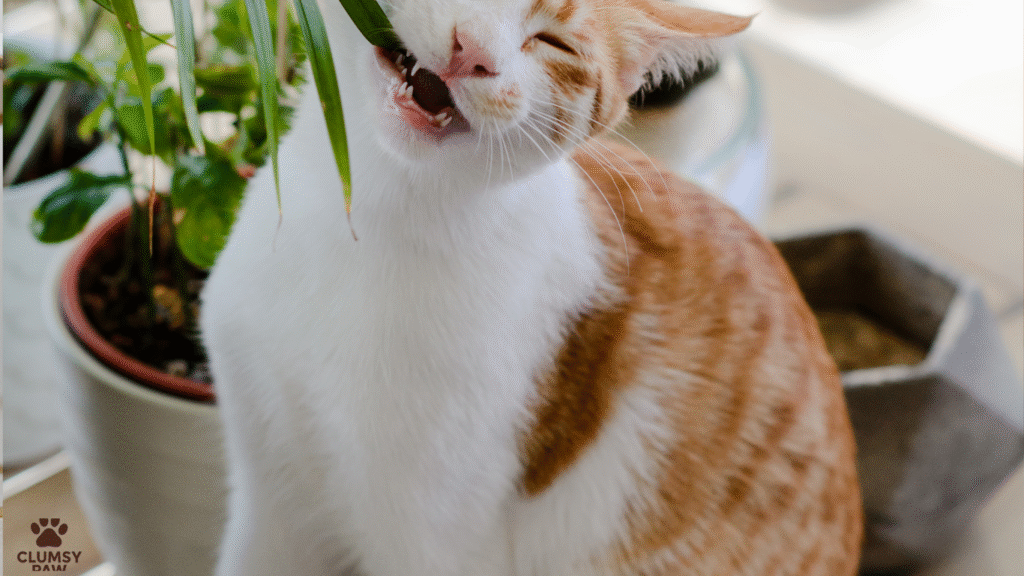
Chewing Wires or Plants
Chewing can be dangerous, especially with cords or toxic plants. Cats might chew from boredom, teething, or curiosity.
Fix it: Use cord covers or bitter spray deterrents, and offer safe alternatives like cat chew toys or cat grass.
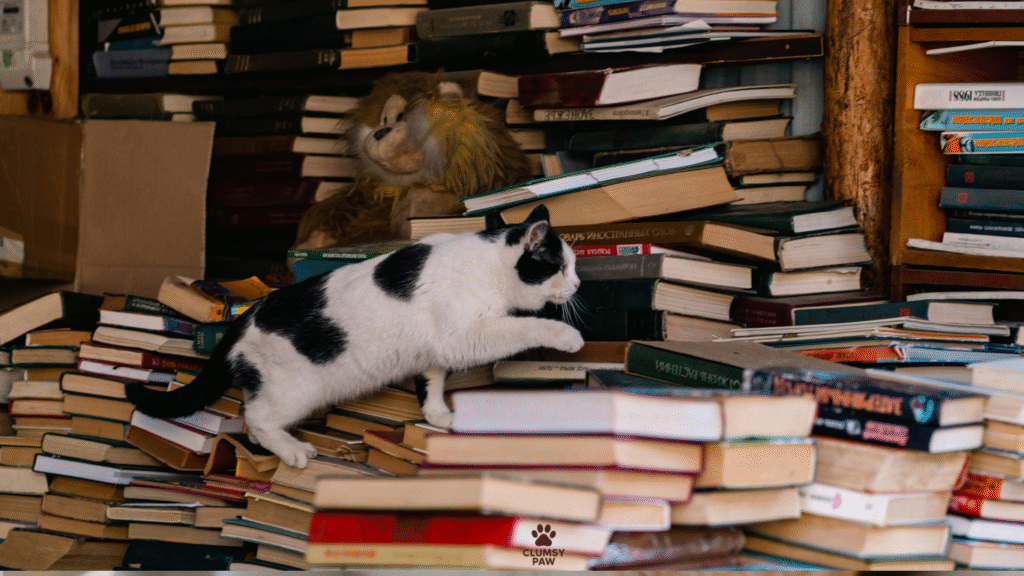
Knocking Things Off Shelves
This classic cat move isn’t just for attention — though sometimes it is! Cats often bat at small items out of curiosity or as a way to get your reaction.
Fix it: Secure fragile items, use museum putty for decorations, and provide interactive toys that make noise or move to keep your cat busy.
Clawing Doors and Windows
Some cats scratch doors because they want access to another room or are responding to outdoor animals.
Fix it: Use motion-activated pet deterrents or apply a clear vinyl scratch guard. Ensure your cat has stimulating indoor activities so they’re less focused on what’s beyond the door.
Destroying Plants and Soil
Cats love digging in plant pots, especially if the soil feels soft.
Fix it: Cover the soil with rocks or foil, keep plants out of reach, and offer a pot of cat grass or catnip instead.

Creating a Cat-Friendly Home Environment
The best way to deal with destructive behavior is prevention. By making your home cat-friendly, you satisfy your cat’s needs before they turn to mischief.

1. Provide Vertical Spaces
Cats love to climb and observe from above. Install cat trees, wall shelves, or window perches to satisfy their climbing instincts and reduce boredom.
2. Design a Scratching Station
Place multiple scratching posts around your home — near entryways, windows, and sleeping areas. Cats prefer sturdy, tall posts they can fully stretch on.
3. Add Interactive Toys
Toys that mimic hunting behavior — like feather wands, laser pointers, and treat-dispensing balls — keep your cat physically and mentally engaged. Rotate toys weekly to keep their interest fresh.
4. Safe Outdoor Exploration
If possible, build a “catio” (an enclosed patio for cats) or take your cat for leash walks. Fresh air and new scents reduce pent-up energy and destructive habits.
5. Ensure Routine and Stability
Cats thrive on consistency. Feed, play, and groom them around the same time daily. Predictable routines lower stress and create emotional balance.
Training Your Cat to Be Less Destructive
Training a cat takes patience, but it’s completely possible with positive reinforcement.
1. Redirect, Don’t Punish
Never yell or spray your cat with water. Punishment creates fear and worsens anxiety. Instead, gently redirect the behavior by offering an alternative. If they scratch the sofa, move them to a scratching post and reward them when they use it.
2. Use Positive Reinforcement
Cats respond best to rewards — treats, praise, or gentle petting. Whenever they choose the correct behavior (like using their post), reward them immediately.
3. Use Deterrents Wisely
If your cat won’t stop targeting certain areas, deterrents can help. Try:
- Double-sided tape: discourages scratching
- Scent sprays: cats dislike citrus or vinegar-based scents
- Motion sensors: emit harmless air bursts to keep them away
4. Encourage Playtime Daily
Active cats are happier cats. Set aside at least 15–20 minutes twice a day for interactive play. It releases excess energy and reduces destructive urges.
5. Litter Box Maintenance
If your cat starts destroying furniture or soiling outside the box, it could be frustration. Keep the litter box clean, large enough, and in a quiet, private spot.

Handling Separation Anxiety in Cats
Destruction often spikes when cats are left alone too long. Separation anxiety is more common than many realize.
Signs include: scratching doors after you leave, chewing, or vocalizing excessively.
How to help:
- Leave comforting items like a blanket with your scent.
- Play soft music or leave the TV on low volume.
- Use puzzle feeders to keep them busy.
- Don’t make a big deal when you leave or return — stay calm and consistent.
If anxiety is severe, your vet may suggest pheromone diffusers or mild calming supplements.
Safe Alternatives for Natural Instincts
Since you can’t change a cat’s instincts, it’s better to work with them.
1. Scratching Alternatives
Offer scratch boards made from corrugated cardboard, sisal, or carpet. Sprinkle catnip to attract interest.
2. Climbing and Perching
Cats feel safer and happier when they can observe from above. Cat towers or window shelves can replace curtains and cabinets as their climbing zones.
3. Hunting Simulation
Feed cats with puzzle feeders or scatter food in small portions to mimic hunting. It satisfies their predatory instincts and keeps them mentally stimulated.
Dealing with Multi-Cat Households
In multi-cat homes, destruction can stem from competition or tension.
Tips:
- Provide separate food and litter areas.
- Ensure multiple perches and scratching posts.
- Use pheromone diffusers to reduce territorial stress.
- Offer individual attention so no cat feels neglected.
Harmony among cats means fewer destructive battles at home.
When to Seek Professional Help
Sometimes, no matter what you do, destructive behavior persists. That’s when it’s time to consult a professional.
1. Visit the Veterinarian
If your cat’s behavior changes suddenly — like aggressive scratching or chewing — a vet visit can rule out medical issues such as dental problems, allergies, or pain.
2. Call a Certified Behaviorist
Cat behaviorists specialize in identifying emotional or environmental triggers. They can create a personalized plan tailored to your home and cat’s personality.
Preventing Future Damage
Once you’ve addressed the root cause, focus on preventing future issues.
Practical tips:
- Trim your cat’s claws regularly using safe clippers.
- Use protective covers for couches or wooden furniture.
- Keep fragile items off edges.
- Maintain consistent playtime.
- Refresh toys and scratching materials often.
Consistency is the key to long-term success.
My Experience: Turning a Troublemaker into a Calm Companion
Many cat owners, including myself, have faced the frustration of a destructive feline. I once adopted a playful tabby who clawed my furniture relentlessly. At first, I felt defeated — but after introducing multiple scratching posts, establishing daily play sessions, and using citrus spray on my furniture, his behavior transformed.
Within weeks, he went from chaos to calm. It proved to me that patience and structure are far more powerful than punishment. Every cat can learn — it just takes understanding.
Frequently Asked Questions (FAQs)
1. Why is my cat suddenly destroying things?
Sudden destructive behavior often signals stress, boredom, or a medical issue. Check for environmental changes or visit your vet to rule out pain or illness.
2. Do cats grow out of destructive behavior?
Most cats calm down as they mature, but without proper outlets for energy, the habit can persist. Training and enrichment are essential.
3. Can declawing stop destruction?
Declawing is not recommended. It’s painful and can cause lifelong behavioral and health problems. Instead, use trimming, scratching posts, and training.
4. How can I protect my furniture from my cat?
Use scratching posts, deterrent sprays, or furniture protectors. Reinforce good behavior with treats and praise.
5. What’s the best toy for destructive cats?
Interactive toys like feather wands, puzzle feeders, or motorized mice keep destructive cats mentally engaged and physically active.
Conclusion: Turning Destruction into Harmony
Dealing with a destructive cat at home can feel exhausting, but it’s not hopeless. Cats act out when their needs aren’t met — emotionally, physically, or instinctually. By providing the right outlets for scratching, climbing, and play, along with a stable routine, you’ll notice real change.
The key is compassion, not punishment. With a little patience, your destructive cat can transform into a well-behaved, loving companion — and your home will finally be peaceful again.