


Fleas are tiny, fast-moving pests that can turn your furry friend’s life into a nightmare. Every pet owner, at some point, faces the challenge of dealing with these persistent parasites. While fleas may seem harmless at first glance, they can cause intense itching, allergic reactions, and even transmit diseases. If you live in the United States, especially in warmer or humid regions, flea infestations can be a year-round concern. Fortunately, with the right knowledge and approach, you can protect your pets — and your home — from these unwanted invaders.
This guide will walk you through everything you need to know about fleas, how they affect your pets, and most importantly,How to Deal with Your Pets Fleas— effectively, safely, and permanently.

Understanding Fleas: The Hidden Enemy
Fleas are small, wingless insects that feed on the blood of animals and humans. They reproduce quickly, and a single female flea can lay up to 50 eggs per day. Those eggs can fall off your pet and hatch in carpets, furniture, or outdoor areas, creating a full-blown infestation before you even notice.
The flea life cycle has four stages: egg, larva, pupa, and adult. Breaking this cycle is crucial because simply killing adult fleas won’t stop new ones from emerging. Eggs can survive for weeks in your home, waiting for the perfect warm and humid conditions to hatch. That’s why dealing with fleas requires a multi-step approach — not just a quick fix.
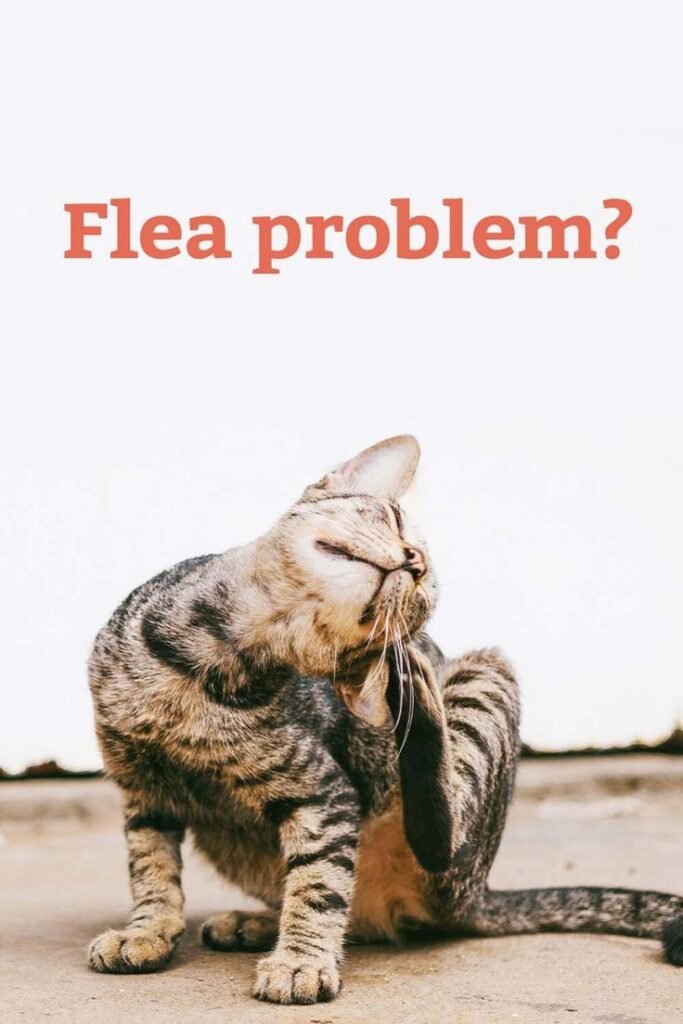
Signs Your Pet Has Fleas
It’s not always easy to spot fleas on your pet, especially if they have thick fur. However, there are a few telltale signs that indicate a flea problem:
- Constant Scratching or Biting – If your dog or cat can’t stop scratching, licking, or biting certain areas, it’s often a sign of fleas.
- Red or Irritated Skin – Flea bites cause inflammation and small red bumps.
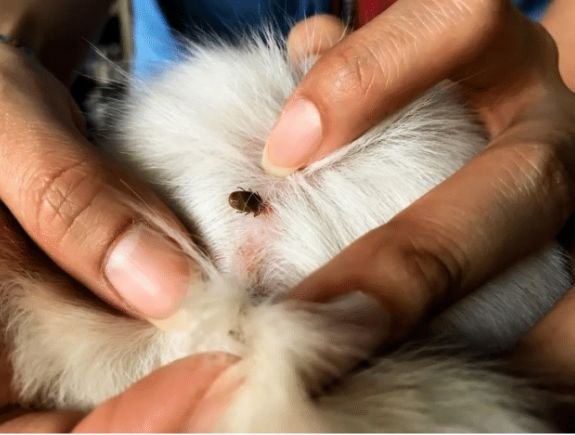
- Flea Dirt – Tiny black specks (actually flea feces) on your pet’s skin or bedding are a sure giveaway.
- Hair Loss or Hot Spots – Flea allergy dermatitis can cause bald spots and open sores.
- Restlessness or Discomfort – Pets may become more irritable when infested.
If you notice these signs, act quickly — fleas multiply fast, and delaying treatment can lead to an infestation that spreads throughout your home.

Step 1: Start with Your Pet
The first and most important step How to Deal with Your Pets Fleas in fighting s is treating your pet directly. You’ll need to remove the existing fleas and prevent new ones from jumping on. Here’s how:
1. Use a Flea Comb
A fine-tooth flea comb is your first line of defense. Comb through your pet’s fur, especially around the neck, belly, and tail areas. Dip the comb in soapy water after each pass to kill any fleas you catch.
2. Give a Flea Bath
A flea bath can kill adult fleas on contact. Choose a mild, pet-safe flea shampoo and follow the instructions carefully. Make sure to avoid getting shampoo in your pet’s eyes or mouth. If you’re treating a kitten or puppy, use products formulated for their age since some flea treatments can be too harsh for young animals.
3. Apply a Flea Treatment
Once your pet is clean, apply a vet-approved topical or oral flea treatment. These treatments typically kill fleas and prevent eggs from hatching for weeks or even months. Some of the most effective options available in the U.S. include:
- Topical treatments like Frontline Plus, Advantage II, or Revolution.
- Oral medications like NexGard, Capstar, or Simparica.
Your veterinarian can help you choose the best product for your pet’s age, weight, and health condition.
Step 2: Treat Your Home
Even if you’ve treated your pet, fleas can still live in your carpets, furniture, and bedding. Since about 95% of fleas live off the animal, treating your home environment is essential.
1. Vacuum Thoroughly
Vacuum all carpets, rugs, and upholstered furniture daily for at least two weeks. Pay close attention to areas where your pet sleeps or lounges. Dispose of the vacuum bag immediately in an outdoor trash can.
2. Wash Bedding and Fabrics
Wash all pet bedding, blankets, and any fabric your pet has contact with in hot, soapy water. Dry on high heat to kill eggs and larvae.
3. Use Flea Sprays or Foggers
Use indoor flea sprays or foggers that contain ingredients like insect growth regulators (IGRs) — these prevent flea eggs from maturing. Make sure to follow all safety instructions and remove pets and humans from the area during treatment.
4. Steam Clean Carpets
Steam cleaning is another effective way to eliminate fleas at all stages, including larvae hidden deep in fibers. The heat kills them instantly without using harsh chemicals.
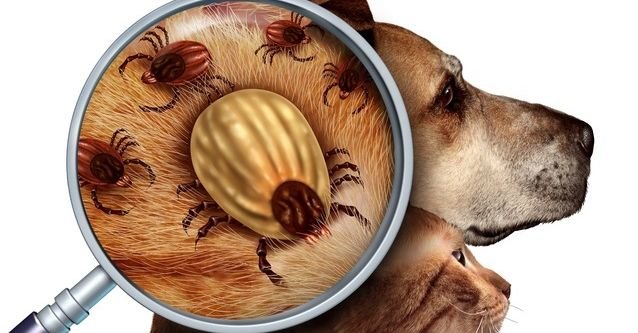
Step 3: Treat Your Yard
If your pets go outdoors, your yard can be a breeding ground for fleas. They thrive in shady, moist areas — particularly under decks, bushes, and trees.
1. Mow the Lawn and Trim Vegetation
Keep your grass short and remove piles of leaves or debris. Fleas love cool, dark hiding places.
2. Apply Outdoor Flea Control
Use yard sprays or granules designed for flea control. Choose products safe for pets and children, and follow the label directions closely.
3. Discourage Wild Animals
Squirrels, raccoons, and stray cats can carry fleas. Seal trash cans and limit access to food sources to keep them out of your yard.
Step 4: Break the Flea Life Cycle
Killing adult fleas isn’t enough — you must also prevent new ones from hatching. To break the flea life cycle completely, consistency is key.
- Continue treatments regularly: Follow your vet’s schedule for monthly topical or oral preventatives.
- Repeat cleaning: Keep vacuuming, washing bedding, and treating the environment for several weeks.
- Monitor your pet: Use a flea comb weekly to ensure they remain flea-free.
A comprehensive, ongoing approach will ensure the fleas don’t return once you’ve cleared them out.
Step 5: Natural Remedies and Safe Alternatives
While chemical treatments are effective, many pet owners in the U.S. prefer natural or less-toxic options. Here are a few safer alternatives that can complement your flea control routine:
1. Apple Cider Vinegar Spray
Mix equal parts apple cider vinegar and water in a spray bottle and lightly mist your pet’s coat (avoid the face). It can repel fleas, although it won’t kill them.
2. Diatomaceous Earth (Food Grade)
Sprinkle food-grade diatomaceous earth on carpets, pet bedding, and outdoor areas. It’s a natural powder that dehydrates fleas on contact. Vacuum after a few hours.
3. Essential Oils (Use with Caution)
Certain essential oils like lavender, lemongrass, and cedarwood can repel fleas, but always consult your vet before use — some oils are toxic to pets.
4. Flea-Repelling Plants
Plant lavender, mint, or rosemary around your yard. These natural repellents help keep fleas away while adding a pleasant scent.
Step 6: Prevent Future Infestations
Once you’ve conquered the current infestation, prevention is your best defense. Fleas are resilient, but with consistent care, you can keep them away for good.
1. Regular Vet Visits
Your vet can recommend ongoing flea prevention treatments and spot early signs of infestation before it spreads.
2. Monthly Preventatives
Administer flea prevention products year-round, even during winter months, especially in warmer U.S. states where fleas remain active.
3. Clean Home Habits
Maintain regular vacuuming, washing, and grooming schedules. Keeping your environment clean is one of the best long-term flea deterrents.
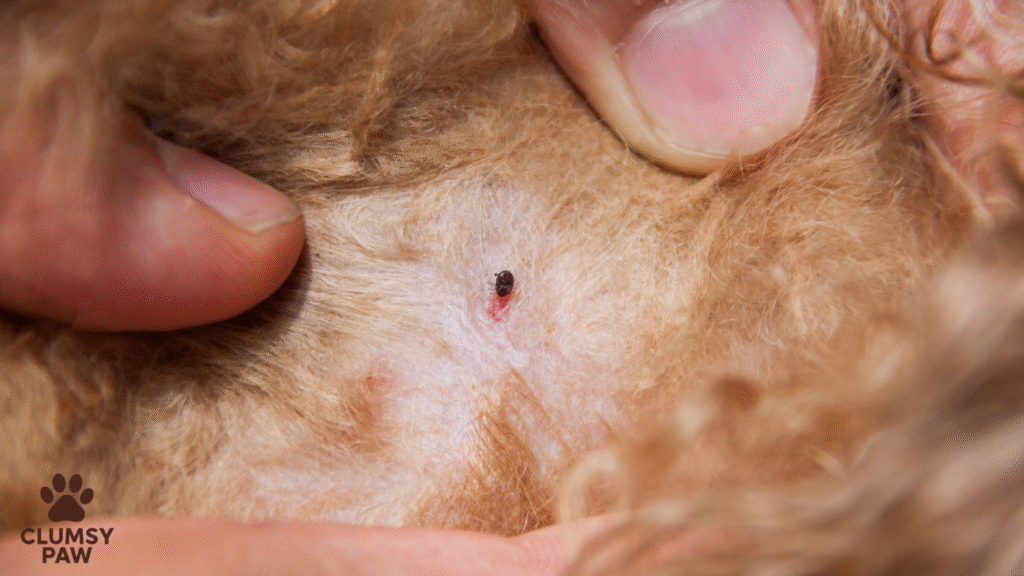
4. Check After Outdoor Activities
After walks, hikes, or playtime in grassy areas, inspect your pet for fleas and ticks. Quick detection can stop an infestation before it starts.
Common Mistakes to Avoid
Many pet owners unknowingly make mistakes that allow fleas to return. Here are a few pitfalls to avoid:
- Using dog treatments on cats (or vice versa): Some ingredients safe for dogs are toxic to cats.
- Stopping treatment too early: Even if you no longer see fleas, eggs may still be developing. Continue treatment for at least a month.
- Ignoring outdoor sources: Fleas can jump from your yard, deck, or neighboring pets. Treat all possible areas.
- Not treating all pets: If you have multiple pets, treat each one — fleas can move easily from animal to animal.
- Overusing harsh chemicals: Too many chemicals can harm your pet’s skin or health. Balance with safe, natural methods when possible.

Why Flea Control Is So Important
Fleas are more than just a nuisance — they pose real health risks. Here’s why taking flea prevention seriously matters:
- Skin Infections: Constant scratching can lead to open wounds and secondary infections.
- Allergic Reactions: Many pets develop flea allergy dermatitis, causing severe itching and discomfort.
- Anemia: In heavy infestations, blood loss can cause anemia, particularly in small pets.
- Tapeworms: Fleas can transmit tapeworms when ingested by your pet during grooming.
By addressing fleas quickly and thoroughly, you not only protect your pet’s comfort but also their overall health and well-being.
Frequently Asked Questions (FAQs)
1. How long does it take to get rid of fleas completely?
It usually takes 3 to 4 weeks to eliminate fleas fully, depending on the infestation level. Consistent treatment of both your pet and home is key.
2. Can fleas live on humans?
Fleas can bite humans but can’t live on them long-term. However, they can infest your home environment, so treating the surroundings is important.
3. Are over-the-counter flea treatments effective?
Some OTC treatments work well, but it’s best to consult your vet for prescription-strength options that offer more lasting protection.
4. Do fleas die in winter?
Not necessarily. Fleas can survive indoors during cold months, especially in heated homes. That’s why year-round prevention is essential in the U.S.
5. What’s the safest flea treatment for sensitive pets?
Pets with sensitive skin may do better with oral medications or hypoallergenic topical treatments. Always check with your vet before using new products.
Final Thoughts
Dealing with fleas doesn’t have to be a never-ending battle. With the right combination of treating your pet, cleaning your home, and maintaining preventive care, you can get rid of fleas for good. The key is persistence — fleas reproduce quickly, but if you stay consistent, you’ll break their life cycle and reclaim your home.
Remember, flea control is not just about comfort; it’s about your pet’s health and happiness. By taking a proactive, informed approach, you ensure your furry friend enjoys a life free of the irritation and danger these tiny pests bring.
So, take the time today to inspect your pet, clean your environment, and consult your vet for the best long-term flea prevention plan. Your pet will thank you — and your home will finally feel clean and comfortable again.