


Bringing your pet to work is no longer just a novelty—it’s becoming a growing workplace trend across the United States. As companies embrace flexible work cultures and prioritize employee well-being, pet-friendly offices are popping up in cities, suburbs, and even co-working spaces nationwide. For many pet owners, the idea of having their furry companion nearby during the workday sounds ideal. Reduced separation anxiety, improved morale, and a happier work-life balance are just some of the benefits.
However, taking your pet to work successfully requires more than just grabbing a leash and heading out the door. Not every workplace, pet, or situation is suited for this arrangement. Preparation, training, communication, and consideration for others are essential to ensure a positive experience for everyone involved.
This guide explores how to take your pet to work in a way that’s safe, professional, and enjoyable—for you, your pet, and your coworkers.
Understanding Pet-Friendly Workplaces in the U.S.
Pet-friendly workplaces vary widely across the United States. Some offices allow pets every day, while others host occasional “bring your pet to work” events. Policies may differ based on company size, industry, building regulations, and insurance requirements.
Before planning to bring your pet, it’s important to understand your company’s specific policy. Some workplaces allow only dogs, while others welcome cats or small animals. There may be size, breed, or behavior requirements, as well as proof of vaccinations or health records.
Even in pet-friendly offices, approval is often required. Employers want to ensure that pets won’t disrupt productivity, create safety concerns, or negatively impact other employees. Read About Why Pet-Friendly Events Are Essential for Pet Socialization.

Is Your Pet a Good Candidate for the Workplace?
Not every pet is suited for an office environment. The first step to success is honestly evaluating your pet’s temperament, behavior, and needs.
Pets that adapt well to new environments, remain calm around strangers, and respond reliably to commands are more likely to thrive at work. Dogs that bark excessively, become anxious in unfamiliar spaces, or show aggression may find the office stressful.
Age also plays a role. Puppies and kittens require constant supervision and frequent bathroom breaks, while senior pets may struggle with long commutes or changes in routine. A calm, well-socialized adult pet is often the best candidate.
Your pet’s health is equally important. Pets with medical conditions, mobility issues, or sensitivity to noise may not be comfortable in a busy workplace.
Preparing Your Pet Before the First Office Visit
Preparation is key to a smooth transition from home to office. Start by gradually exposing your pet to new environments and routines. Short visits to quiet public spaces, such as pet-friendly stores or cafes, can help your pet become accustomed to unfamiliar sights and sounds.
Basic training is essential. Your pet should reliably follow commands like “sit,” “stay,” and “come” and be comfortable resting quietly for extended periods. Crate training can be especially helpful, as it provides a familiar, secure space for your pet during the workday.
If your pet is not accustomed to being around other animals or people, socialization should be introduced gradually and positively.
Communicating with Your Employer and Coworkers
Clear communication sets the foundation for a successful pet-at-work experience. Even in a pet-friendly office, it’s important to discuss your plans with your manager and coworkers in advance.
Some employees may have allergies, fears, or cultural preferences that make them uncomfortable around animals. Respecting these concerns is essential for maintaining a harmonious workplace.
Agree on guidelines such as where your pet is allowed, how breaks will be handled, and what to do if issues arise. Setting expectations early helps prevent misunderstandings and ensures everyone feels comfortable.
Creating a Comfortable Workspace for Your Pet
Your pet’s comfort at work directly affects their behavior and well-being. Creating a designated space helps them feel secure and reduces distractions.
Bring familiar items from home, such as a bed, blanket, or favorite toy. These familiar scents can ease anxiety and help your pet relax. Access to fresh water is essential, and scheduled feeding times should align with your pet’s routine.
For dogs, having a leash or tether can help manage movement and prevent wandering. Cats or small pets may require carriers or enclosures, depending on office rules.

Managing Energy and Exercise Needs
A tired pet is often a well-behaved pet. Ensuring your pet gets adequate exercise before work can make a significant difference.
For dogs, a long walk or play session before heading to the office helps burn off excess energy. During the workday, plan for regular bathroom breaks and short walks to maintain comfort and focus.
Mental stimulation is just as important as physical exercise. Interactive toys, chew items, or puzzle feeders can keep your pet occupied and prevent boredom-related behaviors.
Maintaining Professionalism in a Pet-Friendly Office
While having pets at work can create a relaxed atmosphere, professionalism should still be maintained. Your pet should not interfere with meetings, phone calls, or coworkers’ ability to work.
Pay close attention to your pet’s behavior. If they show signs of stress, excessive barking, or restlessness, it may be best to remove them from the situation temporarily.
Cleaning up after your pet promptly and maintaining hygiene is crucial. Accidents happen, but how you handle them reflects your responsibility as a pet owner.
Addressing Potential Challenges
Even with preparation, challenges may arise. Noise, unfamiliar people, and new routines can overwhelm some pets. Recognizing early signs of stress, such as pacing, whining, or hiding, allows you to intervene before problems escalate.
Conflicts with other pets are another potential issue. Not all animals get along, and shared spaces can increase tension. Keeping pets separated and supervised helps reduce risks.
If challenges persist, it’s important to reassess whether bringing your pet to work is in their best interest. A pet’s comfort and safety should always come first.
Health, Safety, and Liability Considerations
Health and safety are major considerations for pet-friendly workplaces in the United States. Many employers require proof of vaccinations, flea and tick prevention, and spaying or neutering.
Liability is another factor. Some companies require pet owners to sign waivers or provide insurance coverage. Understanding these requirements protects both you and your employer.
Keeping your pet clean, well-groomed, and free of parasites is essential for maintaining a healthy shared environment.
Benefits of Bringing Pets to Work
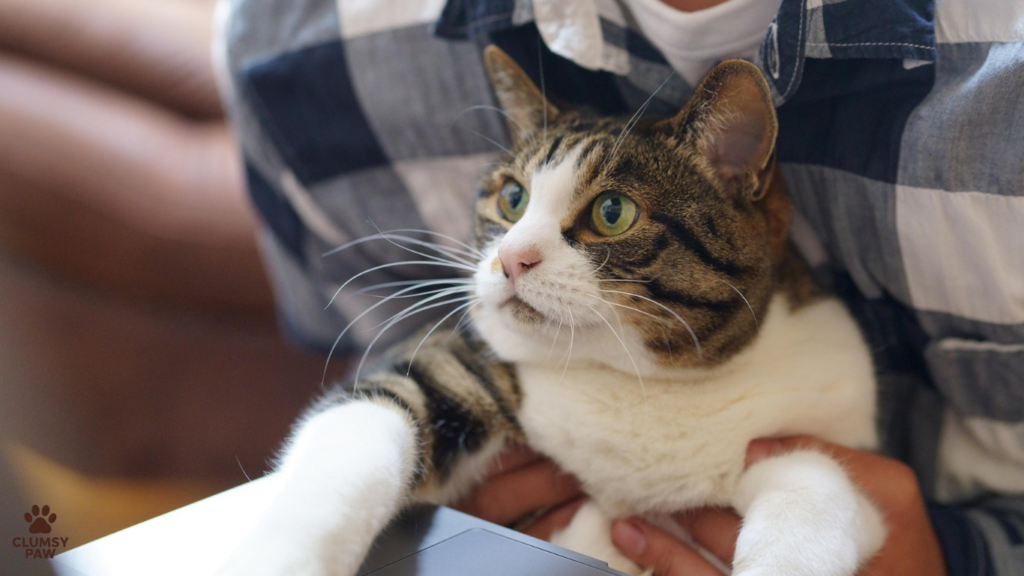
When done correctly, bringing pets to work offers numerous benefits. Studies have shown that pet-friendly workplaces can reduce stress, increase job satisfaction, and foster a sense of community.
Pets often encourage employees to take breaks, socialize, and move more throughout the day. For pet owners, being able to check in on their companion provides peace of mind and reduces separation anxiety.
These benefits contribute to a more positive and productive work environment when managed responsibly.
Knowing When It’s Not the Right Fit
It’s important to recognize that bringing your pet to work is not always the best choice. If your pet consistently shows signs of distress, disrupts others, or struggles to adapt, it may be kinder to leave them at home.
Some pets are simply happier in a familiar, quiet environment. Alternatives such as pet sitters, dog daycare, or flexible work schedules can still support both your career and your pet’s needs.

Tips for Long-Term Success
Consistency is key for long-term success. Establishing a routine helps your pet know what to expect and reduces anxiety. Regularly reassessing your pet’s behavior and comfort ensures that the arrangement continues to work.
Being considerate, flexible, and proactive helps maintain trust with coworkers and management. A positive pet-at-work experience depends on everyone feeling respected and comfortable.
Final Thoughts
Taking your pet to work can be a rewarding experience that strengthens the bond between you and your companion while enhancing your workday. For many pet owners across the United States, it represents a meaningful step toward better work-life balance.
Success depends on preparation, communication, and a deep understanding of your pet’s needs. By approaching the experience thoughtfully and responsibly, you can create a positive environment where both you and your pet can thrive.
Bringing your pet to work is not just about convenience—it’s about creating a harmonious space where productivity, well-being, and companionship coexist.