

Bringing a new dog into your home is exciting. You want your furry friend to be well-behaved. Obedience training is key to a happy life together. It builds a strong bond between you and your dog. Plus, it makes everyday life much easier.
Obedience Dog Training Tips isn’t just about tricks. It’s about communication. When your dog understands commands, you can keep them safe. For example, a “come” command can prevent them from running into traffic. It also helps your dog understand your expectations. This reduces stress for both of you.
A well-trained dog is a joy to be around. They are less likely to bark excessively or chew up your furniture. They can be good guests at friends’ homes. This training builds confidence in your dog too. They learn that they can rely on you for guidance.
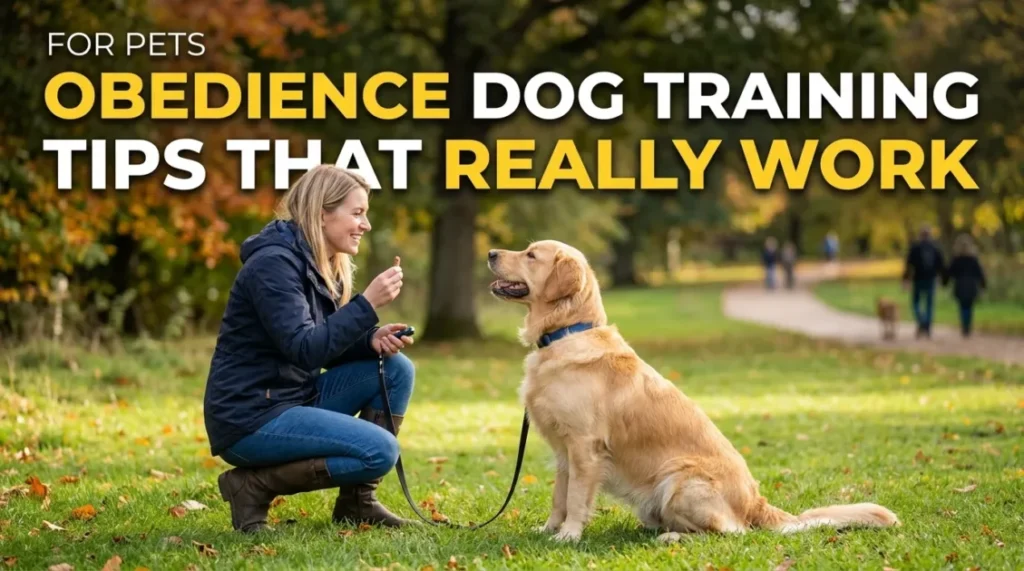
Obedience Dog Training Tips
Before you start, make sure you have the right tools. You’ll need a good quality leash and collar. A comfortable harness can also be helpful. Get some tasty treats your dog loves. These will be great rewards for good behavior. Consistency is super important. Everyone in the household should use the same commands and methods.
Keep your training sessions short and fun. Dogs have short attention spans, especially puppies. Aim for 5 to 10 minutes a few times a day. End each session on a positive note. This keeps your dog eager for the next one.
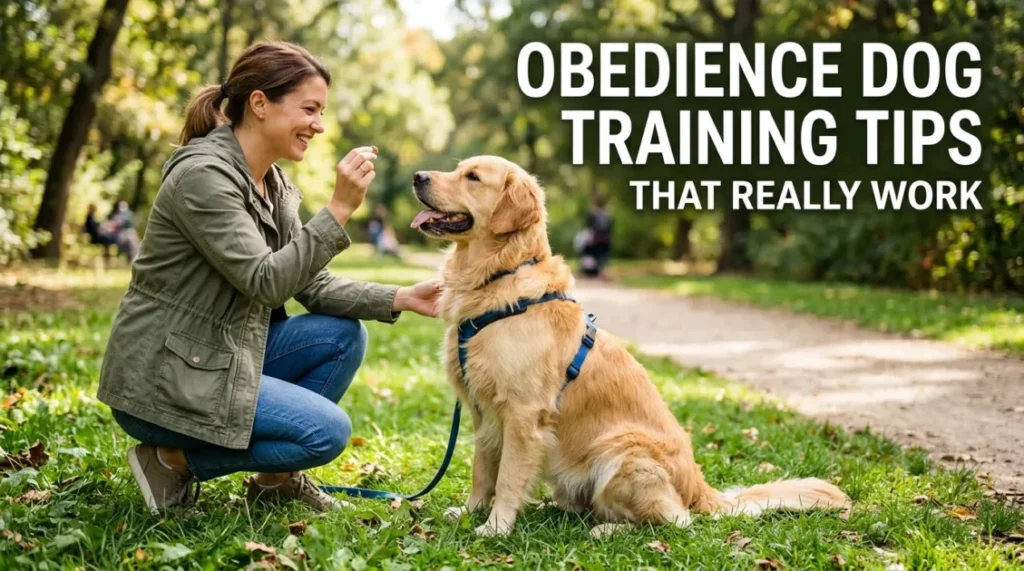
Basic Obedience Commands to Teach
There are a few essential commands every dog should know. These form the foundation of good behavior.
“Sit”
This is often the first command dogs learn. To teach “sit,” hold a treat near your dog’s nose. Move the treat up and slightly over their head. As their head follows the treat, their rear end should naturally lower. As they sit, say “sit” and give them the treat and praise. Repeat this many times.
“Stay”
Once your dog knows “sit,” you can teach “stay.” Have your dog sit. Then, hold your hand out, palm facing them, and say “stay.” Wait just a second, then reward them if they stayed. Gradually increase the time you ask them to stay. Also, slowly increase the distance you move away. If they get up, gently guide them back to the original spot and try again.
“Come”
The “come” command is vital for safety. Start in a quiet area. Get down on your dog’s level. Use a happy, encouraging tone and say their name followed by “come.” When they come to you, give them lots of praise and a treat. Never punish your dog if they take a while to come. You want them to associate coming to you with good things.
“Down”
To teach “down,” start with your dog in a sit position. Hold a treat near their nose. Lower the treat towards the floor and then slide it away from them along the ground. As they follow the treat, they should lower their body into a down position. Say “down” as they do it, and then reward them. Be patient; some dogs find this command a bit trickier.
Positive Reinforcement Techniques
Positive reinforcement is the most effective way to train dogs. This means rewarding good behavior. When your dog does something you like, give them a treat, praise, or a favorite toy. This makes them more likely to repeat that behavior.
Avoid punishment. Yelling or scolding can make your dog scared and confused. It can damage your relationship and make training harder. Instead, focus on rewarding the good choices your dog makes. If your dog is doing something wrong, redirect them to an appropriate behavior and then reward that. For instance, if they chew a shoe, give them a chew toy instead and praise them when they chew that.
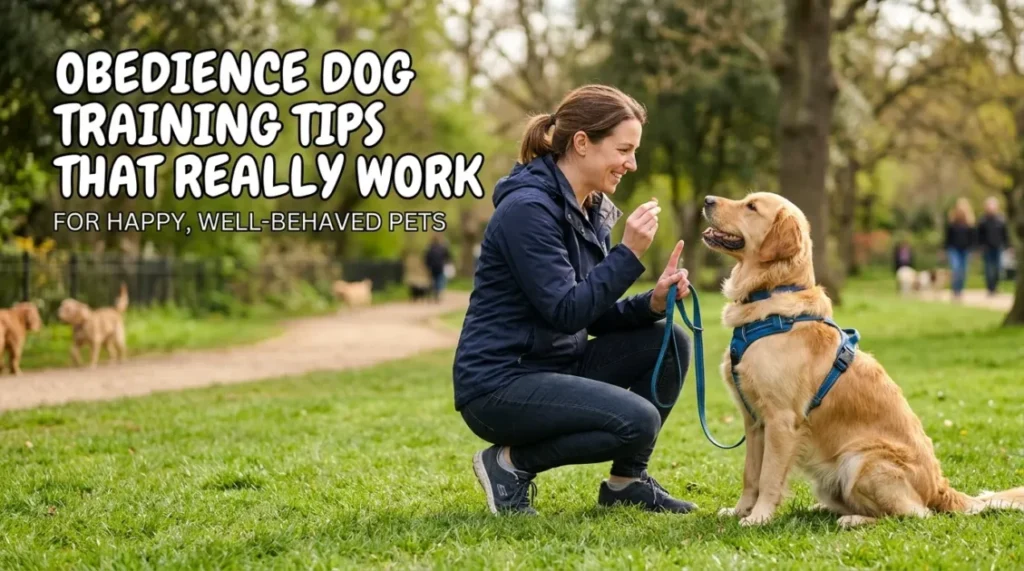
Dealing with Common Training Challenges
Every dog owner faces challenges. It’s normal. The key is to stay calm and consistent.
Leash Pulling
Many dogs pull on the leash because they are excited. When your dog pulls, stop walking. Wait until the leash goes slack before you move forward again. This teaches them that pulling stops the walk. You can also try a front-clip harness, which can help reduce pulling.
Jumping Up
Dogs jump up to greet people. When your dog jumps on you, turn away and ignore them. Only give them attention when all four paws are on the floor. You can also teach them to “sit” when greeting people. This gives them an alternative behavior.
Barking
Excessive barking can be frustrating. First, try to figure out why your dog is barking. Are they bored, anxious, or alerting you to something? If they bark at the mail carrier, for example, you can try desensitizing them. Give them a treat when the mail carrier comes, so they associate it with something positive.
Making Training Fun and Engaging
Training shouldn’t feel like a chore. Make it a game! Use play to reinforce commands. For example, you can hide treats around the house and ask your dog to “find it.” This is a great mental exercise.
Introduce new commands gradually. Don’t overwhelm your dog with too much at once. Celebrate small victories. Every successful sit or stay is progress. Remember that your dog wants to please you. Keep the sessions positive and rewarding.
When to Seek Professional Help
Sometimes, you might encounter issues that are difficult to solve on your own. If your dog has serious behavioral problems, like aggression or extreme anxiety, it’s a good idea to consult a professional dog trainer or a veterinary behaviorist. They have the experience to help you understand and address complex issues. They can also help if you notice that your pet might be sick and exhibiting unusual behaviors. 5 Signs Your Pet Might Be Sick And What You Can Do About It is a good resource for general health concerns.
Professional trainers can offer personalized advice. They can assess your dog’s specific needs. They can also guide you through advanced training techniques. Working with a professional can make a big difference for both you and your dog. It ensures you are on the right path for a well-adjusted companion.
Consistency is Key
The most important element in obedience training is consistency. Everyone in the family needs to be on the same page. Use the same words for commands. Follow the same rules. If one person lets the dog jump and another doesn’t, the dog will get confused.
Training is an ongoing process. It doesn’t stop once your dog learns a few commands. Continue to practice regularly. This reinforces what they’ve learned and strengthens your bond. A well-trained dog is a happy dog, and a happy dog makes for a happy owner. For more on responsible pet ownership and fun for pet lovers, check out Clumsy Paw | For Pet Lovers and Pet Enthusiasts.
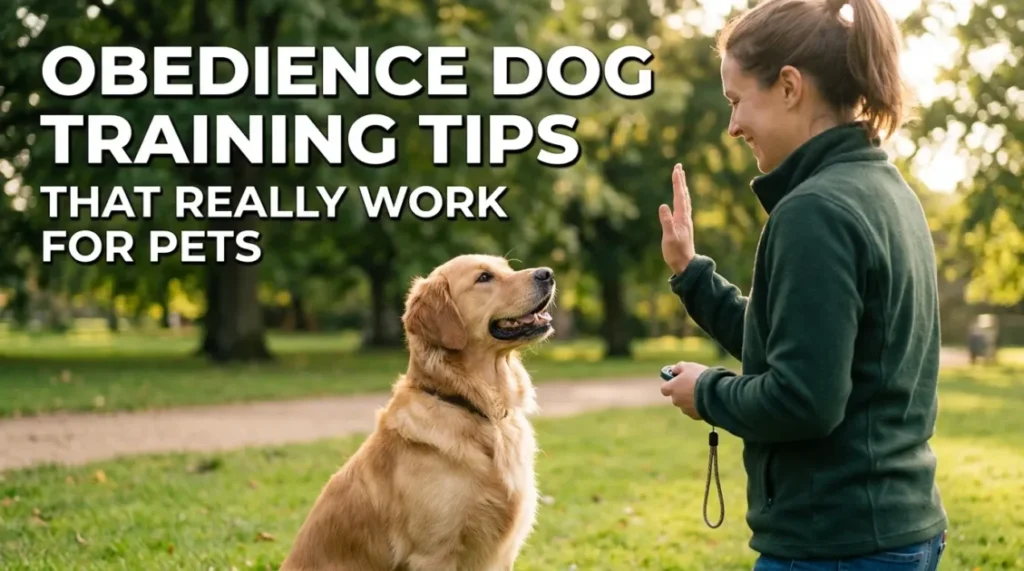
Frequently Asked Questions (FAQ)
How long does it take to train a dog?
Training times vary depending on the dog’s age, breed, and individual personality. Some dogs pick up commands quickly, while others take more time. Consistency and positive reinforcement are more important than speed. Basic obedience can often be established in a few weeks of regular practice.
What is the best age to start obedience training?
You can start basic obedience training as early as 8 weeks old, once puppies have had their initial vaccinations. Early socialization and basic commands like “sit” and “come” are very beneficial. However, older dogs can also learn new commands and behaviors.
Should I use treats for training?
Yes, treats are a highly effective tool for positive reinforcement training. High-value treats, like small pieces of chicken or cheese, can be very motivating. Once a command is well-learned, you can gradually reduce the frequency of treats and use praise or petting as rewards.
What if my dog doesn’t respond to training?
If your dog isn’t responding, take a step back. Are your sessions too long? Are you using rewards your dog loves? Is the environment too distracting? Sometimes, a change in approach or seeking advice from a professional trainer can help.
Is it okay to use punishment in training?
It is generally not recommended to use punishment. Positive reinforcement methods are more effective and build a stronger, trusting relationship between you and your dog. Punishment can lead to fear, anxiety, and aggression.