

How Pet Food Trends Are Shaping in the United States continues to evolve at a remarkable pace, reflecting changes in consumer preferences, nutritional research, and lifestyle trends. As more Americans consider pets integral members of the family, demand for high-quality, specialized, and health-focused pet foods has surged. By 2026, pet food trends are not just influencing what pets eat—they are reshaping the entire market, from product innovation to marketing strategies, packaging, and distribution.
This article explores the key pet food trends shaping the U.S. pet food industry in 2026, highlighting how evolving consumer behavior, technology, and sustainability considerations are transforming the market.
Growing Demand for Health Focused Pet Food
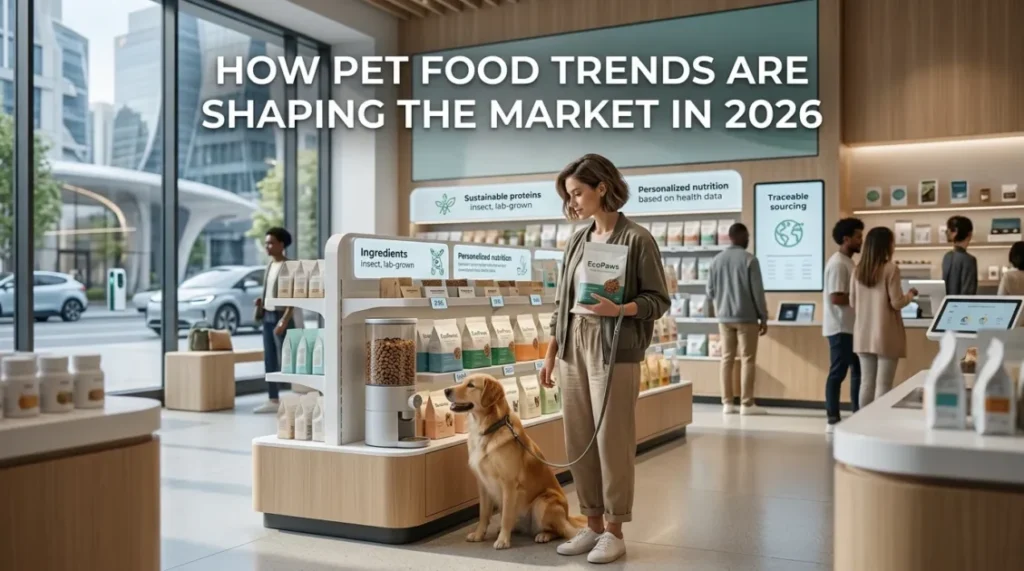
Pet Food Trends In 2026, health and wellness remain at the forefront of pet food trends in the U.S. Pet owners are increasingly concerned with nutrition, disease prevention, and overall well-being. Consumers now seek pet foods that cater to specific health needs, including weight management, digestive health, joint support, and allergy management.
Premium and functional pet foods, often formulated with high-quality proteins, vitamins, and supplements, are seeing significant growth. Ingredients like omega-3 fatty acids, probiotics, and glucosamine are in high demand due to their proven benefits for pets’ cardiovascular health, gut health, and mobility.
Veterinarians are also influencing consumer choices by recommending diet-based interventions to manage chronic conditions such as diabetes, obesity, and kidney disease. This trend highlights the intersection between veterinary guidance and consumer-driven demand. Cheack this post: The Most Popular Pet Activities in 2026.
Humanization of Pet Food
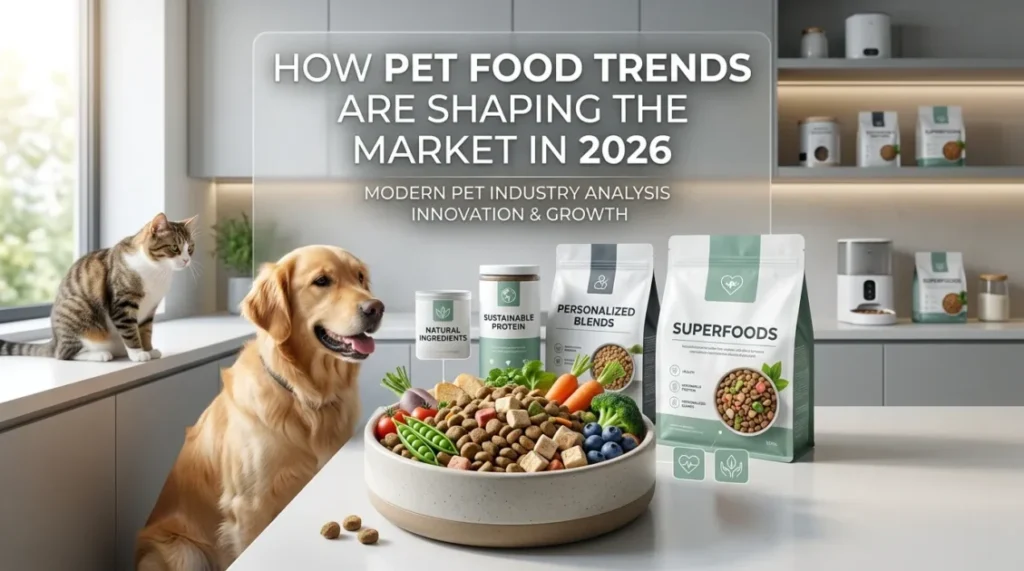
The humanization of pets continues to be a dominant trend shaping the U.S. market. Pet owners increasingly view pets as family members, influencing their willingness to invest in high-quality, natural, and fresh pet foods.
In 2026, human-grade ingredients, organic options, and minimally processed foods are gaining popularity. Many brands are adopting transparent labeling practices, listing ingredient sources and nutritional content to build trust with consumers.
This trend also extends to niche diets, such as grain-free, gluten-free, or limited-ingredient pet foods, which mirror human dietary preferences. Humanization is redefining premium pet food, encouraging companies to innovate with quality ingredients and sophisticated recipes.
Rise of Plant-Based and Alternative Proteins
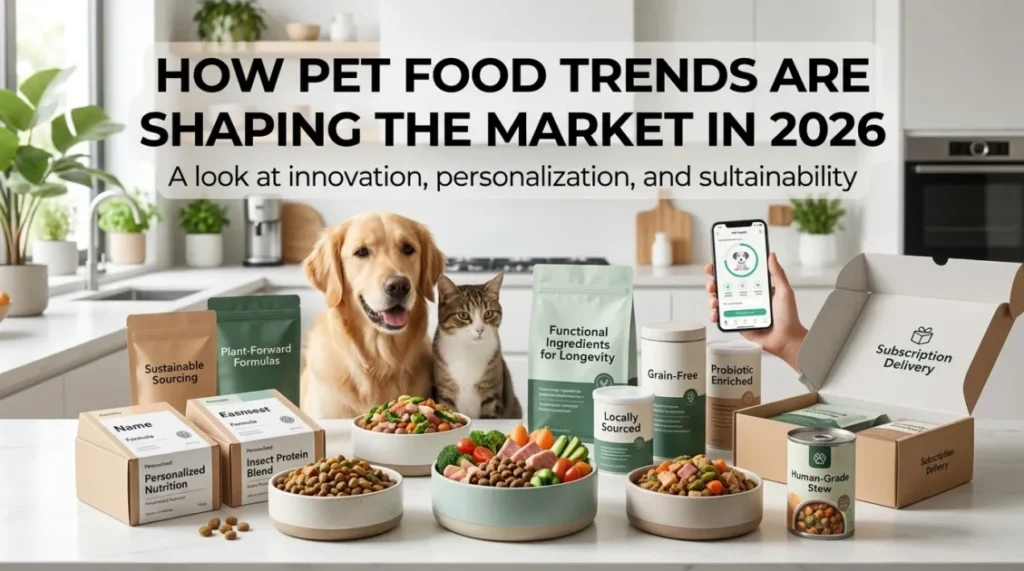
Plant-based and alternative protein sources are transforming the U.S. pet food market. Driven by environmental awareness, ethical considerations, and sustainability concerns, many American pet owners are exploring vegetarian, vegan, or hybrid diets for their pets.
Alternative proteins such as lentils, chickpeas, algae, and insect-based ingredients are being incorporated into pet food formulations. These options reduce the environmental impact of traditional meat production while maintaining essential nutrition for pets.
Brands that prioritize sustainability and ethically sourced ingredients are gaining competitive advantages. Plant-based and alternative-protein pet foods also appeal to a growing segment of health-conscious and environmentally aware consumers.
Personalized and Customized Pet Food
Customization has emerged as a major trend in the U.S. pet food industry. By 2026, more pet owners are seeking diets tailored to their pet’s age, breed, weight, activity level, and health requirements.
Subscription-based services and digital platforms are enabling personalized meal plans, delivering customized portions and nutritional formulas directly to consumers’ doors. Pet owners can track their pets’ progress and adjust diets in real time, creating a personalized health experience.
This trend not only enhances pet health outcomes but also builds loyalty to brands that offer convenience, transparency, and flexibility.
Sustainable Packaging and Eco-Friendly Products
Sustainability is increasingly shaping the U.S. pet food market. Consumers demand environmentally responsible packaging, including recyclable, compostable, or biodegradable materials.
Pet food brands are adopting eco-friendly manufacturing practices, reducing waste, and sourcing ingredients sustainably. This trend aligns with broader societal concerns about climate change and resource conservation, influencing purchase decisions for environmentally conscious pet owners.
Additionally, sustainable practices are becoming a key differentiator in a crowded market. Brands that communicate their commitment to sustainability effectively are gaining trust and market share.
Technological Advancements in Pet Food
Technology is revolutionizing pet food production, marketing, and distribution. Smart manufacturing processes, such as extrusion technology, precision nutrient formulation, and ingredient traceability systems, ensure high-quality products that meet evolving consumer expectations.
Digital platforms and apps enable pet owners to monitor their pets’ diets, track nutritional intake, and reorder products conveniently. AI-driven recommendations and data analytics allow brands to anticipate trends, optimize recipes, and personalize marketing strategies.
Emerging technologies also enhance transparency, enabling consumers to trace ingredient sources and assess product quality in real time, reinforcing trust and loyalty.
Growth of Functional and Therapeutic Pet Foods
Functional pet foods designed to provide specific health benefits are experiencing significant growth in the United States. These include diets formulated to support joint health, digestive function, skin and coat condition, cognitive performance, and immune support.
Therapeutic diets prescribed by veterinarians for chronic conditions, such as renal disease, gastrointestinal disorders, or obesity, continue to expand. Functional and therapeutic products combine science-backed nutrition with practical benefits, reflecting the growing intersection between veterinary guidance and consumer demand.
Pet owners increasingly view these products as preventive tools, not just treatments, highlighting a proactive approach to pet health.

Online and Direct-to-Consumer Distribution
E-commerce and direct-to-consumer (DTC) models are reshaping the U.S. pet food market. Online shopping offers convenience, subscription services, and access to premium products that may not be available in local stores.
Brands leverage digital platforms to provide educational content, product reviews, and personalized recommendations, enhancing the shopping experience. DTC channels also enable companies to gather valuable consumer data, refine marketing strategies, and build direct relationships with pet owners.
The COVID-19 pandemic accelerated the adoption of online pet food purchasing, and this trend continues to influence market dynamics in 2026.
Influence of Social Media and Pet Influencers
Social media platforms and pet influencers play a growing role in shaping consumer preferences. Brands collaborate with influencers to showcase products, share educational content, and build brand credibility.
Pet Food Trends In 2026, platforms like Instagram, TikTok, and YouTube are driving trends in premium, natural, and functional pet foods. Pet owners often rely on peer recommendations and influencer endorsements when selecting diets, making digital marketing a crucial component of the pet food industry.
Social engagement also enables companies to gather feedback, launch campaigns, and highlight sustainable and innovative products, further influencing market growth.
Regulatory and Safety Considerations
The U.S. pet food market operates under strict regulations to ensure safety, quality, and accurate labeling. The Food and Drug Administration (FDA) and the Association of American Feed Control Officials (AAFCO) oversee pet food standards, including ingredient definitions, nutritional adequacy, and labeling compliance.
Pet Food Trends In 2026, regulatory oversight remains critical as innovative ingredients, alternative proteins, and functional diets gain popularity. Compliance with regulations ensures consumer confidence and protects pets from potential health risks.
Brands emphasizing transparency, third-party testing, and safety certifications gain trust among U.S. pet owners who prioritize quality and reliability.
Challenges Facing the Pet Food Industry
Despite robust growth, the U.S. pet food industry faces challenges, including:
- Rising Production Costs: Premium ingredients and sustainable practices increase production expenses.
- Ingredient Sourcing: Limited availability of certain high-quality or alternative ingredients can constrain supply.
- Consumer Education: Pet owners must understand nutritional labels and benefits to make informed choices.
- Market Saturation: Intense competition requires differentiation through innovation, quality, and marketing.
Addressing these challenges requires innovation, strategic planning, and ongoing consumer engagement to maintain growth and brand loyalty.

The Future of Pet Food Trends in 2026 and Beyond
The U.S. pet food market in 2026 will continue to evolve toward health-focused, sustainable, and personalized offerings. Consumer demand for premium, natural, and functional diets is expected to grow, supported by veterinary guidance and scientific research.
Digital platforms, subscription services, and AI-driven recommendations will enhance convenience and personalization, while sustainability initiatives and alternative protein sources will address environmental concerns.
Innovation in packaging, ingredient sourcing, and product development will allow brands to differentiate themselves and capture market share in an increasingly competitive landscape.
The convergence of humanization, technology, and wellness-focused nutrition is transforming the way Americans approach pet feeding, ensuring pets receive diets that support longevity, health, and overall well-being.
Conclusion
Pet food trends in 2026 are shaping the U.S. market in profound ways, driven by consumer demand for health, sustainability, and personalization. From functional diets and plant-based proteins to digital engagement and subscription models, the industry is innovating to meet the evolving needs of American pet owners.
Veterinary guidance, regulatory compliance, and scientific research continue to inform product development, ensuring pets receive safe and effective nutrition. As humanization of pets and awareness of environmental impact grow, the U.S. pet food market is expected to remain dynamic, innovative, and highly responsive to consumer preferences.
By staying informed about trends and embracing innovations, pet owners can provide the best nutrition and care for their pets, while businesses can capitalize on evolving opportunities in the growing and competitive market.