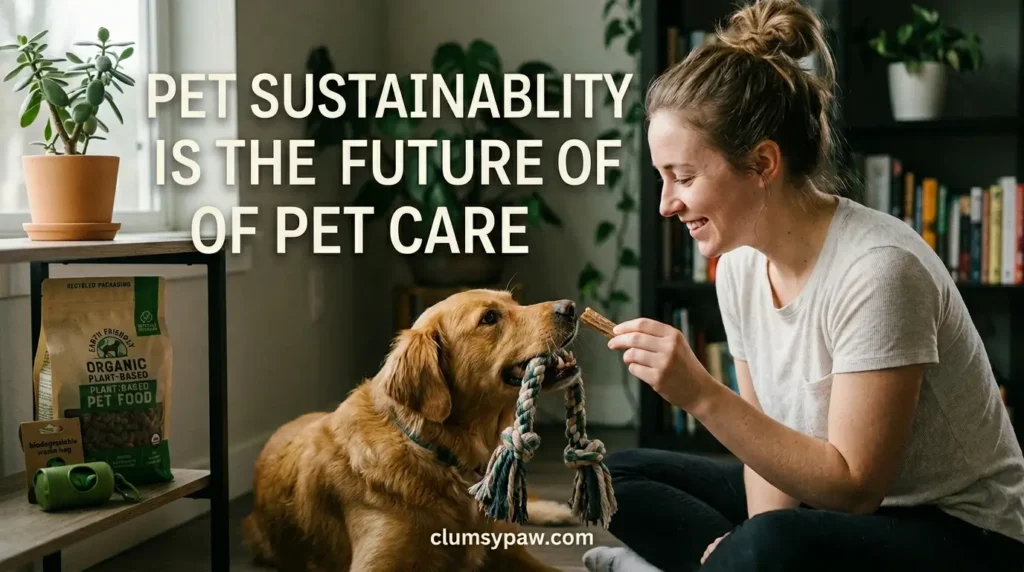

Pet Sustainability is the Future of Pet Care As pet ownership continues to rise around the world, so too does the need for sustainable practices in pet care. From food choices to grooming products, pet owners are becoming more aware of the environmental impact of their decisions. The future of pet care is not only about the well-being of our furry friends but also about adopting sustainable, eco-friendly practices that ensure the planet’s health.
In this blog post, we’ll explore why pet sustainability is gaining momentum and how it is shaping the future of pet care. We will dive into the various aspects of sustainability in the pet industry, including food, products, and services, and how adopting these practices can help both your pet and the environment.
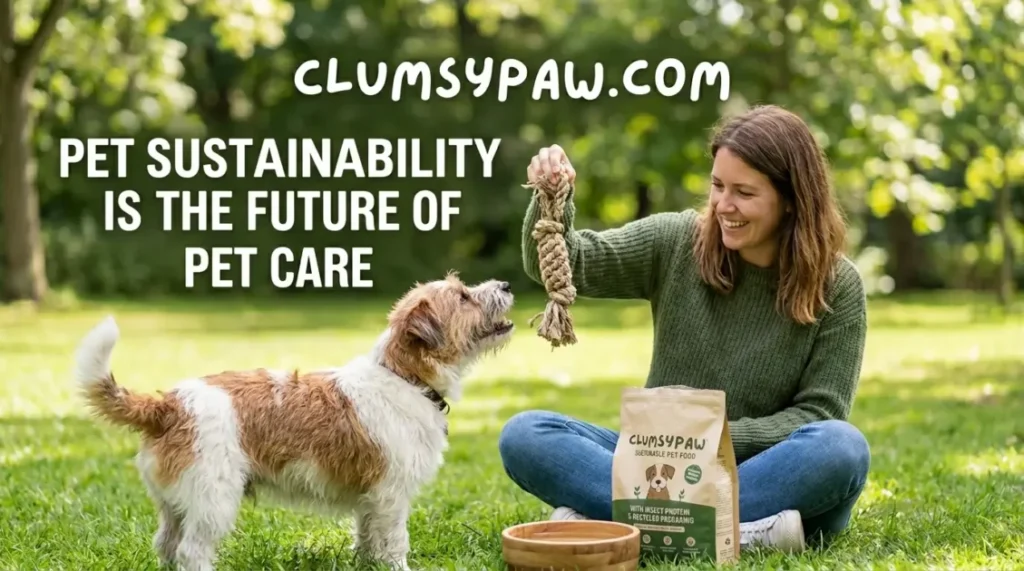
Pet Sustainability is the Future of Pet Care
1. The Growing Need for Pet Sustainability
With millions of pets living in households worldwide, the pet industry has become a multi-billion-dollar business. While this industry has brought joy and companionship to pet owners, it also contributes significantly to environmental challenges, including waste, resource consumption, and carbon emissions.
Here are a few key reasons why sustainability in pet care is more important than ever:
A. Environmental Impact of Pet Products
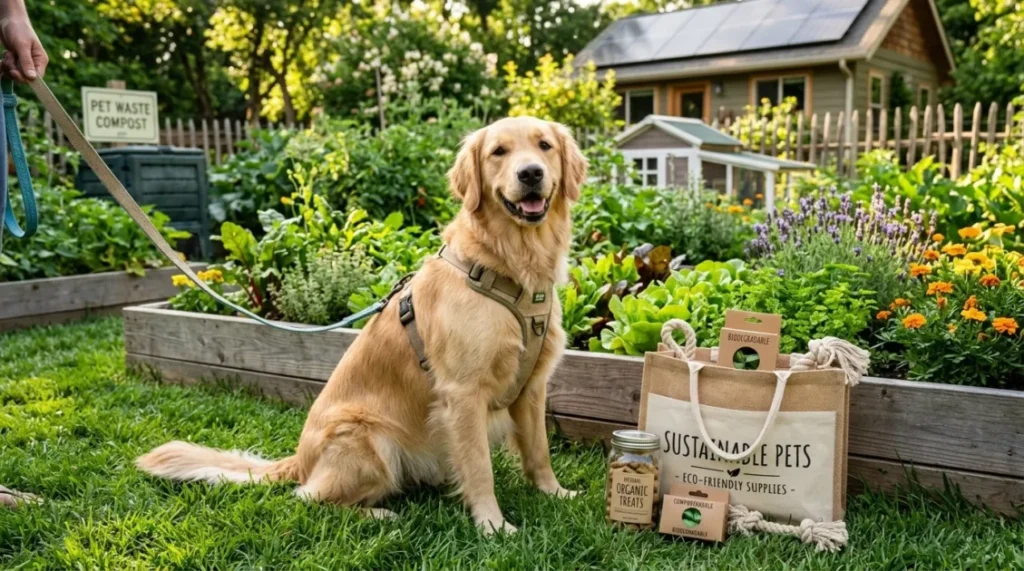
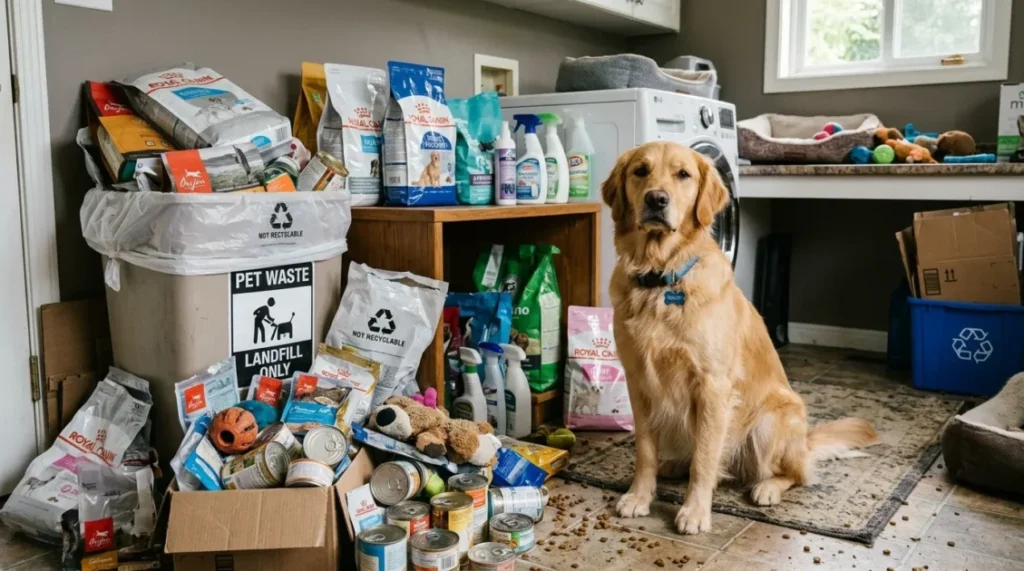
Many traditional pet products are made from non-recyclable or non-biodegradable materials. Pet food packaging, toys, grooming products, and accessories often contribute to unnecessary waste that ends up in landfills. Moreover, some pet products are made using harmful chemicals that can harm both pets and the environment.
B. Pet Food Production and Its Carbon Footprint
The production of pet food, especially meat-based products, can have a substantial carbon footprint. The meat industry is one of the largest contributors to greenhouse gas emissions, deforestation, and water usage. As a result, the growing demand for meat-based pet food contributes to these environmental issues.
C. Waste Management Challenges
Pets, especially dogs and cats, produce waste that needs to be disposed of properly. Single-use plastic bags for dog waste, non-compostable cat litter, and other disposable products contribute to pollution and waste accumulation.

D. Consumer Awareness and Demand for Change
As more consumers become aware of these environmental impacts, they are seeking alternatives that prioritize sustainability. In response, many companies are shifting towards sustainable practices in pet care, from eco-friendly packaging to plant-based pet food. The shift towards sustainability in pet care is not just about making eco-conscious choices—it’s about ensuring a better future for our pets and the planet.
2. Sustainable Pet Food: A Step Towards a Greener Future
Pet food production is one of the largest contributors to the environmental impact of pet care. Traditional pet foods, particularly those based on animal meat, require significant resources in terms of land, water, and energy. Additionally, the carbon footprint of producing and transporting these foods is considerable.
A. Plant-Based and Alternative Protein Sources
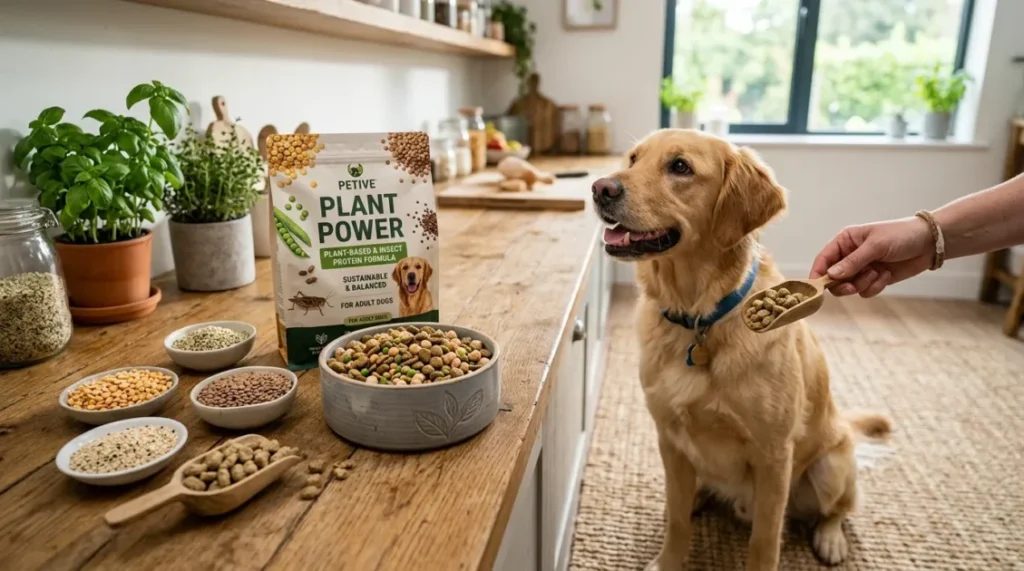
One of the most significant trends in pet sustainability is the move toward plant-based and alternative protein sources in pet food. These options offer a more sustainable and eco-friendly approach to pet nutrition. Some of the alternative proteins gaining popularity include:
- Insect protein: Insects, such as crickets and mealworms, are rich in protein and require fewer resources to produce compared to traditional meat sources. They also have a much lower carbon footprint and are highly sustainable.
- Plant-based proteins: Ingredients such as peas, lentils, quinoa, and chickpeas are being used in plant-based pet food formulas. These plant proteins are not only sustainable but also highly digestible and provide essential nutrients for pets.
- Lab-grown meat: Though still in its early stages, lab-grown or cultured meat is an emerging technology that could reduce the environmental impact of pet food production. This lab-produced meat is created without the need for traditional livestock farming, reducing emissions and land use.
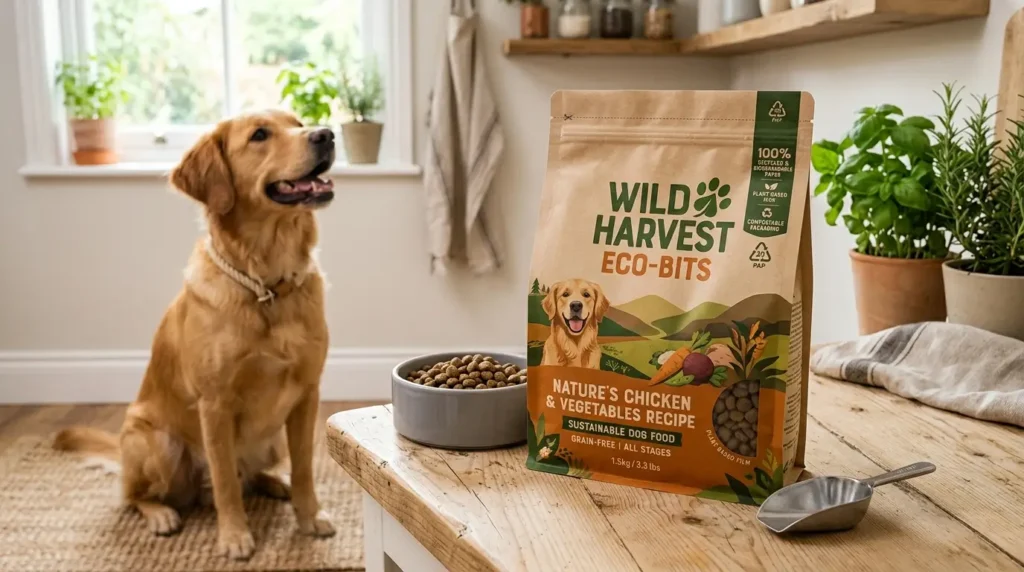
B. Eco-Friendly Pet Food Packaging
Traditional pet food packaging, particularly single-use plastic bags, contributes significantly to waste and pollution. To address this issue, many pet food brands are now offering packaging made from sustainable materials such as:
- Recyclable packaging: Companies are increasingly using recyclable bags and containers to package their pet food products. This reduces waste and encourages consumers to recycle.
- Compostable bags: Some pet food brands are switching to compostable packaging made from plant-based materials, which break down naturally and reduce landfill waste.
- Minimalistic packaging: Some companies are focusing on minimalistic packaging designs, using less plastic and reducing overall material waste.
C. Benefits of Sustainable Pet Food
- Healthier for pets: Plant-based and alternative protein diets can offer pets a healthy and nutritious option without compromising on taste or essential nutrients.
- Better for the environment: By choosing more sustainable food options, you can significantly reduce your pet’s carbon footprint and contribute to a healthier planet.
- Reduced waste: Sustainable packaging and food production methods lead to less waste in landfills and more efficient resource use.
the impact of climate change on pets
3. Eco-Friendly Pet Products: From Toys to Accessories
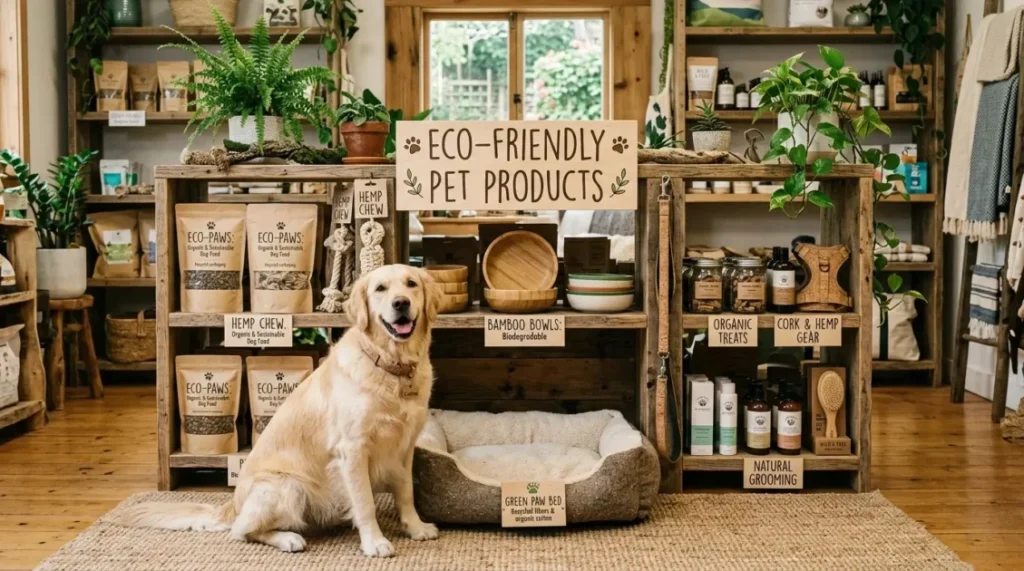
The pet care industry is not just about food. Pet toys, grooming products, accessories, and even bedding are essential aspects of pet ownership. As sustainability becomes a priority, more eco-friendly alternatives are emerging in these areas.
A. Sustainable Pet Toys
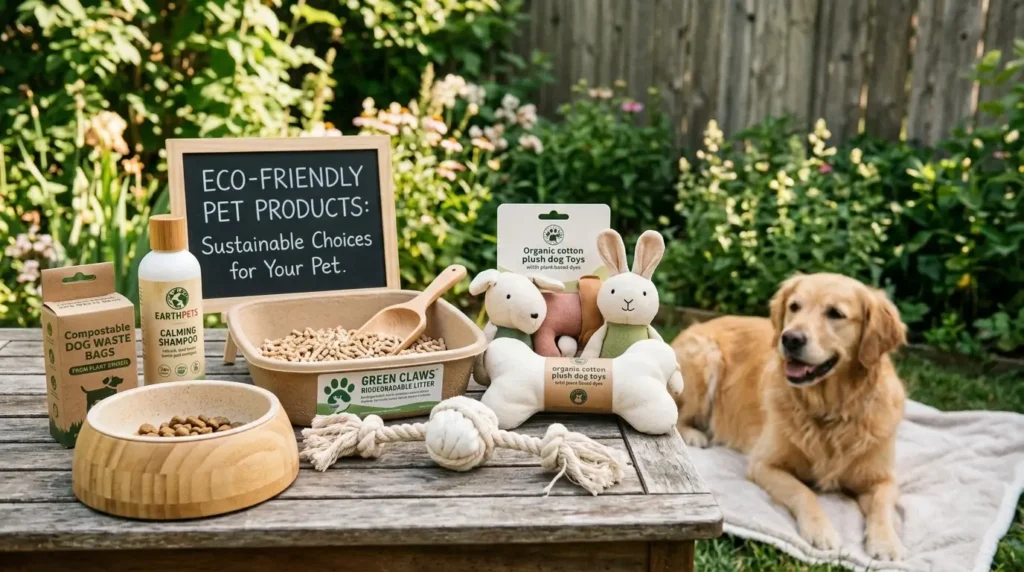
Many traditional pet toys are made from plastic, rubber, or other non-recyclable materials that can take years to decompose. Sustainable pet toys are made from eco-friendly, non-toxic materials that are safer for pets and the environment.
- Biodegradable toys: Some pet toy brands are using biodegradable materials like natural rubber, organic cotton, and hemp to make toys that break down over time.
- Recycled materials: Toys made from recycled plastic or fabric help reduce the need for new resources and decrease waste.
- Durable and long-lasting: Sustainable toys are often designed to be more durable, meaning they last longer and don’t need to be replaced as frequently, reducing waste.
B. Eco-Friendly Grooming Products
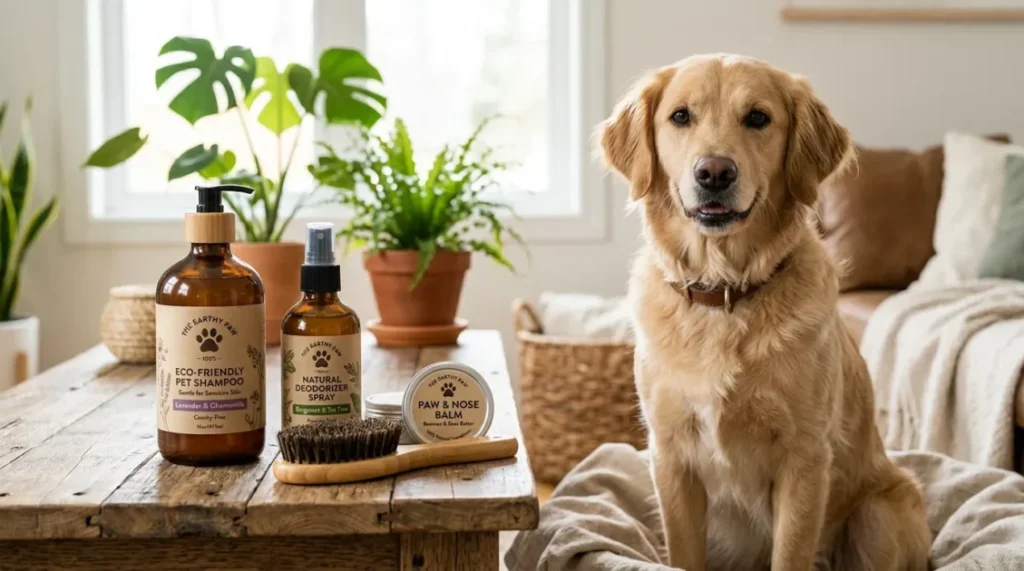
Grooming products, such as shampoos, conditioners, and brushes, are essential for pet care. However, many traditional grooming products contain harmful chemicals that can be damaging to both pets and the environment.
- Natural and organic ingredients: Eco-friendly grooming products often feature natural, organic ingredients that are gentle on pets’ skin and coats. These products are free from harmful chemicals like parabens, sulfates, and synthetic fragrances.
- Sustainable packaging: Just like pet food packaging, grooming products are also moving toward recyclable, compostable, or biodegradable packaging to reduce environmental impact.
C. Sustainable Pet Accessories
From collars and leashes to pet beds and clothing, pet accessories are often made from non-sustainable materials. However, the demand for eco-friendly pet accessories is rising. Here are some sustainable options:
- Recycled materials: Many pet accessory brands are now using recycled fabrics and materials to create collars, leashes, and pet clothing.
- Bamboo and hemp: Bamboo and hemp are natural, renewable materials that are being used in pet products such as toys, bedding, and furniture. These materials are eco-friendly, durable, and biodegradable.
- Sustainable pet bedding: Pet beds made from recycled or organic materials are becoming more widely available. These beds offer comfort for pets while reducing environmental impact.
D. Benefits of Eco-Friendly Pet Products
- Safer for pets: Eco-friendly products often use non-toxic materials, reducing the risk of skin irritation, allergies, or poisoning.
- Less environmental impact: By choosing sustainable pet products, you can help reduce the overall carbon footprint of pet care and support brands that prioritize sustainability.
- Better for your home: Many sustainable pet products are designed with durability in mind, meaning they are built to last and perform well, making them a good long-term investment.
4. Sustainable Waste Management for Pets
One of the biggest environmental challenges associated with pet ownership is managing pet waste. From dog poop bags to cat litter, pet waste can contribute to pollution and landfill overcrowding if not managed properly.
A. Biodegradable Dog Poop Bags
Traditional plastic poop bags take hundreds of years to break down in landfills. Biodegradable poop bags are made from plant-based materials that decompose much faster and are better for the environment.
- Compostable bags: Compostable dog waste bags are designed to break down naturally, turning into organic matter that can be safely added to compost piles.
- Recycled bags: Some companies are now using recycled materials to produce dog poop bags, reducing the need for virgin plastic.

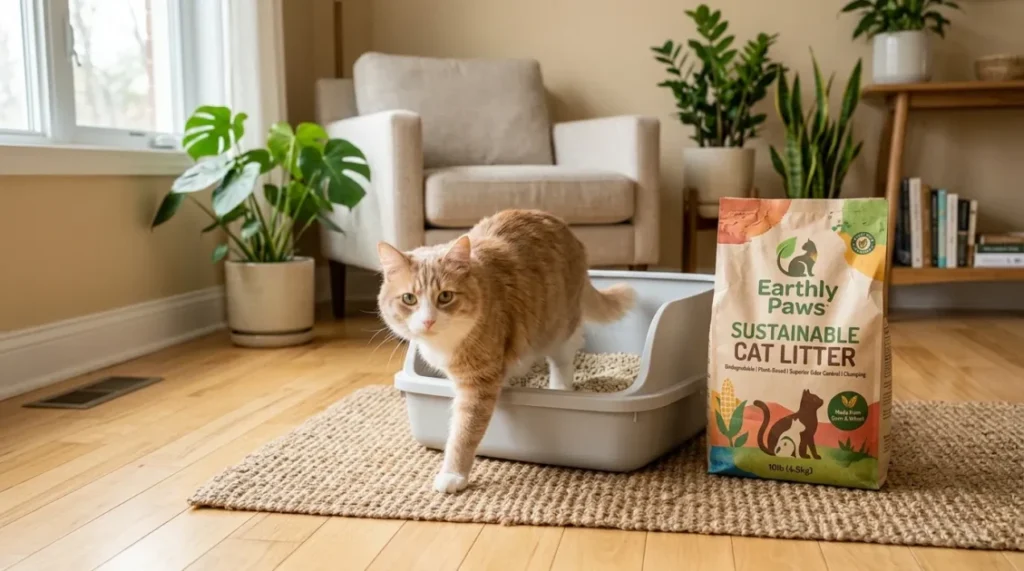
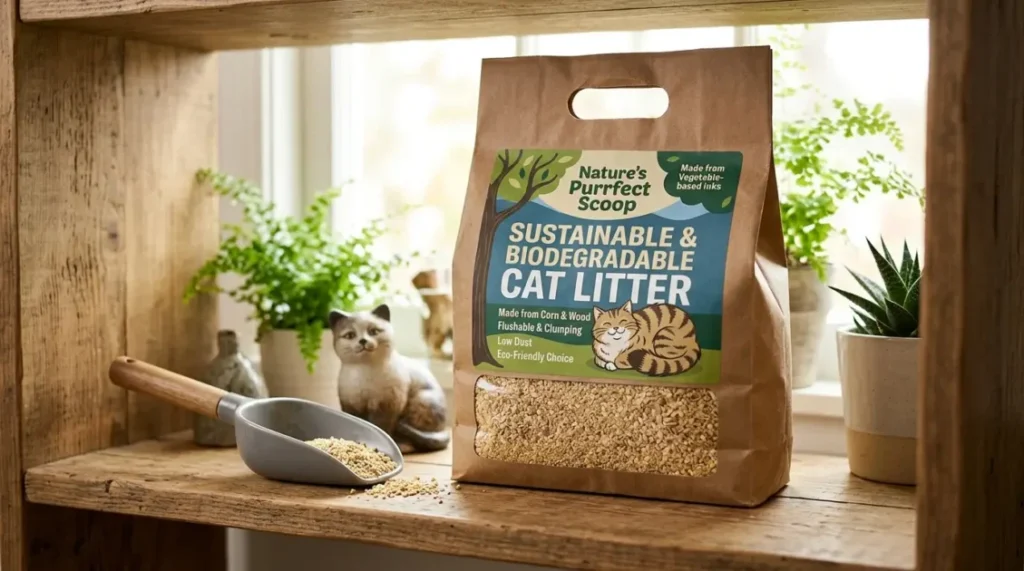
B. Sustainable Cat Litter
Traditional clay-based cat litter is often harmful to the environment. Mining for clay is resource-intensive, and many conventional litters contain chemicals that are harmful to pets and humans.
- Natural cat litter: Made from materials like recycled paper, wood pellets, or corn, natural cat litter is biodegradable, compostable, and much more environmentally friendly.
- Clumping biodegradable litter: Some new litter options use plant-based materials to create a clumping effect, making them easier to clean and dispose of without harming the environment.
C. Composting Pet Waste
Pet waste can also be composted, though it requires specific processes to ensure that harmful bacteria and pathogens are neutralized. Specialized pet waste composters are available to help turn dog poop and other waste into compost that can be safely used in non-food areas of your garden.
D. Benefits of Sustainable Waste Management
- Reduces landfill waste: Biodegradable bags and composting help reduce the amount of pet waste that ends up in landfills.
- Safer for the environment: Non-toxic, natural materials help ensure that pets and the environment aren’t exposed to harmful chemicals.
- Improves soil health: Properly composted pet waste can enhance soil quality by providing organic matter to the earth.
5. Eco-Friendly Pet Services: A Growing Trend
As more pet owners prioritize sustainability, pet service providers are adapting by offering eco-friendly options. Here are some of the most popular eco-conscious services in the pet industry:
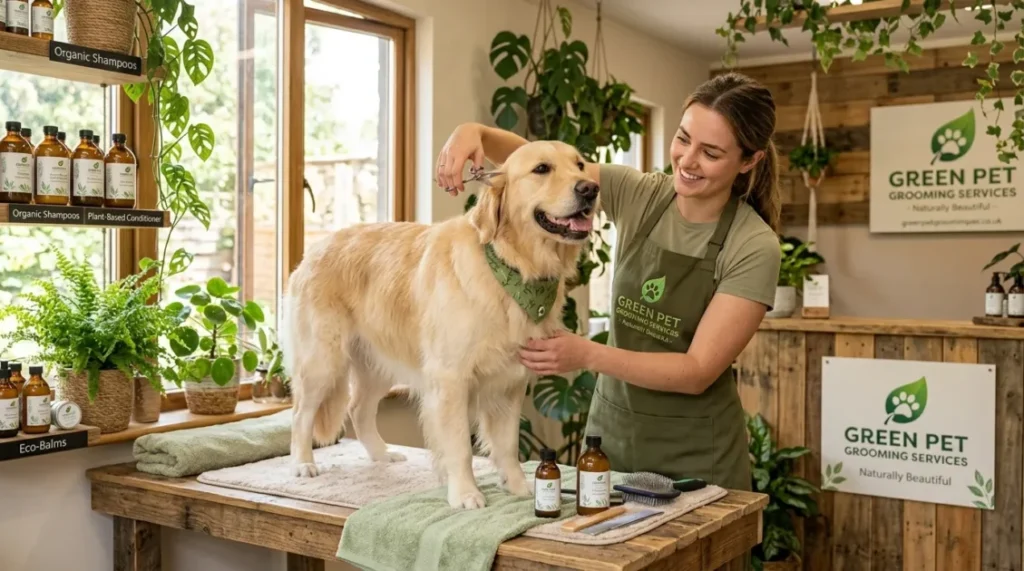
A. Green Pet Grooming Services
Many pet grooming salons are now using natural, organic products and eco-friendly practices. Green pet grooming services are designed to be safe for pets while reducing their environmental footprint.
- Natural shampoos and conditioners: Eco-friendly grooming services use organic, non-toxic grooming products that are free from harmful chemicals.
- Water-saving practices: Some salons use water-efficient techniques to minimize water waste while grooming pets.
B. Eco-Friendly Pet Boarding and Daycare
Eco-conscious pet boarding and daycare facilities are becoming more popular. These facilities use sustainable practices such as:
- Solar power: Some pet daycare centers use solar energy to power their facilities, reducing their carbon footprint.
- Natural and organic food: Sustainable pet care centers often offer organic or locally sourced food options for the pets in their care.

Conclusion
As a pet owner, you have the power to make a positive impact. By choosing sustainable options and supporting companies that prioritize eco-friendly practices, you can help create a brighter, greener future for both pets and the planet. The shift toward sustainability in the pet industry is happening now, and it’s an exciting time to be part of this change.