
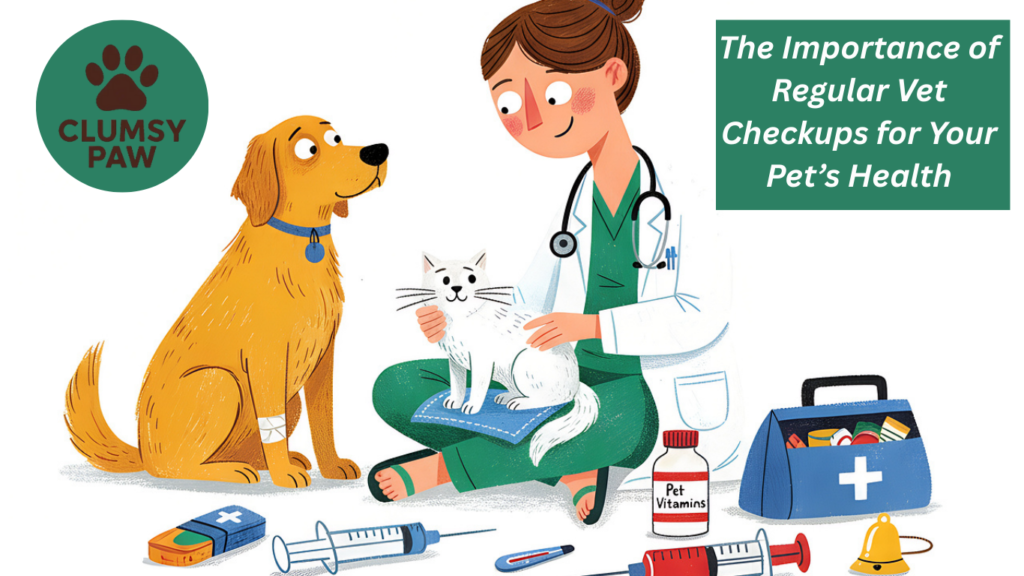

For millions of households across the United States, pets are not just animals—they are beloved family members. Whether it’s a loyal dog greeting you at the door, a cat curled up beside you on the couch, or a rabbit hopping around the living room, pets bring companionship, comfort, and joy into our lives.
As responsible pet owners, ensuring their long-term health and happiness is one of our most important responsibilities. One of the most effective and often overlooked ways to do this is through regular veterinary checkups.
Many pet owners believe vet visits are only necessary when a pet is visibly sick or injured. However, this reactive approach can lead to missed warning signs, delayed diagnoses, and higher medical costs in the long run.
Regular vet checkups play a critical role in preventive care, early disease detection, and maintaining overall wellness throughout every stage of a pet’s life.
This article explores why routine veterinary visits are essential, how they benefit pets and owners alike, and how they contribute to a longer, healthier life for your furry companions.
Understanding Preventive Veterinary Care
Preventive veterinary care focuses on maintaining health rather than treating illness after it occurs. Just as humans benefit from annual physical exams, pets also need consistent health evaluations to monitor their condition and prevent serious problems before they develop.
During a routine vet checkup, a veterinarian conducts a comprehensive physical examination. This typically includes checking the pet’s weight, heart rate, breathing, skin and coat condition, eyes, ears, teeth, joints, and abdomen. These exams provide a baseline of your pet’s health, making it easier to notice subtle changes over time.
Preventive care is especially important because pets cannot communicate discomfort the way humans can. Animals often instinctively hide pain or illness, which means problems may already be advanced by the time symptoms become obvious. Regular checkups help uncover these hidden issues early. Read About The Rise of Pet Influencers: A Growing Trend in 2025.
Early Detection Saves Lives
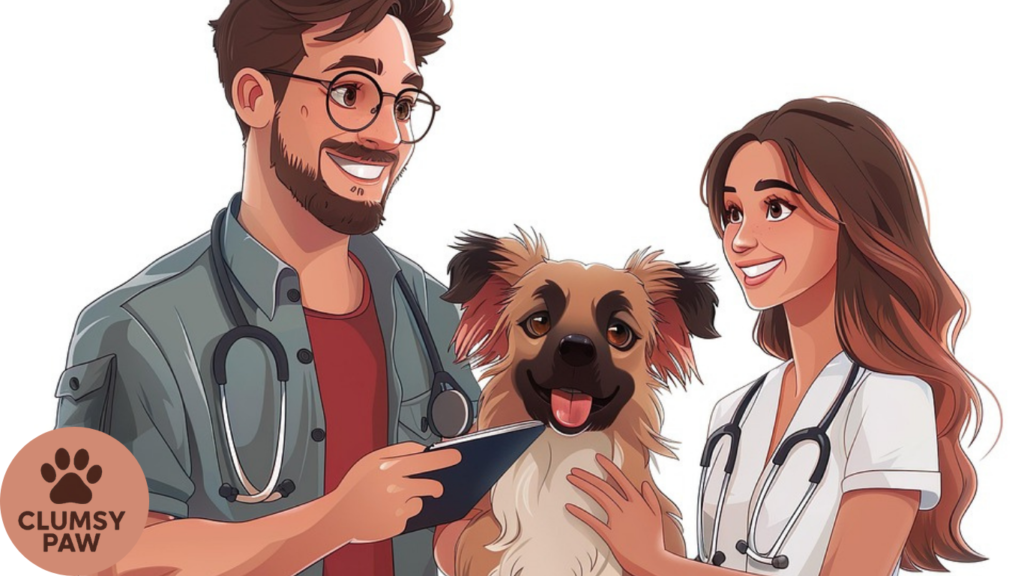
One of the most significant benefits of regular vet visits is early disease detection. Many serious health conditions—such as diabetes, kidney disease, heart disease, arthritis, and cancer—develop gradually and may not show clear symptoms in their early stages.
Routine exams allow veterinarians to identify abnormal signs before they become severe. For example, a slight heart murmur, mild weight loss, or subtle dental issues may indicate a developing condition that requires attention. Addressing these problems early often leads to more effective treatment, improved outcomes, and lower medical costs.
In the United States, veterinary medicine has advanced significantly, offering sophisticated diagnostic tools such as blood tests, urinalysis, imaging, and screenings. When used during regular checkups, these tools can detect issues long before they affect your pet’s quality of life.
Tailored Care for Every Life Stage
Pets have different health needs at different stages of life. Regular veterinary visits ensure that care is customized based on age, breed, size, and lifestyle.
Puppies and Kittens
Young pets require frequent vet visits to monitor growth, administer vaccinations, and detect congenital issues early. These early appointments help set the foundation for a healthy adulthood and provide guidance on nutrition, training, and socialization.
Adult Pets
Once pets reach adulthood, annual checkups are crucial for maintaining health and preventing disease. These visits often focus on weight management, dental care, parasite prevention, and lifestyle-related concerns such as exercise and behavior.
Senior Pets
As pets age, their bodies change just like humans. Senior pets may need more frequent vet visits—often twice a year—to monitor age-related conditions such as arthritis, cognitive decline, vision or hearing loss, and organ function. Early detection during these years can significantly improve comfort and longevity.
Vaccinations and Disease Prevention
Vaccinations remain one of the most effective ways to protect pets from potentially life-threatening diseases. Regular vet checkups ensure that your pet’s vaccinations are up to date and appropriate for their environment and lifestyle.
In the United States, veterinarians follow established guidelines for core and non-core vaccines. Core vaccines protect against widespread, serious diseases, while non-core vaccines are recommended based on factors such as geographic location, travel, and exposure to other animals.
Beyond vaccines, veterinarians also provide guidance on parasite prevention. Fleas, ticks, heartworms, and intestinal parasites are common in many parts of the U.S., and they pose serious health risks. Routine vet visits help ensure your pet remains protected year-round.

Dental Health: A Critical Yet Overlooked Aspect
Dental disease is one of the most common health problems in pets, particularly dogs and cats. Many pet owners underestimate its importance, assuming bad breath is normal. In reality, dental issues can lead to infections, pain, tooth loss, and even damage to vital organs such as the heart and kidneys.
During regular checkups, veterinarians examine your pet’s teeth and gums, looking for signs of plaque buildup, inflammation, or infection. Early intervention can prevent painful dental procedures and improve your pet’s overall health.
Good dental care not only extends your pet’s lifespan but also enhances their comfort, appetite, and behavior.
Nutrition and Weight Management
Obesity is a growing concern among pets in the United States. Overweight pets are at higher risk for diabetes, joint problems, heart disease, and reduced life expectancy.
Regular vet visits allow for accurate weight monitoring and nutritional counseling. Veterinarians can recommend appropriate diets based on your pet’s age, breed, activity level, and health conditions. They can also help you understand portion control, treat choices, and feeding schedules.
Even small adjustments guided by a professional can make a significant difference in your pet’s health and energy levels.

Behavioral and Lifestyle Guidance
Behavioral changes in pets are often linked to underlying health issues or environmental stressors. Regular vet checkups provide an opportunity to discuss concerns such as anxiety, aggression, excessive barking, litter box issues, or changes in activity.
Veterinarians can help determine whether behavior changes are medical or behavioral in nature and offer guidance or referrals when needed. In many cases, addressing the root cause early prevents long-term problems and strengthens the bond between pet and owner.
Lifestyle guidance may also include advice on exercise routines, mental stimulation, enrichment activities, and safety measures appropriate for your pet’s living environment.
Strengthening the Vet–Pet–Owner Relationship
Consistency in veterinary care builds a strong relationship between you, your pet, and your veterinarian. Over time, your vet becomes familiar with your pet’s normal behavior, health patterns, and medical history. This familiarity allows for more accurate diagnoses and personalized care.
For pets, regular visits help reduce fear and anxiety associated with the vet’s office. When visits are routine and not always linked to illness or pain, pets are more likely to feel comfortable and cooperative.
For owners, having a trusted veterinary professional provides peace of mind and confidence in decision-making regarding your pet’s health.
Cost Savings Over Time
Some pet owners avoid regular vet checkups due to concerns about cost. However, preventive care is often far more affordable than emergency treatment or managing advanced disease.
Early detection and routine maintenance reduce the likelihood of expensive procedures, hospitalizations, or long-term medication. Many veterinary clinics in the U.S. also offer wellness plans that spread costs over the year, making preventive care more accessible and budget-friendly.
Investing in regular checkups is not just a health decision—it’s a financially smart one.

Emotional Benefits for Pet Owners
Knowing that your pet is healthy and well-cared-for brings immense emotional comfort. Regular vet visits help alleviate the anxiety of uncertainty and provide reassurance that you are doing everything possible to support your pet’s well-being.
Pets rely entirely on their owners for care and protection. Staying proactive with veterinary checkups reflects love, responsibility, and commitment—values that strengthen the human–animal bond.
How Often Should Pets See the Vet?
While the exact frequency depends on factors such as age, species, and health status, most veterinarians in the United States recommend at least one checkup per year for healthy adult pets. Puppies, kittens, senior pets, and those with chronic conditions may require more frequent visits.
Your veterinarian can help determine the best schedule tailored to your pet’s specific needs.
Making Vet Visits a Positive Experience
Creating a positive association with vet visits starts at home. Using calm reassurance, familiar toys, and rewards can reduce stress for your pet. Choosing a veterinary clinic that prioritizes gentle handling and clear communication also makes a significant difference.
Over time, routine checkups become a normal and manageable part of your pet’s life rather than a stressful event.

Final Thoughts
Regular vet checkups are a cornerstone of responsible pet ownership. They provide preventive care, enable early detection of disease, support proper nutrition and behavior, and ultimately contribute to a longer, healthier, and happier life for your pet.
In the United States, where pets are cherished members of the family, prioritizing routine veterinary care reflects the deep bond we share with them. By staying proactive rather than reactive, pet owners can ensure that their companions thrive through every stage of life.
Your pet gives you unconditional love, loyalty, and companionship. Regular vet checkups are one of the most meaningful ways to give something just as valuable in return: a healthy future.