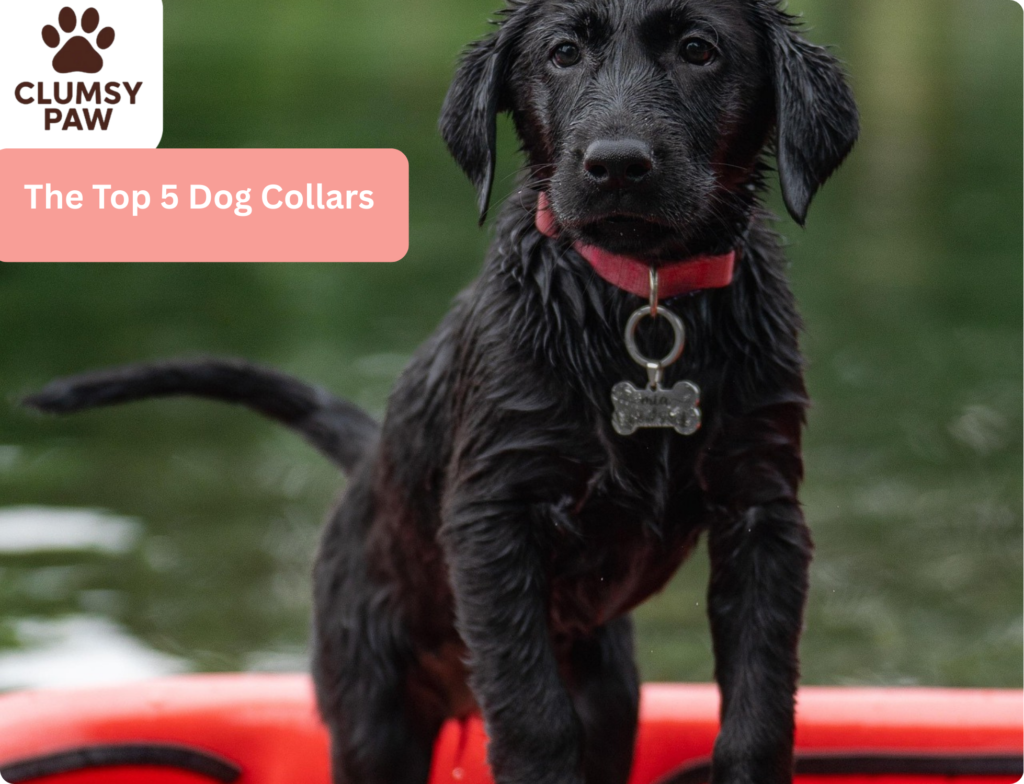

The Top 5 Dog Collars Choosing the right dog collar may seem like a simple task, but for pet owners across the United States, it is an important decision that directly affects a dog’s safety, comfort, and daily lifestyle. A collar is more than just an accessory—it holds identification, supports leash training, and often reflects a dog’s personality. With so many options available on the market, from basic nylon collars to advanced smart designs, it can be difficult to know which one is truly best for your dog.
Every dog is unique. A collar that works perfectly for a small indoor dog may be completely unsuitable for a large, active breed. Factors such as size, breed, coat type, activity level, and behavior all play a role in determining the ideal collar. The goal is to find a collar that balances comfort, durability, functionality, and style.
This guide explores the top five dog collar types that work well for dogs of all sizes and breeds. Instead of focusing on brand names, we’ll look at collar categories that consistently perform well for U.S. dog owners. By understanding how each type works and which dogs benefit most from them, you’ll be better equipped to make a confident, informed choice for your furry companion.
Why Choosing the Right Dog Collar Matters
A dog collar is something your dog may wear every day, often for hours at a time. An ill-fitting or poorly designed collar can cause discomfort, skin irritation, hair loss, or even injury. On the other hand, a well-chosen collar supports training, improves safety, and helps ensure your dog can be identified if they ever get lost.
In the United States, many states and municipalities require dogs to wear identification tags when in public spaces. A reliable collar ensures that ID tags stay secure and visible. For active dogs, a sturdy collar provides better leash control, while for small or sensitive dogs, a lightweight and soft collar helps prevent strain on the neck.
Choosing the right collar is not just about looks—it’s about your dog’s well-being. Read About How to Choose the Breed for Your Family
Understanding Key Factors Before Buying a Collar
Before exploring the top collar types, it’s important to consider a few basic factors that influence which collar will work best for your dog.
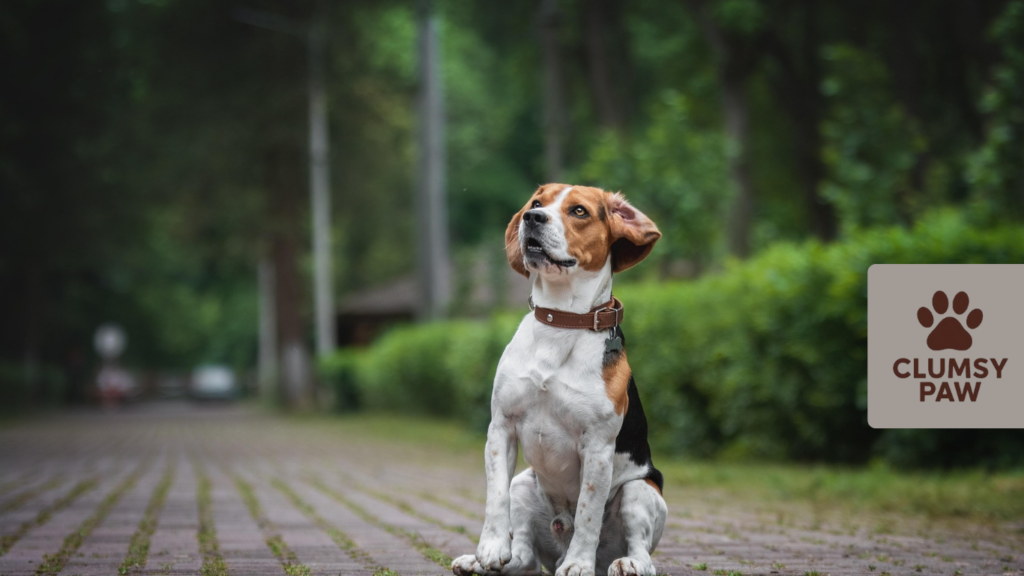
Size and fit are critical. A collar should be snug enough that it won’t slip off, but loose enough to fit two fingers comfortably between the collar and your dog’s neck. Breed characteristics also matter. Dogs with thick fur, narrow heads, or sensitive skin often need specialized designs.
Activity level plays a major role as well. Dogs that enjoy hiking, swimming, or running need collars that can withstand wear and tear, while calmer dogs may do fine with lighter materials. Lastly, training needs should not be overlooked. Some collars are better suited for basic walking, while others support more advanced training goals.
Keeping these factors in mind will help you match your dog with the most suitable collar type.
Flat Buckle Collars: The Everyday Essential
Flat buckle collars are the most common and widely used dog collars in the United States. They are simple, versatile, and suitable for most dogs regardless of size or breed. These collars typically come with a buckle or snap closure and are made from materials such as nylon, polyester, or leather.
What makes flat buckle collars so popular is their practicality. They are easy to put on and take off, adjustable, and comfortable for daily wear. For dogs that are well-trained on a leash and do not pull excessively, a flat collar is often all that’s needed.
These collars are ideal for holding identification tags and licenses, making them a great everyday option. They come in a wide range of colors, patterns, and widths, allowing pet owners to choose something that reflects their dog’s personality.
Flat buckle collars work well for small breeds, medium-sized dogs, and even large breeds when properly fitted. However, for strong pullers or dogs with respiratory issues, additional support may be needed during walks.
Martingale Collars: Secure and Gentle Control
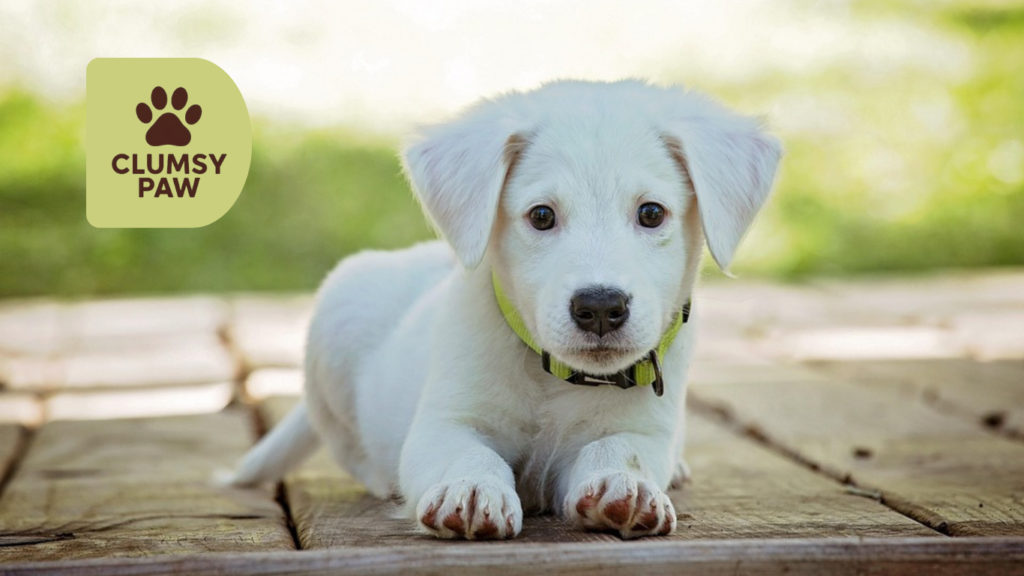
Martingale collars are a favorite among trainers and dog owners who want more control without using harsh methods. Originally designed for dogs with narrow heads, such as Greyhounds and Whippets, martingale collars have become popular for many breeds.
This type of collar tightens slightly when the dog pulls, preventing it from slipping over the head, but it does not choke or constrict excessively. When the leash is relaxed, the collar loosens again, making it comfortable for everyday use.
Martingale collars are especially useful for dogs that tend to back out of traditional collars or for rescue dogs that are still learning leash manners. They provide added security during walks and training sessions.
For U.S. dog owners who prioritize safety and gentle control, martingale collars offer an excellent balance. They are suitable for small, medium, and large dogs, as long as they are correctly sized and adjusted.
Harness-Compatible Collars: Lightweight and Comfortable
Some dogs spend most of their walking time in a harness rather than relying on a collar for leash attachment. In these cases, a lightweight, harness-compatible collar is often the best choice.
These collars are designed primarily to hold identification tags rather than to manage leash pressure. They are typically thinner, softer, and less bulky, making them ideal for dogs with sensitive necks or medical conditions.
For breeds prone to tracheal issues, such as small dogs and brachycephalic breeds, reducing pressure on the neck is especially important. Using a harness for walks and a lightweight collar for ID ensures comfort and safety.
In the United States, where dog parks and public outings are common, having visible identification at all times is crucial. Harness-compatible collars ensure that your dog remains identifiable without causing unnecessary strain.
Leather Collars: Durable and Timeless
Leather dog collars are known for their durability, classic appearance, and comfort over time. While they may cost more upfront than synthetic options, high-quality leather collars often last longer and become softer with use.
Leather is a strong material, making these collars a great option for medium to large breeds, especially dogs that are active or strong. With proper care, leather collars resist stretching and maintain their shape better than many fabric alternatives.
Another benefit of leather collars is their natural feel. Many dogs find them comfortable, and they are less likely to cause friction-related irritation once broken in. For dogs with short coats, leather collars can be particularly gentle on the skin.
For U.S. dog owners looking for a long-term investment that combines style and strength, leather collars remain a popular and reliable choice.
Smart and GPS Dog Collars: Technology Meets Safety
As technology continues to shape pet care in the United States, smart and GPS-enabled dog collars have become increasingly popular. These collars go beyond basic functionality, offering features such as location tracking, activity monitoring, and escape alerts.
Smart collars are especially useful for dogs that spend time outdoors, travel frequently, or have a tendency to wander. Knowing your dog’s location in real time provides peace of mind, particularly in suburban or rural areas.
Some smart collars also track daily activity levels, helping owners monitor exercise and overall wellness. For busy families, this data can be valuable in maintaining a healthy routine for their dog.
While smart collars are not necessary for every dog, they offer an added layer of security and insight for owners who want advanced monitoring. They are available in sizes suitable for both small and large breeds, though weight and comfort should always be considered.
Matching the Collar to Your Dog’s Breed and Size
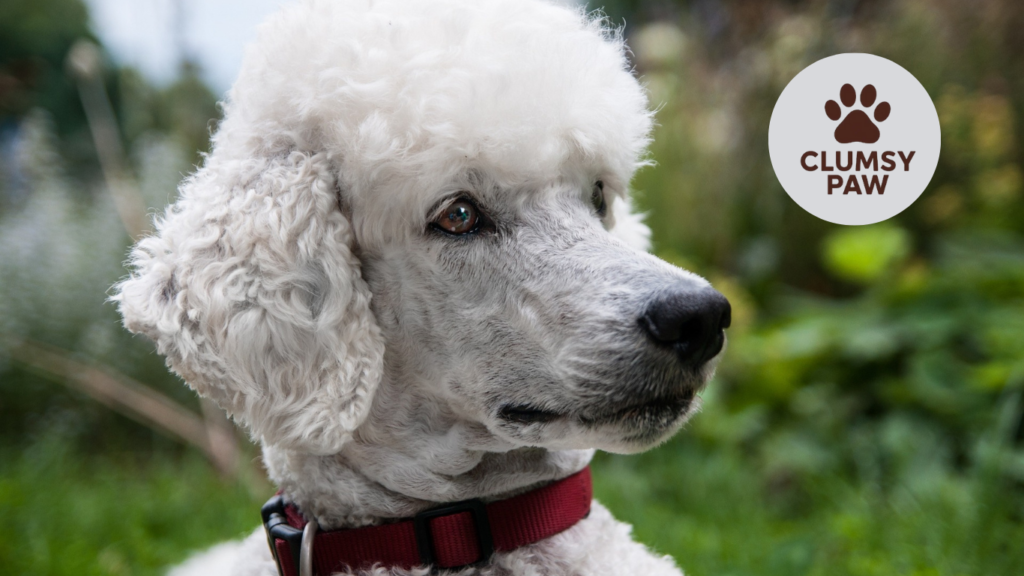
Different breeds have different needs when it comes to collars. Small breeds benefit from lightweight designs that won’t strain the neck. Medium-sized dogs often do well with standard flat or martingale collars, depending on behavior. Large and powerful breeds need sturdy materials and secure closures to ensure safety during walks.
Coat type also matters. Dogs with thick fur may need wider collars to prevent matting, while short-haired breeds benefit from softer materials to avoid rubbing. Taking the time to match the collar to your dog’s physical characteristics ensures comfort and effectiveness.
Proper Fit and Adjustment Are Essential
No matter how high-quality a collar is, improper fit can cause problems. A collar that is too tight can restrict breathing or cause skin irritation, while one that is too loose can slip off.
Regularly checking the fit is important, especially for puppies and growing dogs. Weight changes, coat growth, and aging can all affect how a collar fits over time.
Adjustable collars offer flexibility, allowing you to maintain a proper fit as your dog changes. Making fit checks part of your routine helps prevent accidents and discomfort.
Comfort, Safety, and Style Can Coexist
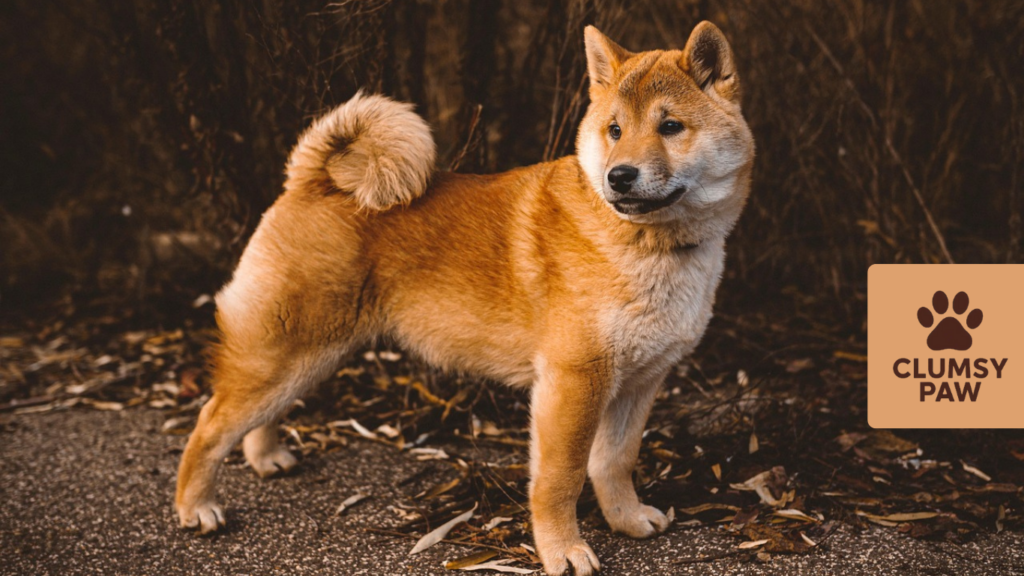
Many pet owners believe they must choose between functionality and appearance, but modern dog collars offer both. From minimalist designs to bold patterns, today’s collars allow dogs to look great while staying safe and comfortable.
In the United States, where dogs are often considered part of the family, personal style plays a role in pet accessories. The key is ensuring that style never compromises safety or comfort. Read About Pet.
Final Thoughts
The right dog collar is an essential part of responsible pet ownership. Whether you choose a classic flat buckle collar, a secure martingale design, a lightweight ID collar, a durable leather option, or a high-tech smart collar, the best choice is one that fits your dog’s size, breed, and lifestyle.
By focusing on comfort, proper fit, and functionality, you ensure that your dog remains safe, identifiable, and happy every day. A well-chosen collar supports training, strengthens your bond, and makes everyday adventures more enjoyable.
Your dog depends on you to make choices that support their well-being. Choosing the right collar is a small decision that makes a big difference in their daily life.