
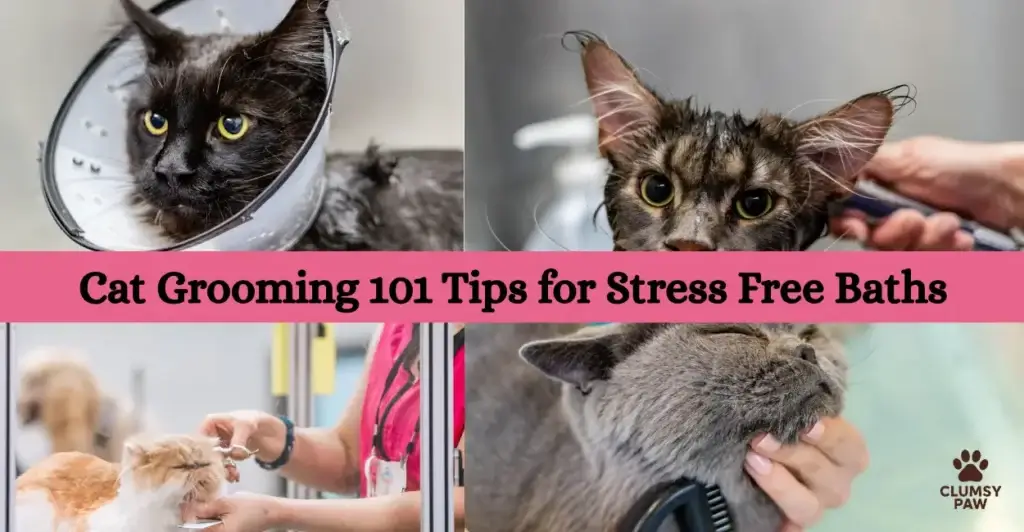

At clumsy paw you will get cat grooming 101 tips as grooming your cat is essential for their overall health and wellbeing. While cats are known for their self-cleaning habits, there are times when a bath becomes necessary. However, many cat owners dread bath time, fearing scratches, stress, and frustration—for both themselves and their feline friends. The good news is that with proper preparation, the right techniques, and gentle handling, you can turn cat grooming into a calm and even enjoyable experience.
Bathing a cat doesn’t need to be a chaotic event. By understanding your cat’s behavior, choosing suitable grooming tools, and using safe products, you can reduce anxiety and make grooming a routine part of your pet care regimen. In this guide, we’ll provide tips and strategies for stress-free cat baths, along with advice on maintaining your cat’s coat between washes.
Why Cat Grooming 101 Tips Matter
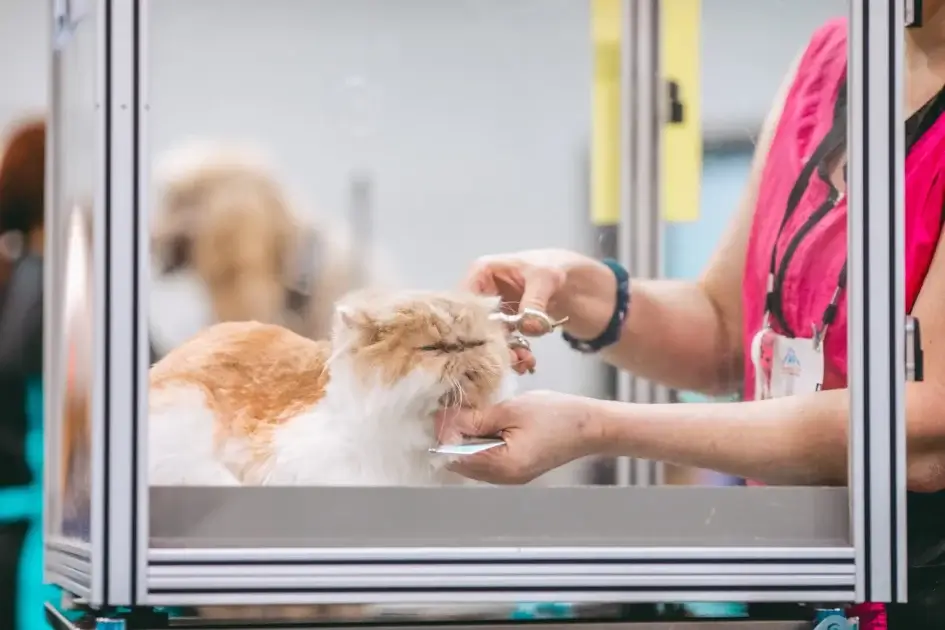
Regular grooming is not just about keeping your cat looking clean and shiny. It plays a crucial role in preventing health issues. Brushing and occasional bathing help reduce hairballs, prevent matting, and remove dirt and allergens from your cat’s coat. Cats with long or dense fur, such as Maine Coons or Persians, are particularly prone to tangles and knots, which can be uncomfortable and even painful.
Cat grooming 101 tips for stress free baths also gives you a chance to check for skin problems, parasites, and unusual lumps or bumps. Early detection of fleas, ticks, or skin irritations can prevent more serious health problems. Additionally, regular contact during grooming strengthens the bond between you and your cat, making them feel safe and cared for.
When to Bathe Your Cat
Not all cats need frequent baths. Many cats can stay clean with their self-grooming habits. However, certain situations warrant a bath. For example, if your cat gets into something sticky, dirty, or potentially toxic, a bath is necessary. Cats with certain skin conditions may also require medicated shampoos prescribed by a veterinarian.
Older cats, kittens, or cats with mobility issues may struggle to groom themselves effectively, making occasional baths a helpful supplement to brushing. Outdoor cats are more likely to need baths than indoor cats due to exposure to dirt and debris.
also visit pet centric subscription boxes.
Preparing for a Stress-Free Bath
Preparation is key to making cat bathing less stressful. Before starting, gather all your supplies, including a cat-friendly shampoo, a soft towel, a non-slip mat, and a cup or sprayer for rinsing. Ensure that the bathing area is warm, quiet, and free from distractions.
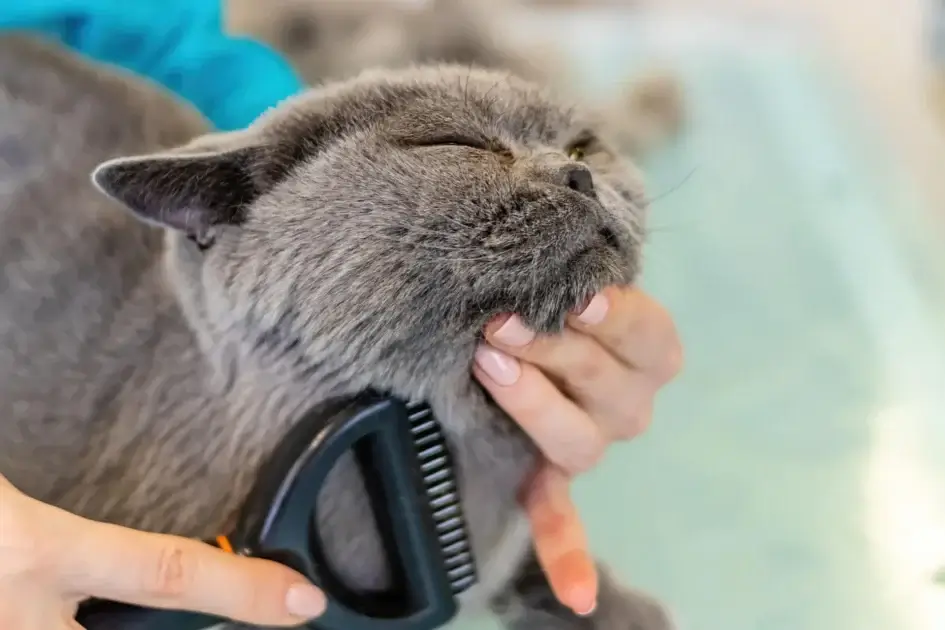
It’s important to brush your cat thoroughly before a bath. Removing loose hair and tangles reduces the chance of matting and makes washing easier. Long-haired cats may benefit from detangling sprays or conditioners designed for feline coats.
Additionally, trimming your cat’s nails beforehand can prevent scratches during bathing. Wearing long sleeves and using a calm, reassuring tone helps your cat feel more secure.
Choosing the Right Shampoo
Cats have sensitive skin, and using the wrong shampoo can cause irritation or dryness. Always select a shampoo formulated specifically for cats. Avoid human shampoos, as they may have harsh chemicals or fragrances that can harm your cat’s skin.
For cats with skin issues, hypoallergenic or medicated shampoos are available, but it’s important to consult your veterinarian first. Products with natural ingredients like oatmeal, aloe vera, or chamomile can soothe the skin and provide a gentle cleaning experience.
Getting Your Cat Comfortable with Water
Many cats dislike water, but you can ease their fear with gradual exposure. Start by letting your cat explore the bathroom or grooming area without any water. Allow them to sniff the tub, sink, or basin and reward them with treats and praise.
Next, introduce a small amount of warm water, perhaps on your hand or a damp cloth. Let your cat feel the water without forcing them into it. Gradually increase the exposure over several sessions. This slow introduction about cat grooming 101 tips helps your cat associate water with positive experiences.
Step-by-Step Bathing Guide
Once your cat is comfortable, follow these steps for a calm and stress-free bath:
- Fill the tub with warm water: The water should be shallow, around 2-3 inches deep, and comfortably warm—not hot. Cold or overly hot water can shock your cat and increase anxiety.
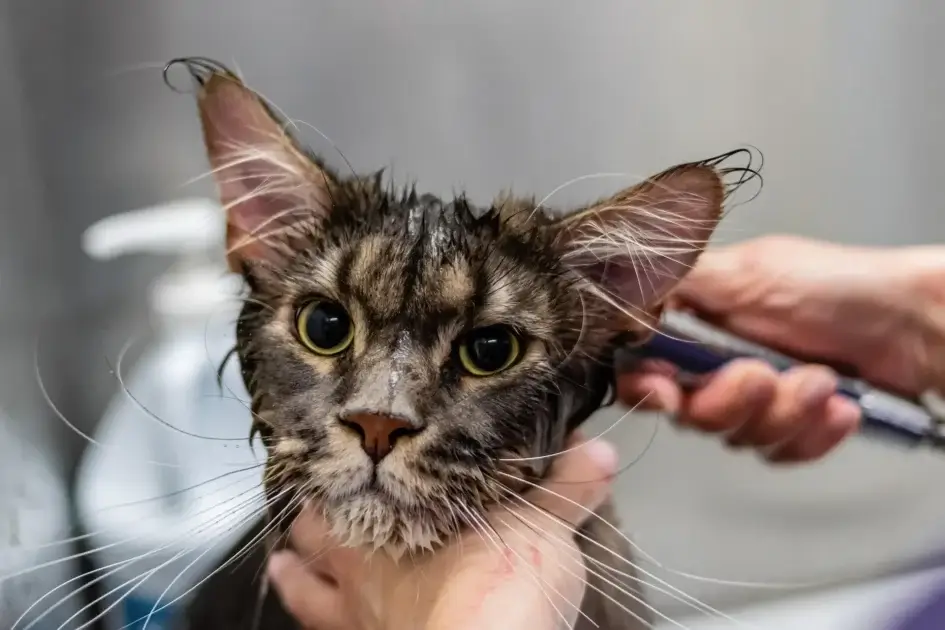
- Gently wet your cat’s fur: Use a cup or sprayer to wet your cat’s coat gradually, starting from the neck and working downward. Avoid the head initially, as cats are sensitive around the face and ears.
- Apply cat shampoo: Massage the shampoo gently into the coat, making sure to reach the undercoat and skin. Focus on dirty areas, but avoid scrubbing too harshly, which can irritate the skin.
- Rinse thoroughly: Residual shampoo can cause itching or dryness, so ensure all product is rinsed out completely. Use a gentle stream of water and support your cat’s body to make them feel secure.
- Clean the face with a damp cloth: Rather than pouring water over your cat’s face, use a soft, damp cloth to wipe around the eyes, nose, and ears. This method is safer and more comfortable for your cat.
- Dry carefully: Wrap your cat in a soft towel and gently pat them dry. Avoid vigorous rubbing, which can create tangles and stress. Some cats tolerate low-heat hair dryers, but only if introduced gradually and used with caution.
Handling Anxious Cats
Even with preparation, some cats remain anxious during baths. Stay calm, speak softly, and move slowly. Avoid sudden movements or loud noises. If your cat becomes overly stressed, it’s better to stop and try again later than risk injury.
Treats and positive reinforcement are powerful tools. Reward your cat after each successful step, even if it’s just allowing a paw in the water. Over time, these positive associations can reduce fear and make future baths easier.
Alternative Grooming Methods
For cats that strongly dislike water, alternative grooming methods can help maintain cleanliness:
- Waterless shampoos: These are foams or sprays designed to clean your cat’s coat without water. They can remove dirt and odors effectively and are ideal for short-haired cats or quick touch-ups.
- Regular brushing: Brushing daily removes loose fur, reduces hairballs, and helps distribute natural oils for a healthy shine.
- Pet wipes: Cat-safe grooming wipes are convenient for cleaning paws, faces, and minor messes between baths.
Grooming Tools and Accessories
Using the right tools makes a significant difference in cat grooming. Soft-bristled brushes, combs for long hair, and grooming gloves can remove loose fur and reduce stress. Non-slip mats in the tub or sink prevent slipping and give your cat confidence.
Additionally, keeping towels, shampoo, and other supplies within reach ensures you can focus on your cat without unnecessary interruptions. Setting up a dedicated grooming station can make the process more organized and less stressful for both of you.
Maintaining Coat Health Between Baths
Bathing is just one part of a cat grooming routine. Regular brushing, nail trimming, and ear cleaning keep your cat healthy and comfortable. Monitor your cat’s skin for signs of dryness, irritation, or parasites, and adjust grooming routines accordingly.
Diet also affects coat quality. High-quality cat food rich in omega fatty acids supports a shiny, healthy coat, reducing the need for frequent baths.
Benefits of Stress-Free Grooming
Stress-free grooming provides physical and emotional benefits. Cats are more likely to cooperate, making the process safer for both pet and owner. Reduced anxiety during grooming also promotes a positive relationship between you and your cat, reinforcing trust and security.
Long-term, regular grooming prevents matting, hairballs, and skin infections, while keeping your home cleaner by reducing shedding. It’s an investment in your cat’s overall health and wellbeing.
Cat Grooming 101 Tips
Consistency is key to stress-free grooming. Establish a routine that your cat can anticipate. Short, frequent sessions are often better than long, infrequent baths. Use praise, gentle handling, and treats to reinforce positive behavior.
Patience and observation are essential. Pay attention to your cat’s body language—flattened ears, tail flicking, and vocalizations indicate stress. Adjust your approach to suit your cat’s temperament and comfort level.
FAQs About Cat grooming 101 tips
1. How often should I bathe my cat?
Most cats need baths only occasionally, unless they get dirty or have a medical condition. Brushing often reduces the need for frequent bathing.
2. Can I use human shampoo on my cat?
No. Human shampoos are too harsh for cats and can irritate their sensitive skin. Always use cat-specific shampoos.
3. What if my cat scratches during a bath?
Trim your cat’s nails before bathing, use calm handling, and consider wearing long sleeves. If scratches occur, clean the wound promptly.
4. How do I dry my cat after a bath?
Pat your cat dry with a towel. Some cats tolerate low-heat hair dryers, but only if introduced slowly and used carefully.
5. Are waterless shampoos safe?
Yes, waterless shampoos designed for cats are generally safe and convenient for short-haired cats or quick cleanups.