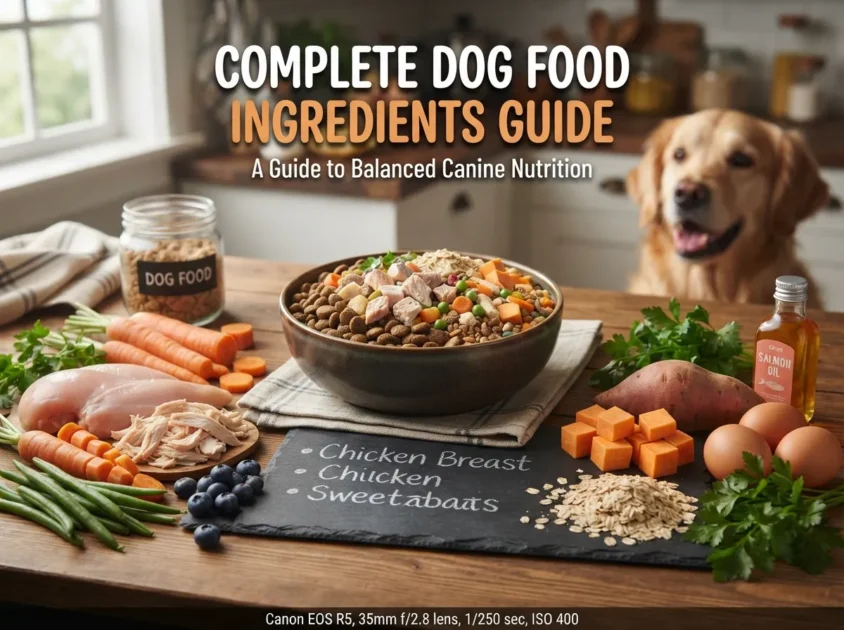

Walking down the pet food aisle can feel like trying to solve a puzzle. There are so many bags, cans, and bright labels. You want the best for your dog, but those Complete Dog Food Ingredients Guide lists often look like they were written in a secret code. You are not alone if you feel confused.
I have spent a lot of time reading labels so you do not have to. We all want our furry friends to live long, happy lives. What we put in their bowls every day makes a huge difference. Let’s break down what should be in your dog’s food and what you might want to skip.
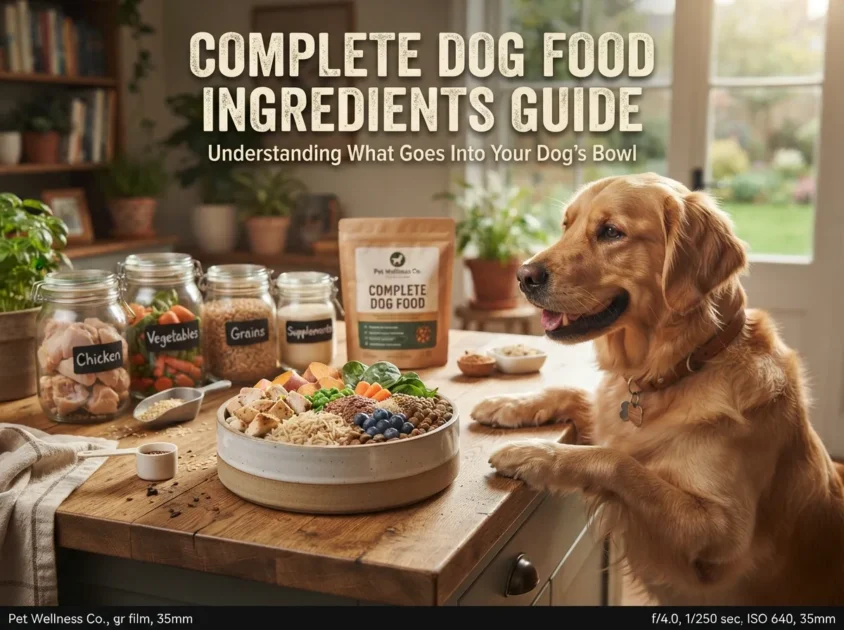
Complete Dog Food Ingredients Guide
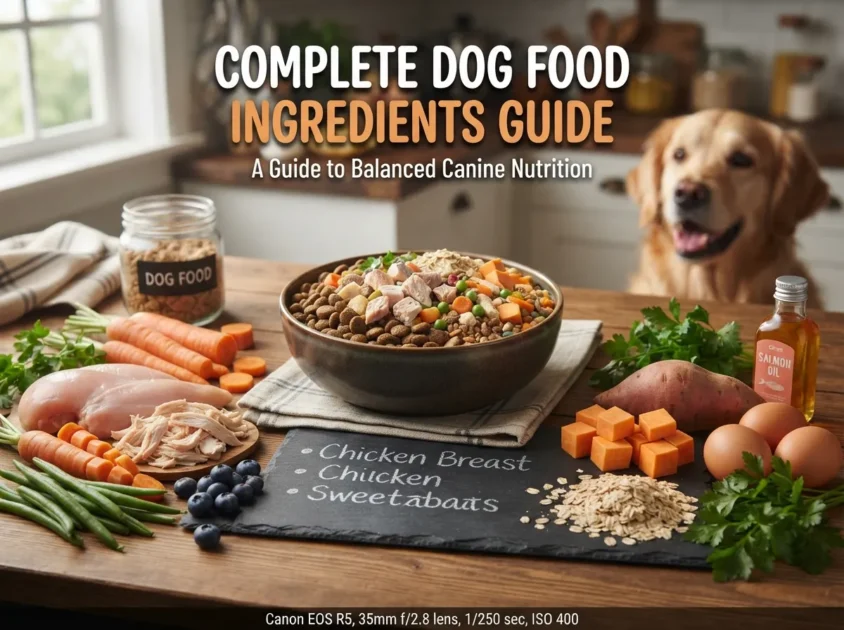
The Main Building Blocks
Every dog needs a few key things to stay healthy. Think of these as the foundation of their diet. If you are ever looking for more tips on caring for your best friend, check out Clumsy Paw | For Pet Lovers and Pet Enthusiasts for more ideas.
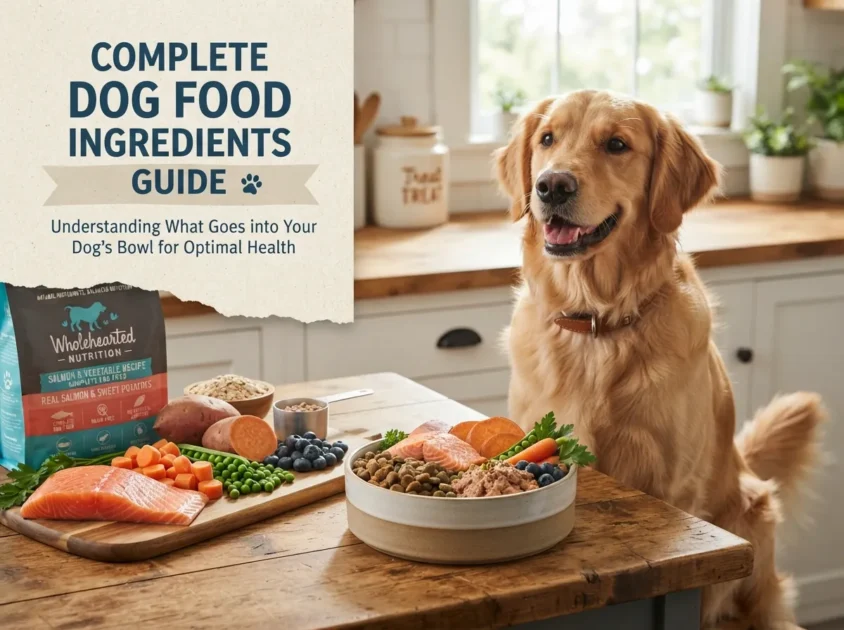
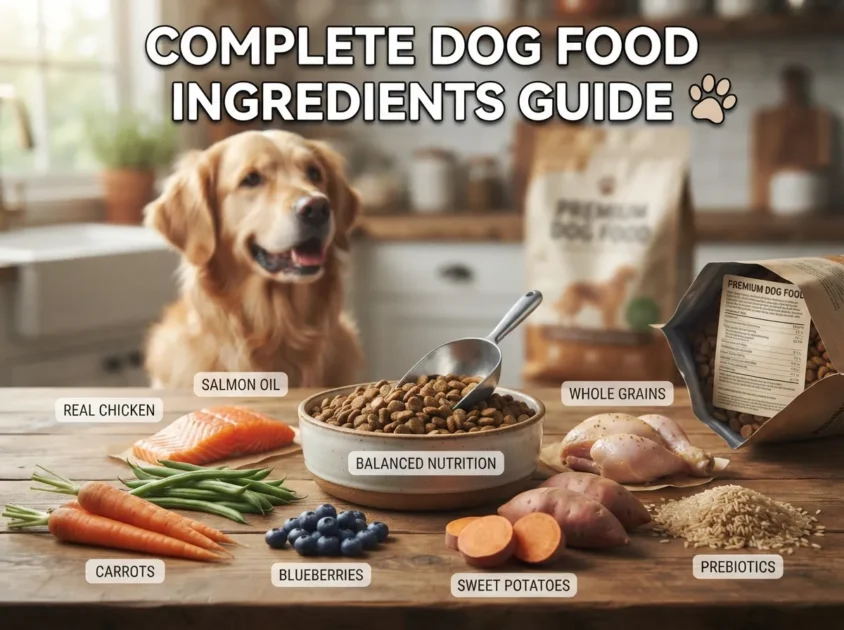
First, we have protein. This is the most important part of a dog’s meal. Dogs are mostly carnivores, so they need meat to keep their muscles strong. Look for names like chicken, beef, lamb, or fish at the very top of the list.
Next, we need healthy fats. Fats give your dog energy and keep their skin and coat looking shiny. You might see ingredients like chicken fat or flaxseed oil. These are great sources of omega fatty acids.
Lastly, carbohydrates play a role. While dogs do not need as many carbs as humans, they provide quick energy. Things like sweet potatoes, brown rice, or peas are much better than fillers like corn or wheat, which can sometimes upset a dog’s stomach.
Reading the Ingredient List Like a Pro
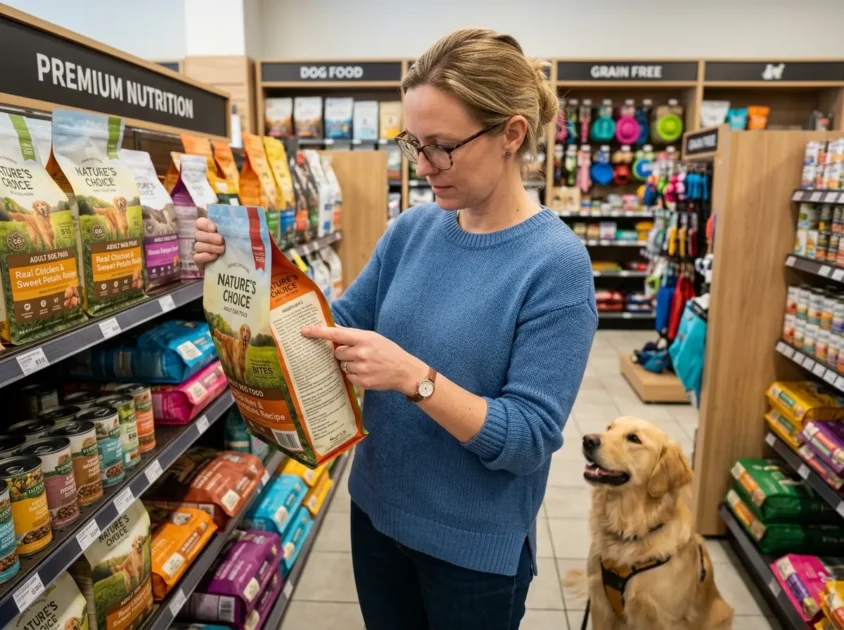
The rules for pet food labels are strict. Ingredients must be listed by weight. This means the first item is the most common ingredient in the bag. If the first three items are meat or meat meal, you are usually on the right track.
Watch out for the word “meal.” It sounds bad, but it is actually a concentrated form of protein. For example, chicken meal has more protein per pound than fresh chicken because the water has been removed. Just make sure the label says exactly what animal it comes from, like “beef meal” instead of just “meat meal.”
Avoid generic terms if you can. A bag that says “meat by-products” is a big mystery. You have no way of knowing exactly what parts of the animal are inside. It is always safer to choose brands that are clear and honest about what they use.
Ingredients to Avoid
Not everything on a label is good for your dog. Some things are just cheap ways to add bulk to the food. You want to avoid artificial colors and flavors. Dogs do not care what color their food is, so dyes are only there to please human eyes.
Chemical preservatives are another thing to keep off the list. Names like BHA, BHT, or ethoxyquin are often linked to health problems. Look for food preserved naturally with things like vitamin E or vitamin C instead.
If your dog has a sensitive stomach, you might also want to stay away from corn, soy, and wheat. Many dogs have trouble digesting these. If you find your pet is itching a lot or has stomach issues, talk to your vet about switching to a limited ingredient diet.
Balancing Your Dog’s Lifestyle
Just like humans, every dog is different. A puppy needs different nutrients than a senior dog. An active dog who loves to run needs more calories than a dog who spends all day napping on the couch.
If you have an active dog, you might enjoy taking them to the office with you. If you need help with that, read How to Take Your Pet to Work Tips for Success to make it a great day for both of you. Keeping your dog happy is about more than just food, but the fuel you give them is the starting point.
Always talk to your vet before making a big change. They know your dog’s health history better than anyone. They can tell you if your dog needs a special diet for their weight or their joints.

Quality Matters More Than Price
It is tempting to grab the cheapest bag on the shelf. I get it, times are tough. But often, cheaper food is packed with fillers that have very little nutritional value. You end up feeding your dog more, and they still do not get what they need.
Better quality food means your dog absorbs more nutrients. This usually results in smaller, firmer waste, which is a nice bonus for you during those late-night walks. Look for companies that have a good reputation and do their own testing.
Check the website of the food brand you like. A good company will tell you where they source their ingredients. If they are proud of their food, they will be happy to share that information with you.
Common Questions About Dog Food
What is the best way to switch my dog’s food?
Do it slowly. Mix a little bit of the new food with the old food over about seven to ten days. This prevents your dog from getting an upset stomach while their body adjusts to the new recipe.
Is grain-free food better?
Not necessarily. Unless your vet tells you your dog has a grain allergy, grains like brown rice and oats are actually a healthy source of fiber and energy. Grain-free is not automatically the healthiest choice.
How can I tell if my dog’s food is high quality?
Look for a specific animal protein as the first ingredient. Check for whole foods like vegetables and fruits. Avoid vague labels like “animal digest” or “meat meal” without specifying the source animal.
Should I feed my dog wet or dry food?
Both are fine. Many people choose to mix them. Wet food helps with hydration, while dry food is convenient and can help keep teeth clean. Choose what works best for your schedule and your dog’s preference.
Final Words
Remember that you are the best advocate for your dog. Pay attention to how they act after eating. If they have a shiny coat, clear eyes, and plenty of energy, you are probably doing a great job.