
Training your dog is one of the best things you can do for your relationship. When your pup knows what you want, life gets easier for both of you. You do not need a shed full of expensive gadgets to get results. You just need the right Top Dog Training Equipment for Obedience Work to make the process clear and fun.
At Clumsy Paw | For Pet Lovers and Pet Enthusiasts, we believe that simple is usually better. Obedience work relies on good communication rather than force. If you are looking for new ways to keep things interesting, check out these 5 Genius Dog Training Ideas Every Owner Should Try. But first, let us look at the gear that actually makes a difference in 2026.
Top Dog Training Equipment for Obedience Work
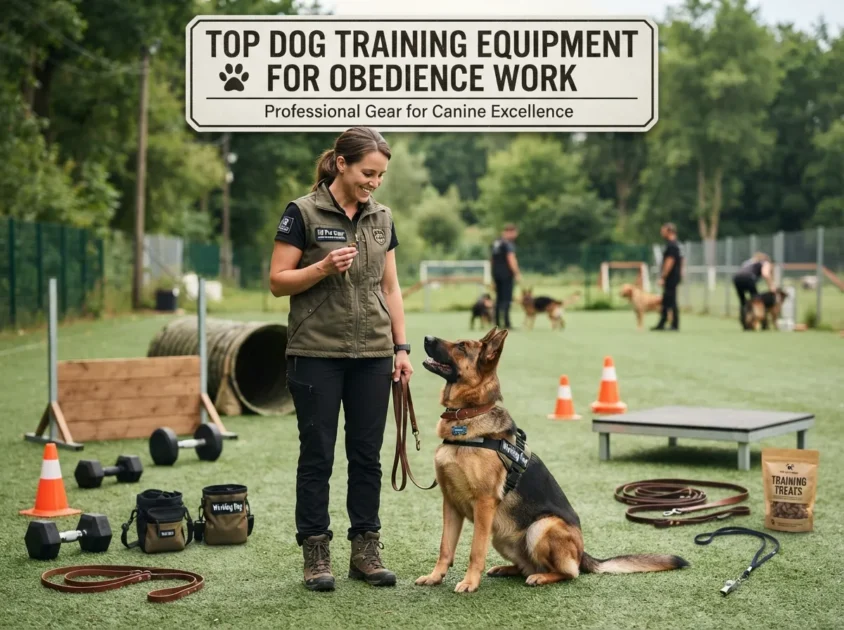
Before you start a training session, you need to be prepared. Think of these items as your basic toolkit. You want gear that is comfortable for your dog and easy for you to handle. If your dog is struggling, it might just be the equipment causing the friction.
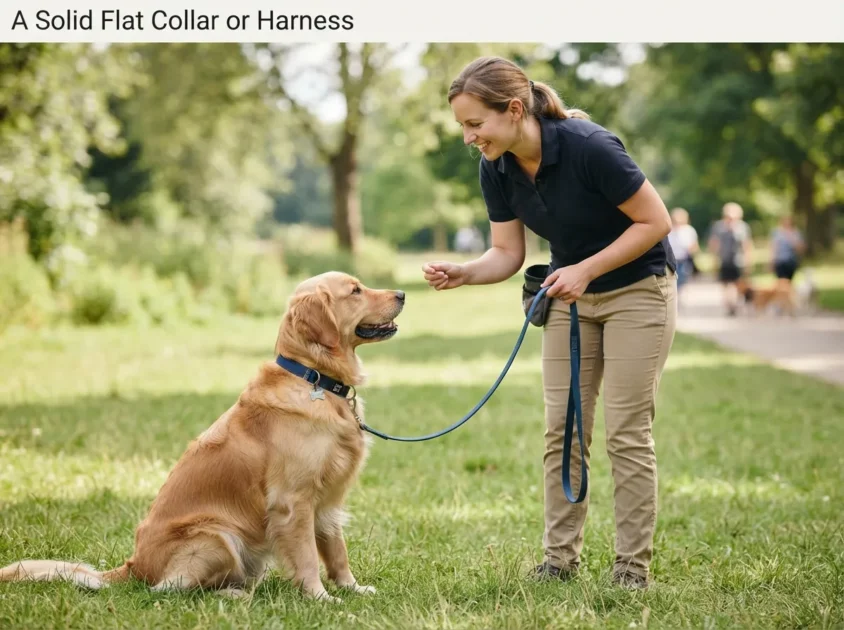
A Solid Flat Collar or Harness
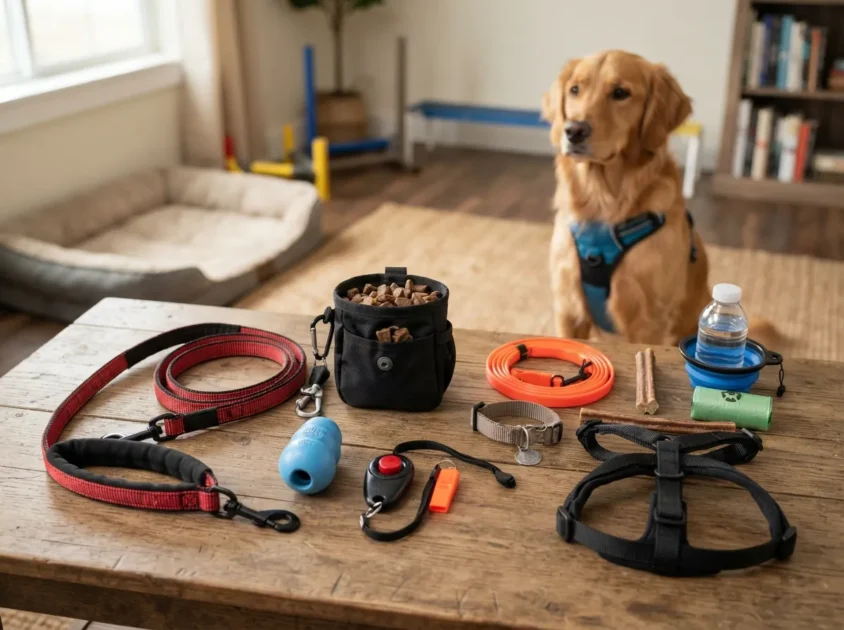
Most trainers agree that a simple flat collar is perfect for holding your dog’s identification tags. For training walks, a front-clip harness is often a great choice. It helps you steer your dog gently without putting pressure on their neck. Look for materials that do not chafe or rub, especially if you have a short-haired breed.
The Right Kind of Leash
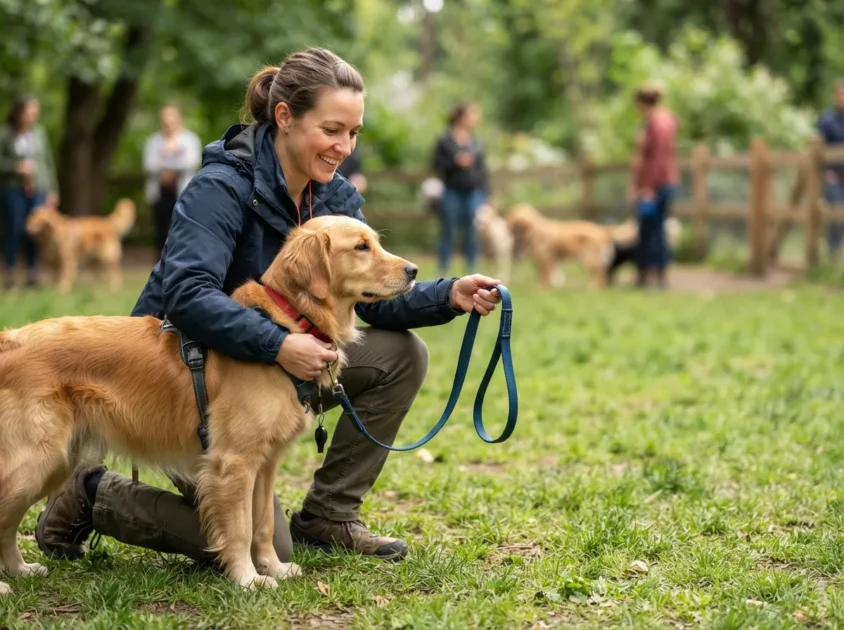
Skip the retractable leashes when you are doing obedience work. Those leashes stay tense and teach your dog to pull. Instead, go for a standard fixed-length leash made of nylon or leather. A four-foot or six-foot leash gives you enough control while allowing your dog to learn where they should be in relation to your leg.
High-Value Training Treats
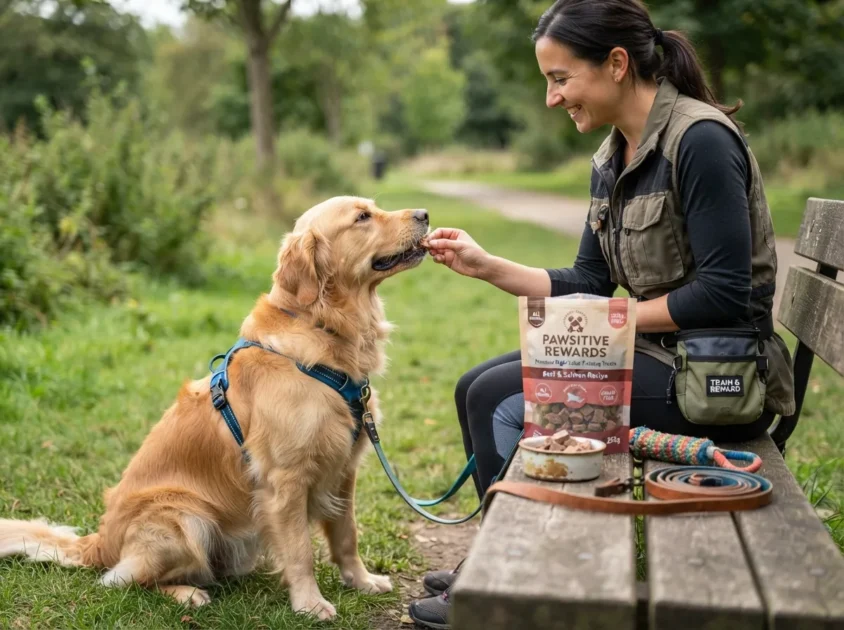
Your dog will do almost anything for a reward they love. Dry biscuits are fine for basic tasks, but obedience work often requires something better. Think of small pieces of cooked chicken, cheese, or specialized soft training treats. These are small enough that your dog can eat them quickly and get back to the work at hand.
A Reliable Treat Pouch
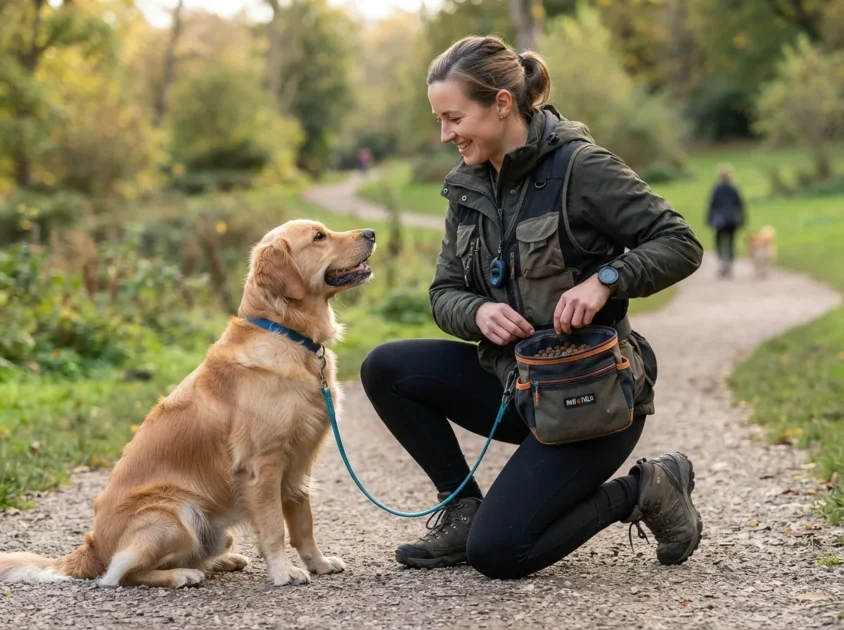
You need to be fast with your rewards. If you are digging in your pockets, you might miss the exact moment your dog does the right thing. A treat pouch that clips onto your waist keeps your hands free. It makes rewarding your pup quick and easy, which is key to clear training.
Advanced Tools for Better Focus
Once you and your dog have the basics down, you might want to try tools that help with distance work. These items are great for teaching your dog to listen to you even when they are not right by your side. These are popular with pet owners in 2026 who want to take their training to the next level.
Clickers for Precision
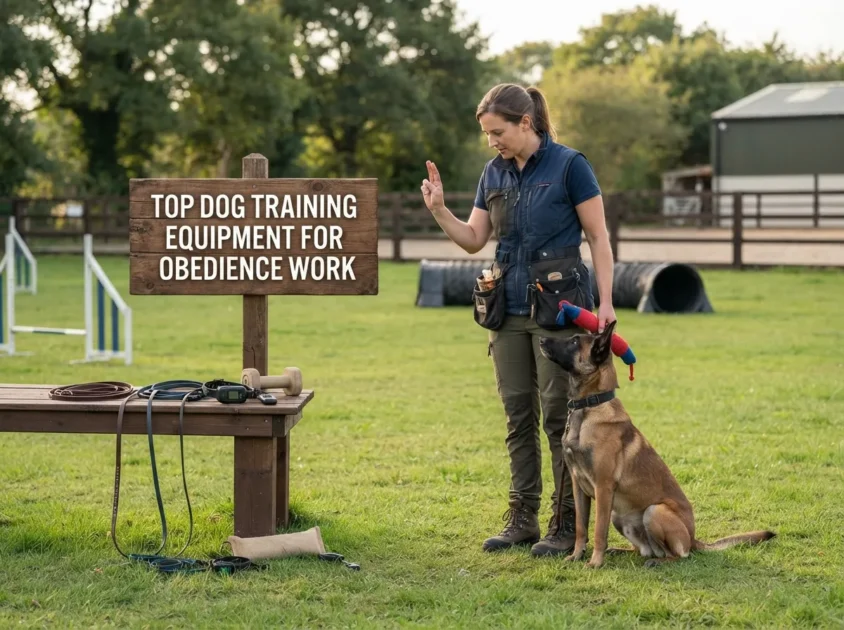
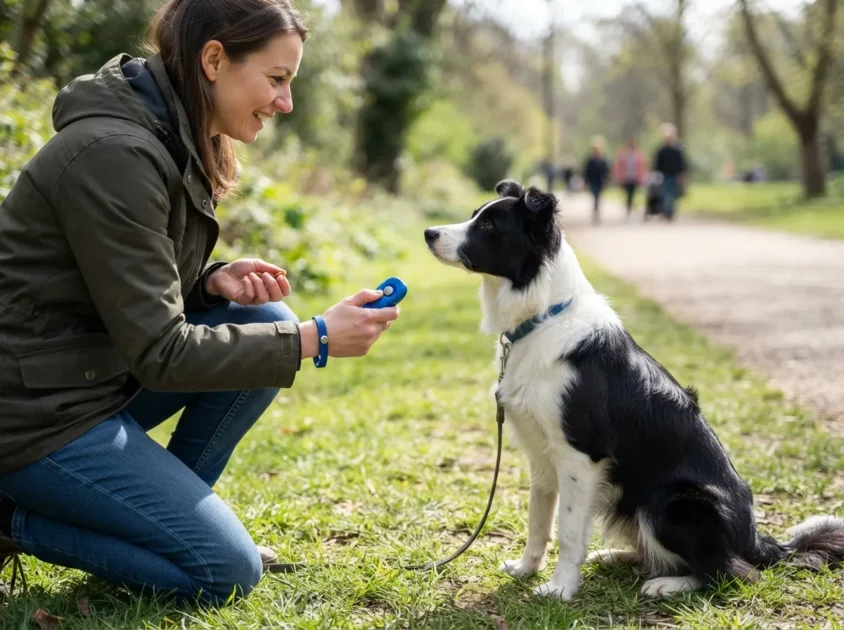
A clicker is a small device that makes a distinct sound. You use it to mark the exact moment your dog performs the right behavior. It acts like a bridge between the action and the treat. Dogs learn very quickly that the click means a reward is coming. It is a very clear way to communicate.
Long Lines for Recall
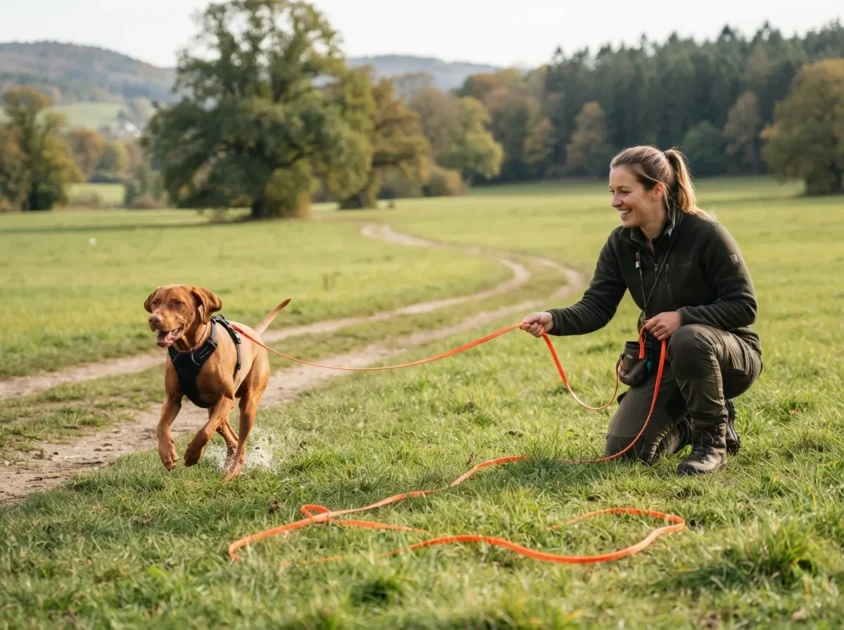
Recall, or coming when called, is the most important skill your dog can learn. A long line is essentially a very long leash, often 15 to 30 feet. It gives your dog a sense of freedom in a park or open space while keeping them safe. You can practice your stay and recall commands without the risk of your dog running off.
Target Sticks
Target sticks are simple tools that help you teach your dog to touch a specific spot with their nose or paw. You can use this to guide them into position for tricks or obedience tasks like heeling. It is a very visual way to show your dog what you want them to do.
How to Choose the Best Gear for Your Dog
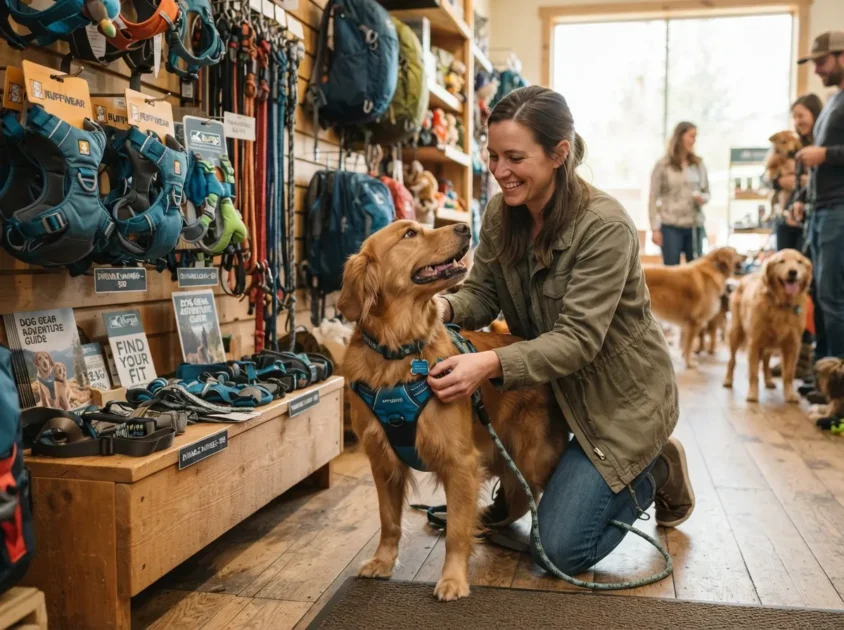
Not every dog is the same. A giant breed needs much sturdier equipment than a tiny terrier. Always check the weight ratings on collars and leashes. You want to make sure the clips are strong and will not snap under pressure.
Also, consider your dog’s age. A puppy needs light equipment that does not feel heavy or overwhelming. A senior dog might need a harness that is easy to put on without bending their joints too much. Always watch how your dog reacts to new gear. If they seem itchy, uncomfortable, or scared, stop using it and try something else.
Keeping Your Training Sessions Fun
Obedience work should never feel like a chore for your dog. If you are both getting frustrated, take a break. Keep your sessions short, maybe just five or ten minutes at a time. Always end on a positive note, even if it is just a simple “sit” that they get right.
The goal is to build a language you and your dog share. When they understand the gear and the cues, they will feel more confident. A confident dog is a well-behaved dog. Just remember that the best tool in your kit is your own patience and your voice.
Frequently Asked Questions
Do I really need a clicker for obedience training?
You do not have to use a clicker, but it can make things faster. Many owners find it helps their dog learn commands much quicker than voice cues alone. If you struggle with timing, give it a try.
Why should I avoid retractable leashes during training?
Retractable leashes teach your dog that pulling makes the leash extend further. This is the opposite of what you want for leash manners. A fixed-length leash provides consistent boundaries for your pet.
Are expensive training harnesses better than cheap ones?
Not always. The best harness is one that fits your dog well and does not restrict their movement. Look for good reviews and check that the material is comfortable against your dog’s skin rather than just looking at the price tag.
How many treats should I give during a session?
Keep your treats very small. You want your dog to stay focused, not get full. If you are doing a long session, you can even use a portion of their regular dinner kibble as the reward.