
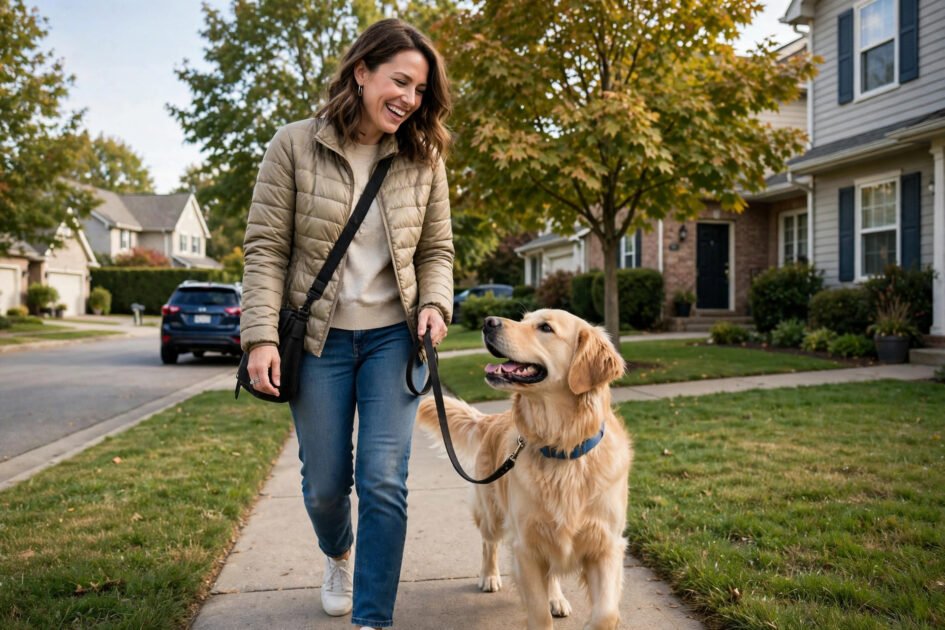

The daily walk should be the best part of your dog’s day. Fresh air, new smells, quality time with you. But small habits we barely notice can turn walks into stressful, or even dangerous, experiences. These dog walking mistakes are incredibly common, and chances are you’re making at least one of them. Let’s fix that.
Mistake #1: Trusting a Retractable Leash
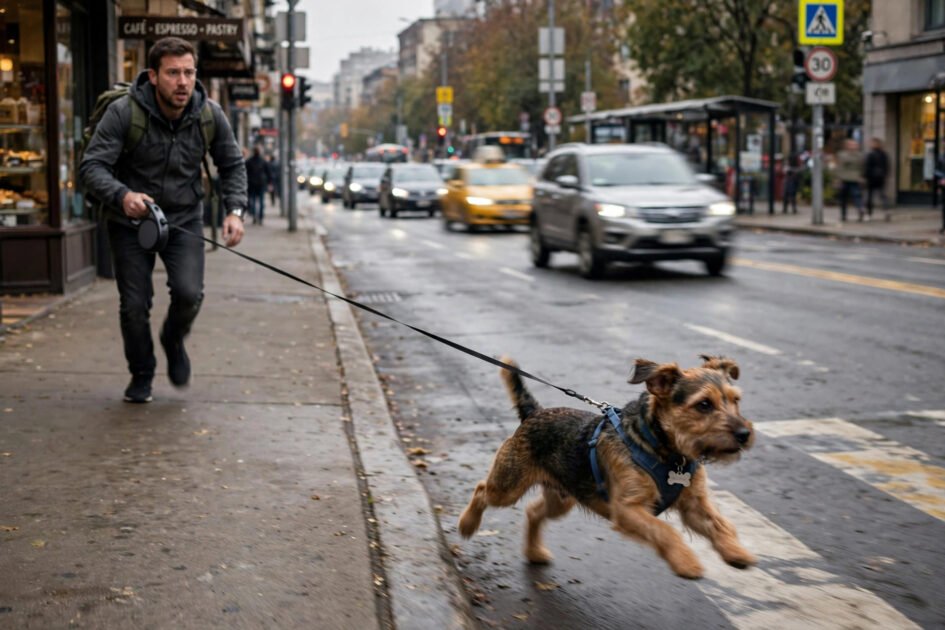
Retractable leashes feel like freedom, but they trade your control for the illusion of it. The thin cord can snap, cause nasty burns or cuts, and it teaches your dog that pulling gets them more distance. Worst of all, a dog 20 feet ahead can dart into traffic before you can react.
The fix: Switch to a standard 4 to 6-foot leash. You get real control, clearer communication, and a dog who actually learns to walk with you instead of ahead of you.
Mistake #2: Letting Your Dog Drag You Down the Street
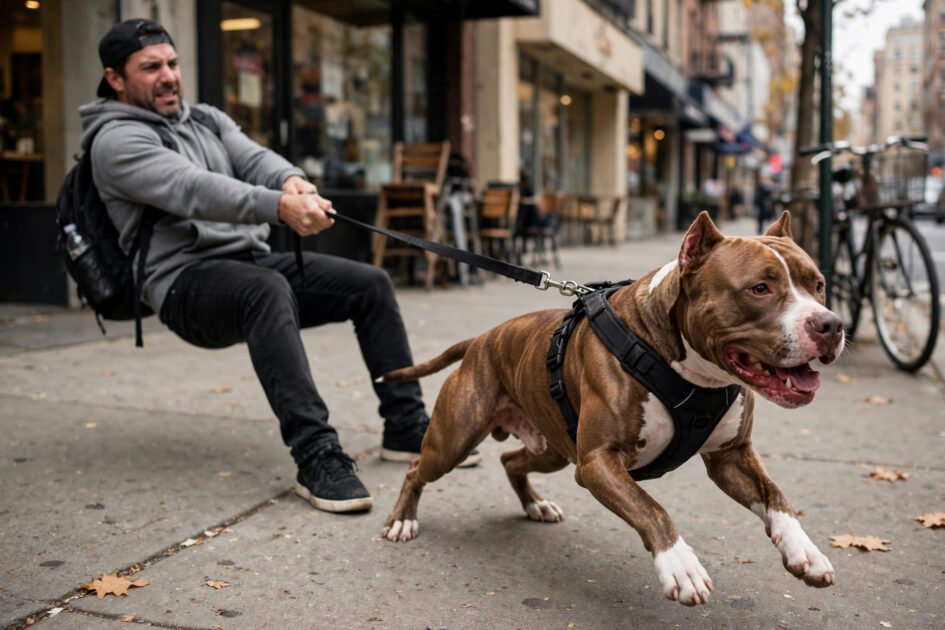
If your shoulder aches after every walk, something’s wrong. Constant pulling isn’t just unpleasant, it’s dangerous. Dogs that pull can slip collars, lunge into roads, and over time the strain damages their trachea. Many owners just accept it as “how my dog walks,” but it doesn’t have to be.
The fix: Teach loose-leash walking with rewards, not yanking. Stop moving the instant the leash goes tight, reward when it goes slack. A front-clip harness helps in the meantime. Ten minutes of training a day transforms walks within weeks.
Mistake #3: Walking on Scorching Pavement
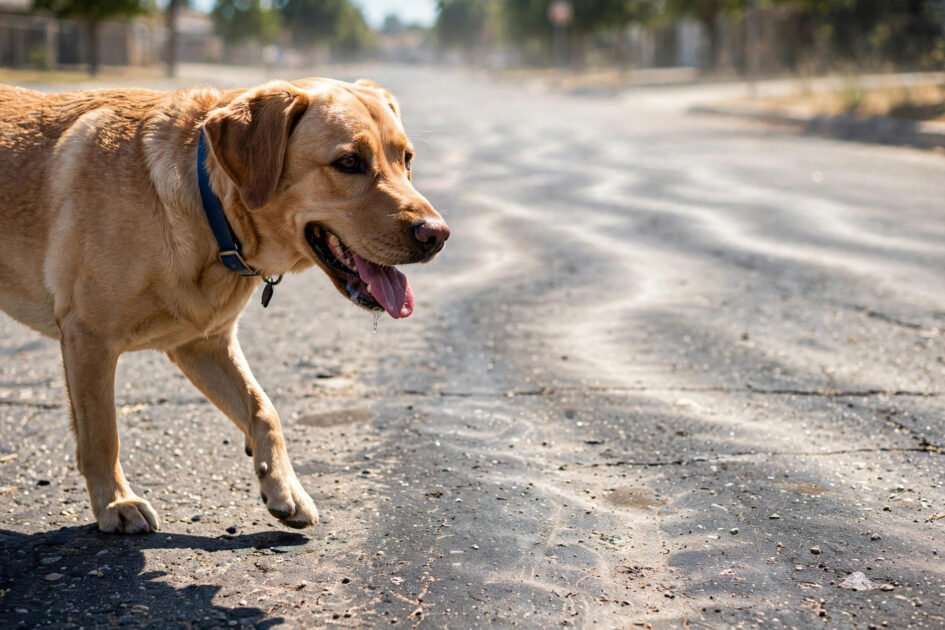
Here’s a sobering fact: when the air is hot, asphalt can get hot enough to burn paw pads in under a minute. Dogs can’t tell us their feet hurt until the damage is done, and blistered pads mean weeks of painful recovery.
The fix: Use the 7-second rule: press the back of your hand to the pavement. If you can’t hold it for seven seconds, it’s too hot. Walk early morning or late evening in summer, stick to grass, or invest in dog booties.
Mistake #4: Forgetting Water on Long Walks
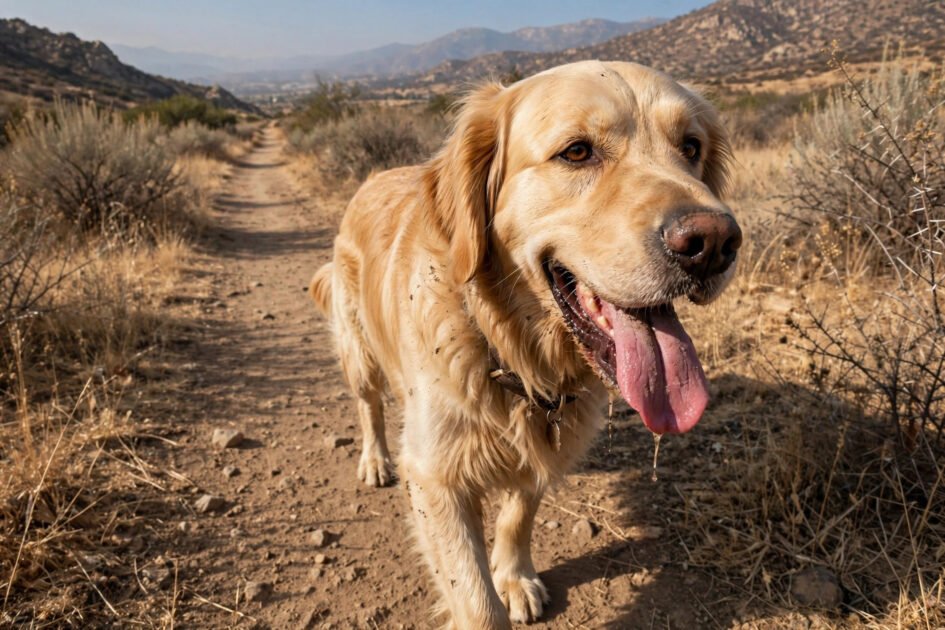
Dogs overheat far faster than we do, especially flat-faced breeds, seniors, and puppies. A 45-minute hike without water on a warm day can push a dog toward heat exhaustion. Panting alone doesn’t cool them enough when they’re exerting themselves.
The fix: Any walk over 20 minutes in warm weather calls for water and a collapsible bowl. Offer drinks every 15 minutes or so. It’s a tiny addition to your kit that prevents a genuine emergency.
Mistake #5: Letting Your Dog Rush Every Dog They See
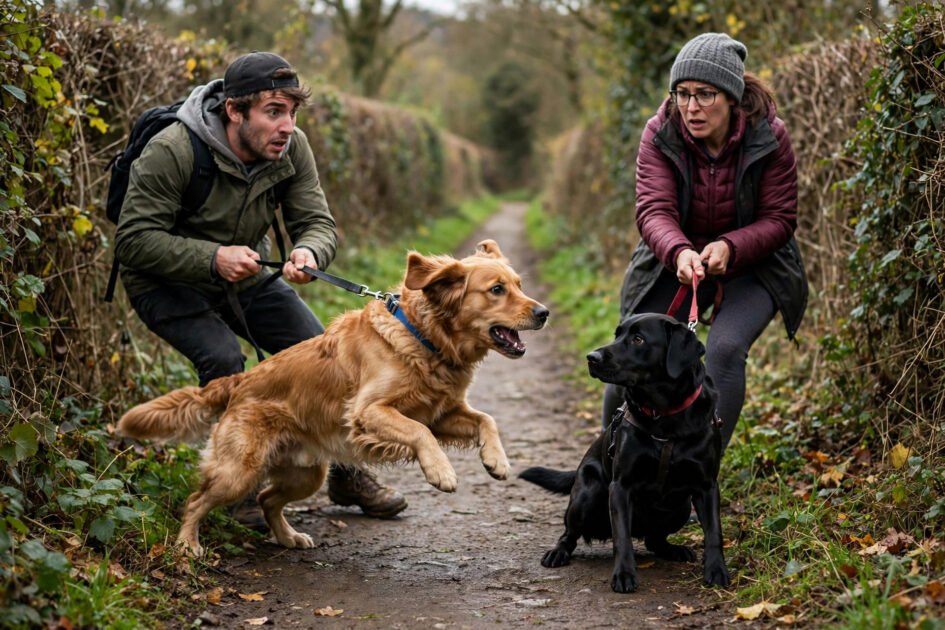
It feels friendly, but on-leash greetings are one of the top triggers for leash reactivity. A leashed dog can’t use normal body language to say “I need space,” so frustration builds. One bad greeting can create a dog who lunges and barks at every dog for months afterward.
The fix: Teach your dog that other dogs are background scenery, not invitations. Reward calm focus on you as dogs pass. Save actual play for off-leash settings with dogs you know.
Mistake #6: Marching Your Dog Past Every Good Smell
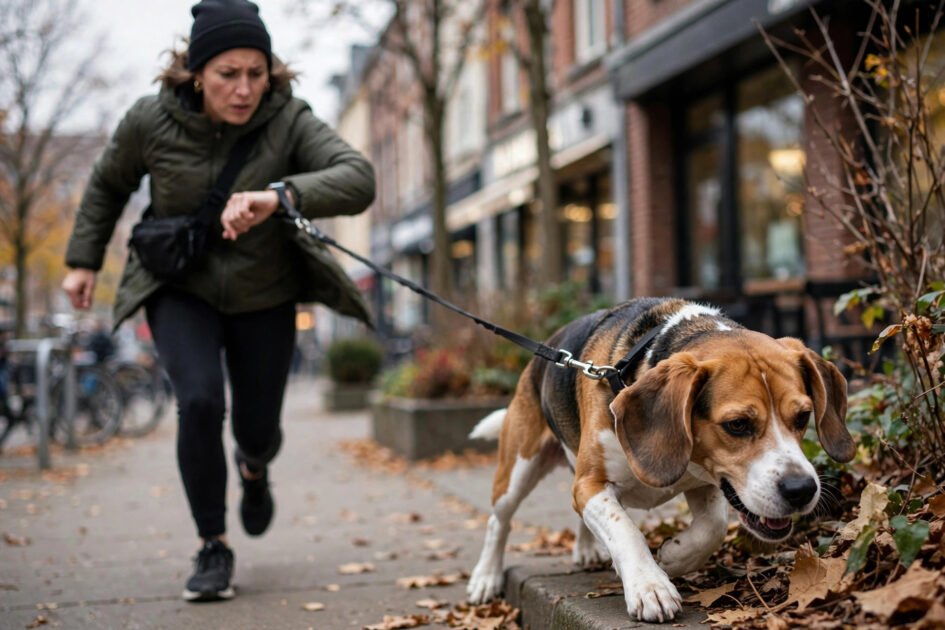
For dogs, sniffing is reading the news, checking social media, and solving puzzles all at once. A walk with zero sniffing is like taking a kid to a library and not letting them open a book. Dogs deprived of sniffing time come home wired instead of satisfied.
The fix: Build “sniff breaks” into every walk. Let your dog choose the direction for a few minutes, follow their nose, and don’t rush. Twenty minutes of sniffing tires a dog out more than an hour of marching.
Mistake #7: Walking in the Dark With Zero Visibility
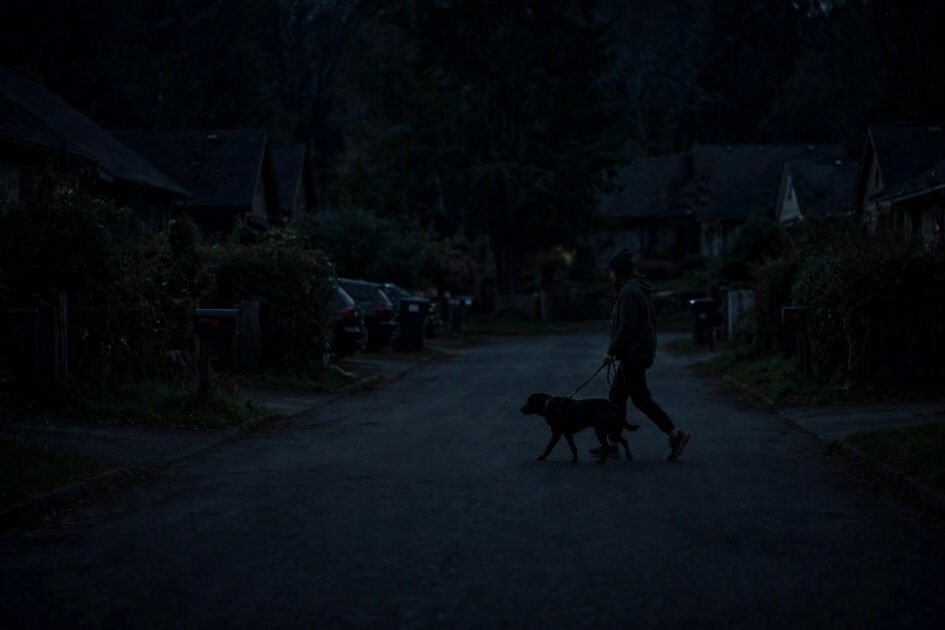
Drivers can’t dodge what they can’t see. A dark-coated dog on a dark street is effectively invisible, and even in well-lit areas, reflective gear dramatically cuts the risk. Night walks without visibility gear are a gamble nobody needs to take.
The fix: Clip on an LED collar or reflective vest, both cost very little. Carry a small flashlight too. It takes ten seconds and could genuinely save your dog’s life.
FAQs About Dog Walking Mistakes
How long should I walk my dog each day?
It depends on breed, age, and health, but most adult dogs need 30 minutes to 2 hours of exercise daily, split across walks. High-energy breeds need more; seniors and flat-faced breeds need shorter, gentler outings.
How many walks does a dog need per day?
At minimum, two real walks plus bathroom breaks. Three shorter walks often beat one long march, especially for sniffing enrichment and mental stimulation.
Is it okay to let my dog off-leash on walks?
Only in designated off-leash areas and only with a rock-solid recall. An unreliable recall near roads, wildlife, or other dogs is one of the riskiest choices an owner can make.
Should I walk my dog before or after meals?
Wait at least 30 to 60 minutes after a meal before vigorous walking. Exercising on a full stomach raises the risk of bloat, which is life-threatening in large, deep-chested breeds.
What’s the best leash length for everyday walks?
A 4 to 6-foot fixed leash is ideal for neighborhood walks. It gives your dog sniffing room while keeping them close enough for you to react to surprises.
The Bottom Line
Fixing these dog walking mistakes won’t just make walks safer, it’ll make them something you both actually look forward to. Better gear, smarter timing, and a little training turn a daily chore into the highlight of your dog’s day. And honestly? Yours too.