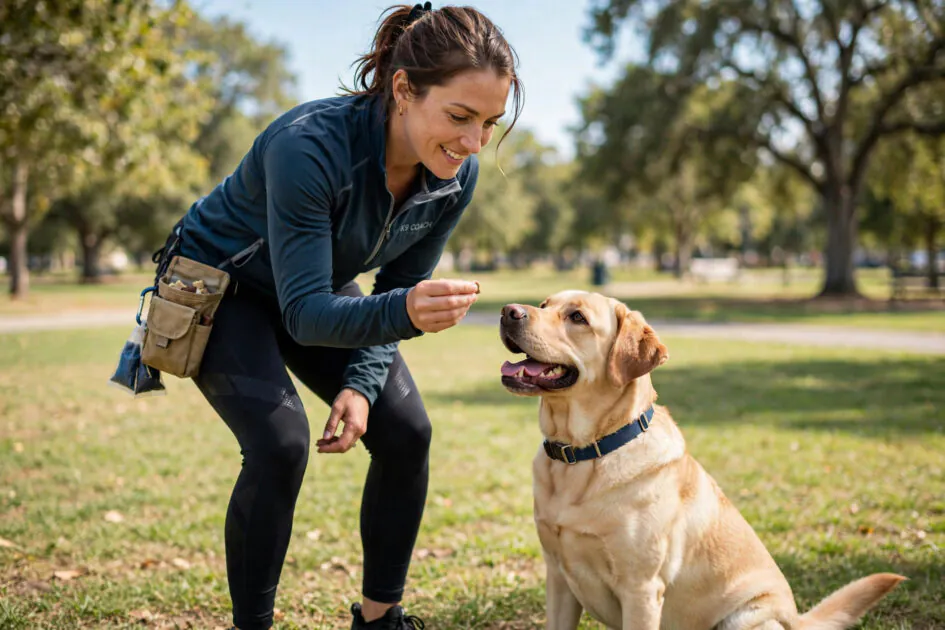

Dog training is a workout disguised as a job. You’re bending, sprinting, kneeling in grass, and getting enthusiastically jumped on by forty kilos of excited Labrador. So if you’re still showing up in jeans and a nice top, we need to talk. The right dog training outfit ideas don’t just look good — they make every session smoother, safer, and honestly more fun.
Whether you’re a professional trainer or just working through obedience basics with your own pup, what you wear matters more than you’d think. Pockets become treat dispensers, shoes become safety gear, and layers become your best friend. Here are five outfit formulas that nail the balance between cute and completely practical.
1. The Classic Trainer Uniform: Leggings + Athletic Top
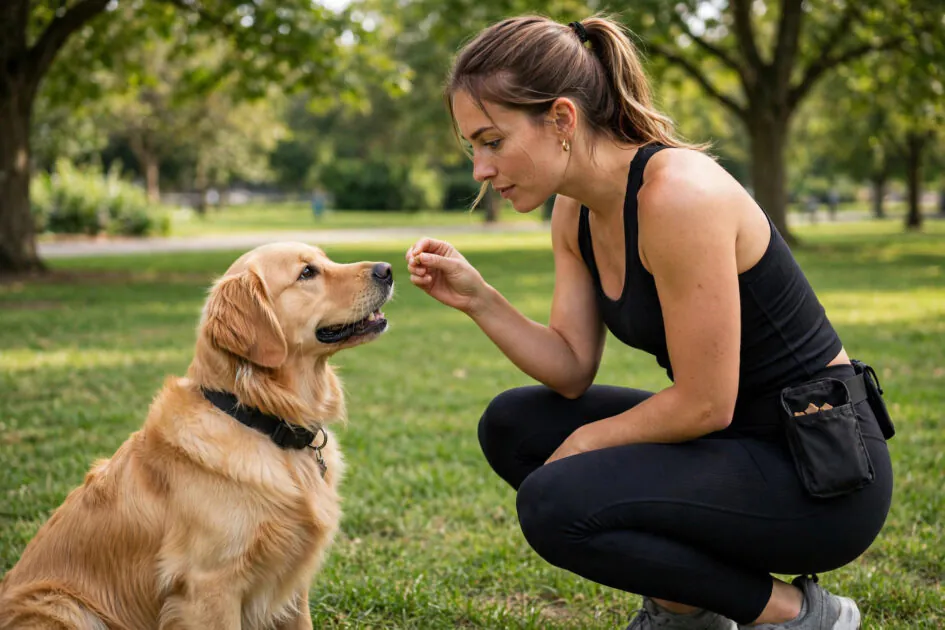
This is the unofficial uniform of female dog trainers everywhere, and for good reason. High-waisted leggings with a bit of compression stay put when you’re lunging, squatting, and demonstrating heelwork. Pair them with a fitted athletic top or a sporty quarter-zip, and you’ve got full range of motion without anything riding up or falling down.
Look for leggings with side pockets — they’re perfect for a phone, a clicker, or a spare poop bag. Dark colors are your friend here; they hide muddy paw prints and slobber like a dream. Add a lightweight crossbody treat pouch and you’re ready for anything from puppy class to agility practice.
2. All-Weather Layers: Vests and Jackets With Pockets
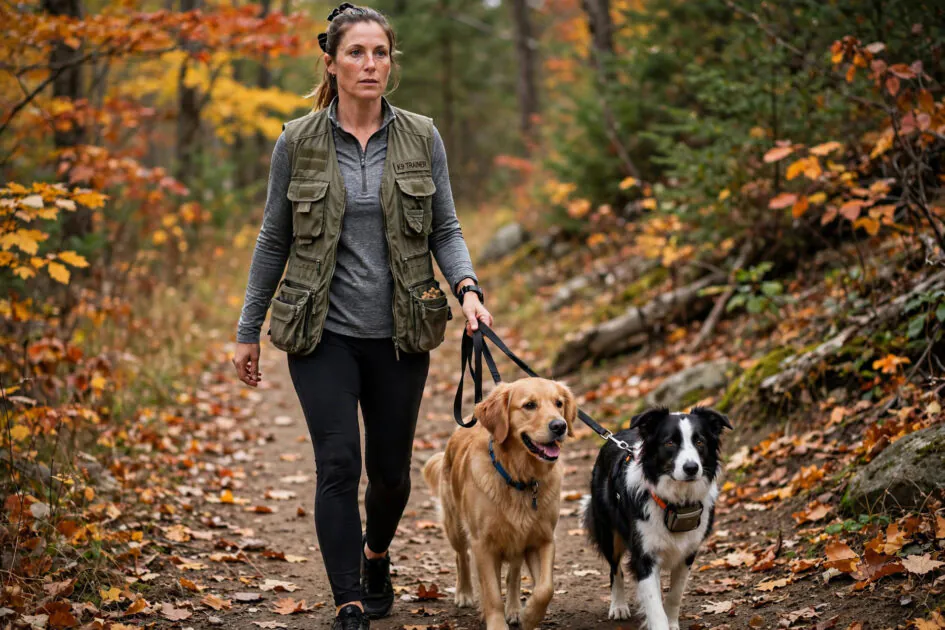
Training doesn’t stop when the weather turns, and neither should your style. A utility vest or a softshell jacket with deep pockets is a game changer — treats in one pocket, phone in another, clicker clipped to the zipper. Vests are especially brilliant because they keep your arms free for hand signals while your core stays warm.
For rainy days, a packable rain shell over your training gear keeps you dry without bulk. In winter, layer a fleece under a windproof jacket and add a beanie. The trick is choosing outerwear with a slightly relaxed fit so you can still move, bend, and demonstrate without feeling restricted.
3. Treat Pouch-Ready Outfits: Where to Clip Your Gear
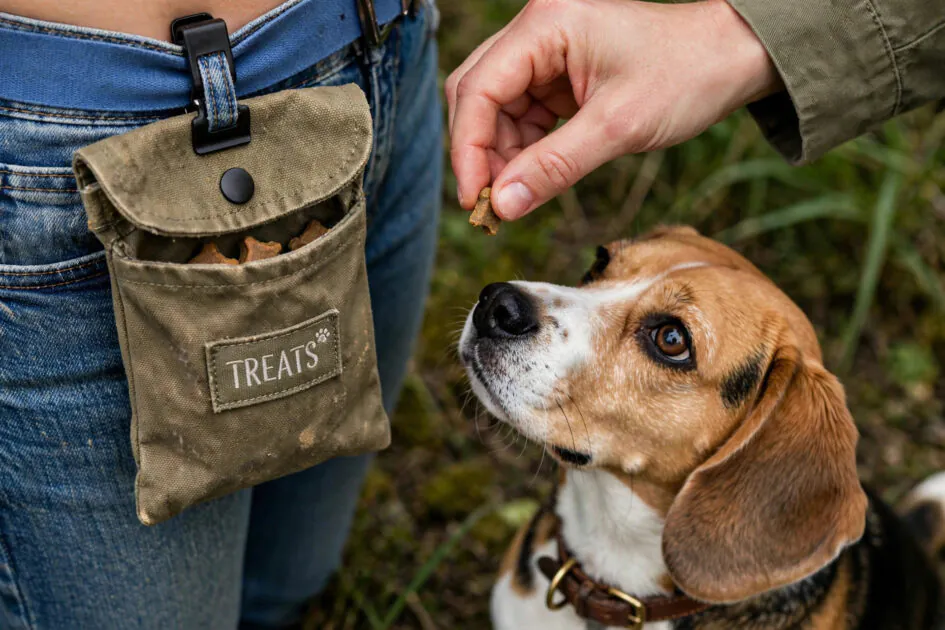
Here’s a detail most outfit guides miss: your clothes need to work with your treat pouch, not against it. A sturdy waistband or belt loops give your pouch something solid to grip — flimsy drawstring shorts will sag under a full pouch of chicken in about ten minutes.
Many trainers swear by silicone treat pouches with magnetic closures clipped right at the hip for lightning-fast reward delivery. Timing is everything in training, and fumbling with a zipper while your dog nails a perfect sit is a missed opportunity. Choose bottoms with a defined waistband, skip anything too silky or slippery, and test the clip before you buy.
4. Footwear That Keeps Up: From Sneakers to Boots
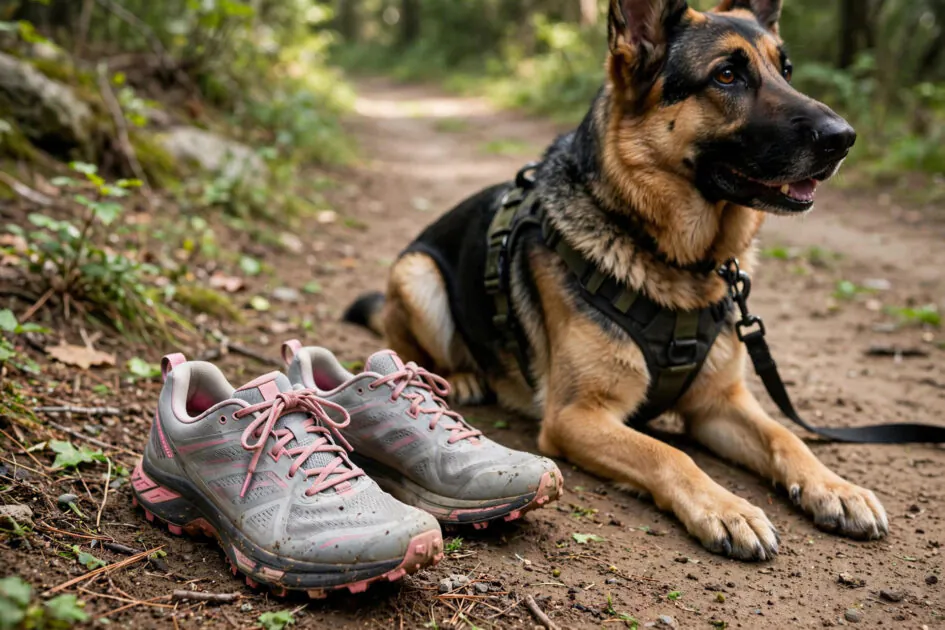
Your shoes might be the most important part of your training outfit. You’ll be pivoting, backpedaling, and occasionally getting dragged toward a squirrel, so grip and ankle support matter. Trail running shoes are the sweet spot for most trainers — grippy, lightweight, and cushioned for long days on your feet.
For muddy fields or farm settings, waterproof hiking boots are worth every penny. Avoid anything with a heel, slick soles, or open toes; flip-flops and dog training are a combination that ends in regret. Keep a spare pair in the car, because wet socks can ruin an otherwise perfect session.
5. Polished Pro Looks for Client Sessions
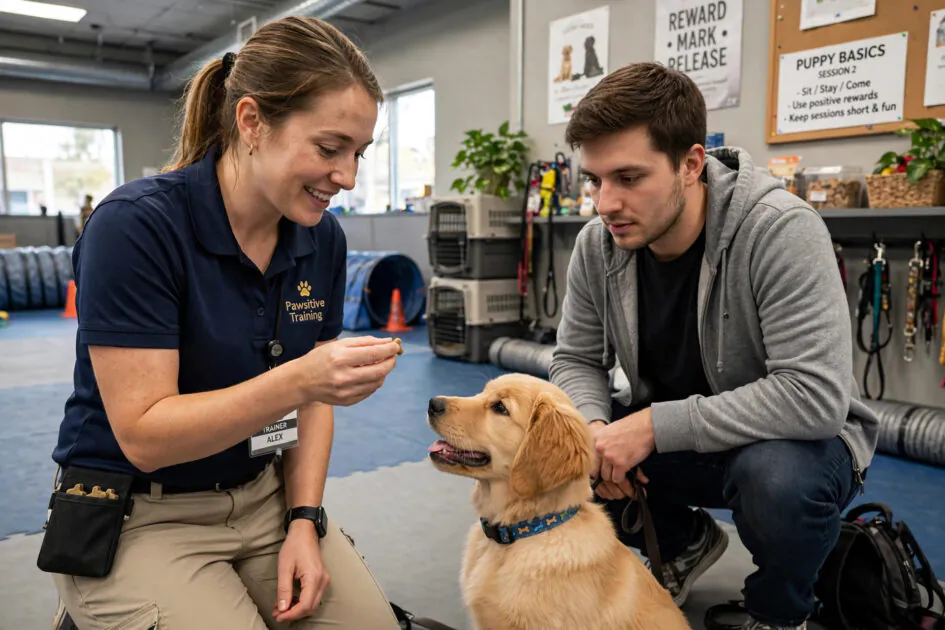
When you’re meeting private clients, looking polished builds instant credibility. You don’t need a suit — think elevated athleisure. Dark joggers or ponte pants, a clean branded polo or a neat quarter-zip, and fresh sneakers read as professional without sacrificing function.
If you run a business, this is where a logo really shines. An embroidered polo or a jacket with your business name turns your outfit into a walking advertisement. Clients notice the details, and showing up looking put-together tells them you take their dog’s training as seriously as they do.
FAQs
What should a woman wear to dog training class?
Comfortable athletic wear with pockets: leggings or joggers, a fitted top, and grippy closed-toe shoes. Bring a treat pouch and dress for the weather — you’ll be moving the whole time.
Can I wear a dress to dog training?
It’s not ideal. Dresses restrict the bending, kneeling, and quick movement that training requires, and they don’t work well with treat pouches. Save the dress for after class.
What shoes are best for dog training?
Trail running shoes for everyday sessions, waterproof hiking boots for muddy or wet conditions. Look for good grip, ankle support, and closed toes — never sandals or heels.
How do I keep my training clothes clean?
Stick to dark, moisture-wicking fabrics that hide dirt and wash well. Keep a lint roller and a change of top in your bag for client-facing days.
Do I need branded clothing as a dog trainer?
It’s not required, but an embroidered polo or jacket with your logo looks professional and markets your business everywhere you go. Start with one or two pieces.
Conclusion
The best dog training outfit ideas for women all share the same DNA: comfort, pockets, grip, and just enough polish to feel confident. Build your training wardrobe around pieces that move with you, carry your gear, and survive muddy paws — and you’ll wonder how you ever trained in anything else.