
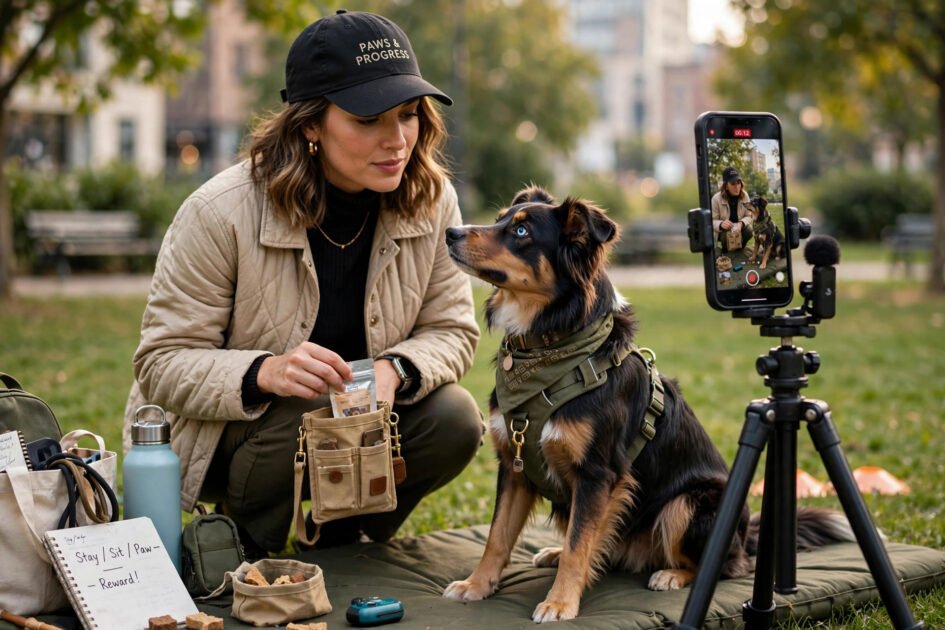

Dog training content is everywhere on social media, but the accounts that truly stand out share one thing: a recognizable dog training aesthetic. It’s that cohesive look and feel that makes someone stop scrolling, follow you, and actually try your tips at home.
Building an aesthetic isn’t about being fake or overly polished. It’s about presenting your training journey in a way that’s visually appealing, easy to follow, and unmistakably yours. Whether you’re a professional trainer building a brand or a proud owner sharing your pup’s progress, these ideas will level up your feed.
1. Define Your Visual Style and Color Palette
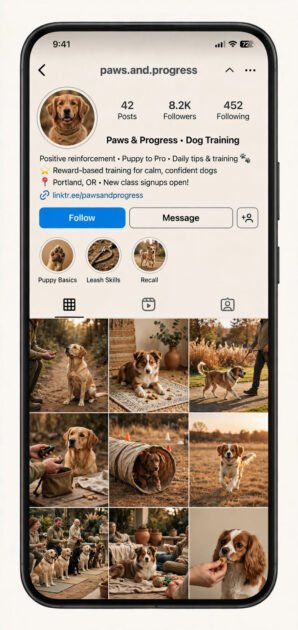
Before you post anything, decide how you want your feed to feel. Warm and cozy? Bright and energetic? Calm and minimal? Pick two or three signature colors and use them consistently in your backgrounds, text overlays, and even your training gear.
Your style should match your training philosophy. A force-free trainer might lean into soft, natural tones that feel gentle and kind. A sport-dog trainer might go bold and dynamic. There’s no wrong answer, only inconsistency.
2. Film Training Reels That People Actually Watch
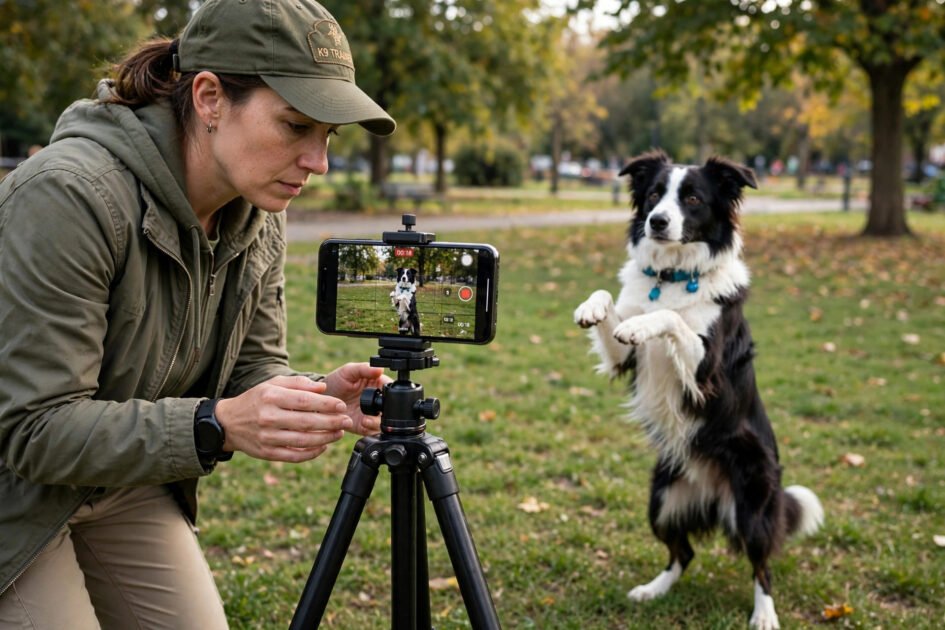
Short video is the fastest way to grow. The best training reels follow a simple formula: show the problem, show the technique, show the result. Keep it under 30 seconds and get to the good stuff fast.
Film in good natural light, keep your phone stable with a cheap tripod, and shoot from your dog’s eye level for the most engaging angle. Add clear on-screen text explaining each step, since most people watch without sound.
3. Take Scroll-Stopping Training Photos
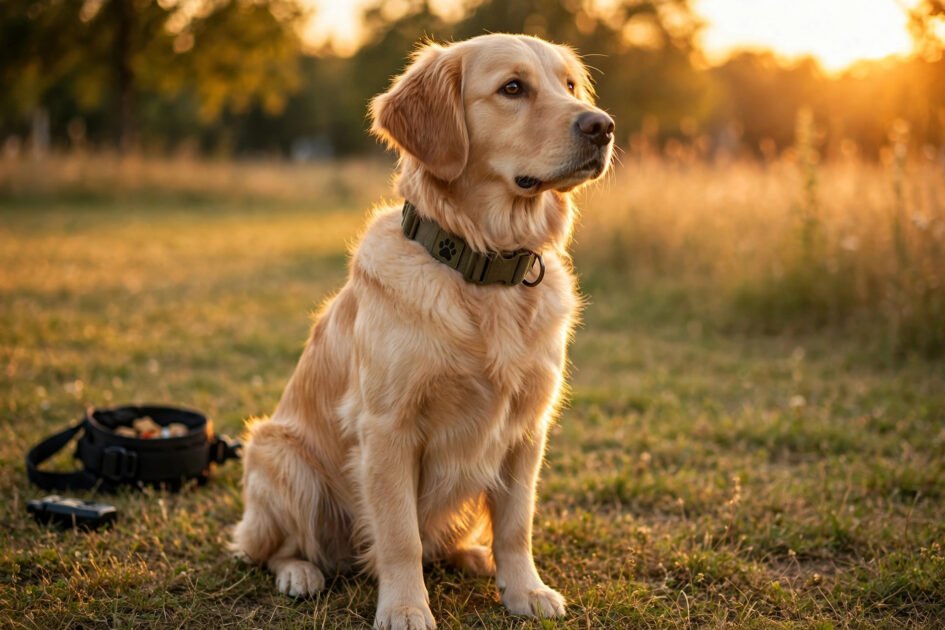
You don’t need a fancy camera, but you do need good light. The golden hour, that soft light just after sunrise or before sunset, makes every dog look like a superstar. Overcast days work beautifully too, since clouds act like a giant softbox.
Capture action and emotion, not just posed sits. A mid-air catch, a focused heel, a joyful recall, these moments tell a story. Get low, burst-shoot, and don’t be afraid to take fifty photos to get one great one.
4. Write Captions That Teach and Connect

Pretty visuals get the click, but captions build the community. The best training captions do three things: share one clear tip, tell a relatable story, and invite conversation with a question.
Keep your tips genuinely useful and jargon-free. Instead of “we’re working on LAT protocols,” try “here’s the game that stopped my dog barking at the fence.” Real language from real life outperforms textbook talk every time.
5. Stay Consistent With a Simple Content Rhythm
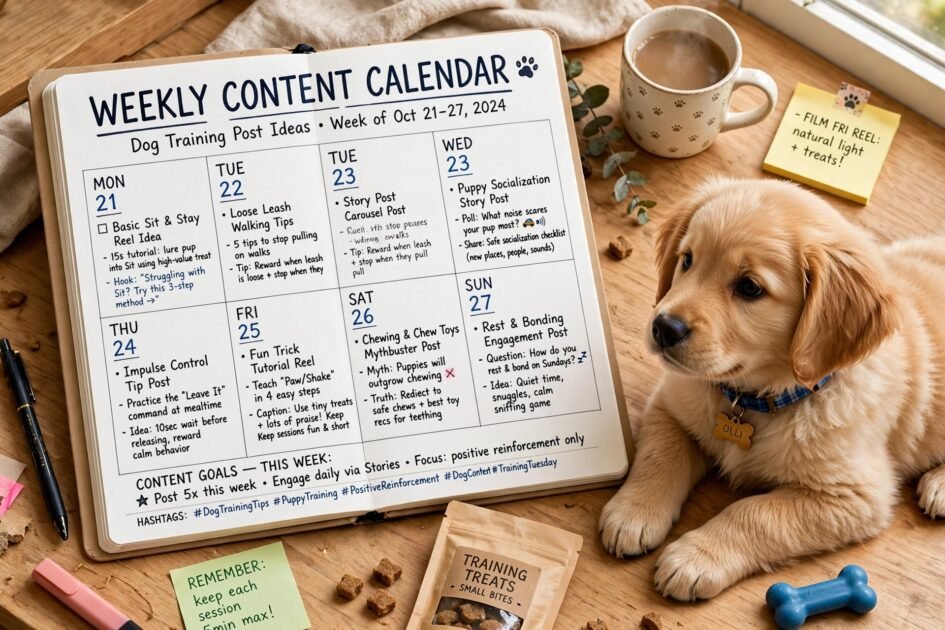
Aesthetic is as much about rhythm as visuals. Posting three times a week for months beats posting daily for two weeks and burning out. Pick a schedule you can actually sustain.
Use simple content pillars to never run out of ideas: one training tip, one behind-the-scenes moment, one community question per week. Batch-film several reels in one session so you always have content ready.
FAQs
Do I need expensive equipment for a good dog training aesthetic?
No. A modern smartphone, natural light, and a consistent editing preset are enough. Spend money on a small tripod before anything else, stable footage matters more than camera specs.
How often should I post dog training content?
Three to five times a week is the sweet spot for growth without burnout. Quality and consistency matter far more than quantity, so never sacrifice one for the other.
What content performs best for dog trainers?
Before-and-after transformations, quick tips under 30 seconds, and relatable training fails. People love progress stories and honest moments far more than perfection.
Should I niche down or post about everything?
A light niche helps a lot. Puppy training, reactive dogs, trick training, pick the lane you know best. You can always broaden later once your audience trusts you.
How do I handle negative comments on training posts?
Stay kind and factual, ignore trolls, and never argue in comments. A calm, educational reply often wins over silent lurkers even if the original commenter never changes their mind.
The Bottom Line
A strong dog training aesthetic isn’t about vanity, it’s about making great training advice impossible to ignore. Define your style, film with intention, write captions that connect, and show up consistently. Your feed, and your followers’ dogs, will thank you.