
Introduction
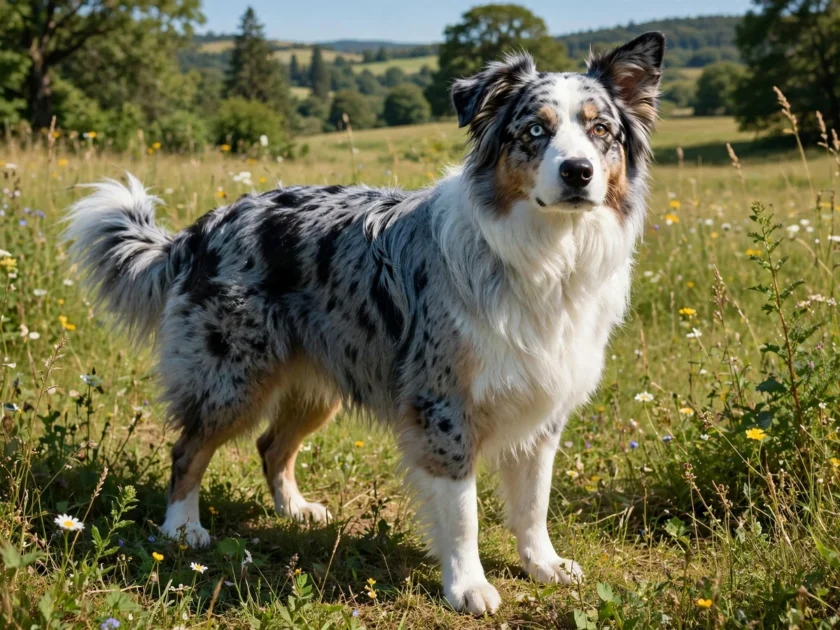
The Australian Shepherd, lovingly known as the Aussie, is a strikingly beautiful dog with a coat that swirls in blue merle, red merle, black and red, and eyes that are often blue, amber or even two different colours.
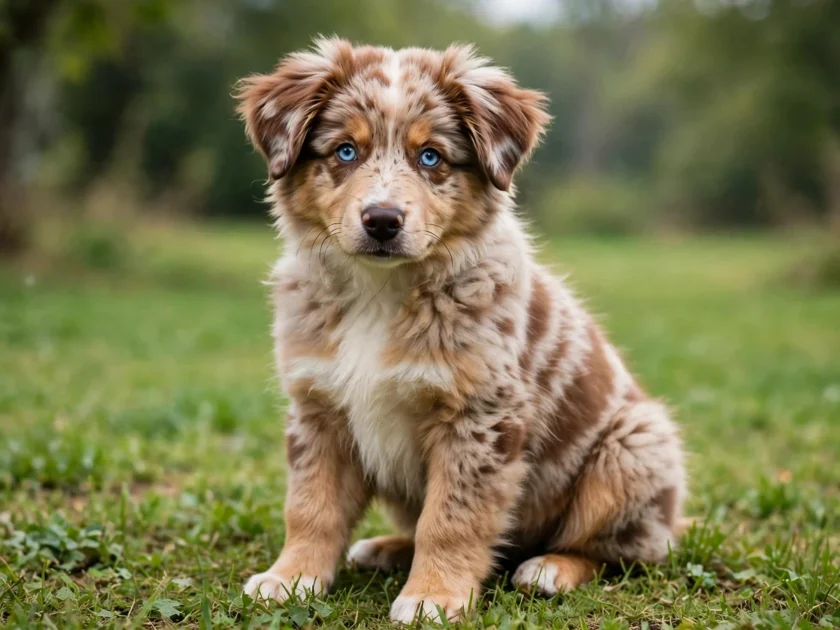
Despite the name, the Australian Shepherd is not from Australia at all. The breed was developed in the western United States from herding dogs brought over by Basque shepherds who had travelled through Australia, and American ranchers assumed the dogs were Australian, so the misleading name stuck. Above all, it is a beloved family companion, and like the German Shepherd, another famous herding breed, it thrives when it has both a job to do and people to love.
Characteristics
The Australian Shepherd is a medium sized dog with a strong, athletic build made for long days of work. Males usually stand twenty to twenty three inches at the shoulder and weigh fifty to sixty five pounds, while females are a little smaller at eighteen to twenty one inches and forty to fifty five pounds.
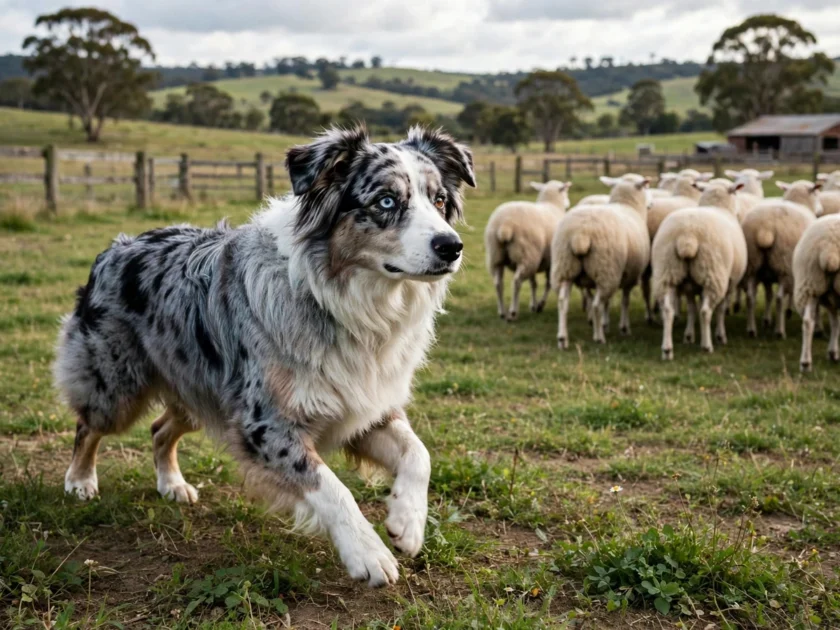
The coat is medium in length with a weather resistant outer layer and a softer undercoat beneath. The four recognised colours are black, blue merle, red and red merle, often with white markings and copper or tan points,. The breed generally lives for twelve to fifteen years. What truly defines the Aussie, though, is its mind. It learns new commands quickly, so it needs an owner who enjoys training.
Habits and Behaviour
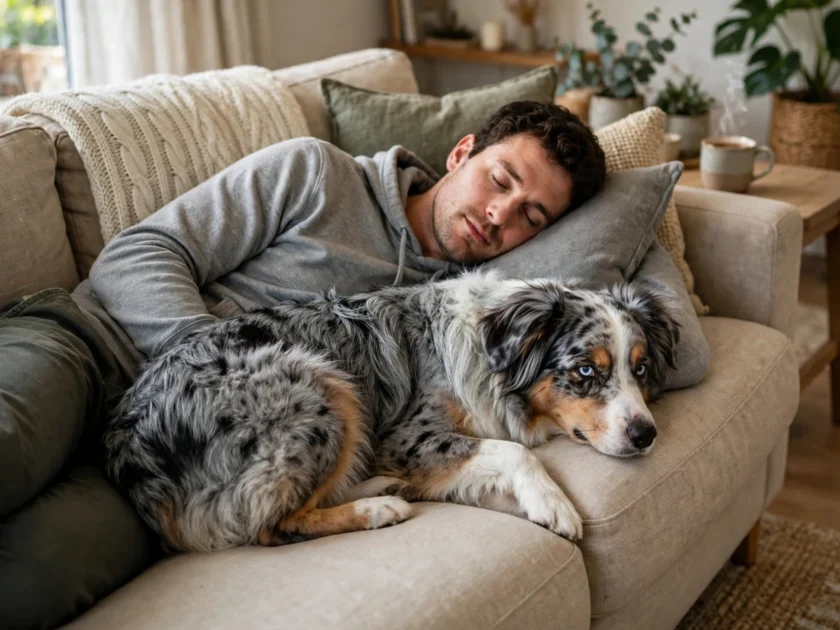
Ask any Aussie owner to describe their dog in one word and you will very likely hear the word loyal, followed closely by the word busy. Australian Shepherds form an intense bond with their families and want to be near their people as much as possible, following them from room to room and settling close by whenever they sit down.
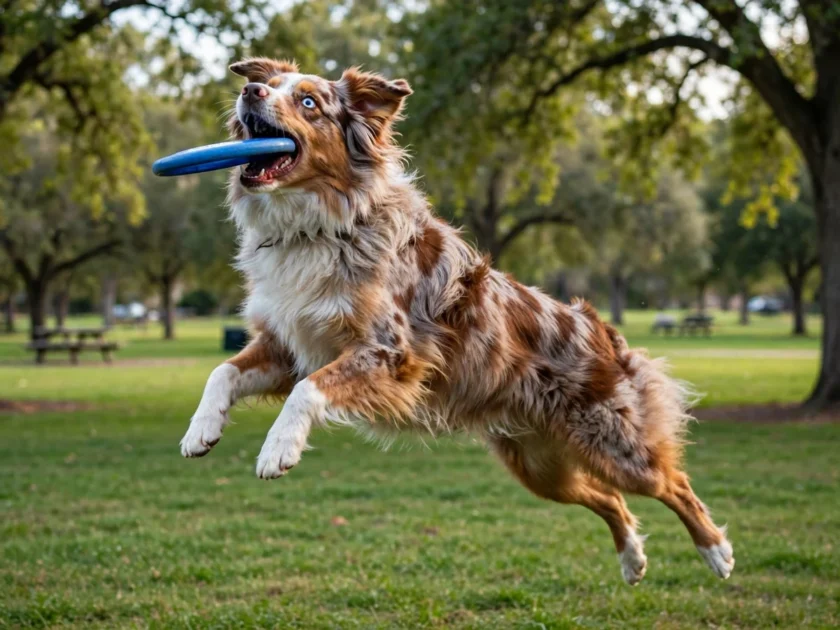
With their own family, Aussies are affectionate, playful and gentle, and they are usually wonderful with older children who enjoy running and playing games. The herding instinct also runs deep, and an Aussie may try to herd small children or other pets by circling, nudging or giving a gentle nip at heels, a habit that needs patient redirection from puppyhood. Energy is the other defining trait of the breed. Aussies need at least ninety minutes of vigorous exercise and mental stimulation every day, or boredom leads to digging, chewing and barking.
Common Diseases and Health Problems
Australian Shepherds are generally healthy and hardy dogs, but like every purebred dog they carry a higher risk of certain inherited conditions. Hip dysplasia is one of the most common problems, a condition in which the hip joint does not develop properly, leading to pain, stiffness and arthritis as the dog ages, and elbow dysplasia can cause similar trouble in the front legs. Eye problems are another concern. Hereditary cataracts can cloud the lens in adult dogs, and progressive retinal atrophy slowly damages the retina and can lead to blindness,. Puppies from two merle parents face a much higher risk of deafness and vision problems.
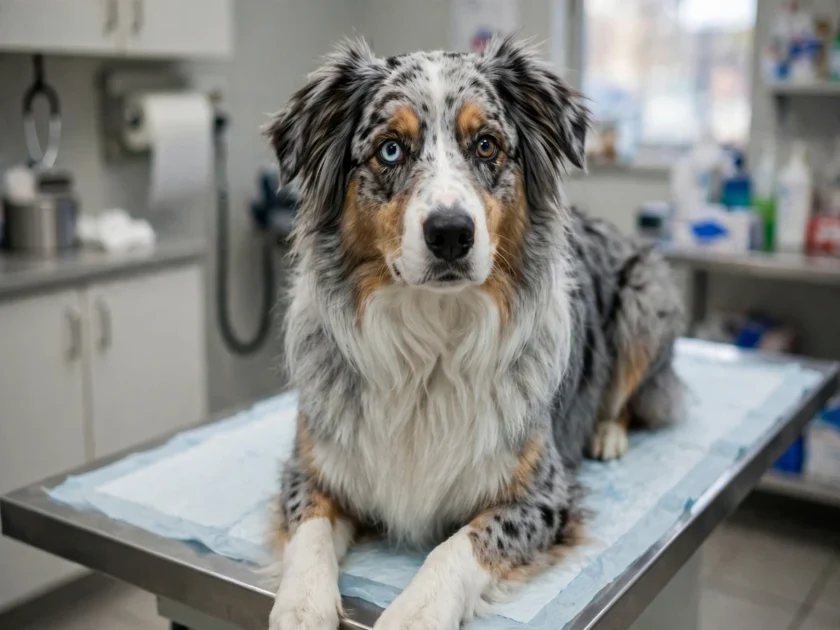
Epilepsy is also seen in some lines, with seizures usually first appearing between one and five years of age, though it is often manageable with medication. The MDR1 gene mutation also makes some Aussies react badly to certain medicines, so a DNA test is well worth having. Many Aussies live long and healthy lives, but choosing a breeder who screens their dogs and keeping up with regular vet care are essential.
Solutions and Prevention
Many of the health problems that affect Australian Shepherds can be reduced, caught early or managed well with sensible, consistent care, and it all begins before you even bring a puppy home. A reputable breeder will have tested the parent dogs for hip and elbow dysplasia and will have had their eyes checked by a veterinary ophthalmologist, and they will be happy to show you the results.
Once your Aussie is home, prevention becomes a matter of routine. Regular vet checkups, at least once a year and more often for older dogs, allow problems to be spotted while they are still small and treatable. Weight is another powerful tool for prevention. An Aussie kept lean puts far less strain on its hips and elbows than an overweight one, so feeding a good quality diet in measured portions matters more than many owners realise.
Grooming and Cleaning
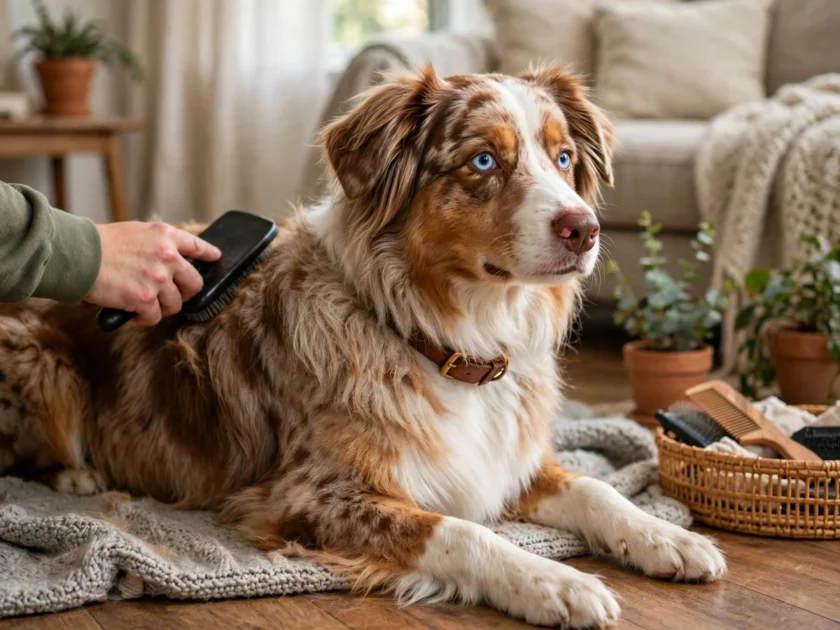
For all its beauty, the Australian Shepherd coat is surprisingly easy to care for. Brushing once or twice a week with a pin brush, working right down to the skin, will remove loose hair and keep mats from forming, particularly behind the ears and under the legs. Bathing is only needed every six to eight weeks or when the dog has rolled in something unpleasant.The double coat regulates the dog’s temperature in both heat and cold, and shaving can damage the way it grows back.
Grooming is about more than the coat. The ears should be checked weekly and gently cleaned with a vet approved solution, because the folded ear shape can trap moisture. Nails should be trimmed every week or two, since long nails change the way a dog walks and can cause joint pain. Teeth should be brushed several times a week with a dog safe toothpaste.
Living With a Australian Shepherd: Care Tips for Owners
Living with an Australian Shepherd is joyful and rewarding, but it works best when the whole household understands what this dog needs. The single most important thing is activity. Plan for one to two hours of real exercise every day, combined with training games, puzzle feeders and dog sports such as agility or obedience.
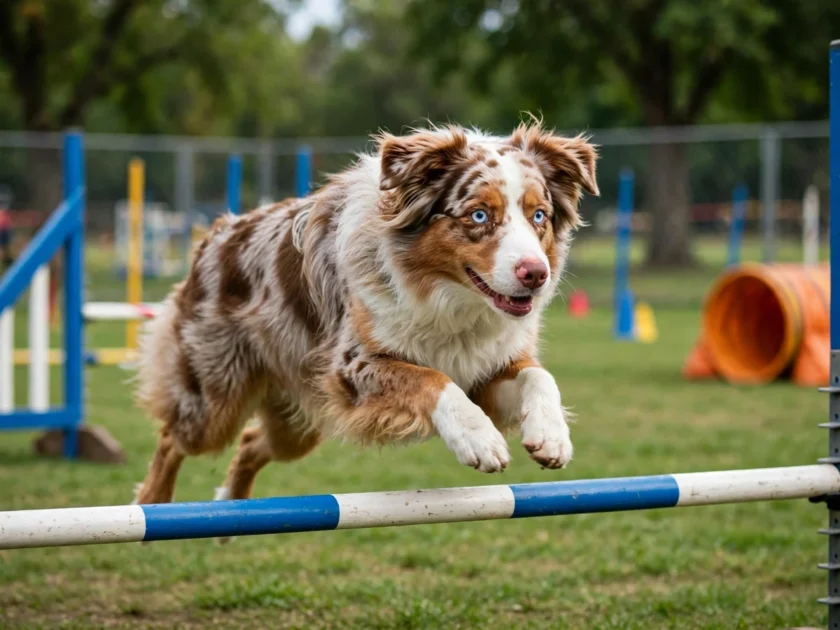
Feeding is straightforward when it is done thoughtfully. A good quality food for a medium sized, very active dog, given in measured meals, will keep your Aussie in good condition, and treats should be counted as part of the daily ration. Use kind, reward based training from the day the puppy arrives, because harsh corrections do not suit this sensitive breed. Aussies do best in active households with time to spare, ideally with a garden. If you can give an Aussie the exercise, training, company and care it needs, you will be rewarded with one of the most loyal and entertaining companions a dog lover could ask for.
FAQ
Are Australian Shepherds good family dogs?
Yes, Australian Shepherds are generally excellent family dogs when they are properly socialised and trained. They are gentle and affectionate with their own family and playful with older children. They do best in active families who can give them plenty of exercise and attention.
How much exercise does an Australian Shepherd need?
An Australian Shepherd needs at least ninety minutes to two hours of vigorous exercise every day, along with mental stimulation such as training, puzzle games or dog sports.
Do Australian Shepherds shed a lot?
Yes, Australian Shepherds shed a moderate amount all year round, with heavier shedding in spring and autumn.
Are Australian Shepherds easy to train?
Australian Shepherds are among the easiest breeds to train because they are highly intelligent, eager to please and quick to learn. They respond best to positive, reward based training with praise and treats, and they enjoy learning tricks and taking part in dog sports such as agility and obedience.
What health problems do Australian Shepherds commonly face?
The most common health concerns are hip and elbow dysplasia, eye conditions such as cataracts, progressive retinal atrophy and collie eye anomaly, epilepsy, deafness in some lines and MDR1 drug sensitivity. Choosing a health testing breeder, keeping up with annual vet checks and maintaining a healthy weight are the best ways to reduce these risks. For more on the breed’s background, see the Australian Shepherd page on Wikipedia.