
Introduction
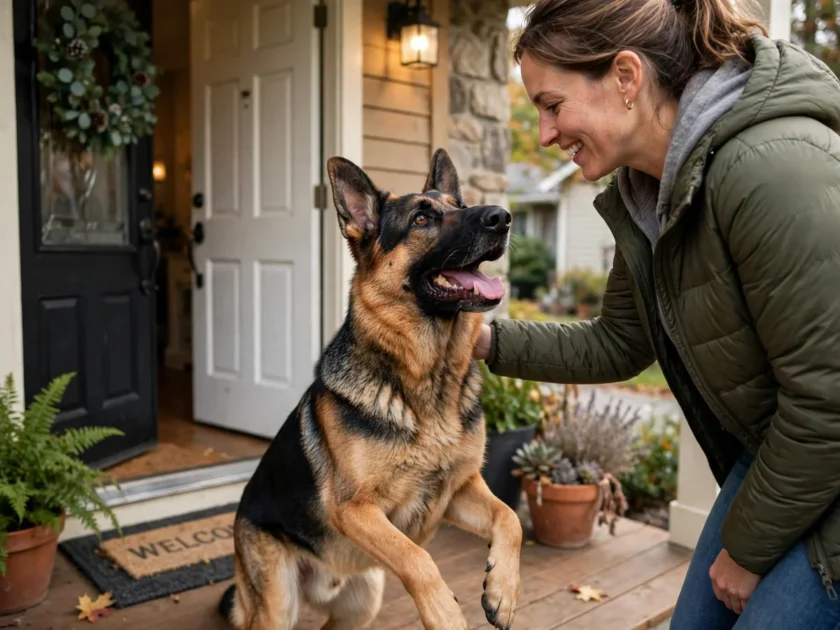
Picture this: you come home after a long day, keys still in your hand, and before you have even kicked off your shoes, a pair of intelligent brown eyes is already watching you from the hallway. That is life with a German Shepherd. They do not just greet you; they study you, tail wagging in slow sweeps, as if checking that you are really you.
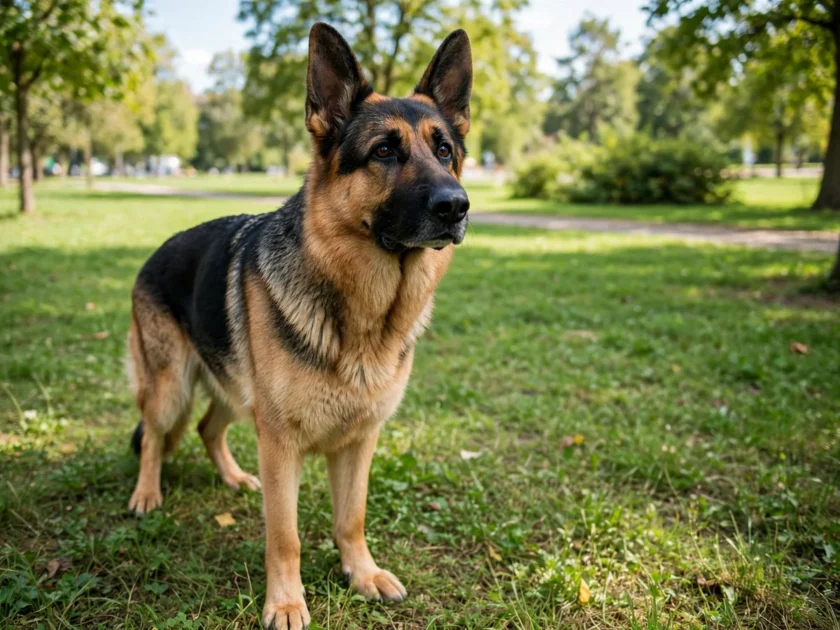
This is a dog that wants a job, even if that job is simply keeping an eye on the family. German Shepherds were bred in Germany as herding and working dogs, and that serious, loyal streak never left them. They are brave, clever, and deeply attached to their people, which is why you will find them beside police officers, search teams, and ordinary families alike.
Characteristics
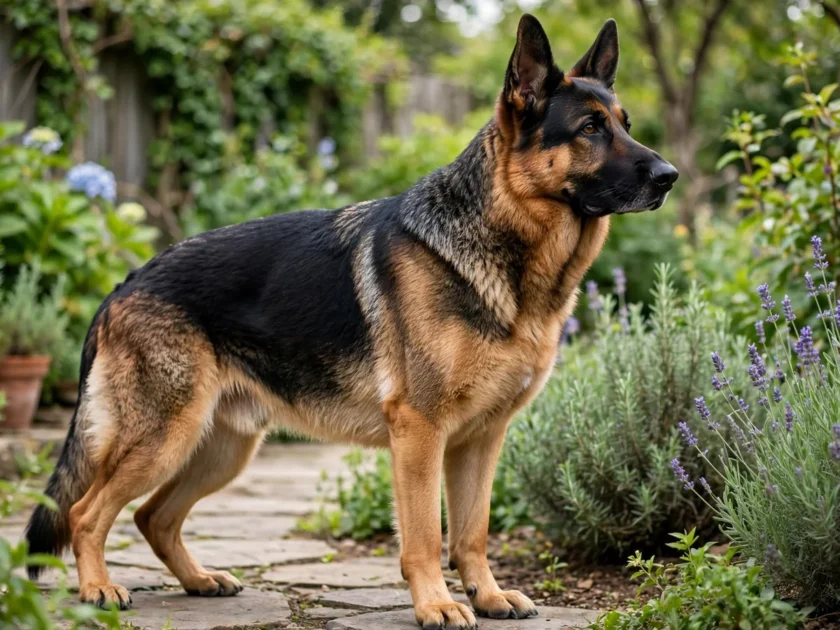
A German Shepherd is a large, powerful dog with a look you could recognise from across a park. Males usually stand about twenty-four to twenty-six inches tall and weigh roughly thirty to forty kilograms, while females are a little smaller and lighter. Their thick double coat is most often black and tan, and their pointed ears stand upright like two little satellite dishes. They usually live for nine to thirteen years.
What really defines this breed is temperament. German Shepherds are confident, alert, and intensely loyal, and they tend to bond hardest with one or two people in the household. They are not the kind of dog that bounces up to every stranger in the street. Instead, they watch first, decide second, and warm up slowly. That caution makes them wonderful protectors, but it also means early socialisation matters enormously.
Habits and Behaviour
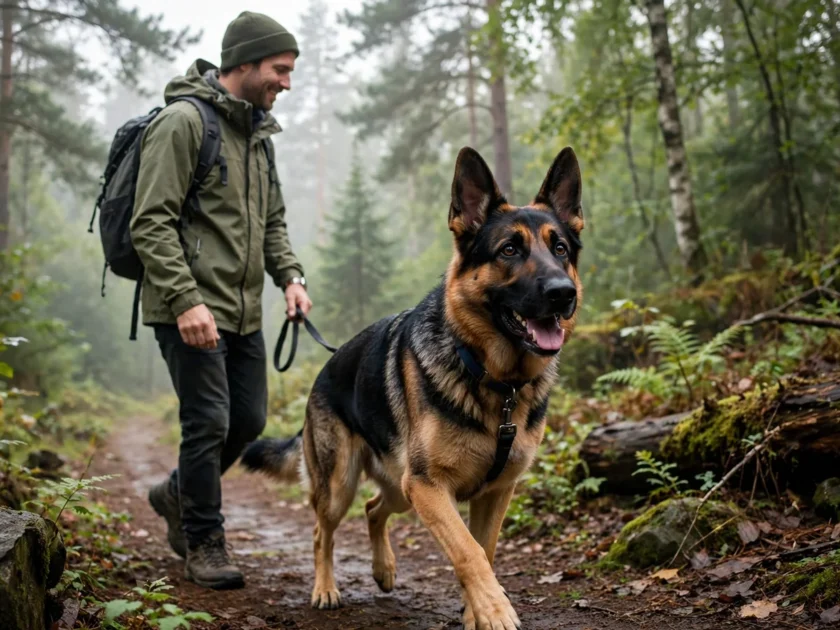
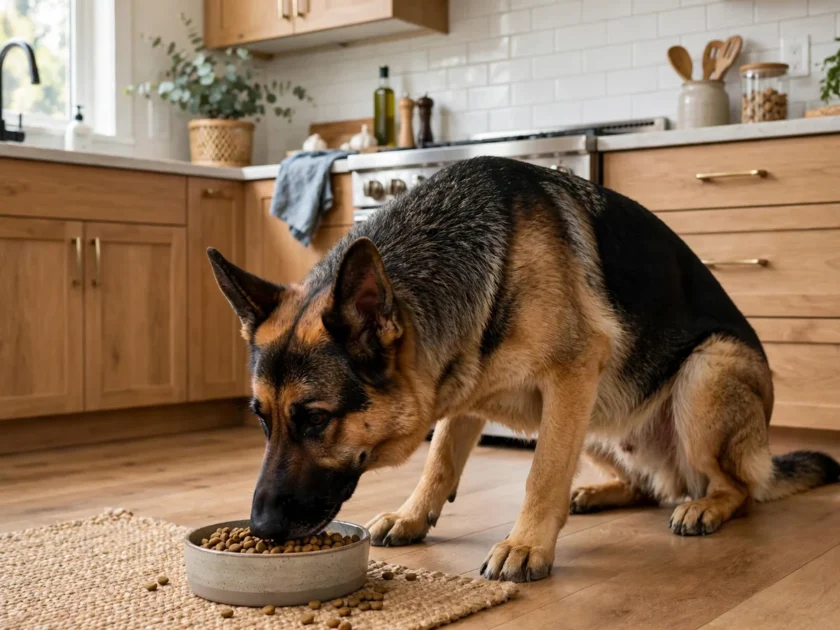
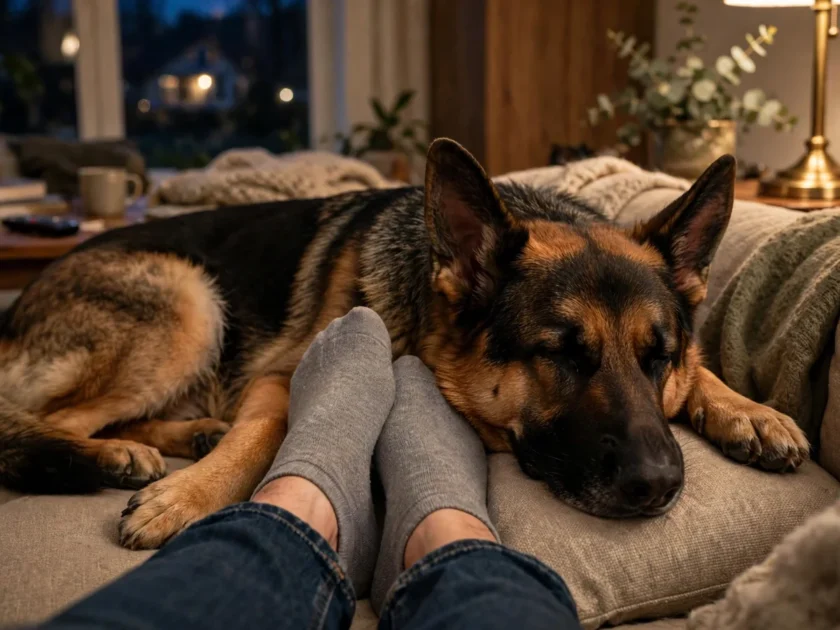
Live with a German Shepherd for a week and you will learn its daily rhythm by heart. Mornings mean a proper walk, not a quick loop around the block, followed by breakfast eaten with great seriousness. Afternoons often involve patrolling the house and sighing dramatically if you dare to sit down without them. Evenings are for training games, a second walk, and then collapsing at your feet, although one ear always stays on duty.
Exercise is not optional for this breed. Aim for at least ninety minutes a day, split between walks, play, and training, because a tired German Shepherd is a calm and happy one. They love learning, so short training sessions with treats and praise work far better than long, dull drills. With children they are usually gentle and protective, especially when raised together, although their size means little ones should always be supervised.
Common Diseases and Health Problems
For all their strength, German Shepherds carry some well-known health risks that every owner should know about honestly. Hip dysplasia and elbow dysplasia are the most famous, where the joints do not fit together neatly and can become painful and stiff over time. Degenerative myelopathy is another serious condition, a slow disease of the spinal cord that gradually weakens the back legs in older dogs.
Other problems include allergies that show up as itchy skin and sore ears, exocrine pancreatic insufficiency, where the pancreas does not make enough digestive enzymes and the dog loses weight despite eating well, and von Willebrand disease, a bleeding disorder that makes small cuts bleed longer than expected. Some German Shepherds also develop pannus, an eye condition that clouds the surface of the eye. Knowing the early signs puts you ahead of the problem instead of behind it.
Solutions and Prevention
The best prevention starts before you even bring a puppy home. Choose a breeder who screens parent dogs for hip and elbow dysplasia and who can show you the results, because good breeding genuinely lowers the odds of joint trouble. Once your dog is home, keep its weight lean rather than plump, since every extra kilo adds strain to those vulnerable joints.
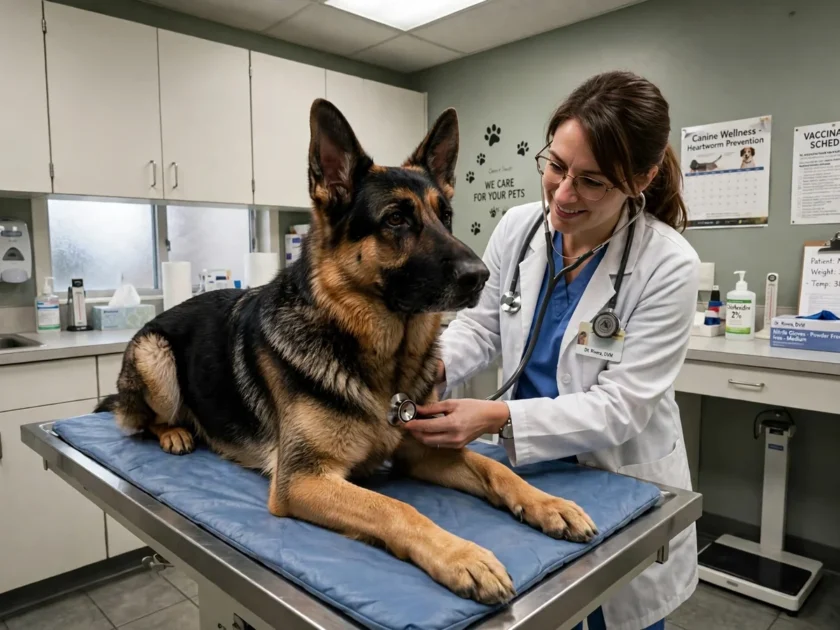
Regular vet checks are your safety net, so book a check-up at least once a year and sooner if anything changes. Watch for limping, stiffness after rest, a swollen belly, restlessness and retching without vomiting, sudden weight loss, or dragging back feet. Daily moderate exercise, swimming where possible, and gentle joint-friendly play keep muscles strong without pounding the joints.
Grooming and Cleaning
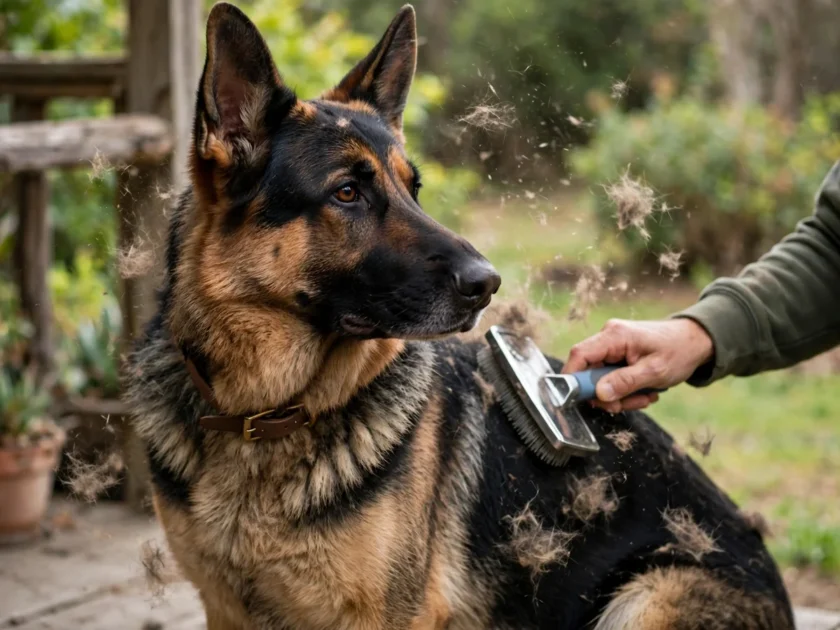
If you own a German Shepherd, you already own a second dog made entirely of shed fur. They shed all year and blow their thick undercoat heavily twice a year, usually in spring and autumn, when your sofa, your car, and your black trousers will all tell the story.
The rest of the routine is simple but steady. Check those tall, upright ears weekly for redness or a yeasty smell and wipe them gently with a vet-approved cleaner. Trim nails every three to four weeks, because long nails change how a dog walks and can worsen joint strain. Brush teeth several times a week with dog toothpaste, since dental disease creeps up quietly, and wipe paws and belly after muddy walks before they redecorate your floors.
Living With a German Shepherd: Care Tips for Owners
Living well with a German Shepherd comes down to one honest truth: this dog needs to feel useful. Give it a purpose and it will shine. That purpose can be as simple as a daily training game, carrying a backpack on walks, learning scent games in the garden, or joining you for a run.
Make your home work for a large, clever dog. A sturdy bed, a garden with a secure fence, and puzzle feeders that slow down mealtimes all help, and many owners find that large dog breeds that are loyal and loving share the same need for space, structure, and companionship. Never leave a German Shepherd alone for very long stretches day after day, because loneliness can turn into barking, digging, and anxiety. If you work long hours, arrange a dog walker or daycare. Few dogs watch over their people with quite this much devotion.
Frequently Asked Questions
Are German Shepherds good family dogs?
Yes, they can be wonderful family dogs when trained and socialised from a young age. They are loyal, protective, and often very gentle with children they grow up with, although their size means supervision is important, especially around toddlers.
How much exercise does a German Shepherd need?
Most adults need at least ninety minutes of exercise and mental stimulation each day, including walks, play, and training. Without enough to do they quickly become bored, restless, and destructive around the house.
Do German Shepherds shed a lot?
Yes, they shed heavily all year round and even more during their twice-yearly coat blow. Regular brushing helps a great deal, but anyone who dislikes dog hair on clothes and furniture should think carefully before choosing this breed.
Are German Shepherds easy to train?
They are one of the easiest breeds to train because they are intelligent and eager to work with their owner. Short, positive sessions with treats and praise work best, and early socialisation helps them grow into calm, confident adults.
How long do German Shepherds live?
German Shepherds usually live for nine to thirteen years. A healthy weight, regular vet checks, good breeding, and daily exercise all help them stay healthier for longer, and you can read more on the German Shepherd page on Wikipedia.