
Introduction
The Australian Terrier may be one of the smallest working terriers in the world, yet it carries itself with the confidence of a dog twice its size. Developed in Australia during the 1800s from rough-coated British terriers brought over by settlers, it was bred to hunt rats and snakes around homesteads and to guard the property. Standing only about ten to eleven inches tall and weighing roughly fifteen to twenty pounds, it fits easily into apartments and smaller homes. Its size can be misleading, though, because this is no quiet lapdog. It is an active, curious companion that needs attention and exercise, and for the right owner it is a funny and devoted friend that can live for eleven to fifteen years.
Characteristics
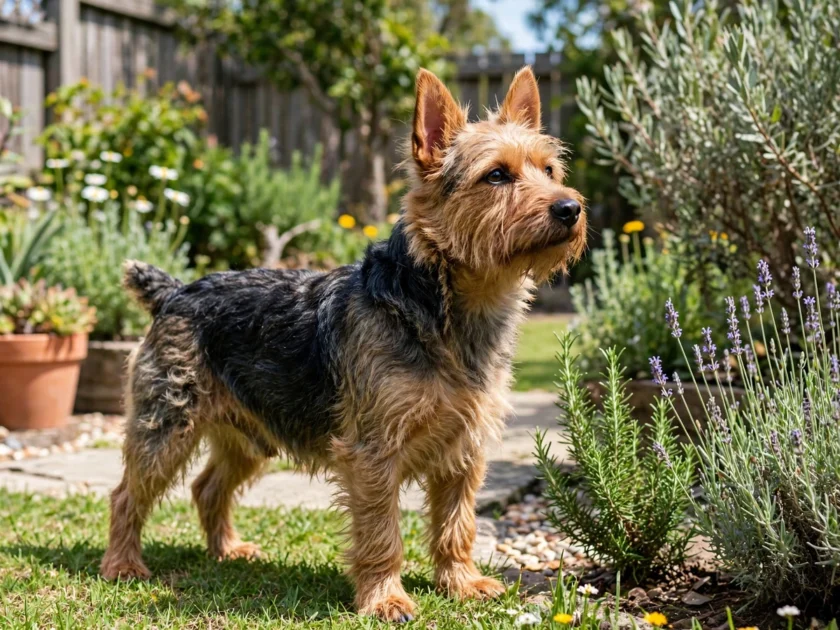
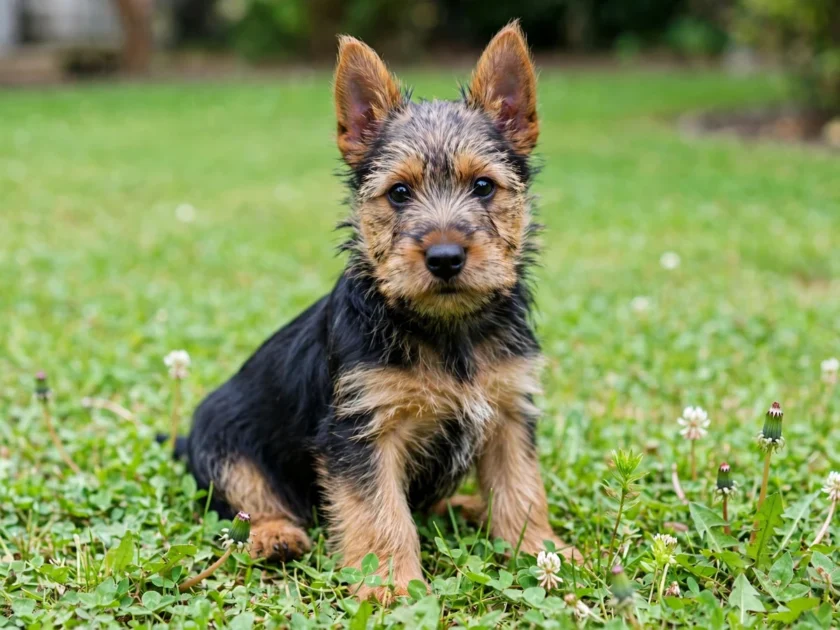
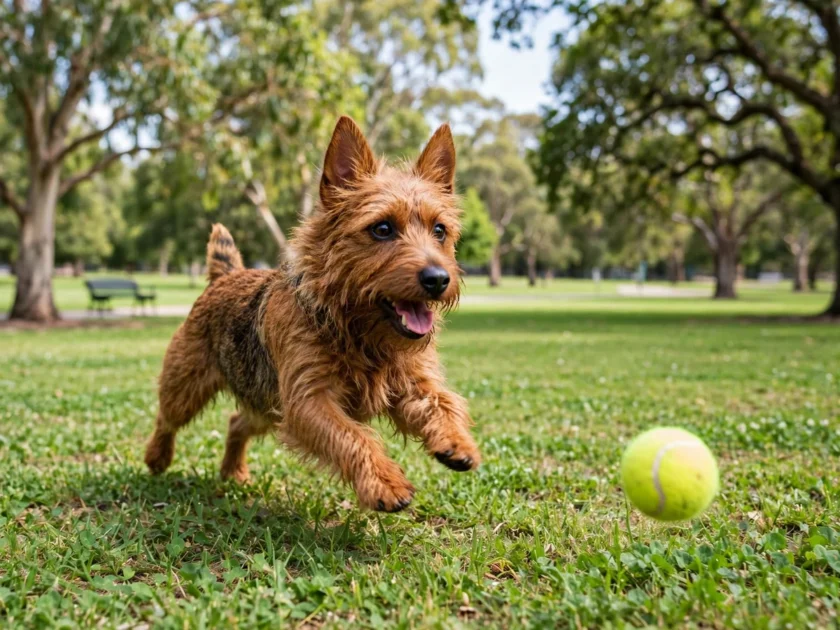
The Australian Terrier is a sturdy, low-set dog with a body slightly longer than it is tall, a shape that once helped it squeeze into burrows after vermin. Its head is long and strong with a flat skull, small erect ears, and dark, intelligent eyes. The coat is one of its most recognisable features. A harsh, straight outer coat of about two and a half inches lies over a short, soft undercoat that protects the dog from heat, cold, and rain. The breed comes in blue and tan, solid sandy, or solid red. Owners who enjoy the bold character of the Airedale Terrier will recognise a similar courage here, packed into a much smaller frame.
Habits and Behaviour
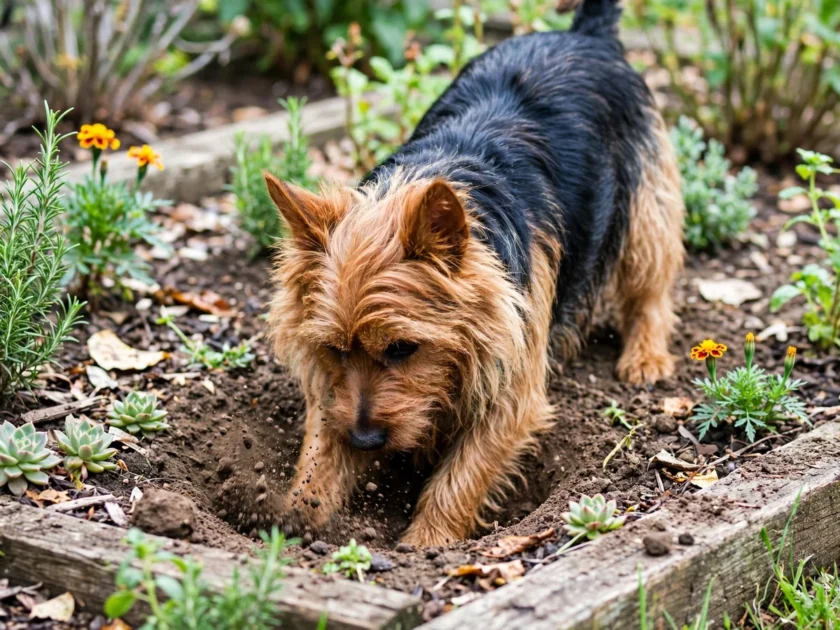
This dog wants to be with its people. It forms a close bond with its family, follows its favourite person around the house, and settles happily nearby while you work or relax. That devotion has a flip side, because the breed does not cope well with being left alone for long hours day after day. A lonely Australian Terrier can become anxious, noisy, and destructive, so it suits a home where someone is around for much of the day. The breed is spirited, self-assured, and endlessly curious, with a terrier independence that means it thinks for itself. Its hunting instincts remain strong, so it loves to dig, chase squirrels and cats, and bark at anything unusual. Early socialisation helps it accept strangers, children, and other pets.
Common Diseases and Health Problems
The Australian Terrier is generally hardy, yet owners should know the health problems to watch for. The most important is diabetes mellitus. Research has found that Australian Terriers carry a far higher risk of naturally occurring diabetes than most other breeds, and a breed health survey found it in around one in ten dogs. Warning signs include drinking much more water than usual, urinating more often, losing weight despite a normal appetite, and seeming tired or dull. Diabetes needs lifelong care, so any of these signs should send you to the vet without delay. Joint problems are the next concern. Like many small breeds, this terrier can suffer from a luxating patella, where the kneecap slips out of its groove and causes limping or a skipping walk. Young dogs can also develop Legg-Calve-Perthes disease, a painful hip condition that usually shows up as limping before the age of one.

Solutions and Prevention
Most of the health worries in this breed can be managed with sensible everyday care and regular veterinary attention. Keeping your Australian Terrier at a healthy weight is one of the most powerful things you can do, because extra pounds strain the knees and hips and make diabetes harder to control. Feed measured meals of a good quality dog food twice a day rather than leaving food out all the time, and keep treats small and counted. Ask your vet to check your dog’s knees, hips, eyes, and blood sugar during routine visits, and mention any change in drinking, appetite, weight, or energy straight away, since early treatment makes a real difference. Choosing a puppy from a breeder who screens breeding dogs for patella, eye, and thyroid problems is the best prevention of all.
Grooming and Cleaning
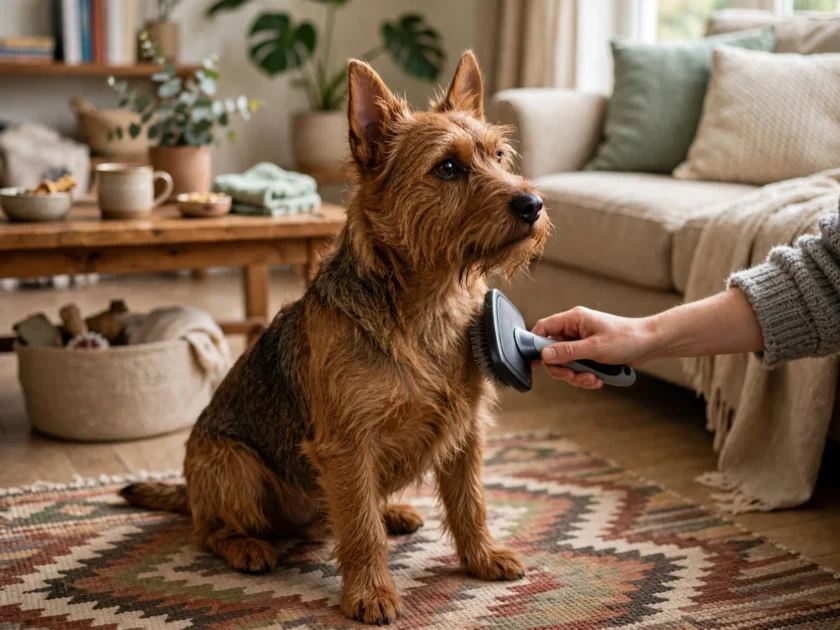
One of the pleasant surprises of owning an Australian Terrier is how little grooming it needs. The harsh double coat sheds only moderately and is designed to repel dirt and weather, so a good brushing once a week is usually enough to remove loose hair, dust, and tangles. Use a slicker brush and work gently through the coat, paying extra attention to the ruff around the neck and the hair on the legs, where tangles form most easily. Many owners also have the coat hand-stripped a few times a year, which means pulling out the dead outer hairs by hand so new harsh hair can grow through, although clipping is an easier option for a pet dog. Bathing should be kept occasional, because washing this breed too often strips the natural oils from the coat and can leave the skin dry and flaky.
Living With a Australian Terrier: Care Tips for Owners
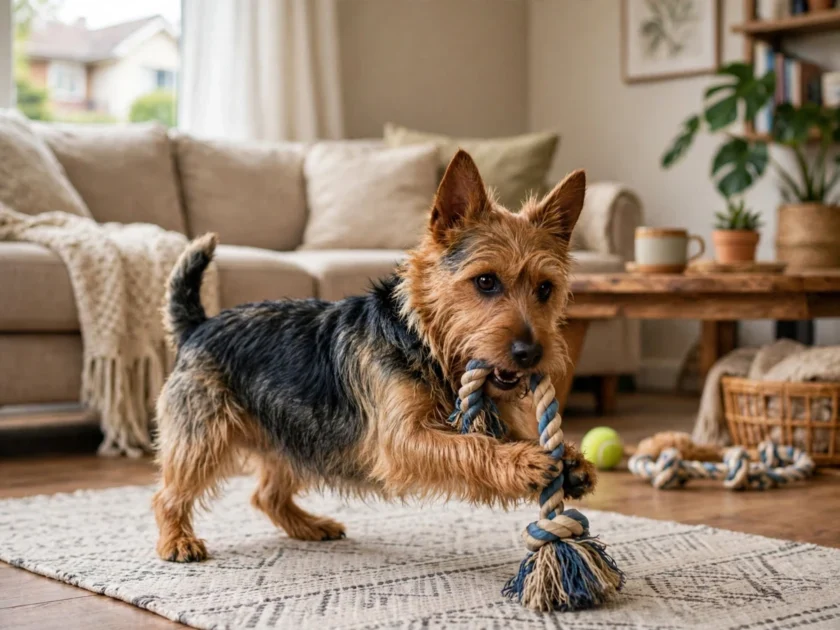
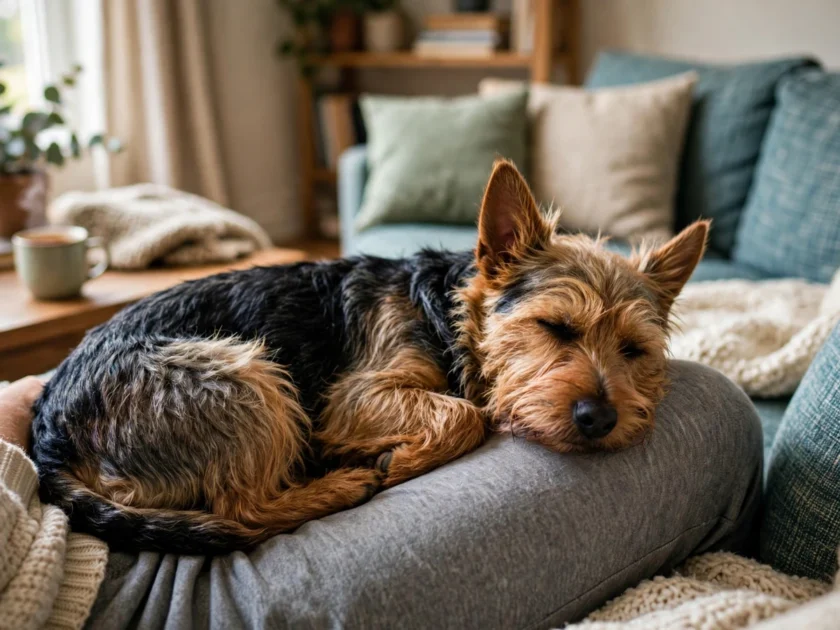
Living with an Australian Terrier is rewarding when you understand what makes this little dog tick. It needs around forty-five minutes to an hour of activity every day, split between walks, play, and training games that work its clever mind as well as its body. A bored Australian Terrier will invent its own entertainment, usually by digging up the garden or barking at the neighbours, so give it a digging box of its own and teach a quiet command early. Inside the home, give your dog a cosy bed in the heart of family life rather than shutting it away outside, because this breed is miserable when isolated from its people. Training should begin the day your puppy arrives, with short, cheerful sessions and plenty of praise. With warmth and consistency, an Australian Terrier will repay you with years of loyalty and laughter. You can read more on the Australian Terrier page on Wikipedia.
FAQ
Are Australian Terriers good family dogs?
Yes, they can make wonderful family dogs when well socialised and given enough attention. They are affectionate, playful, and loyal, and they usually enjoy older children who treat them gently.
How much exercise does an Australian Terrier need?
An Australian Terrier needs roughly forty-five minutes to an hour of exercise each day, including at least one good walk plus playtime and puzzle toys. Without enough activity, the breed can become bored, noisy, and destructive.
Do Australian Terriers shed a lot?
No, they are moderate shedders. Their harsh double coat holds on to loose hair, so weekly brushing removes most of it before it reaches your furniture.
Are Australian Terriers easy to train?
They are intelligent and quick to learn, but they also have a strong independent streak. They respond best to short, positive sessions with treats and praise, and they need a consistent owner who sets clear rules.
How long do Australian Terriers live?
Most Australian Terriers live between eleven and fifteen years. Lifespan depends on genetics, weight, dental care, and how quickly problems such as diabetes are spotted and treated.