


Introduction
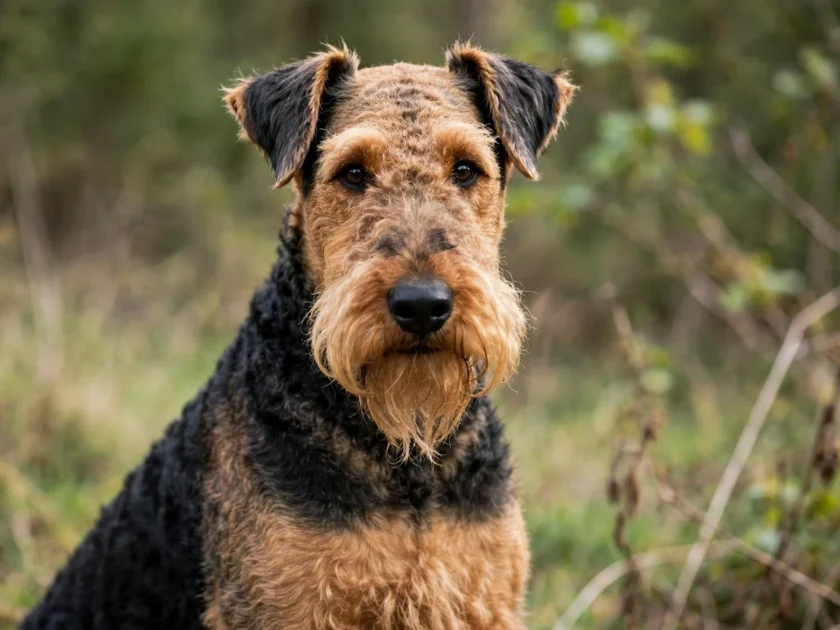
The Airedale Terrier is often called the King of Terriers, and the title is well earned. It is the largest of all the terrier breeds, a bold, clever and good-humoured dog that grew up along the River Aire in Yorkshire, England, where nineteenth-century working men crossed the now extinct Old English Black and Tan Terrier with the Otterhound to create an all-rounder that could hunt otters and rats, guard the yard, and still settle happily by the fire at the end of a long day. Few breeds carry so much history in so much character, and few reward an active owner quite so generously.
The breed’s fame travelled far beyond Yorkshire. In the 1920s, Laddie Boy, President Warren G. Harding’s Airedale, became a White House celebrity, sitting in on cabinet meetings and receiving fan mail from across America. During the First World War, Airedales served as messenger dogs, carrying notes across ground where men and horses could not travel safely, and their courage under fire earned them lasting respect. Police forces later put the same bravery and nose to work. To learn more about the breed’s background, see the Airedale Terrier page on Wikipedia. Today most Airedales are family companions rather than working dogs, yet they still bring the same courage, humour and stubborn streak that made them famous, and they suit owners who want a dog with a mind of its own and the energy to match.
Characteristics
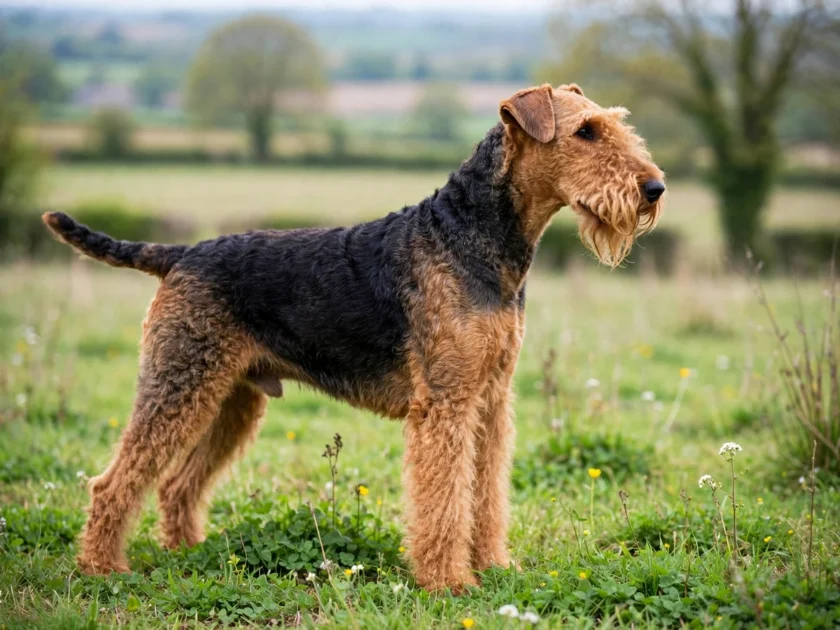
A male Airedale stands 58 to 61 centimetres at the shoulder and weighs roughly 19 to 25 kilograms, while females are a touch smaller and lighter. It is a sturdy, square-built dog with a long, flat head, dark, keen eyes and small ears that fold forward. The coat is the breed’s signature: a dense, wiry topcoat in black and tan over a softer undercoat, with a beard and moustache that give the face its thoughtful, almost human expression. The tail is carried upright, and the whole outline speaks of strength without heaviness.
Like the German Shepherd, another large working breed with a serious job to do, the Airedale was built for stamina rather than speed, and it shows in the way it moves, with a free, ground-covering stride. Airedales live for around 12 years, and a healthy adult will stay active and playful well into old age. The coat sheds very little, which appeals to tidy households, but it is not a wash-and-go coat, and owners who expect a low-maintenance dog often learn this the hard way.
Habits and Behaviour
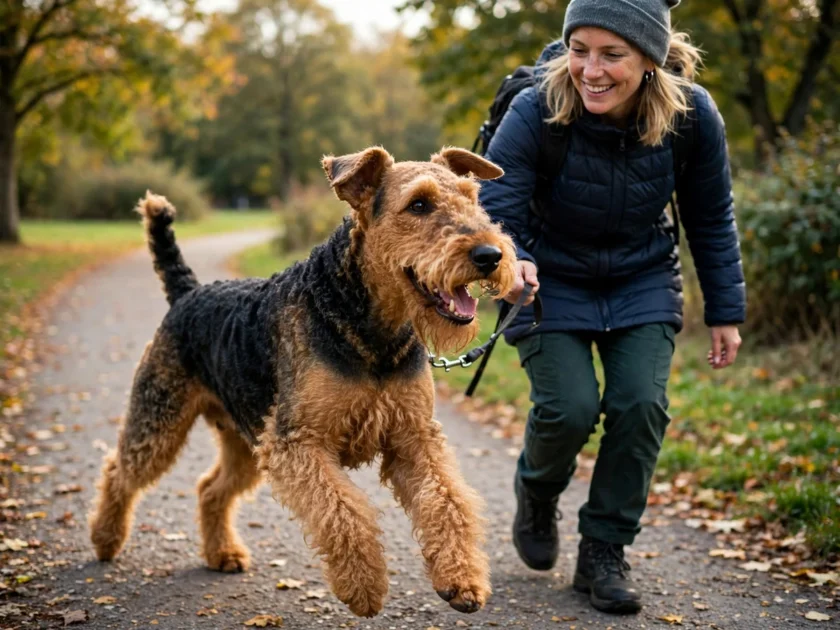
Airedales are energetic, playful and quick to learn, but they are also independent thinkers who like to test the rules. They bond deeply with their families, adore children and usually get on well with other dogs when they have been properly socialised, although their terrier instincts can make them bossy with dogs of the same sex. With strangers they tend to be polite but reserved, which makes them honest watchdogs rather than indiscriminate greeters.
This is not a dog that thrives on a short walk around the block. An Airedale needs an hour or two of exercise and play every day, along with games that use its brain, such as scent work, fetch, swimming and puzzle feeders. Without enough to do, it will invent its own entertainment, which usually involves digging in the garden, rearranging the furniture or stealing socks. A tired Airedale is a charming companion; a bored one is a demolition expert.
Common Diseases and Health Problems

Cancer is the most serious health concern in the breed, and studies of Airedale Terriers have found it to be the leading cause of death in older dogs. Owners should take any new lump, sore that will not heal, or unexplained weight loss seriously and have it checked promptly, since early detection makes a real difference to treatment options.
Hip dysplasia is the next best-known problem, affecting roughly six in every hundred Airedales. Affected dogs may show stiffness after rest, reluctance to climb stairs or a bunny-hopping gait, and the condition can lead to arthritis in later life. Skin allergies are also common, often showing up as itchy ears, red paws or recurring hot spots, and some dogs develop hypothyroidism, which can cause weight gain, a dull coat and low energy. Bloat, or gastric dilatation-volvulus, is a sudden and dangerous swelling of the stomach that needs emergency treatment, while eye conditions such as progressive retinal atrophy and cataracts can affect vision in older dogs. Umbilical hernias are occasionally seen in puppies, though small ones often cause no trouble at all.
Solutions and Prevention
The best place to start is with a breeder who screens breeding dogs for hip dysplasia and eye problems and who is open about the health of the lines. Once the puppy is home, regular veterinary check-ups, vaccinations and parasite prevention form the backbone of prevention, and keeping the dog lean matters more than most owners realise, since extra weight puts extra strain on hips that may already be vulnerable.
Feed measured meals twice a day rather than one large meal, and keep the dog calm for an hour after eating, since this lowers the risk of bloat. Choose joint-friendly exercise such as walking and swimming over repeated jumping while the dog is still growing. For allergies, work with the vet to find the trigger, whether food, pollen or fleas, rather than guessing at diets. Finally, learn what is normal for your dog: a weekly once-over for lumps, sore ears or changes in appetite will catch most problems while they are still small and treatable.
Grooming and Cleaning
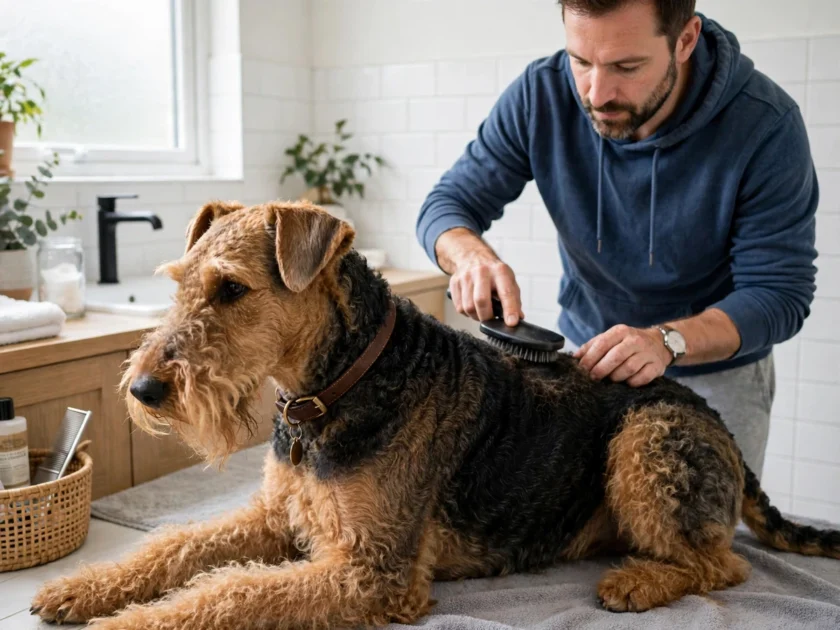
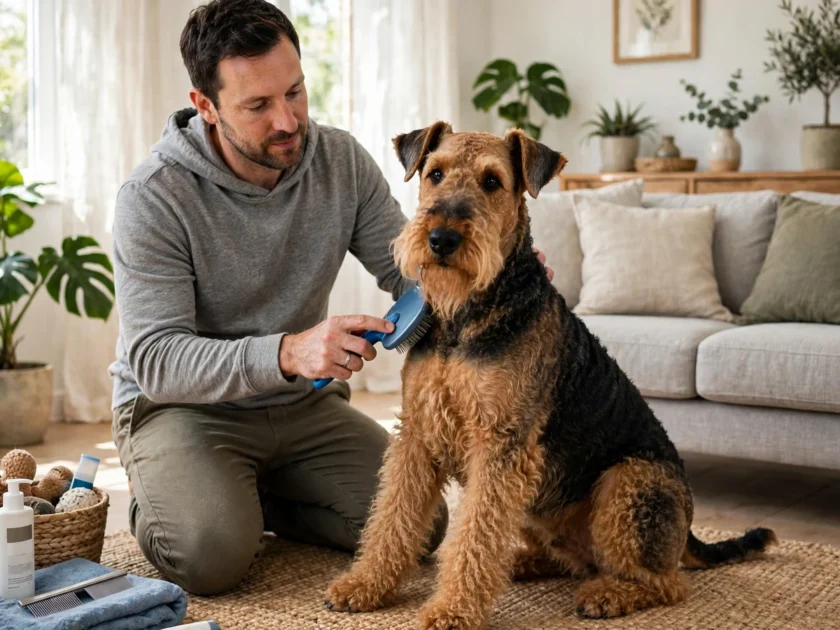
The wiry coat needs brushing two or three times a week with a slicker brush to keep it free of tangles and to remove dead hair, and the beard should be wiped after meals and drinks, since it soaks up water and food and can start to smell if it is left damp. A full bath is only needed when the dog is genuinely dirty, because too much washing strips the coat of its natural oils.
Twice or three times a year the coat benefits from hand stripping, which pulls out the dead topcoat and keeps the colour rich and the texture harsh; clipping every six to eight weeks is a simpler alternative, although it softens the coat over time. Nails should be trimmed every few weeks, ears checked weekly for redness or smell, and teeth brushed several times a week to keep gums healthy.
Living With an Airedale Terrier: Care Tips for Owners
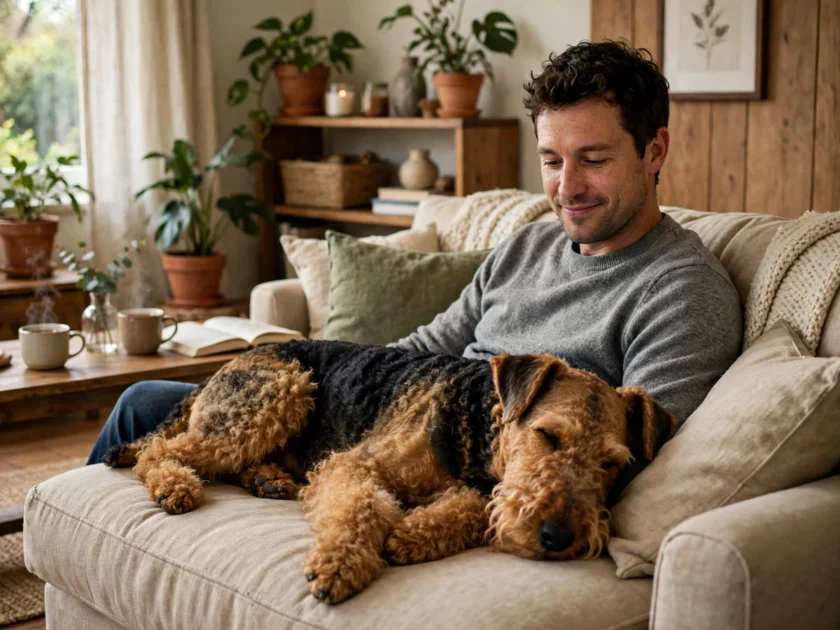
Life with an Airedale works best when the dog has a job to do, even if that job is only a long morning walk, a training session and a game of fetch in the afternoon. Keep training sessions short, upbeat and reward-based, and start socialisation early, introducing the puppy to different people, dogs and places so that its natural confidence grows into good manners rather than bossiness.
A secure, fenced garden is important, since Airedales are enthusiastic diggers and will happily explore beyond the boundary if they get the chance. They can be left alone for a few hours once they are settled adults, but they are people dogs at heart and do best in a home where someone is around for much of the day. With children, they are usually patient and playful, though their size and boisterousness mean that very small children should always be supervised. Given daily exercise, firm but kind training and a place in the family, an Airedale Terrier becomes a loyal, funny and endlessly entertaining companion.
Frequently Asked Questions
Are Airedale Terriers good family dogs?
Yes, when they are well socialised and given enough exercise, Airedales are loyal, playful and patient family dogs. They love children and usually enjoy being part of everything the family does, although their size and energy mean that play with very young children should always be supervised.
Do Airedale Terriers shed a lot?
No, Airedales shed very little compared with most breeds, which is one reason they appeal to tidy households. The wiry coat does need regular brushing and occasional stripping or clipping, so low shedding does not mean low grooming.
How much exercise does an Airedale Terrier need each day?
An adult Airedale needs around one to two hours of exercise and play each day, plus training or scent games to keep its mind busy. Puppies need less, with short play sessions and gentle walks while their joints are still developing.
Are Airedale Terriers easy to train?
Airedales are intelligent and learn quickly, but they are independent and can be stubborn, so training works best when it is short, fun and reward-based. Harsh methods backfire with this breed, while patience and consistency bring out the best in it.
How long do Airedale Terriers live?
Airedale Terriers live for around 12 years on average. Good food, a healthy weight, regular veterinary care and early attention to any health problem all help a dog reach the upper end of that range.