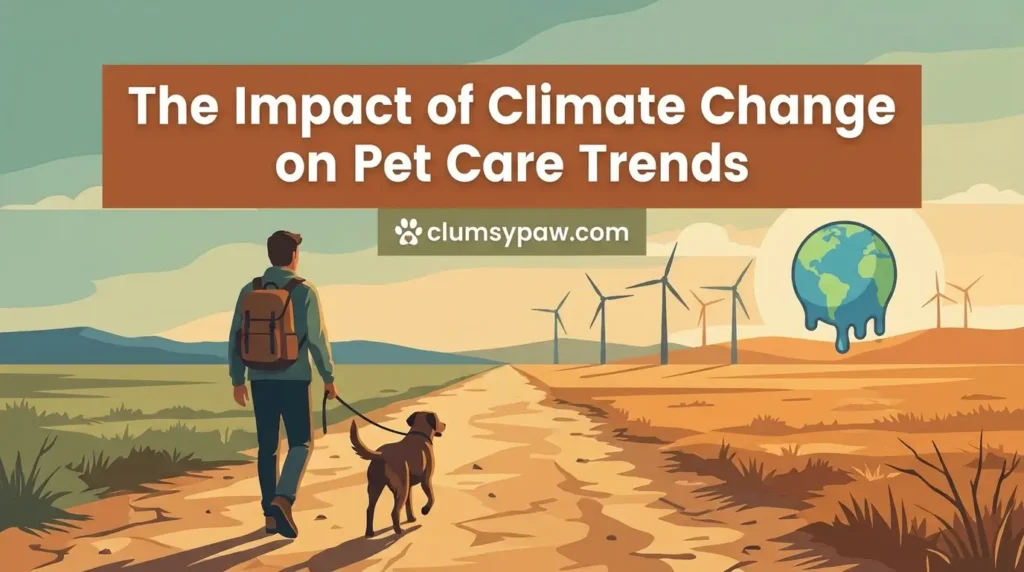

Climate Change on Pet Care Trends continues to impact ecosystems around the world, its effects reach beyond human health, safety, and livelihoods. It also influences the well-being of our pets and how we care for them. Climate change is altering the environment, leading to more frequent heatwaves, extreme weather events, and unpredictable seasons. These changes pose new challenges for pet care and pet ownership.
In this blog post, we’ll explore how climate change is shaping pet care trends. From pet health and wellness to shifts in product demands, the pet industry is adapting to the changing climate. As pet owners, it’s important to stay informed about these trends and adjust our care routines accordingly. Whether you’re a new pet parent or an experienced one, understanding these evolving trends will help you keep your pets safe and comfortable in a rapidly changing world.
1. Rising Temperatures and Heat-Resilient Pet Care
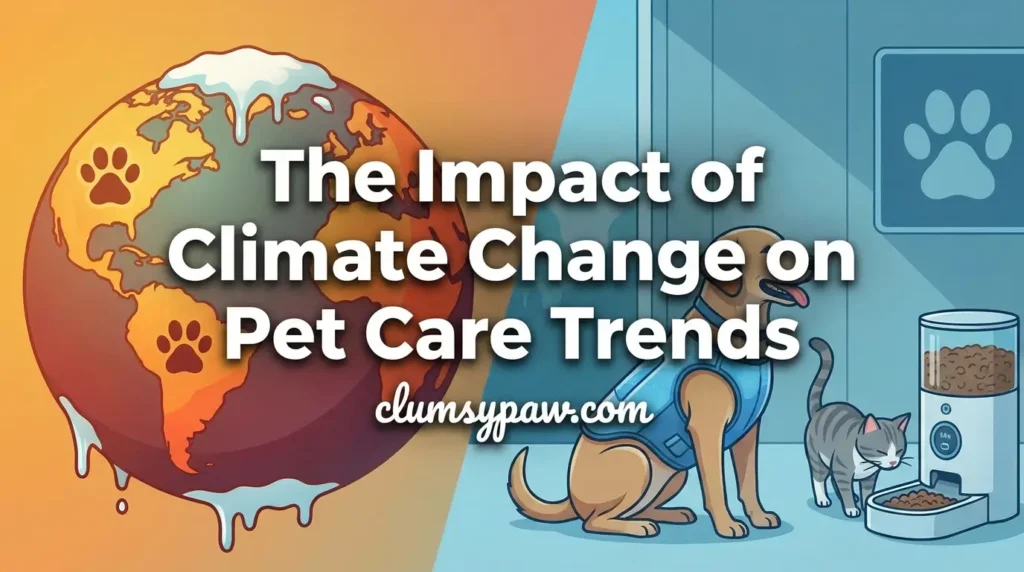
One of the most direct effects of climate change is the increase in global temperatures. Many regions are experiencing hotter summers, more intense heatwaves, and more extreme temperature fluctuations. Pets, especially those with thick fur coats, are highly sensitive to temperature changes, and rising heat levels are changing how pet owners care for their pets.
A. Increased Risk of Heat-Related Illnesses
As temperatures rise, pets are at a greater risk of heat-related illnesses such as heatstroke, dehydration, and sunburn. Dogs and cats with thick coats, brachycephalic breeds (dogs with short noses), and senior pets are particularly vulnerable to overheating.
- Heatstroke: Dogs and cats can suffer from heatstroke when exposed to high temperatures for prolonged periods. Symptoms of heatstroke include excessive panting, drooling, lethargy, and in severe cases, collapse.
- Dehydration: Hot weather can cause pets to lose water more quickly, leading to dehydration. Signs of dehydration include dry gums, lethargy, and loss of skin elasticity.
- Sunburn: Pets with light-colored fur or exposed skin are at risk of sunburn when spending time outside, especially during peak sun hours.
also check the future of pet devices.
B. Trends in Heat-Resilient Pet Products
As a result of rising temperatures, the pet care industry is witnessing a surge in heat-resilient products designed to keep pets cool and comfortable during hot weather:
- Cooling Mats and Vests: Cooling mats and vests are becoming more popular, helping pets regulate their body temperature during heatwaves. These products work by absorbing and dissipating heat, providing relief for pets who struggle to stay cool.
- Water-Filled Pet Beds: Water-filled pet beds are designed to cool your pet down when they lie on them. These beds are often adjustable, allowing you to control the temperature based on your pet’s needs.
- Portable Water Bottles: Hydration is crucial during hot weather, and portable water bottles designed for pets are becoming a must-have accessory. These bottles allow pet owners to easily carry and provide fresh water for their pets during outdoor activities.
- Dog Pools: In regions with scorching summers, pet parents are increasingly investing in dog pools to give their pets a place to cool off and enjoy the water. These small, pet-friendly pools are a fun and safe way for pets to beat the heat.
C. Shade and Shelter Solutions
The need for shade and shelter during hot weather is more important than ever. Pet owners are investing in pet-friendly outdoor shelters, including:
- Pet Tents: Portable pet tents provide a shaded area for pets to rest outdoors, away from the sun’s harsh rays. These tents are lightweight and easy to set up, making them perfect for outdoor adventures or at-home use.
- Covered Patios: Many pet owners are building or purchasing shaded outdoor spaces, such as covered patios, to give their pets a comfortable and safe area to rest during the warmer months.
D. Air Conditioning and Ventilation
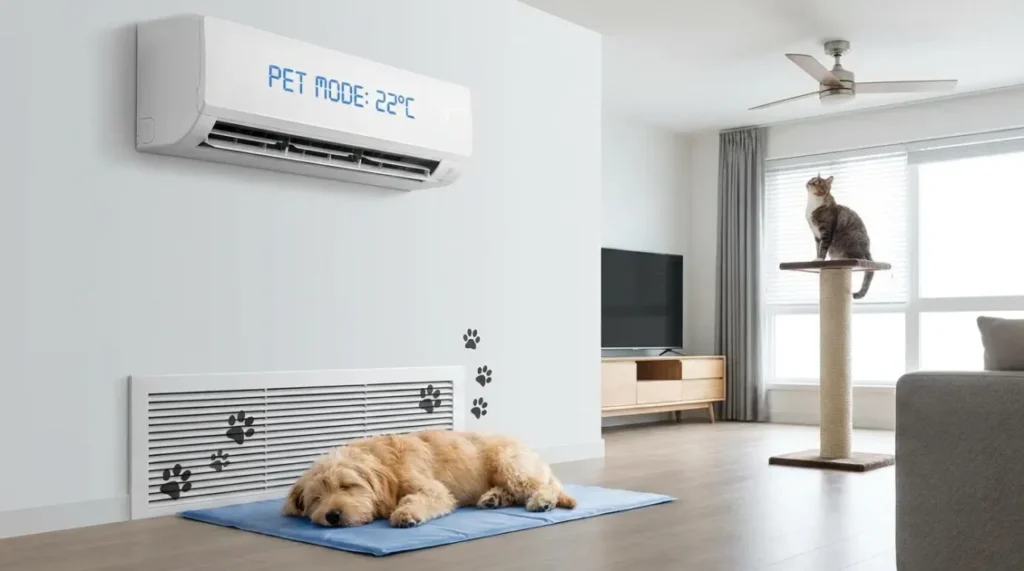
To combat the effects of rising temperatures indoors, many pet owners are investing in better cooling systems for their homes. Air conditioning, fans, and proper ventilation are essential to keep pets cool, especially in regions with long, hot summers.
2. Increased Frequency of Extreme Weather Events
Climate change is leading to more frequent and intense extreme weather events, including hurricanes, floods, wildfires, and storms. These events can disrupt daily life and pose significant risks to both human and animal safety. Pet owners need to be prepared to protect their pets from the dangers associated with these extreme events.
A. Preparing for Natural Disasters and Emergencies
One of the most important trends in pet care is disaster preparedness. Pet owners are increasingly aware of the need to have a plan in place for extreme weather events that may force them to evacuate or seek shelter.
- Emergency Kits for Pets: Pet emergency kits are a must-have for any pet owner. These kits should include essential items like food, water, medications, leashes, waste bags, and important documents such as vaccination records and identification tags. Pet owners should also include comfort items, such as toys or blankets, to help calm pets during stressful situations.
- Evacuation Plans: As natural disasters become more unpredictable, pet owners are creating detailed evacuation plans that include provisions for their pets. These plans involve identifying pet-friendly shelters, transportation options, and routes to take in case of an evacuation.
B. Wildfire Smoke and Air Quality
Wildfires, exacerbated by climate change, have become more common in certain regions, leading to hazardous air quality that can negatively affect pets. Animals with respiratory issues, such as brachycephalic breeds or older pets, are particularly vulnerable to poor air quality caused by smoke.
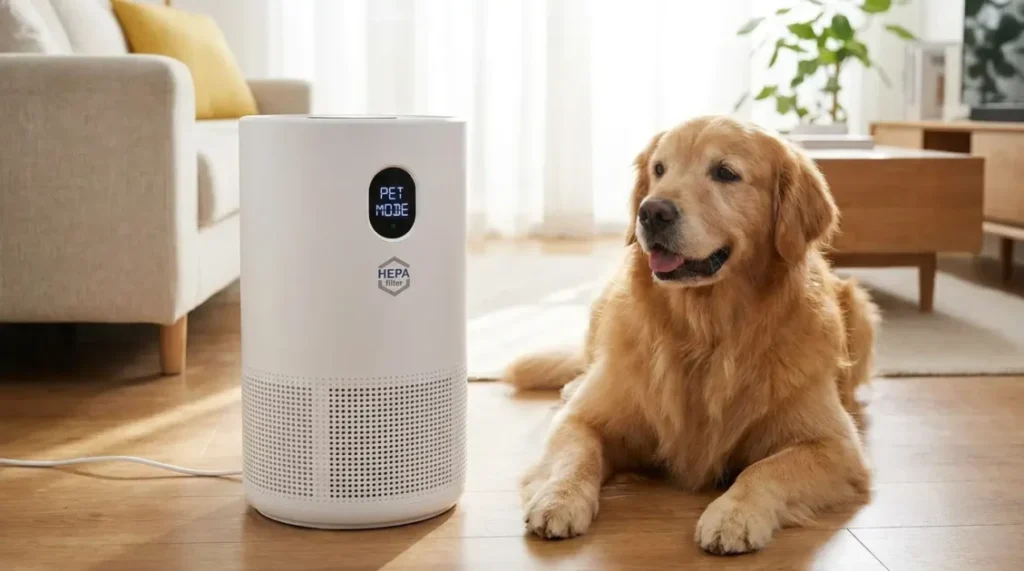
- Air Purifiers: Many pet owners are investing in high-quality air purifiers to improve indoor air quality during wildfire season. These purifiers help remove smoke particles, dust, and allergens from the air, providing a healthier environment for both pets and humans.
- Indoor Activities: When air quality is poor, pet owners are increasing indoor play and exercise time for their pets. Puzzle toys, interactive games, and indoor training activities are becoming more popular as pet owners try to keep their pets stimulated and active indoors.
3. Sustainability in Pet Products and Services
As climate change continues to influence consumer behavior, sustainability is becoming a key focus in the pet care industry. Pet owners are increasingly choosing eco-friendly products and services that minimize their environmental impact.
A. Sustainable Pet Food Options
Pet food production is a significant contributor to environmental degradation due to the resource-intensive nature of livestock farming. As a result, many pet owners are turning to more sustainable pet food options that prioritize plant-based ingredients or alternative proteins.
- Plant-Based Pet Food: More pet food brands are offering plant-based formulas that use sustainable ingredients like peas, lentils, and quinoa. These foods have a lower environmental impact than traditional meat-based pet foods.
- Insect-Based Protein: Insect protein is emerging as a highly sustainable alternative to traditional animal protein. Insects require far less water and land to produce, and they have a much lower carbon footprint. Some pet food brands are incorporating insect protein into their offerings.
- Eco-Friendly Packaging: As part of the move toward sustainability, pet food companies are shifting toward recyclable or biodegradable packaging to reduce plastic waste. These packaging alternatives help minimize the environmental impact of pet food production.
B. Eco-Friendly Pet Products
In addition to sustainable food options, pet owners are becoming more mindful of the environmental impact of pet products. From toys to grooming supplies, many pet parents are opting for eco-friendly alternatives.
- Biodegradable Poop Bags: Traditional plastic poop bags are a significant source of waste. Biodegradable bags made from plant-based materials are becoming more popular as an environmentally friendly option for pet waste disposal.
- Natural and Organic Grooming Products: Many pet grooming products, such as shampoos and conditioners, now feature natural and organic ingredients that are safer for both pets and the environment. These products are free from harmful chemicals and are often packaged in eco-friendly containers.
- Sustainable Pet Toys: Pet toys made from recycled materials or biodegradable fabrics are gaining popularity. These toys are designed to be durable, safe, and environmentally friendly, reducing the waste associated with traditional plastic toys.
C. Green Pet Services
As sustainability becomes a priority for pet owners, eco-friendly pet services are on the rise. Many pet care providers are adopting sustainable practices to minimize their environmental impact.
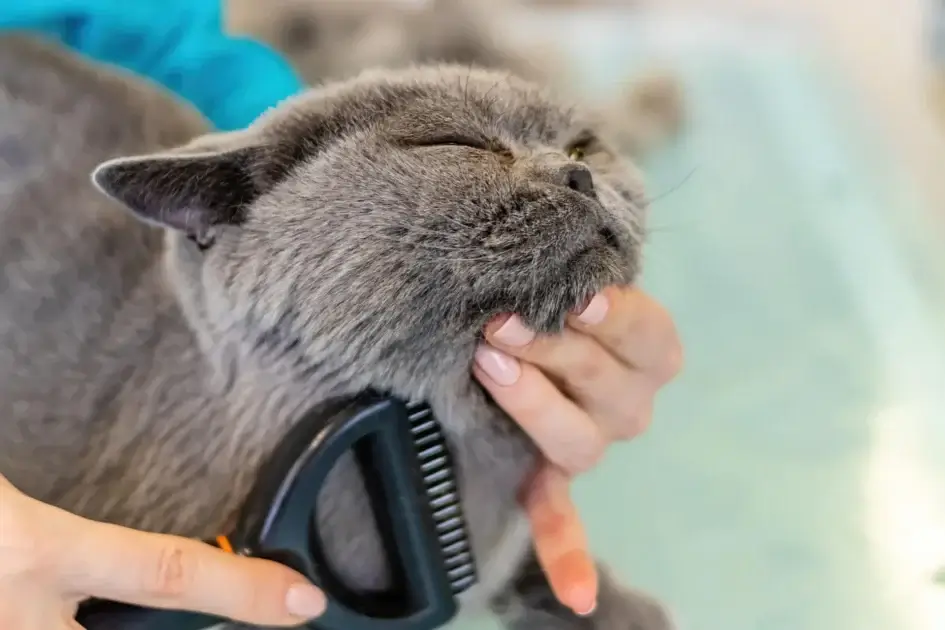
- Pet Grooming Services with Eco-Friendly Products: More pet grooming salons are using natural, eco-friendly products for their services. These salons focus on reducing waste, using energy-efficient equipment, and offering eco-conscious options for pet care.
- Sustainable Pet Boarding: Eco-friendly pet boarding facilities are becoming more common, offering sustainable amenities such as solar power, organic food options, and green cleaning practices.
4. Pet Wellness and Health Trends
The changing climate not only affects the environment but also has direct implications for pet health. As extreme weather events become more frequent, the health risks to pets are evolving, prompting a shift toward preventive care and wellness-focused pet products.
A. Increased Focus on Preventive Health
With the growing recognition of climate-related health risks, more pet owners are focusing on preventive health measures to ensure their pets remain healthy despite the changing environment.
- Vaccinations and Health Checkups: Regular veterinary checkups, vaccinations, and parasite prevention are essential for maintaining pet health, especially in regions with extreme weather events that can increase the spread of diseases.
- Allergy Management: As climate change affects air quality and pollen levels, pets are experiencing more environmental allergies. Pet owners are turning to natural remedies, allergy medications, and specialized foods to help manage symptoms and reduce discomfort.
B. Stress-Relief Products for Pets
Extreme weather events and environmental changes can increase stress levels in pets, especially those with anxiety. As a result, pet owners are turning to stress-relief products to help their pets cope.
- Calming Products: Products like calming collars, anxiety wraps, and pheromone diffusers are becoming more popular to help pets manage stress during heatwaves, storms, or when there are changes in the environment.
- Interactive Toys: To reduce boredom and stress, many pet owners are investing in interactive toys that engage their pets in stimulating activities, helping to keep them mentally active and emotionally balanced.
5. The Role of Pet Care Providers in Adapting to Climate Change
As climate change continues to affect the pet care industry, pet care providers such as veterinarians, groomers, and boarding facilities are adapting to meet new demands. Here’s how they are adjusting their practices:
A. Veterinary Care Adaptations
Veterinarians are playing an important role in helping pet owners address the challenges posed by climate change. They are offering:
- Climate-Related Health Advice: Veterinarians are educating pet owners about the potential health risks of extreme weather, such as heatstroke, dehydration, and respiratory issues caused by poor air quality.
- New Vaccines and Treatments: As climate change affects the spread of certain diseases, veterinarians are working to develop new vaccines and treatments to protect pets from emerging health threats.
B. Pet Grooming and Boarding Facility Innovations
Pet grooming and boarding facilities are incorporating sustainable practices and offering services that help pets cope with the effects of climate change:
- Energy-Efficient Facilities: Many pet care providers are transitioning to energy-efficient systems, such as solar power, to reduce their environmental footprint.
- Natural and Eco-Friendly Products: Grooming facilities are increasingly using organic, natural products that are safe for pets and the environment.
Conclusion
As climate change continues to shape our world, it is also influencing the way we care for our pets. From heat-resilient products to sustainable food options, the pet care industry is adapting to meet the challenges posed by a changing environment. By staying informed about these emerging trends, pet owners can make better decisions to ensure their pets’ health, comfort, and safety.