

As the world around us continues to evolve, so does the experience of pet ownership. Once considered a simple responsibility, owning a pet in 2025 requires much more than the basics of feeding, sheltering, and grooming. Today’s pets are treated like family, and with this growing responsibility, pet ownership has become more expensive than ever.
Whether you’re a long-time pet owner or considering adopting a new pet, it’s essential to understand the factors contributing to the rising costs of pet care. From medical expenses and premium pet foods to pet insurance and pet tech, the costs are steadily climbing. In this post, we’ll break down the main reasons why pet ownership is becoming more expensive in 2025, and how pet owners can navigate this changing landscape.
Why Pet Ownership is Becoming More Expensive in 2026
read about why pet ownership is becoming more expensive in 2026 below:
1. The Rising Cost of Veterinary Care
One of the most significant contributors to the increasing cost of pet ownership is the rising cost of veterinary care. Veterinary services have become more sophisticated and specialized, with new treatments, technologies, and procedures available to help pets live longer, healthier lives. However, these advancements come at a price.

A. Advanced Medical Treatments
Advances in veterinary medicine have led to better care for pets, but these treatments can be costly. From cancer treatments to advanced surgeries and diagnostic tests, pets now have access to a broader range of medical services than ever before.
- Specialized Care: Veterinary specialists, such as cardiologists, oncologists, and dermatologists, are becoming more prevalent in veterinary practices, but consultations with specialists can cost hundreds of dollars per visit.
- Surgical Procedures: Advanced surgeries for pets, such as orthopedic surgeries or cancer-related treatments, often run into the thousands of dollars.
- Diagnostic Testing: Modern diagnostic tests, including MRIs, CT scans, blood work, and ultrasounds, are much more precise and can help identify health issues earlier, but these tests can also increase costs.
B. Pet Medications and Long-Term Care
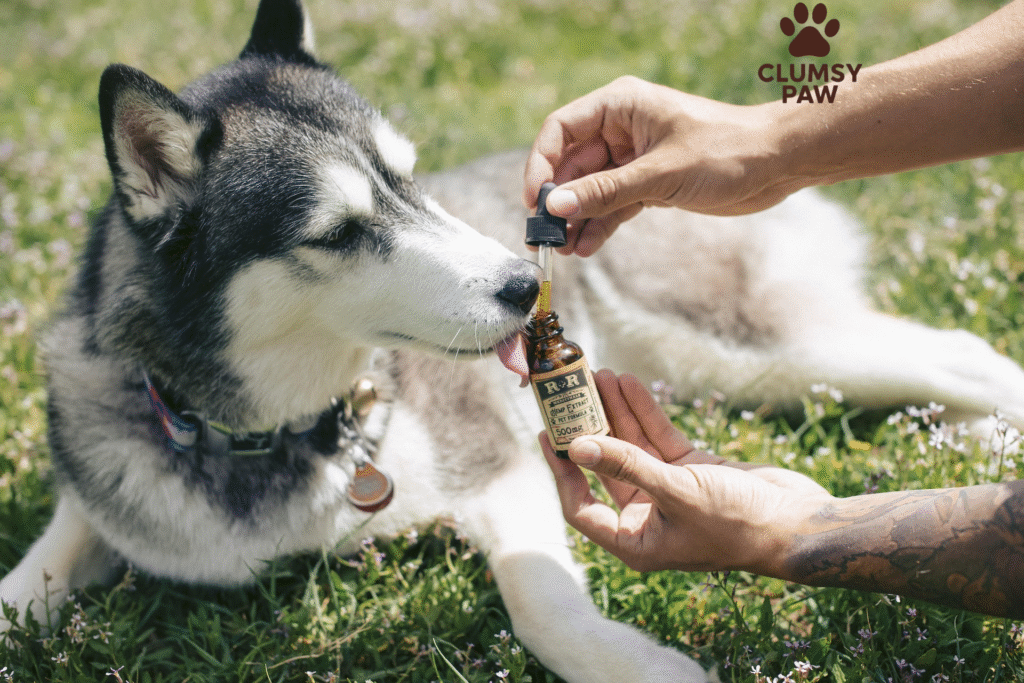
As pets live longer due to improved medical care, they often require long-term medication and monitoring, leading to ongoing costs. Chronic conditions such as arthritis, diabetes, and heart disease are becoming more common in aging pets, and managing these conditions requires regular visits to the vet, prescription medications, and sometimes specialized treatments.
- Medication Costs: Long-term medications for conditions like arthritis, allergies, and diabetes can add up over time. Some medications can be quite expensive, especially when they are needed for the pet’s entire life.
- Regular Check-Ups: As pets age, they may need more frequent vet visits to monitor conditions or ensure they remain healthy. Regular check-ups, including blood tests and preventive care, can add hundreds of dollars per year to your pet care budget.
also read cat grooming 101 tips.
2. Premium Pet Food and Specialty Diets
The pet food market has evolved dramatically in the past decade. Pet owners are increasingly opting for higher-quality, specialized foods that offer health benefits and cater to specific dietary needs. These premium pet foods, though beneficial, come with a higher price tag.
A. Organic, Natural, and Grain-Free Pet Foods
Many pet owners are choosing organic, natural, and grain-free pet food options, believing that these products are healthier for their pets. These foods are made from higher-quality ingredients, such as real meat, organic vegetables, and whole grains, which contribute to their higher cost.
- Organic Ingredients: Organic pet food is made with ingredients that are grown without synthetic pesticides, fertilizers, or GMOs. Organic food can cost significantly more than conventional pet food, especially when it’s made with premium ingredients.
- Grain-Free Options: Grain-free pet food is often chosen for pets with food sensitivities or allergies, but it’s typically more expensive due to the use of alternative ingredients like sweet potatoes, peas, and chickpeas.
- Holistic and Functional Foods: Pet foods formulated to address specific health concerns—like joint support, digestive health, or skin conditions—are in high demand. These foods often contain added vitamins, minerals, and supplements, driving up the price.

B. Portion Control and Pet Meal Plans
Some pet owners are now turning to subscription services that deliver pre-portioned meals tailored to their pet’s size, breed, and health needs. While these services provide convenience and ensure pets are eating the right amounts of food, they can be more expensive than traditional pet food.
- Custom Meal Plans: Subscription services that provide tailored pet meals based on your pet’s age, size, and dietary needs are growing in popularity. While these services often provide higher-quality food, they come with a monthly fee that can add up quickly.
- Pre-Portioned Meals: Pre-portioned meals that ensure pets receive the exact amount of food they need for each meal are convenient, but they often cost more than buying pet food in bulk.
3. Pet Insurance Costs
As veterinary care becomes more advanced, pet insurance is becoming an essential part of pet ownership for many pet parents. Pet insurance can help offset the costs of emergency care, surgeries, and chronic conditions, but the premiums are rising.
A. Increased Premiums and Coverage Options
Pet insurance premiums have steadily increased due to the rising cost of veterinary care and the growing number of pet owners who are seeking coverage. Additionally, pet insurance companies are offering more comprehensive plans to cover a wider range of treatments, including preventive care, dental care, and alternative therapies, but this expanded coverage comes with higher costs.
- Comprehensive Plans: Plans that cover routine care (such as vaccinations and annual check-ups), as well as accidents, illnesses, and surgeries, are becoming more popular. While these plans offer more protection, they are also more expensive than basic plans.
- Age-Related Increases: Just like human health insurance, pet insurance premiums often increase as your pet ages. Older pets are more likely to develop health issues, which can lead to higher insurance costs.
B. Rising Veterinary Costs and Insurance Claims
As veterinary care becomes more expensive, insurance companies are adjusting their pricing structures to reflect these increases. This means that even if you’ve had pet insurance for years, you may see your premiums rise as the overall cost of care goes up.
- Higher Claim Payouts: Pet insurance providers are paying out more for claims related to surgeries, chronic conditions, and specialized treatments, which increases premiums across the board.
- Exclusions and Limitations: Some pet insurance plans are implementing more exclusions and limitations, particularly for pre-existing conditions or certain breed-specific health issues. This can lead to higher out-of-pocket costs for owners whose pets have chronic or hereditary conditions.
4. Pet Technology and Gadgets
The rise of pet technology is another factor contributing to the increasing cost of pet ownership. From GPS trackers and smart pet collars to pet cameras and interactive toys, technology is enhancing the pet care experience, but it comes at a price.
A. Smart Pet Devices and Wearables
Pet tech is a rapidly growing industry, and devices such as fitness trackers, smart collars, and GPS trackers are becoming more common. While these devices offer incredible benefits for pet monitoring, health tracking, and safety, they can be expensive to purchase and maintain.
- Fitness Trackers: Devices that track your pet’s activity levels, calories burned, and overall health are becoming more popular among pet owners who want to ensure their pets stay fit. These trackers often come with monthly subscription fees or additional costs for premium features.
- Smart Collars: Smart collars can provide real-time GPS tracking, activity monitoring, and health data, but they are often pricey, and some may require a subscription for full functionality.
- Pet Cameras: Pet cameras that allow you to monitor your pet remotely are great for owners with busy schedules, but the price of these devices can add up, especially if you opt for models with high-definition video and two-way communication features.
B. Automated Pet Feeders and Pet Tech Products
Automated pet feeders, interactive toys, and pet robots are also gaining popularity. These products can be a great convenience for pet owners, but they come with a high price tag.
- Automatic Feeders: These devices allow you to feed your pet on a set schedule without the need for human intervention, making them ideal for busy pet parents. However, their price can vary greatly depending on features such as portion control, app connectivity, and voice commands.
- Interactive Pet Toys: Toys that engage pets and provide mental stimulation are increasingly common. These toys often feature advanced technologies, such as sensors, cameras, and AI, which can lead to higher prices.
5. Pet Boarding and Daycare Services
As more pet owners return to work or travel, the demand for pet boarding and daycare services has skyrocketed. While these services provide peace of mind for owners, they are becoming more expensive as demand increases.
A. Luxury Pet Boarding
In 2025, luxury pet boarding facilities are becoming a growing trend. These high-end establishments offer premium services such as:
- Spa Treatments: Pet spas provide grooming services, massages, and even hydrotherapy for pets in need of relaxation.
- Cage-Free Boarding: Many luxury boarding facilities offer cage-free accommodations where pets can roam freely, socialize, and receive personalized attention.
- Specialized Care: For pets with specific health needs or behavior concerns, luxury boarding facilities offer specialized care with trained professionals.
B. Daycare Services
Pet daycare services allow owners to leave their pets in a safe and supervised environment while they’re at work. While daycare services are essential for many pet owners, the cost of daycare can vary based on location, the duration of the stay, and the services provided.
- Premium Daycare Options: Some daycare centers offer luxury options, including playtime with other dogs, private suites, and webcams so owners can monitor their pets.
- Longer Hours and Flexibility: Daycare services with extended hours or 24/7 availability are often more expensive, but they provide greater convenience for pet owners who work long hours or travel frequently.
6. Pet Travel and Accommodations
For pet owners who travel with their pets, the cost of pet-friendly accommodations, flights, and travel accessories is also on the rise. While traveling with pets can be a rewarding experience, it requires careful planning and often involves extra costs.
A. Pet-Friendly Airlines
As more people travel with their pets, airlines are adapting by offering pet-friendly options, but this can come at a high cost. Pet owners may need to pay additional fees for in-cabin pet accommodations or pet cargo services, and there may be size or weight restrictions.
- Pet Fees: Many airlines charge a fee for bringing pets on board, which can range from $50 to $200 per flight, depending on the airline and the pet’s size.
- Pet Travel Bags: The cost of high-quality, airline-approved pet carriers can also add up, especially for larger pets.
B. Pet-Friendly Hotels and Accommodations
Staying in pet-friendly hotels or resorts often involves additional charges for pets. Many hotels charge per night for pets, with some offering luxury pet amenities such as pet beds, bowls, and special services like dog walking.
- Pet-Friendly Resorts: Luxury resorts with pet accommodations can charge up to several hundred dollars for a pet stay, offering perks like pet massages, special meals, and dog-friendly activities.
- Pet Concierge Services: Some upscale hotels offer concierge services for pets, including pet sitting, dog walking, and grooming, but these services can be quite expensive.
Conclusion:
Pet ownership in 2026 comes with a host of benefits, but also a growing price tag. From rising veterinary costs and premium pet foods to the latest in pet tech and luxury boarding options, the expense of owning a pet is becoming more significant. However, the good news is that many of these costs are reflective of the improvements in pet care, the increasing demand for high-quality products, and the growing understanding of pets’ needs.
Pet owners must stay informed and proactive about the costs of pet care, balancing the desire to provide the best for their pets with budget-friendly strategies. By being mindful of the factors driving up costs and making thoughtful decisions about pet care services, pet tech, and wellness options, you can navigate the financial landscape of pet ownership without sacrificing your pet’s well-being.