
Introduction
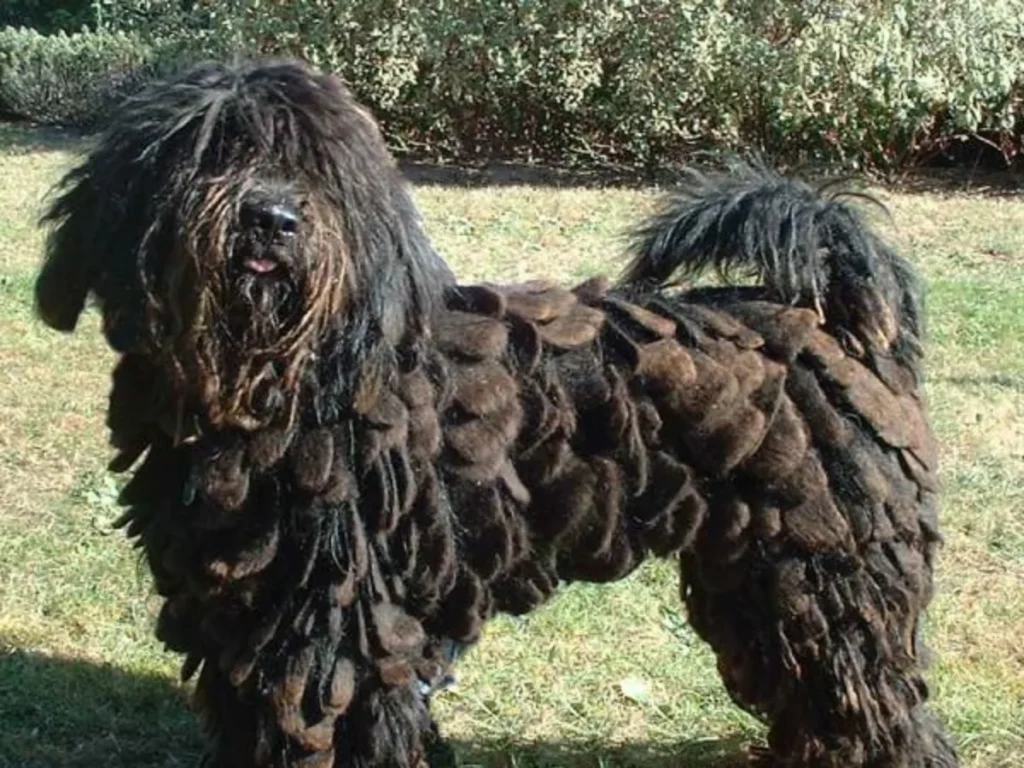
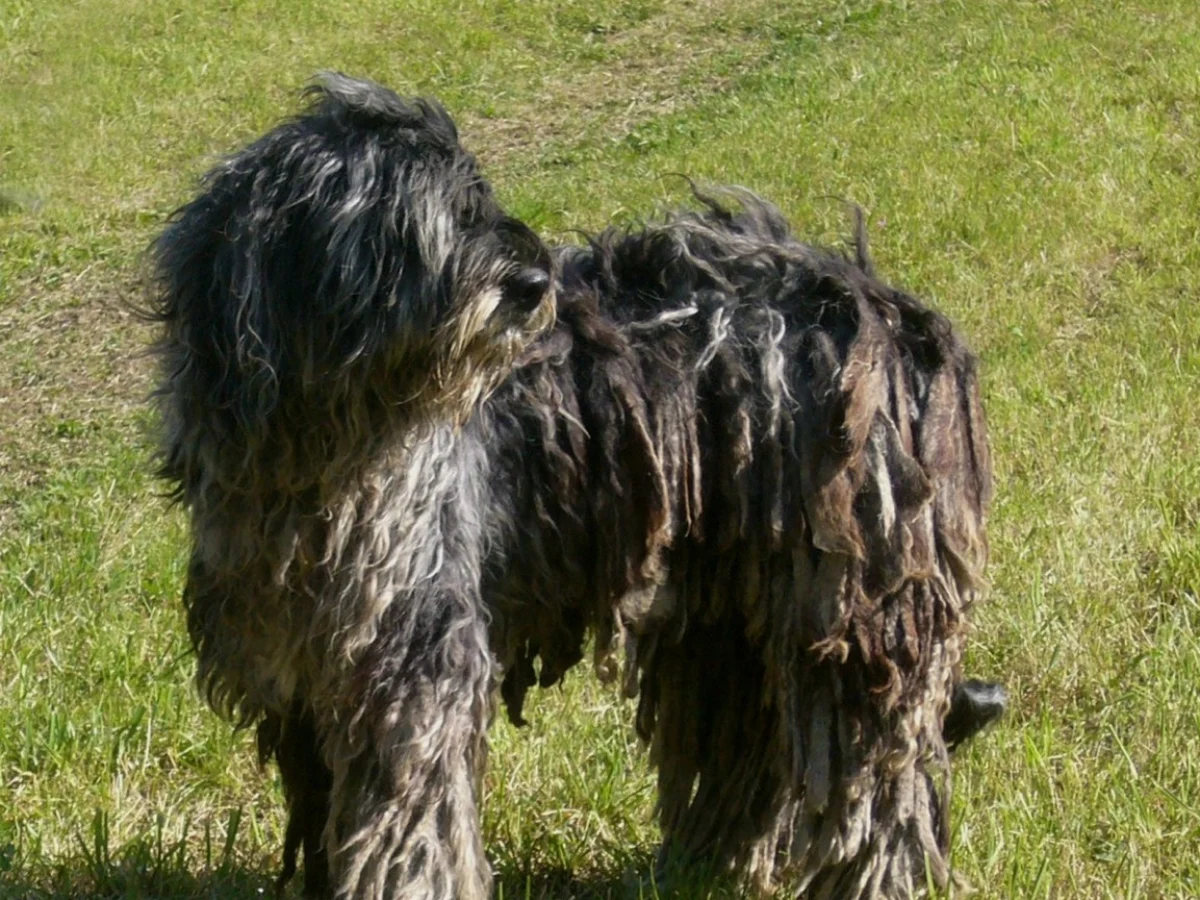
Meet the Bergamasco, one of the most unusual looking dogs in the world, and one of the oldest herding breeds of the Italian Alps. At first sight it is the coat that stops people in their tracks, because the Bergamasco wears a thick cloak of felted mats and flocks that hang down like a shepherd’s cape, but behind that remarkable coat is a calm, intelligent and deeply loyal working dog that has guarded flocks in the mountains around Bergamo for centuries. The Bergamasco Shepherd Dog Wikipedia page gives a useful overview of its history and standards. This guide explains the breed’s temperament, its health, the special care its coat needs and what daily life with a Bergamasco is really like, so that you can decide whether this ancient Italian herder belongs in your home.
Characteristics
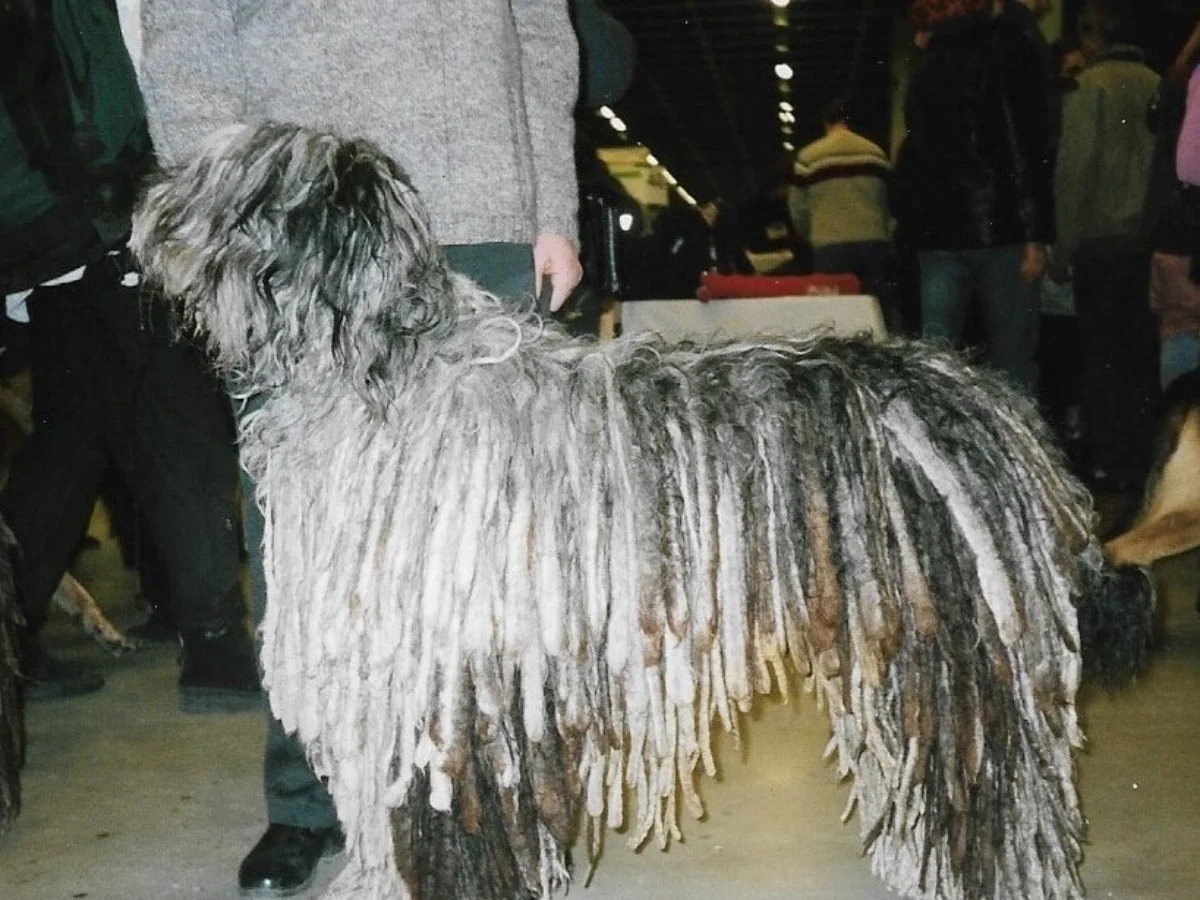
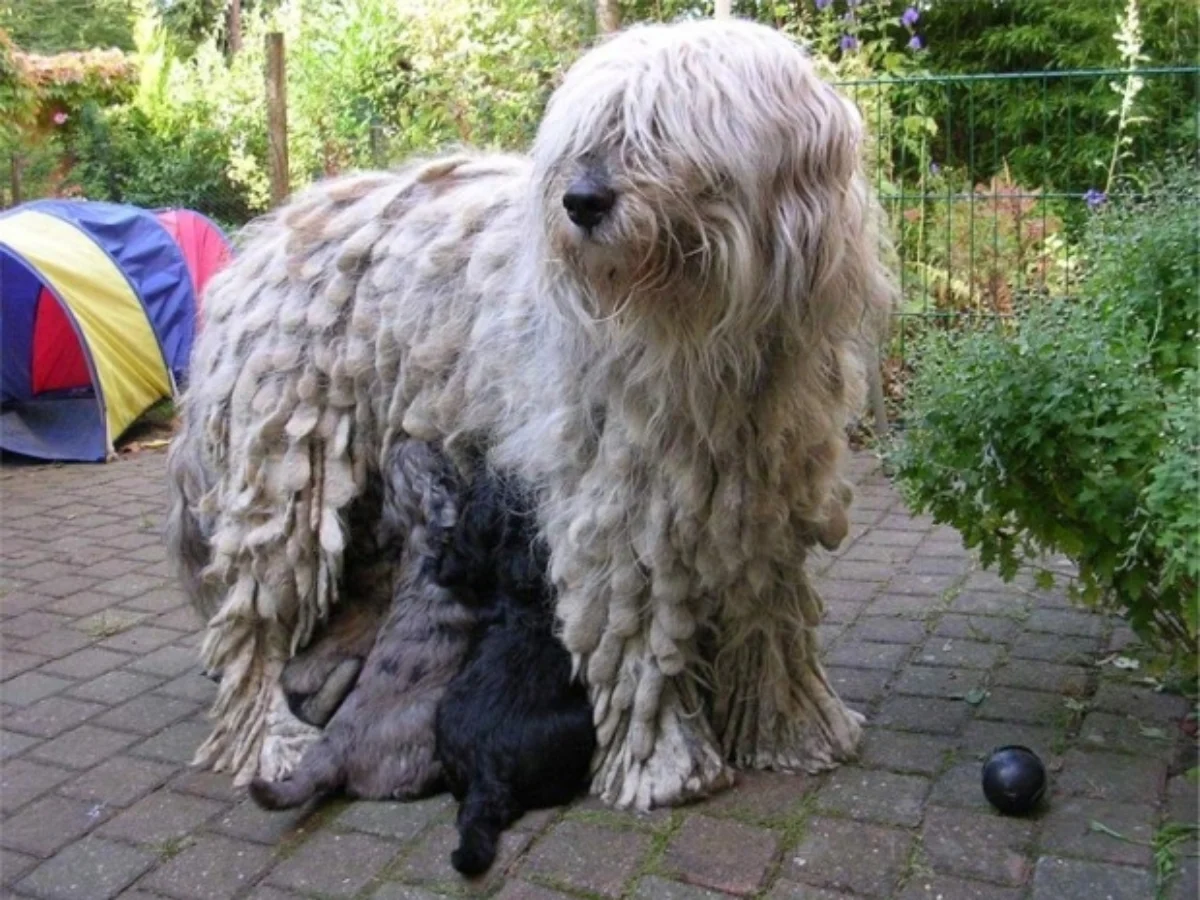
The Bergamasco is a medium to large herding dog with a strong, well balanced body built for long days on steep mountain ground. Males usually stand between fifty eight and sixty two centimetres at the shoulder and weigh between thirty two and thirty eight kilograms, while females are a little smaller at fifty four to fifty eight centimetres and twenty six to thirty two kilograms. Its head is broad with a large black nose, its ears hang close to the cheeks, and its dark eyes are partly hidden by the long hair that falls over its face. The coat is the breed’s signature and it comes in shades of grey, from pale silver to almost black, sometimes with warm isabella or fulvous tinges. The hair on the body forms into flat felted mats called flocks that can reach the ground in an adult dog, while the hair on the head and legs stays softer and shorter. Like the Belgian Tervuren, the Bergamasco was shaped by work rather than by the show ring, so its body is a tool first and an ornament second, and every part of it, from its powerful chest to its thick coat, was made for the mountains.
Habits and Behaviour
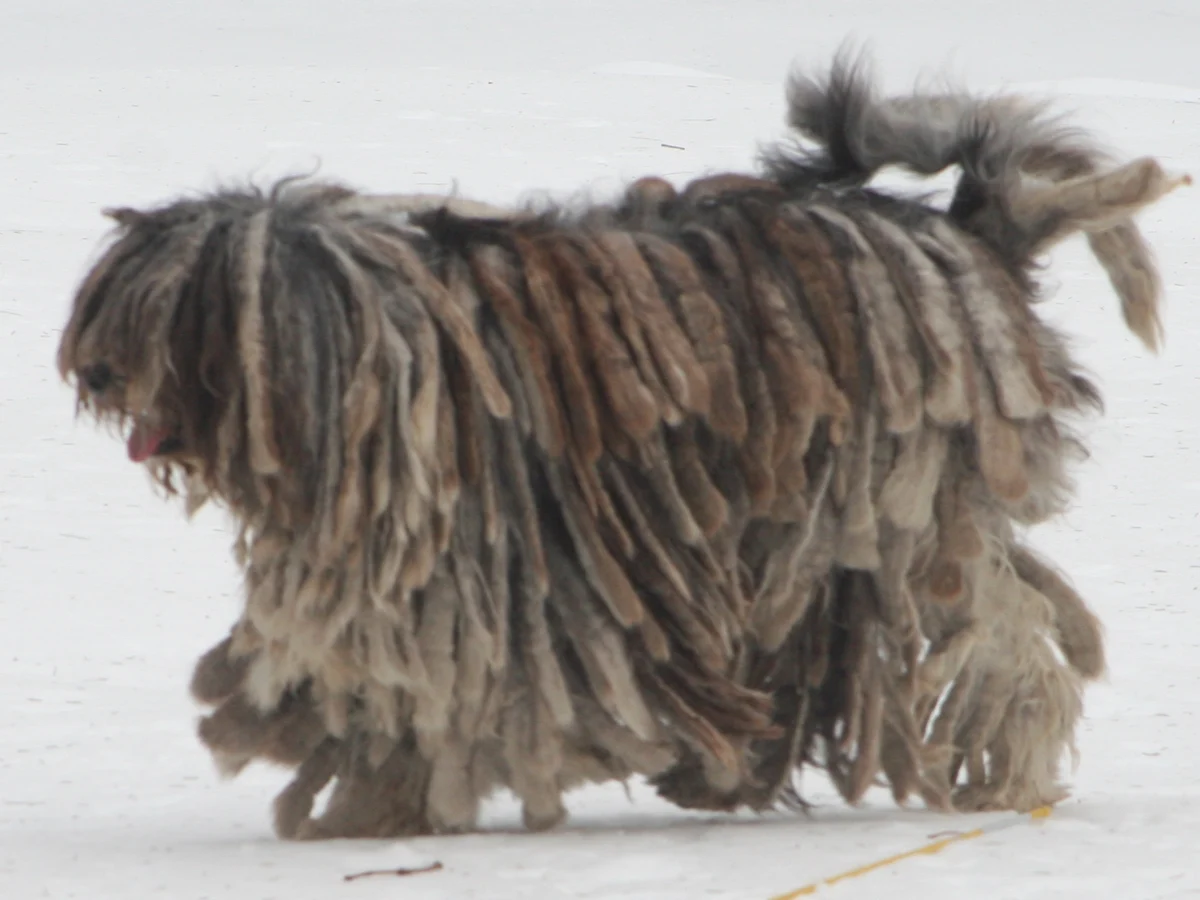
A Bergamasco is calm, watchful and deeply devoted to its family, and it carries itself with a quiet confidence that comes from centuries of working alone with flocks in the high pastures. It is intelligent and it thinks for itself, which is a gift in a herding dog and a challenge in a pet, because a Bergamasco that is bored or left without a job will make its own decisions about what needs doing. It is gentle and patient with children and it bonds closely with the people and animals it considers its flock, and it will keep a careful eye on strangers without being aggressive. It is not a noisy dog and it does not demand attention all day long, but it does want to be near its family and it can become unhappy if it is left alone for long hours. Early socialisation matters, because a puppy that meets many people, places and sounds grows into a steady adult, while a puppy kept away from the world can grow into a wary one.
Common Diseases and Health Problems
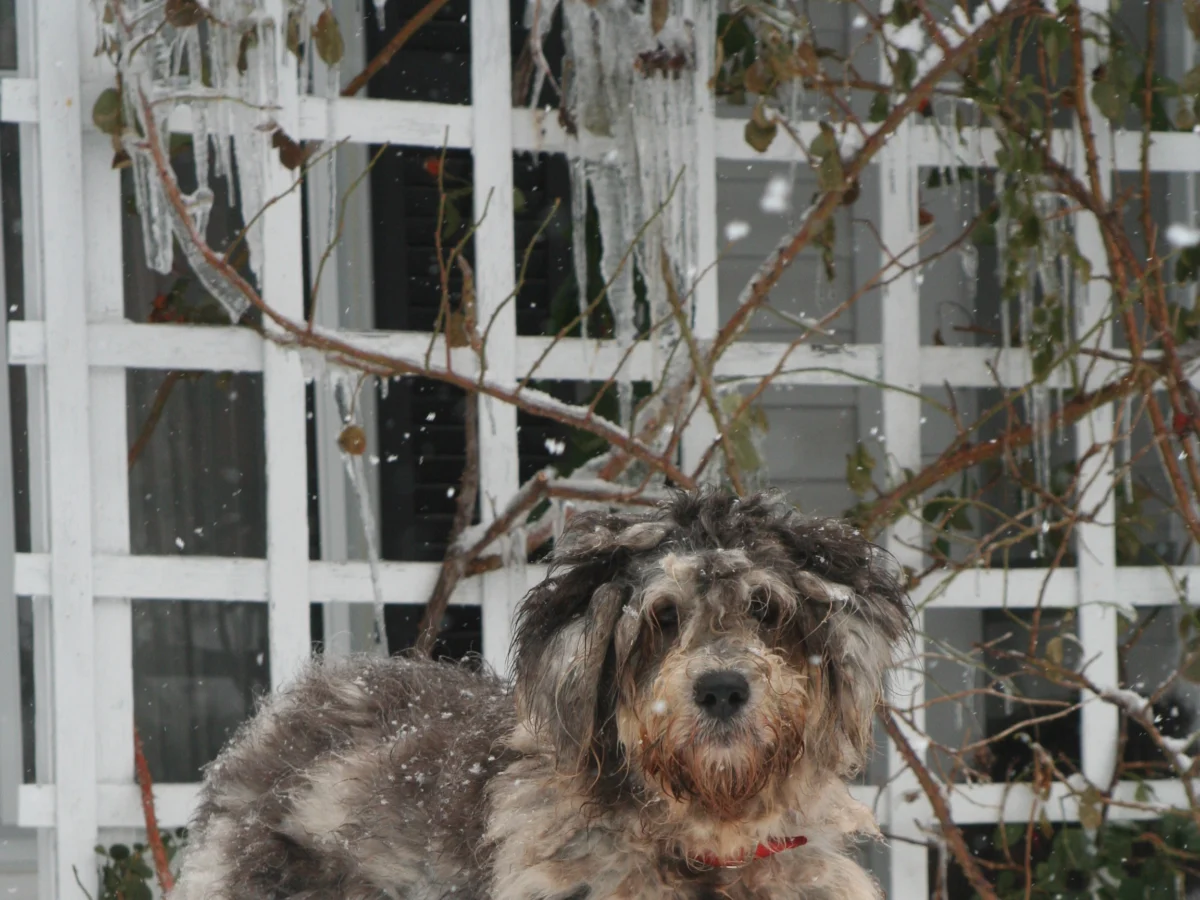
The Bergamasco is a fairly hardy breed, and compared with many other large dogs it has relatively few inherited problems, which is one of the rewards of a breed that was shaped by hard work in the mountains rather than by fashion. Hip dysplasia is the most important condition to watch for, because it can cause stiffness and pain in the hind legs as the dog grows older, and responsible breeders screen their dogs before breeding. Bloat, the sudden twisting of the stomach, is a risk in deep chested dogs like the Bergamasco, and it is a veterinary emergency that needs treatment within hours. Eye problems can also appear, including cataracts and progressive retinal atrophy, and an annual eye check helps to catch them early. The thick matted coat brings problems of its own, because skin irritation, hot spots and parasites can hide under the flocks where they are hard to see, so the skin needs regular checking even though the coat itself should not be brushed. A healthy Bergamasco usually lives for around thirteen to fifteen years.
Solutions and Prevention
The best protection for a Bergamasco starts before the puppy comes home, by choosing a breeder who health tests the parents for hip dysplasia and eye disease and who is happy to show you the results. Once the puppy is home, a steady routine of good food, sensible exercise and regular vet checks does most of the work, and keeping the dog at a healthy weight matters more than any supplement, because extra weight puts extra strain on the hips and joints. To lower the risk of bloat, feed two or three smaller meals a day instead of one large one, use a slow feeder if the dog gulps its food, and keep the dog calm for an hour before and after eating. Check the skin under the coat regularly by parting the flocks with your fingers and looking for redness, sores or anything unusual, and ask the vet to look at anything that does not clear up quickly. Keep vaccinations and parasite control up to date, and book a vet visit promptly if the dog seems dull, off its food or in pain, because early treatment is almost always simpler and cheaper than late treatment.
Grooming and Cleaning
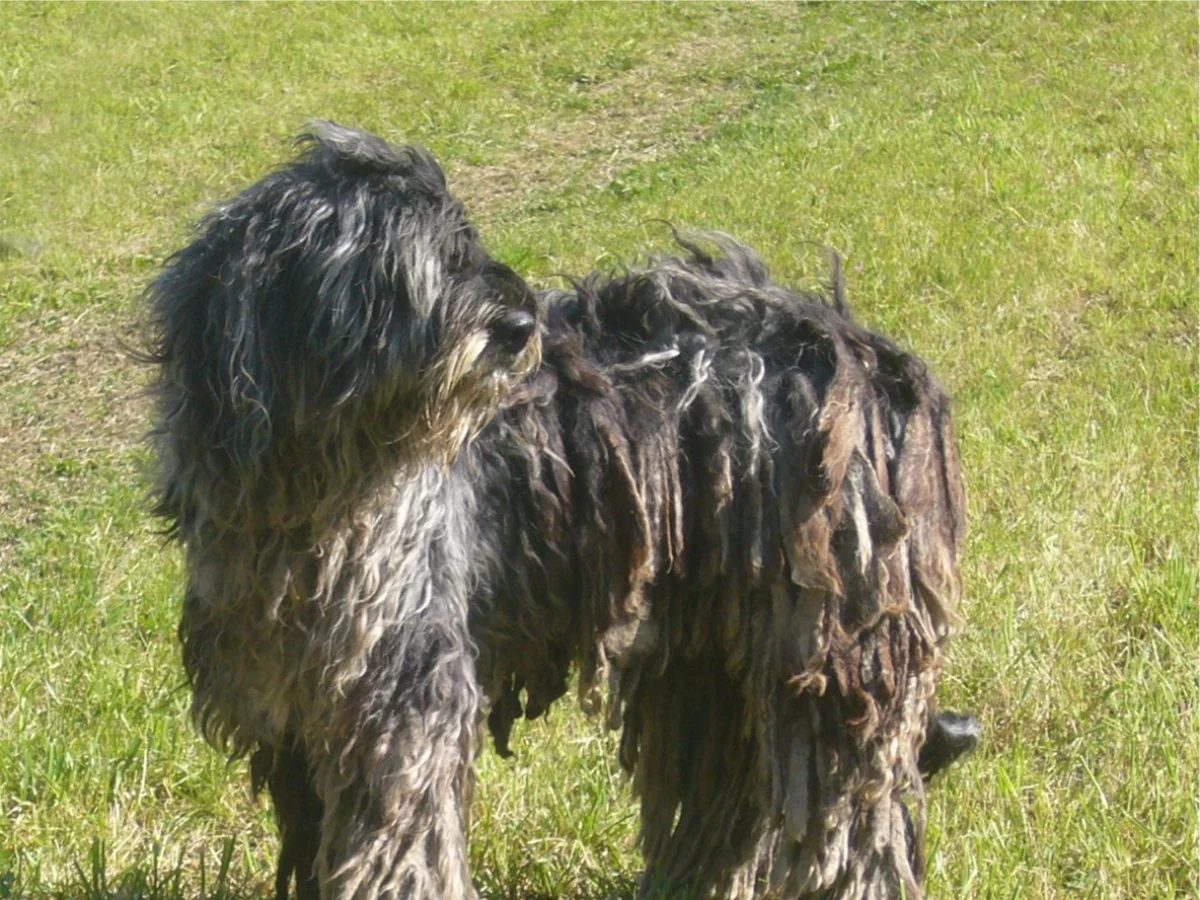
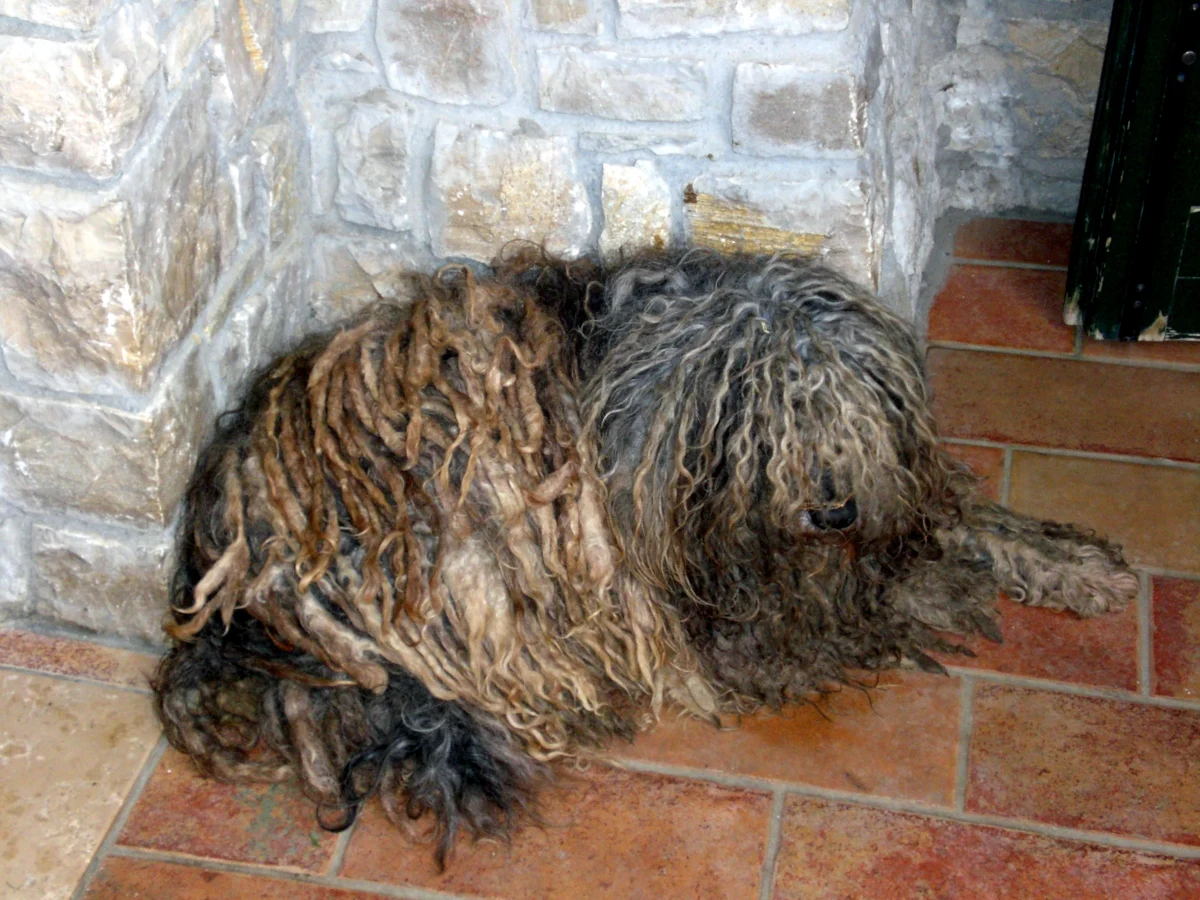
Grooming a Bergamasco is unlike grooming any other dog, and it is the part of owning the breed that surprises new owners most. The puppy is born with a soft coat, and during its first year the hair begins to mat into flat felted flocks, and those flocks must never be brushed out, because brushing destroys the coat the breed is known for. Instead the owner separates the mats by hand, pulling them apart into flocks about the width of two fingers, and this is usually done a few times a year, with a little more attention in spring when the coat is changing. Bathing is rare, because a full Bergamasco coat takes a very long time to dry and can stay damp for a day or more, so most owners bathe the dog only a few times a year and let the coat dry naturally. The good news is that the Bergamasco sheds very little, because loose hair stays trapped in the flocks instead of falling on the floor, which makes it a good choice for people who dislike dog hair around the house. The ears need a weekly check and clean, the nails need trimming every few weeks, and the teeth should be brushed regularly, and the hair around the eyes can be trimmed back if it blocks the dog’s view.
Living With a Bergamasco: Care Tips for Owners
Living well with a Bergamasco comes down to giving this calm, intelligent dog enough exercise, company and purpose, and to understanding that its coat is not a problem to be solved but a feature to be respected. Most adults need around an hour of exercise each day, including walks, play and training, and they enjoy herding, agility and scent work, but they are not hyperactive dogs and they are usually content to settle quietly in the house once their needs are met. Training should be calm, patient and reward based, because the Bergamasco is a sensitive dog that responds to praise and treats and shuts down under harsh handling, and it learns best in short, interesting sessions. Give the dog a job, even a small one, such as carrying a backpack on a walk or learning a new trick each week, because a Bergamasco with nothing to do will find its own work, and its own work is rarely what the owner had in mind. The breed suits a home with some space and a secure garden, it is usually good with children and other animals when it has been socialised, and it is happiest in a family that is home for much of the day and that enjoys the outdoors in all weathers.
Frequently Asked Questions
Is the Bergamasco a good family dog?
Yes, for a calm and patient family it can be a wonderful companion, and it is gentle, loyal and protective with the people it loves. It is not a first dog for most people, though, because its coat needs special care and it needs an owner who understands its independent nature, and a family that cannot give it time and company will find it hard work.
How much exercise does a Bergamasco need?
Most adults need around an hour of exercise and mental stimulation each day, including walks, play and training sessions. A short walk around the block is not enough for this breed, and a bored Bergamasco will find its own ways to burn energy.
Does the Bergamasco shed a lot?
No, it sheds very little, because the loose hair stays trapped in the matted flocks instead of falling on the floor. The coat does need to be separated by hand a few times a year, and the dog should be bathed only rarely because the coat takes a long time to dry.
Is the Bergamasco easy to train?
It is very intelligent and keen to learn, and it picks up new skills quickly, but it is also independent and it thinks for itself, so it needs a calm, consistent and reward based trainer. It does best with an owner who enjoys training and who can give it a job to do.
How long do Bergamascos live?
Bergamascos usually live for around thirteen to fifteen years. A healthy weight, regular vet checks, good food and plenty of exercise all help the dog to live a long and active life.