


30 Day Dog Training Challenge need Consistency of the single greatest predictor of success in dog training. Not talent, not breed, not equipment — just showing up every single day and doing a little bit of focused work. That’s the premise behind the 30-day dog training challenge, and it’s a premise that genuinely delivers results. Whether you’re starting from scratch with a brand-new puppy or trying to iron out the rough edges in an older dog’s behavior, committing to a structured daily challenge can transform the way your dog responds to you — and the way you communicate with them.
This post walks you through how to approach a 30-day challenge, what to focus on week by week, and how to set yourself up for real, lasting progress.
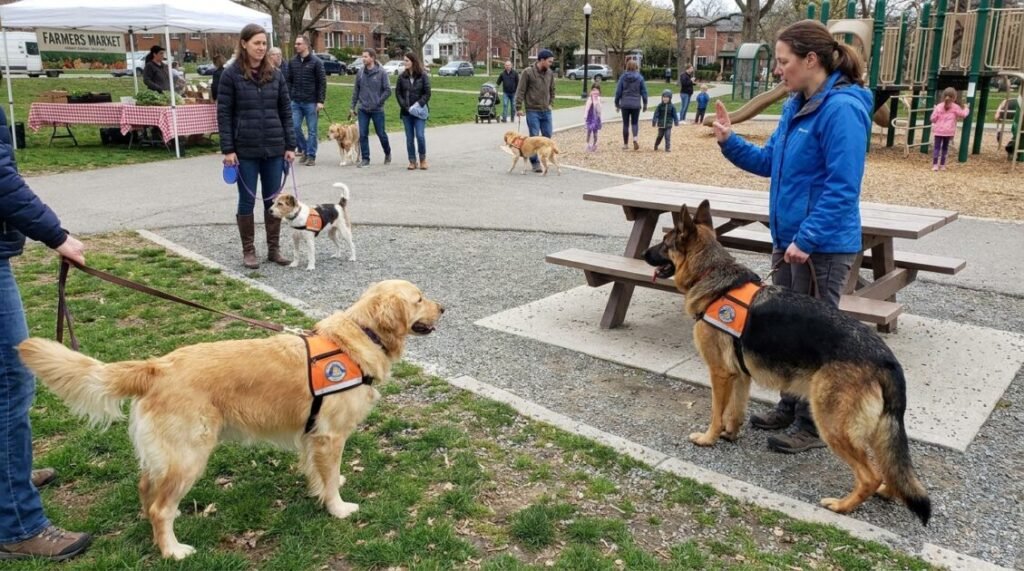
Why a 30-Day Structure Works
The challenge format also removes the decision fatigue of wondering what to work on each day. When you have a daily task waiting for you, you’re far more likely to actually do it. That’s why resources like a 30 day dog training challenge printable tracker have become so popular — having something physical to check off creates accountability and gives you a visual record of your progress. also check out 5 genius dog training ideas.

Week 1: Building the Foundation (Days 1–7)
The first week is all about fundamentals. Don’t rush past these, even if your dog already knows some basics. Revisiting foundational skills in a structured way builds fluency — the difference between a dog that can sit and a dog that reliably sits in any situation.
Day 1–2: Name recognition and attention. Practice calling your dog’s name and rewarding every time they make eye contact with you. This is the gateway skill everything else builds on.
Day 3–4: Sit. In the kitchen, in the backyard, in the hallway. Different rooms, different times of day. Thirty short repetitions across two days is worth more than one long session.
Day 5–6: Down. Lure your dog from a sit into a down position. Keep sessions to five minutes. End on a success every time.
Day 7: Rest and real-world practice. Take your dog somewhere slightly new and practice name recognition and sit in a mildly distracting environment. Note what holds and what doesn’t.
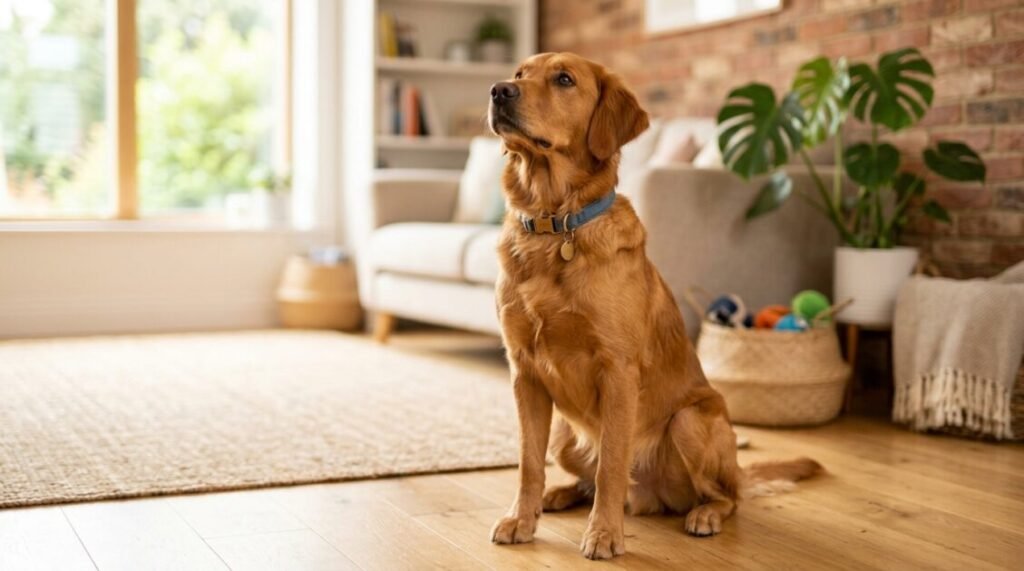
Week 2: Adding Duration, Distance, and Distraction (Days 8–14)
The three D’s of dog training — duration, distance, and distraction — are where most owners stall. Week two introduces all three gradually.
Day 8–9: Stay. Start with a one-second stay, reward, release. Build to five seconds, then ten. Never push for more than your dog can handle in a given session.
Day 10–11: Recall. Come when called is the most important behavior your dog can learn. Practice it in low-stakes environments first, always making the return to you the most rewarding thing that happens.
Day 12–13: Loose leash walking. Five minutes of deliberate practice beats twenty minutes of pulling and correcting. Reward your dog for walking beside you, not for tolerating the leash.
Day 14: Check-in day. Go back to Day 1 exercises and measure improvement. You’ll likely be surprised at how far you’ve come.
If you’re looking for a free structured program to follow alongside your own training, there are several solid options available online. The 30 day dog training challenge free resources offered by platforms like YouTube channels and dog training blogs provide daily video breakdowns that are easy to follow at home.

Week 3: Real-World Reliability (Days 15–21)
By week three, your dog should have a working knowledge of several behaviors. Now the goal is reliability — getting those behaviors to hold up when life gets messy.
Day 15–16: Practice “sit” and “down” at the front door. Door manners are where most dogs fall apart. Work on sitting before the door opens and staying calm when someone enters.
Day 17–18: Greetings. Teach your dog to sit for greetings instead of jumping. Recruit a helper if possible. Consistency matters — four paws on the floor gets attention; jumping gets none.
Day 19–20: Leave it. This one could save your dog’s life. Start with treats on the floor, build to objects, then to things your dog finds on walks. The 28 day Dog Obedience Challenge PDF available through several dog training sites dedicates significant space to impulse control for exactly this reason — it’s the skill that underpins everything.
Day 21: Take your dog to a busy public space — a pet-friendly store, a park, a parking lot. Run through your whole toolkit and see what sticks.
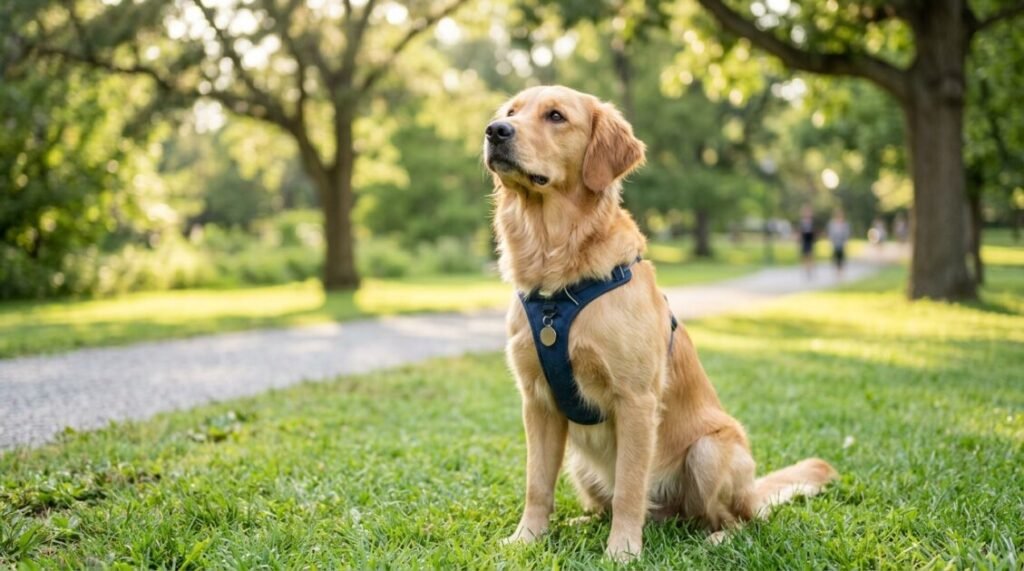
Week 4: Fine-Tuning and Building Independence (Days 22–30)
The final week is about polish and independence. You’re teaching your dog not just to respond when you cue them, but to make good choices on their own.
Day 22–24: Place or “go to your mat.” This is the ultimate management tool. A dog that will go to a designated spot on cue and stay there is a dog you can take anywhere. Programs like Pupford 30 Day Perfect Pup include this as a core behavior, and it’s easy to see why — it solves countless everyday problems at once.
Day 25–26: Off-leash recall practice in a safely fenced area. Build speed and enthusiasm into the return by making yourself the most exciting thing in the environment.
Day 27–28: Proofing. Deliberately practice behaviors in situations where your dog is likely to fail — and help them succeed anyway. Lower the criteria, increase the reward, build back up.
Day 29: Run a full review session. Sit, down, stay, come, leave it, place. Note what’s solid and what needs more work going forward.
Day 30: Celebrate. Seriously. Take stock of where you started and where you are now. Share your progress — the 30 day dog training challenge tiktok community is genuinely encouraging, and posting your before-and-after moments connects you with other owners on the same journey.

Tools, Trackers, and Free Resources Worth Knowing About
A consistent training journal or tracker makes a measurable difference in outcomes. If you prefer digital resources, searching for a 30 day dog training challenge pdf free download will turn up several well-structured options that let you plan sessions in advance and log results daily.
For those who want a comprehensive guided experience, Pupford free training resources — available through their website and app — offer video-based lessons tied to daily challenges that are beginner-friendly and science-backed. Similarly, 30 Days to Puppy Perfection review discussions across dog owner forums consistently highlight its structured pacing as one of its biggest strengths, particularly for first-time owners who aren’t sure where to start.
The One Rule That Makes All of This Work
Whatever structure you follow, one rule supersedes everything else: never end a session on a failure. If your dog can’t get something, make it easier until they succeed, reward that success, and stop there. Training should feel good — for both of you. A dog that associates training with positive outcomes is a dog that wants to work with you, and a dog that wants to work with you will learn faster than any program can account for.
Thirty days from now, you’ll have a dog with better manners, a stronger bond with you, and the confidence that comes from knowing exactly how to communicate. Start today. Day one is always the hardest, and it’s already almost behind you.