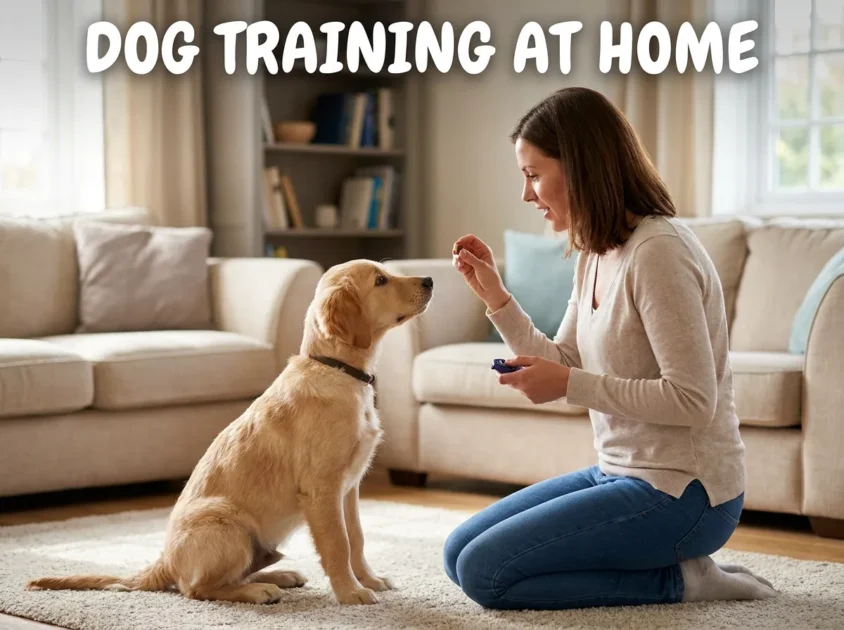

Life gets busy fast. Between work, family, and chores, finding time for long training classes feels impossible. Many of us want a well-behaved dog but struggle to fit it into our packed schedules. The good news is that you do not need hours of free time every day to train your pup. Short, consistent bursts of focus are often better than one long, exhausting session.
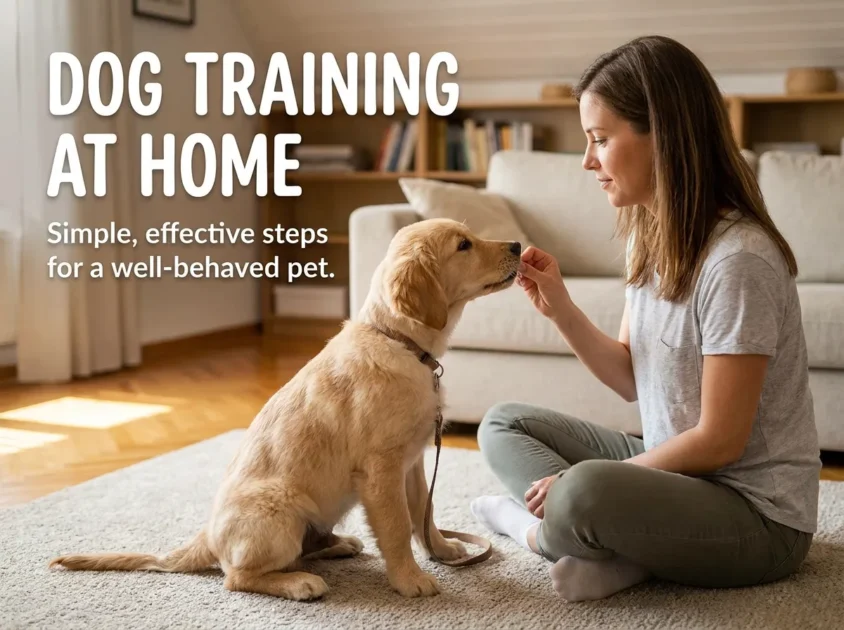
Dog Training at Home should feel like a game for both of you. It builds a strong bond and keeps your dog’s mind sharp. Whether you are teaching basic manners or trying to fix a bad habit, you can do it right in your living room. At Clumsy Paw | For Pet Lovers and Pet Enthusiasts, we believe that small, daily habits make the biggest difference in pet behavior.
Dog Training at Home
Make Training Part of Your Daily Routine
You do not need to set aside a special hour for training. Instead, mix it into things you already do. This is called life-reward training. It teaches your dog that good behavior happens all the time, not just when you have a treat bag on your hip.
Think about your morning coffee routine. While the coffee brews, you can ask your dog to sit and stay. It takes thirty seconds. Do the same while you wait for the microwave or while you are folding laundry. By turning these small pockets of time into training moments, you get plenty of practice without feeling overwhelmed.
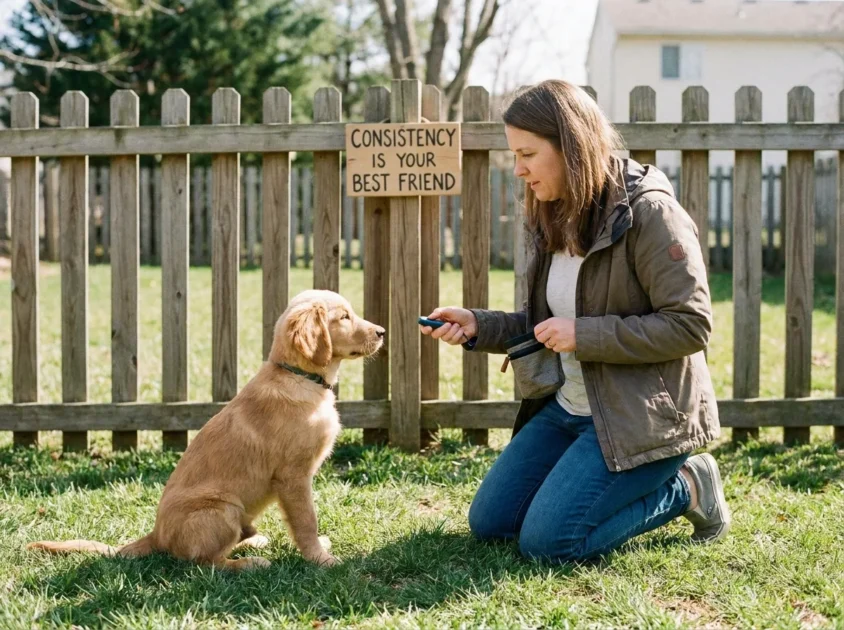
Consistency is your best friend here. If your dog knows that “sit” is required before they get their food bowl, they will start doing it automatically. Keep your commands simple. Use the same word every time so your dog does not get confused. If you change words, your dog will struggle to keep up.
The Power of Five Minute Sessions
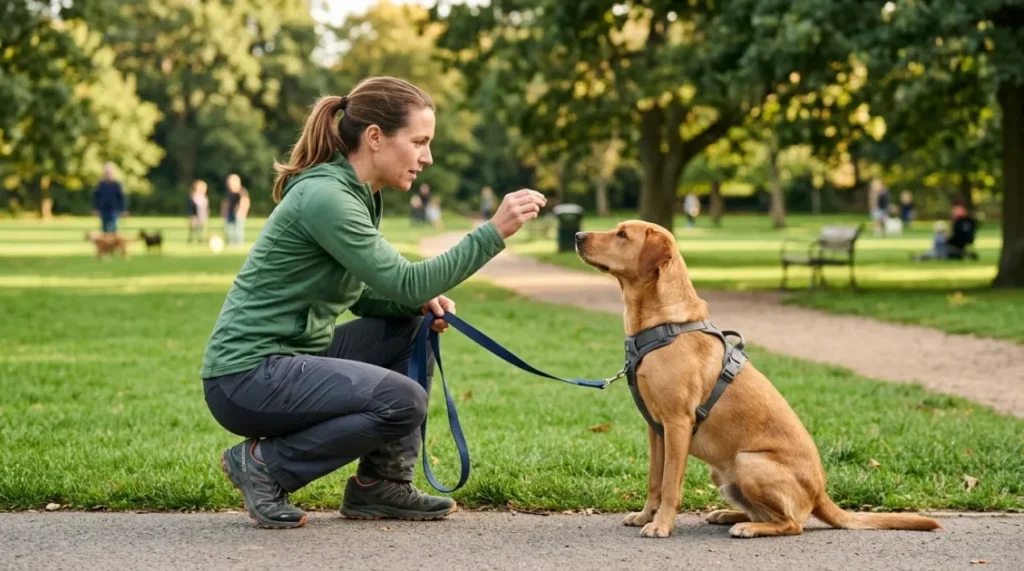
Dogs have short attention spans. If you train for too long, they get bored or frustrated. Keep your sessions under five minutes. Stop while your dog is still having fun. This makes them excited for the next time you pick up the treat bag.
You can do three of these short sessions throughout the day. Maybe one in the morning, one after work, and one before bed. This keeps the training fresh in their mind. It also prevents the stress that comes from trying to force a tired dog to learn new things.
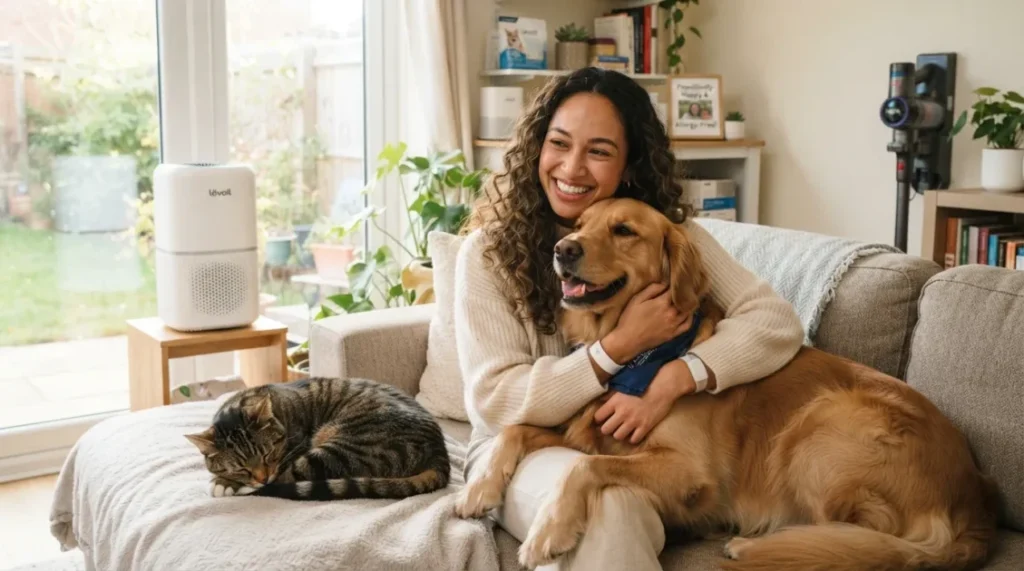
If you have other pets, remember that they need attention too. Sometimes, we get so focused on our dogs that we forget our other friends. If you have cats, you might find that keeping everyone calm is a full-time job. Check out these Cat Grooming 101 Tips for Stress Free Baths if you ever need help with your other furry family members.
Focus on One Skill at a Time
Do not try to teach your dog five new tricks at once. It leads to confusion and slow progress. Pick one goal for the week. It could be learning to walk nicely on a leash or waiting at the door instead of rushing out.
When you focus on one thing, you can reward it every single time you see it. This is how you change a habit. If you want your dog to stop jumping on guests, tell every visitor to ignore the dog until all four paws are on the floor. It is simple, but it requires everyone in your house to be on the same page.
Remember to keep your voice calm. If you feel frustrated, stop. Your dog picks up on your mood. If you are stressed, your dog will be stressed. Training should always be a happy time that you both look forward to at the end of a long day.
Tools That Make Life Easier
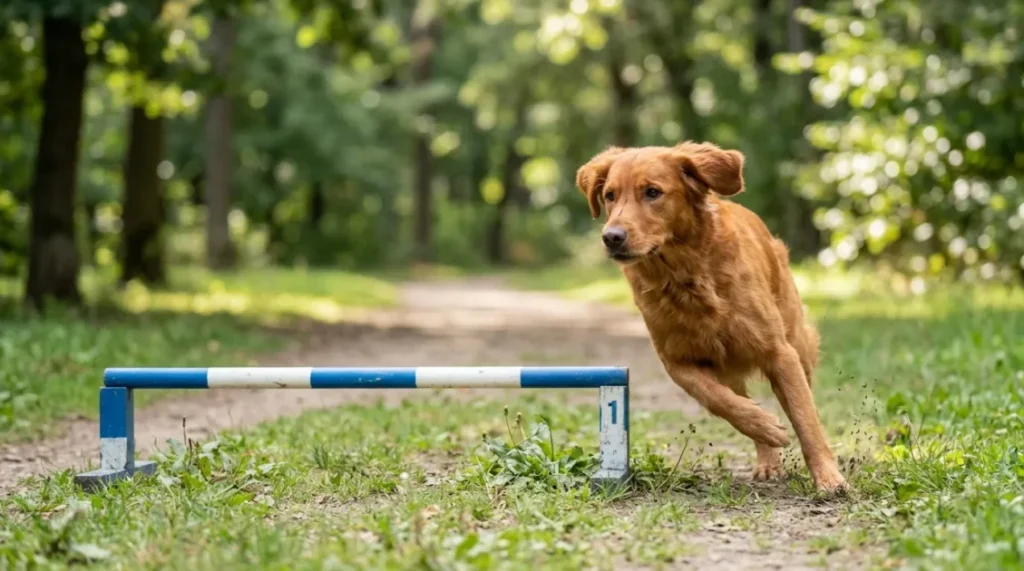
You do not need fancy equipment to train at home. A few high-value treats and a clicker or a marker word are plenty. A marker word is just a word like “yes” that you say the exact second your dog does the right thing. It tells them exactly what they did to earn the reward.
Keep a jar of treats in a few rooms of your house. This way, you are always ready to reward good behavior the moment it happens. If you see your dog lying quietly on their bed, walk over and drop a treat. You are rewarding them for being calm without them even asking for it.
Think about what motivates your dog. Some dogs love food more than anything. Others prefer a favorite toy or a quick game of tug. Use what your dog loves to get the best results. If they are not interested in the reward, they will not want to learn the trick.
Staying Consistent When Life Gets Busy
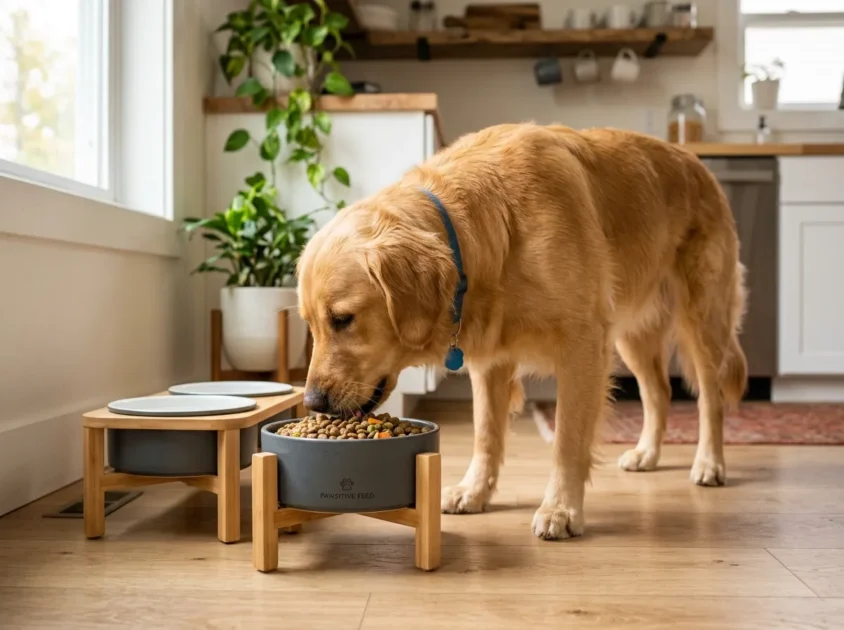
We all have days where we are too tired to do anything. That is okay. If you cannot get a formal session in, just focus on keeping the house rules in place. If your dog is not allowed on the couch, make sure that rule stays the same even when you are exhausted.
Tracking your progress can help you stay motivated. Keep a small note on your phone or a checklist on the fridge. It feels great to look back and see how much your dog has improved over the last month. You will see that even ten minutes of work a day adds up to big changes.
Be patient with yourself and your dog. Some days will be great and some will feel like you are taking two steps back. That is just how learning works. Stay kind, keep the rewards flowing, and enjoy the time you spend with your best friend.
Frequently Asked Questions
How long should a training session last for a busy owner?
Aim for sessions that are three to five minutes long. You can do this two or three times a day. Keeping it short prevents your dog from getting bored or tired.
What if my dog is too distracted to listen?
If your dog is distracted, move to a quieter room with fewer things to look at. You can also use higher-value treats, like small pieces of cooked chicken, to get their attention back on you.
Do I need to hire a trainer if I am busy?
You do not need a trainer for basic house manners, but a trainer can help if your dog has serious aggression or fear issues. For general obedience, home training is usually enough if you are consistent.
Can I train my dog while I am doing chores?
Yes, you should. Practice commands like stay or down while you do the dishes, fold laundry, or work at your desk. It teaches your dog to behave while you are busy.
Should I stop training if my dog gets it wrong?
Never punish your dog for getting it wrong. If they do not understand, go back to an easier step or end the session on a positive note with a command they already know well.