


Turning your passion for dogs into a thriving business is one of the most rewarding leaps you can make — but passion alone doesn’t pay the bills. This dog training business guide walks you through the real-world steps: getting qualified, pricing profitably, marketing effectively, and growing sustainably.
Whether you’re training friends’ dogs for free right now or ready to quit your day job, follow these five stages in order and you’ll build on solid ground instead of learning expensive lessons the hard way.
1. Getting Certified and Legal: First Steps
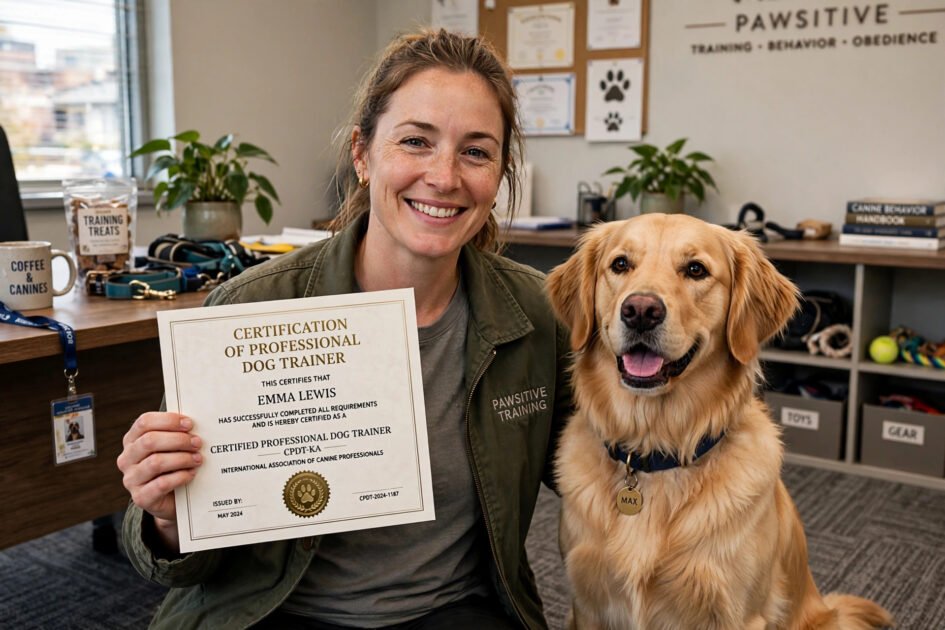
Start with education. While dog training is unregulated in most places, certification from a respected body — like the CCPDT, IAABC, or equivalent in your country — instantly sets you apart. Clients trust credentials, and the coursework makes you genuinely better.
Then handle the unglamorous legal bits: register your business, get liability insurance (non-negotiable when working with animals), and check local rules about operating from home or in public spaces. Set up a separate bank account from day one. Future-you, doing taxes, will be grateful.
2. Pricing Your Services for Profit

The biggest rookie mistake is undercharging. Calculate your real costs — insurance, travel, equipment, marketing, taxes, plus your time — then price above that with healthy margin. Research local competitors, but don’t race to the bottom; bargain pricing attracts bargain clients.
Offer tiered packages rather than single sessions: a 4-session puppy foundation course or a 6-week reactivity program. Packages improve cash flow, increase commitment, and deliver better results — which means better reviews. Raise your prices as your waitlist grows; that’s the market telling you you’re worth more.
3. Marketing That Fills Your Calendar

Your best marketing tool is already in your pocket. Short before-and-after training videos on Instagram, TikTok, and Facebook build trust faster than any ad — people need to see transformations to believe them. Post consistently, even if it’s just phone footage with good lighting.
Don’t ignore local SEO: claim your Google Business Profile, gather reviews after every successful program, and partner with vets, groomers, and pet stores for referrals. One strong vet relationship can fill your calendar for months. Paid ads work too, but nail your organic presence first.
4. Client Experience: From First Call to Raving Review

Clients don’t just buy training — they buy how you make them feel. Respond to inquiries within hours, not days. Send a warm welcome email with what to expect, what to bring, and how to prepare. Small touches like session recap notes and homework sheets make your service feel premium.
After the program ends, follow up. A two-week check-in message shows you care beyond the invoice, and it’s the perfect moment to ask for a review or testimonial. Happy clients become referral engines; one delighted puppy owner can send you five more.
5. Scaling Up: Hiring, Courses, and Passive Income

There’s a ceiling on how many sessions one trainer can deliver. To grow past it, you have options: hire and train junior trainers under your brand, launch group classes that serve many dogs at once, or create digital products like online courses and ebooks that sell while you sleep.
Scale carefully — your reputation is the asset. Document your methods in a training manual before hiring, so quality stays consistent. Whether you dream of a multi-trainer facility or a location-independent online business, build systems first and growth becomes a decision, not a gamble.
FAQs
Do I need certification to start a dog training business?
Legally, usually not — but certification dramatically boosts client trust and your actual skills. It’s one of the highest-ROI investments you can make early on.
How much should I charge for dog training?
It varies by market, but private sessions commonly range from $75–$200 per hour. Calculate your true costs first, research local rates, and sell packages rather than single sessions.
What’s the best way to get my first clients?
Offer discounted founding-client spots in exchange for video testimonials, partner with local vets and groomers, and post transformation videos on social media consistently.
Should I specialize or train all dogs?
Specializing — in puppies, reactivity, or sport dogs, for example — lets you charge premium rates and market more sharply. You can always broaden later.
When should I hire my first employee?
When you’re consistently turning clients away and your waitlist exceeds 3–4 weeks. Hire for attitude and train for skill using your documented methods.
Conclusion
Building a successful business takes the same qualities as training a great dog: patience, consistency, and clear communication. Start before you feel fully ready — momentum beats perfection every single time. Follow this dog training business guide step by step and you’ll turn your love of dogs into a livelihood that lasts.