
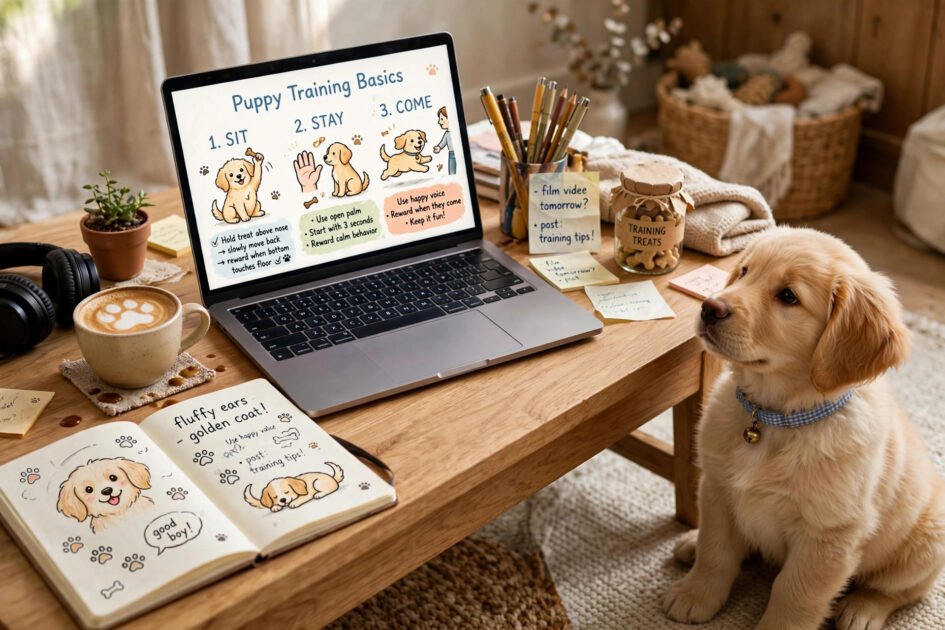

Your training advice is solid, your tips actually work, but your readers are scrolling right past. Sound familiar? Here’s what most dog bloggers miss: people don’t just read training content — they see it first. A clear dog training illustration can explain in seconds what three paragraphs struggle to say. Whether you’re breaking down a tricky command or showing the difference between a stressed dog and a relaxed one, the right illustration makes your content clearer, more memorable, and far more shareable. In this guide, you’ll find five practical illustration ideas designed specifically for dog training bloggers. No art degree required — just a willingness to make your posts look as good as they read.
1. Illustrate Commands Step by Step
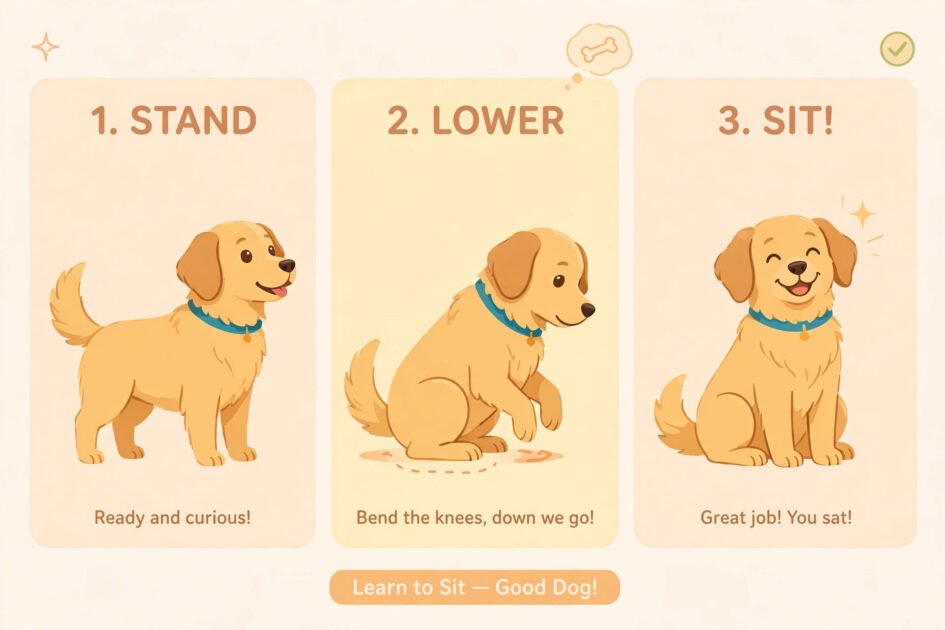
Some commands are easy to describe and hard to picture. “Lure your dog into a sit” makes perfect sense until a beginner tries it and ends up chasing their puppy around the kitchen. This is where step-by-step illustrations shine. Break each command into three or four simple frames: the starting position, the hand signal, the moment of success, and the reward. Keep each frame minimal — one dog, one action, no clutter. Readers can follow along in real time with their own dog, which makes your tutorial dramatically more useful than text alone. These panels also perform beautifully on Pinterest, where step-by-step graphics get saved and shared for months. Start with the five basics every owner searches for: sit, down, stay, come, and loose-leash walking. Once you have a template, producing new command graphics takes minutes.
2. Draw Body Language Diagrams
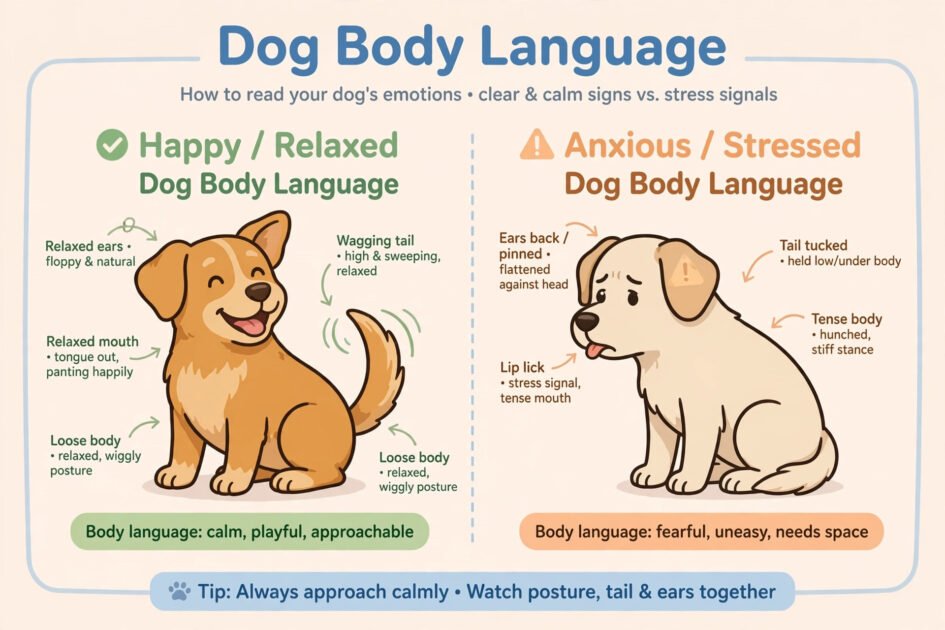
Ask ten dog owners what a tucked tail means and you’ll get ten different answers. Body language is one of the most searched dog training topics, and it’s almost impossible to teach with words alone. Labeled diagrams solve this instantly. Draw the same dog twice — once relaxed, once stressed — and label the differences: soft eyes versus whale eye, loose wag versus tucked tail, open mouth versus lip licking. These comparison diagrams become reference material your readers bookmark and return to again and again. They also position you as an authority, because clear visual teaching signals real expertise. Keep your style consistent across diagrams so readers recognize your work at a glance, and always pair each diagram with a one-sentence explanation of what the owner should actually do in that moment.
3. Create a Mascot for Your Brand

Think of the blogs you remember — most have a visual anchor, and a mascot is the strongest one. Design a simple recurring dog character that appears across your posts, social profiles, and newsletter. It doesn’t need to be complex; some of the most beloved mascots are three shapes and a smile. Give yours a signature detail, like a bandana, a training clicker, or a specific breed that matches your niche. Use the mascot in headers, as a “pro tip” callout character, and in your Pinterest pins. Over time, readers will spot your content in a crowded feed before they even read your name. That’s branding working while you sleep. Sketch five quick versions, pick the friendliest one, and commit to it for at least six months.
4. Turn Training Plans into Infographics
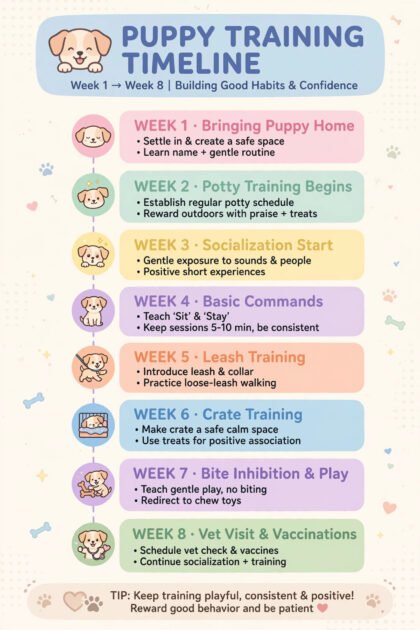
Readers love a plan they can follow, and infographics turn a boring week-by-week schedule into something people actually save. Map out common training journeys — the first 30 days with a puppy, a four-week recall course, crate training step by step — as vertical infographics with tiny illustrations marking each milestone. Use a consistent color palette and one illustration style throughout so the graphic feels cohesive. These graphics earn backlinks too: other bloggers and trainers will embed your infographic with credit, which is free SEO. Keep text on the graphic minimal and let the visuals carry the structure; the full details live in your article below. One strong infographic can drive traffic for years, long after the post itself stops ranking.
5. Design Shareable Quote Cards
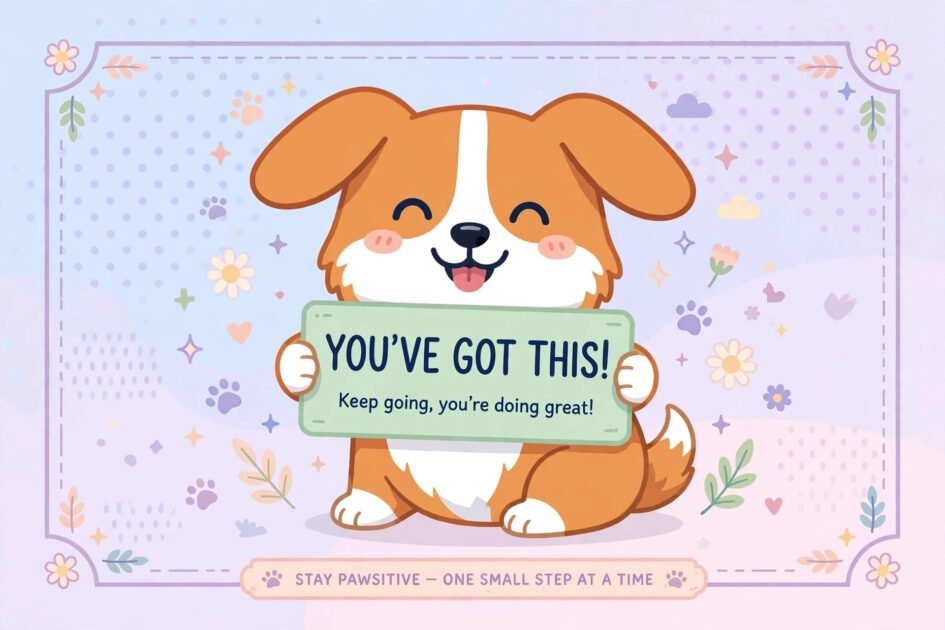
Some of your best lines deserve a second life. Pull short, punchy tips from your articles — “A tired dog is a good dog,” “Train the dog in front of you” — and turn them into illustrated quote cards. Pair each quote with a cute dog illustration in your brand colors, sized square for Instagram and vertical for Pinterest. Quote cards are among the most shared formats in the pet niche because they’re quick to consume and easy to repost. Add your blog name or logo small in a corner so every share sends traffic back to you. Build a template once, then batch-create ten cards in an afternoon and schedule them across the month. Your future self will thank you.
FAQs About Dog Training Illustration
Do I need to be good at drawing to illustrate my blog?
Not at all. Simple, consistent styles outperform detailed art for tutorials. Start with basic shapes, use tools like Canva or Procreate with pet illustration brushes, and keep every drawing in the same style. Readers value clarity over realism every time.
What tools are best for blog illustrations?
Procreate on iPad is the favorite for hand-drawn styles, Adobe Illustrator or Figma for clean vector work, and Canva for quick quote cards and infographics. Pick one tool and master it before adding more to your workflow.
Should my illustrations match my blog branding?
Yes. Use your brand’s color palette and fonts in every illustration so your visuals are instantly recognizable on Pinterest and social media. Consistency builds trust and makes your whole site look professional.
What size should illustrations be for Pinterest?
Use a 2:3 vertical ratio — 1000×1500 pixels is ideal. Tall graphics dominate Pinterest feeds and get significantly more saves than square or horizontal images.
How many illustrations should each post have?
One per key concept is a good rule, usually three to five per article. Every illustration should earn its place by clarifying something that words alone can’t explain well.
The Bottom Line
Great content gets read, but great visuals get remembered — and shared. Start with one dog training illustration idea from this list, apply it to your next post, and watch how readers respond. Over time, a library of consistent, charming illustrations becomes one of your blog’s biggest assets, quietly working to grow your traffic while you focus on the dogs.